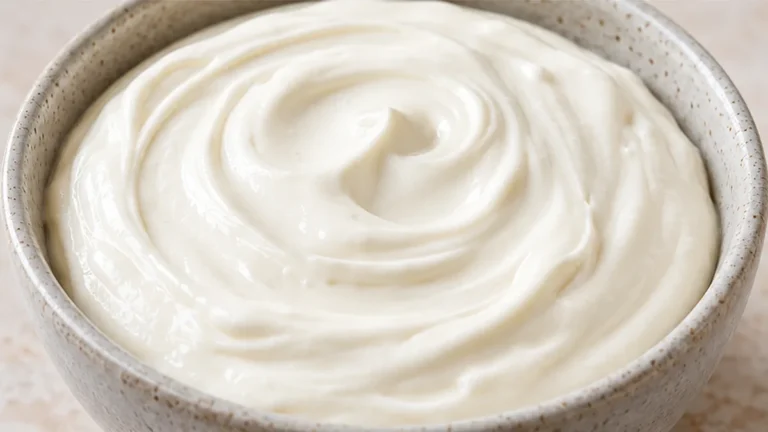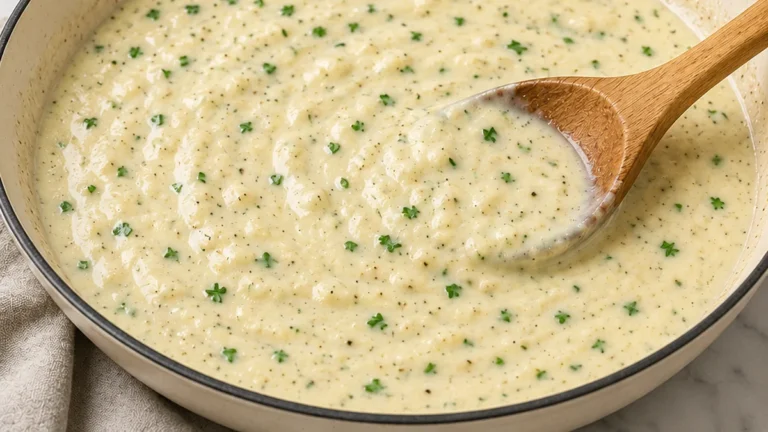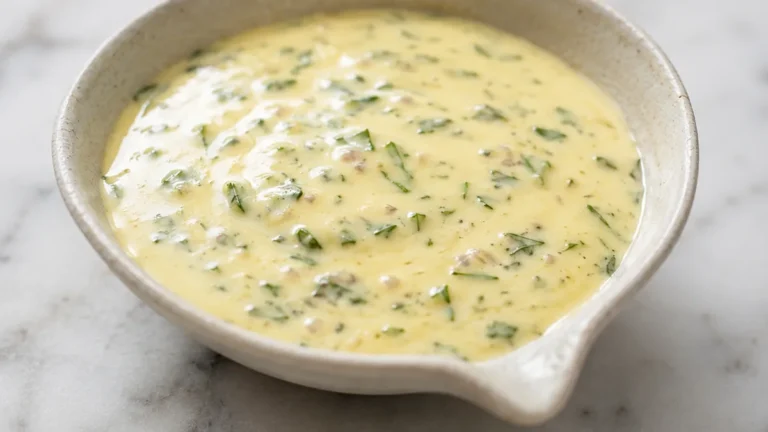
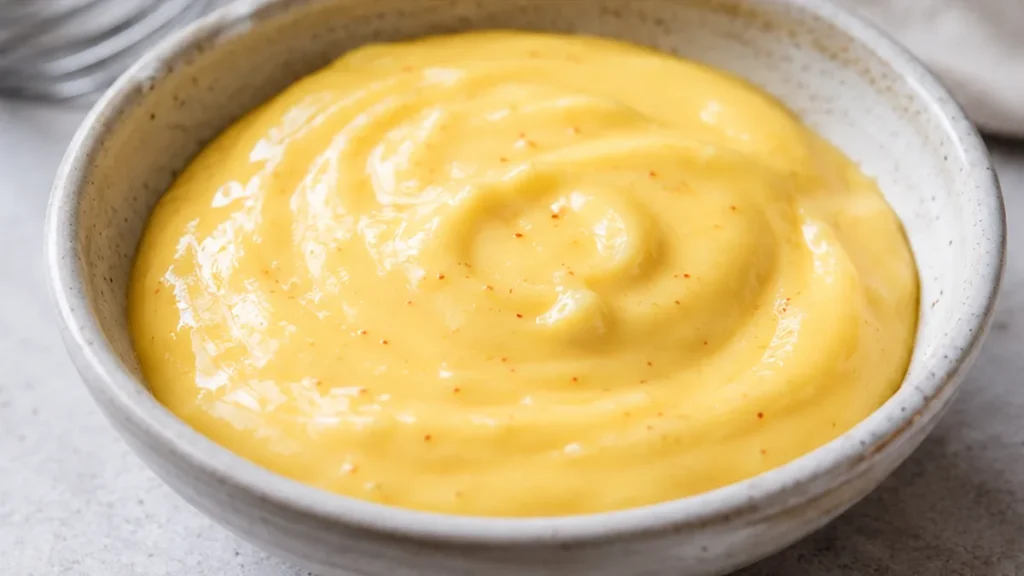
The secret to a truly luxurious hollandaise sauce lies in its emulsion: slowly incorporating hot butter into whisked egg yolks creates that iconic silky texture. This hollandaise sauce recipe offers both stovetop and blender methods, ensuring success whether you prefer traditional techniques or a quicker approach. Mastering hollandaise sauce will improve your brunch game and add a touch of gourmet elegance to countless dishes. With just a few simple ingredients and careful attention to temperature, you can achieve a perfectly stable and delicious sauce every time.

Velvety Hollandaise: Your Brunch Game Changer!
Ingredients
- 2/3 cup unsalted butter
- 3 large egg yolks
- 1 tablespoon fresh lemon juice or white wine vinegar
- 1/4 teaspoon salt
- pinch cayenne ((optional))
Instructions
- Stovetop Method: Melt the butter until it’s not just melted but HOT. (Be sure to cover the bowl because butter splatters!) Vigorously whisk the egg yolks and lemon juice or white vinegar in a stainless steel bowl until thickened. Place the bowl over a small saucepan with simmering water, ensuring the bowl is ABOVE the water and not touching it, to prevent scrambling. Continue to whisk the eggs while drizzling in the hot melted butter in a slow, steady stream until the sauce has thickened. If you prefer it thinner, add a teaspoon or so of water. Be careful not to let the sauce overheat. Remove the bowl from the heat and whisk in the salt and cayenne pepper if using. Taste and add more salt if desired. Serve immediately. If waiting, keep warm by covering and placing in a warm spot (next to the stovetop, over a double boiler, or over a small saucepan containing hot water, again ensuring no contact with the water).
- Blender Method: Melt the butter until it’s not just melted but HOT. (Be sure to cover the bowl because butter splatters!) Place the egg yolks, lemon juice, salt, and cayenne pepper (if using) in a blender and blend on medium for about 5 seconds until combined. Remove the plug from the blender lid and, with the blender on medium, slowly pour in the hot butter in a steady stream. Continue to blend until the sauce is emulsified and thickened. If you prefer it thinner, add a teaspoon or so of water and blend. Taste and add more salt if desired. Pour the hollandaise sauce into a bowl and serve immediately. If waiting, keep warm by covering and placing in a warm spot (next to the stovetop, over a double boiler, or over a small saucepan containing hot water, again ensuring no contact with the water).
Notes
Pro tips
- Ensure your butter is hot, not just melted; this is crucial for a stable emulsion. With merely warm butter, the sauce won’t come together.
- For the stovetop method, always keep the bowl above the simmering water, never touching it, to prevent the eggs from scrambling. Gentle, indirect heat is key.
- If the sauce becomes too thick, whisk in a teaspoon of warm water to achieve your desired consistency.
- Store leftover hollandaise sauce in an airtight container in the refrigerator for up to 1-2 days. Reheat gently over a double boiler, whisking constantly, adding a splash of warm water if needed, but note it might not fully regain its initial texture.
With these techniques, you’re ready to create a hollandaise sauce that rivals any professional kitchen. Experiment with different vinegars or a touch more cayenne for a personalized touch. Enjoy this versatile sauce and let your culinary creativity shine!
More from Cheese, Cream & Gravy →