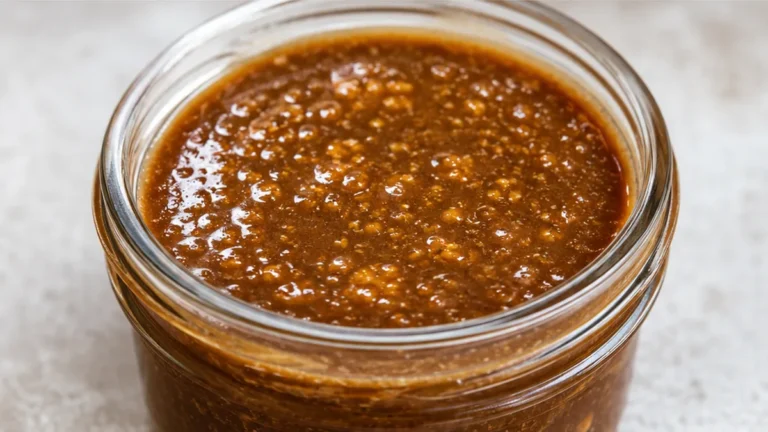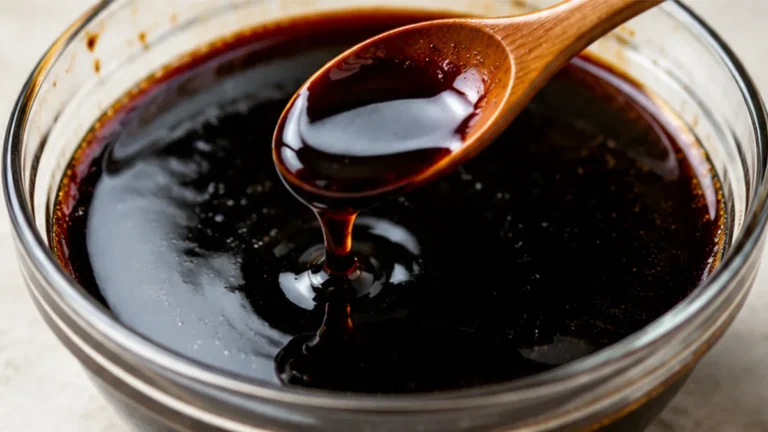
This sticky homemade teriyaki sauce in just 5 minutes is a quick way to enhance your dishes. Using simple ingredients, you can create a rich flavor profile.
Key takeaways
- Balance the sweet and savory for a perfect flavor profile.
- Avoid common mistakes like burning sugar or making the sauce too salty.
- Consider ingredient swaps carefully to maintain the sauce’s unique characteristics.
- Simmering at the right temperature is crucial for achieving the desired stickiness.
Sticky Homemade Teriyaki Sauce in 5 Mins!
Ingredients
- 1/2 cup soy sauce
- 1/2 cup sake (or water)
- 1/2 cup brown sugar
- 2 tablespoons rice vinegar (or distilled white vinegar or apple cider vinegar)
- 2 teaspoons cornstarch
- 2 teaspoons optional grated fresh ginger
Instructions
- In a saucepan combine all the ingredients (soy sauce, sake or water, brown sugar, rice vinegar, corn starch, and optional ginger).
- Heat over medium-high heat, stirring or whisking to dissolve the brown sugar, and bring the teriyaki sauce to a simmer. Simmer for 1-2 minutes or until the sauce thickens.
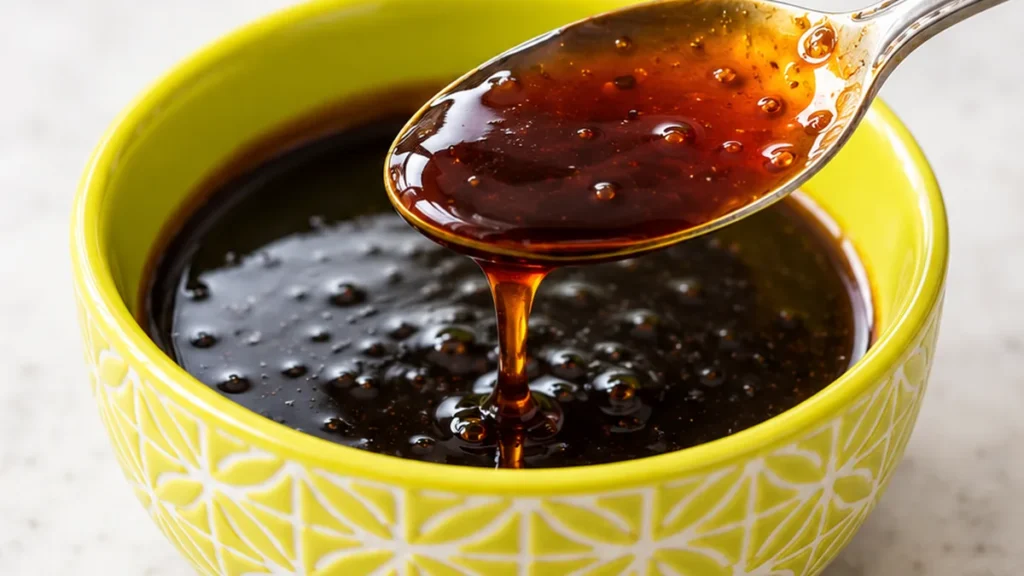
- Sauce should have the thickness to coat a spoon (it will thicken a little more as it cools) or continue simmer and thicken to your liking. For a thicker, more glaze like sauce, continue to simmer, stirring frequently, until it reaches your desired thickness. Set aside to cool and store in the fridge. Keeps for weeks if stored properly in the fridge.
Understanding the Balance of Sweet and Savory in Teriyaki Sauce
The harmony of flavors in teriyaki sauce is crucial for achieving the perfect sticky consistency. The primary ingredients—soy sauce, sugar, and mirin—work together to create a balance between sweetness and umami. For instance, using a higher sugar ratio can enhance the sauce’s stickiness, but this may also result in an overly sweet sauce. Aim for a ratio of about 2:1 soy sauce to sugar for optimal flavor without overwhelming sweetness.
Common Mistakes and Their Solutions
When making teriyaki sauce, several common pitfalls can affect the final result:
- Too Thin Consistency: This often occurs if the sauce is not simmered long enough. To fix this, allow the sauce to simmer for an additional 2-3 minutes until it thickens.
- Overly Salty Flavor: This can happen if too much soy sauce is used. To remedy this, add a teaspoon of sugar or honey to balance the saltiness.
- Burnt Sugar: If the sugar is added too quickly or cooked at too high a temperature, it can burn, leading to a bitter flavor. To prevent this, stir the sugar into the sauce slowly and keep the heat medium-low.
Ingredient Alternatives and Their Effects
Substituting ingredients in teriyaki sauce can alter its flavor and texture:
- Honey instead of Sugar: Using honey provides a floral sweetness that can enhance the sauce, but it may not achieve the same sticky texture.
- Coconut Aminos instead of Soy Sauce: This is a great gluten-free alternative, offering a sweeter taste but less saltiness.
- Rice Vinegar instead of Mirin: While this can work in a pinch, it lacks the sweetness of mirin, so consider adding a bit of sugar to compensate.
The Unique Stickiness of Teriyaki Sauce
What sets teriyaki sauce apart from other sauces is its distinctive sticky texture, achieved through the right cooking technique. The key is to allow the sauce to reduce properly, concentrating the flavors and creating that coveted glaze. The ideal simmering temperature is around 85°C (185°F), where the sauce can thicken without burning. This technique is essential for ensuring that the sauce clings beautifully to meats and vegetables.
How to Properly Store and Reheat Teriyaki Sauce
Storing your sticky homemade teriyaki sauce correctly is essential for maintaining its flavor and texture. After preparing the sauce, allow it to cool completely before transferring it to an airtight container. It can be stored in the refrigerator for up to two weeks. For longer storage, consider freezing the sauce in ice cube trays. This allows you to thaw only what you need for future meals. When reheating, do so gently over low heat to avoid breaking the sauce’s emulsion, which can lead to a less desirable texture.
Scaling Your Teriyaki Sauce Recipe for Larger Batches
When scaling your teriyaki sauce recipe, it’s important to maintain the same ratios of ingredients to ensure consistent flavor. For example, if you double the recipe, use double the soy sauce, sugar, and other components. However, be mindful that cooking times may vary slightly; larger batches may take longer to reach the desired thickness. Always taste and adjust seasoning as needed when making larger quantities, as flavors can intensify when ingredients are concentrated.
Choosing the Right Equipment for Making Teriyaki Sauce
The equipment you use can significantly impact the outcome of your teriyaki sauce. A heavy-bottomed saucepan is ideal for even heat distribution, preventing the sauce from burning. A whisk is essential for combining the ingredients thoroughly, ensuring the sugar dissolves completely. If you prefer a smoother sauce, consider using an immersion blender after cooking, which can help achieve a silky consistency. These tools can enhance the cooking process and improve the final product.
Pairing Teriyaki Sauce with Seasonal Ingredients
Seasonality can greatly influence the flavors of your teriyaki sauce. Fresh, in-season vegetables like asparagus in spring or bell peppers in summer can enhance the dish’s overall taste. When pairing with proteins, consider the quality of the meat; fresh, high-quality chicken, beef, or tofu will absorb the sauce’s flavors better than lower-quality options. Adjusting your ingredients based on the season can elevate your teriyaki dishes, making them more vibrant and delicious.
Understanding the Impact of Ingredient Quality on Teriyaki Sauce
The quality of ingredients plays a crucial role in the final flavor of your teriyaki sauce. For instance, using high-quality soy sauce can significantly enhance the umami and saltiness of the sauce. Opt for naturally brewed soy sauce, as it tends to have a richer flavor profile compared to chemically produced versions. Additionally, the freshness of the ginger and garlic can influence the overall taste; fresher ingredients yield a more vibrant and aromatic sauce. When using sugar, consider the type as well; brown sugar will add a deeper molasses flavor, while white sugar will provide a straightforward sweetness. The balance of these ingredients is key, so always taste and adjust as needed.
Batch Scaling and Its Effect on Cooking Time
When scaling your teriyaki sauce recipe, it’s essential to understand how batch size affects cooking time and consistency. Doubling or tripling the recipe may not always result in a proportional increase in cooking time. For larger batches, the sauce may require more time to thicken due to the increased volume. It’s advisable to monitor the sauce closely to achieve the desired sticky consistency. Additionally, consider using a wider pot to allow for better evaporation and concentration of flavors. Adjusting the heat and stirring more frequently can also help ensure even cooking across larger quantities.
Choosing the Right Equipment for Optimal Results
The equipment you use can significantly affect the texture and flavor of your teriyaki sauce. A heavy-bottomed saucepan distributes heat evenly, preventing hot spots that can burn the sauce. A whisk is preferable for mixing to ensure all ingredients are well incorporated and to avoid clumps. If you’re looking to infuse additional flavors, using a small saucepan allows for better control over the cooking process. Additionally, consider using a thermometer to monitor the sauce’s temperature, ensuring it reaches the right consistency without burning.
Preparing Teriyaki Sauce Ahead of Time: Best Practices
Making teriyaki sauce in advance can save time and enhance the flavors as they meld together. When preparing ahead, store the sauce in an airtight container in the refrigerator. It can last up to a week, but for optimal flavor, consume it within three to five days. To reheat, gently warm it on the stove over low heat, stirring frequently to prevent scorching. If the sauce thickens too much during storage, add a splash of water or soy sauce to reach the desired consistency. This preparation method not only provides convenience but also allows the flavors to deepen, making your dishes even more delicious.
Understanding the Role of Heat Control in Achieving Perfect Stickiness
The stickiness of teriyaki sauce is a direct result of the cooking process, particularly the control of heat. When making teriyaki sauce, it is crucial to bring the mixture to a gentle boil to activate the cornstarch (if used) or to allow the sugars to caramelize properly. The ideal temperature range for achieving this is between 90°C (194°F) and 105°C (221°F). At this temperature, the sauce thickens and develops that characteristic sticky texture. If the heat is too high, the sugars can burn, leading to a bitter flavor and a less appealing texture. Conversely, cooking at too low a temperature may result in a sauce that does not thicken adequately. Therefore, maintaining consistent heat while stirring the sauce ensures even cooking and the desired stickiness.
Scaling Your Teriyaki Sauce: Adjusting Ingredients for Larger Batches
When scaling your teriyaki sauce recipe for larger batches, it’s important to maintain the correct ratios of ingredients to achieve the same flavor profile and consistency. For instance, if you double the recipe, you typically need to double all ingredients, including soy sauce, sugar, and any thickening agents. However, be cautious with the cooking time; larger quantities may require a longer simmer to reach the desired thickness. Additionally, consider the size of your cooking vessel; using a pot that is too small can lead to uneven cooking and splattering. A larger pot allows for better heat distribution and makes it easier to stir the sauce thoroughly. If you find the sauce is too salty when scaled up, you can adjust by adding a bit more sugar or water to balance the flavors without compromising the overall taste.
Pro tips
Pro tip: Best served immediately while hot!
Frequently asked questions
Can I make teriyaki sauce without mirin?
Yes, you can substitute mirin with rice vinegar and a bit of sugar to mimic the sweetness. However, this will slightly change the flavor profile, making it less sweet and more tangy.
How do I store leftover teriyaki sauce?
Store leftover teriyaki sauce in an airtight container in the refrigerator for up to two weeks. Ensure it cools completely before sealing to prevent condensation.
What dishes pair well with teriyaki sauce?
Teriyaki sauce is versatile and pairs well with grilled chicken, beef, or tofu. It also works great as a marinade for vegetables or as a glaze for rice dishes.
How can I thicken teriyaki sauce quickly?
If you need to thicken teriyaki sauce quickly, mix a teaspoon of cornstarch with a tablespoon of cold water and stir it into the simmering sauce. This will help achieve a thicker consistency almost immediately.
More from Asian Sauces →