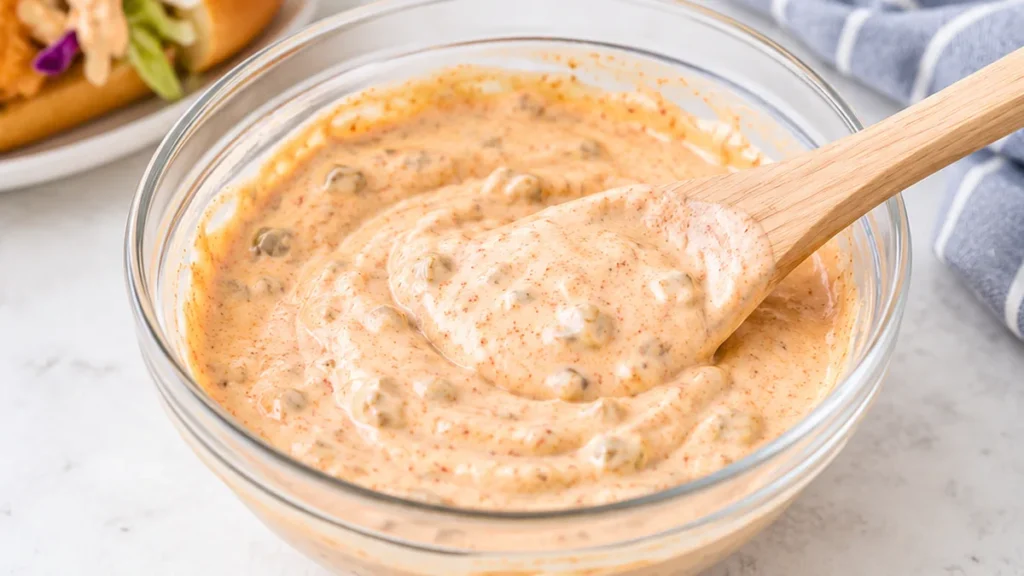
This is the best remoulade sauce recipe with mayonnaise you’ll find. It’s a straightforward blend of ingredients that enhances your seafood dishes.
Key takeaways
- Ensure all ingredients are at room temperature to prevent separation.
- Add oil gradually to maintain a stable emulsion.
- Experiment with swaps like Greek yogurt for a healthier option.
- The unique flavor profile of remoulade makes it versatile for various dishes.
Best Remoulade Sauce Recipe
Ingredients
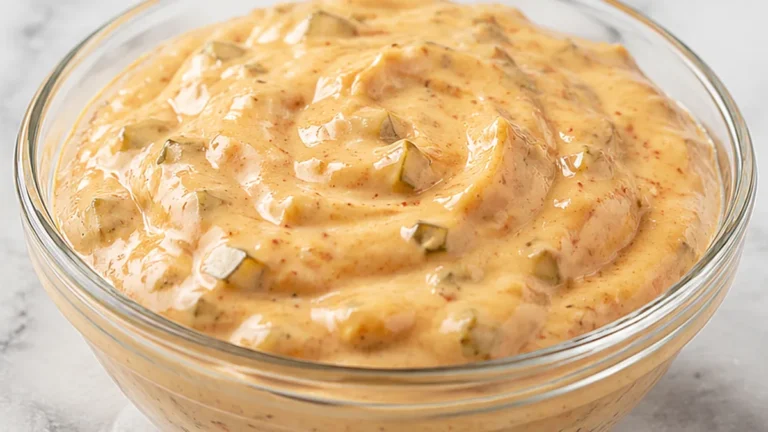
- 1 cup mayonnaise
- 2 tbsp dill pickle relish
- 1 tbsp fresh lemon juice
- 2 tsp hot sauce
- 2 tsp capers (roughly chopped)
- 1 1/2 tsp paprika
- 1 tsp Creole or Dijon mustard
- 1 tsp Worcestershire sauce
- 2 garlic cloves (minced finely)
Instructions
- In a medium bowl, combine mayonnaise, dill relish, lemon juice, hot sauce, capers, paprika, mustard, Worcestershire, and minced garlic.
- Stir everything together until well combined and smooth.
- Taste and adjust seasonings if needed.
- Cover and chill in the refrigerator for at least 30 minutes.
Understanding the Emulsion in Remoulade Sauce
At its core, remoulade sauce is an emulsion, which is a mixture of two liquids that typically do not mix, such as oil and water. The key to achieving a stable emulsion lies in the ratio of oil to the emulsifying agent, which in this case is mayonnaise. For a perfect emulsion, the recommended ratio is about 3:1 oil to mayonnaise. This ensures that the sauce remains thick and creamy without separating. The process involves slowly adding the oil to the mayonnaise while whisking vigorously to create a smooth and cohesive sauce.
Common Pitfalls: Why Your Sauce Might Separate
One common issue with remoulade sauce is separation. This can occur for several reasons. First, if the mayonnaise is too cold, it can cause the sauce to break. Ensure all ingredients are at room temperature before mixing. Second, adding oil too quickly can overwhelm the emulsifying agents, leading to a split sauce. Always add the oil gradually while whisking continuously. Lastly, if the sauce is not whisked enough, it may not emulsify properly. Aim for a smooth, thick consistency.
Ingredient Swaps: Enhancing Flavor Without Compromise
While the classic remoulade sauce is made with mayonnaise, there are several ingredient swaps that can enhance the flavor profile. For instance, substituting half of the mayonnaise with Greek yogurt can add a tangy flavor while reducing calories. Alternatively, using a flavored mayonnaise, such as garlic or chipotle, can impart a unique taste. However, keep in mind that these swaps may alter the texture slightly, resulting in a thinner sauce if yogurt is used. Always adjust the seasoning accordingly to maintain balance.
Unique Characteristics of Remoulade Sauce
What sets remoulade sauce apart from other condiments is its complex flavor profile, which combines creaminess with tanginess and a hint of spice. Traditional remoulade often includes ingredients like capers, mustard, and herbs, which contribute to its distinctive taste. This sauce is versatile and can be adapted for various cuisines, from classic French dishes to Southern seafood platters. Its ability to complement a wide range of foods, from fried seafood to crudités, makes it a staple in many kitchens.
Understanding the Impact of Ingredient Quality on Remoulade Sauce
The quality of your ingredients can significantly influence the final flavor and texture of your remoulade sauce. Fresh herbs, high-quality mayonnaise, and premium mustard can elevate your sauce, while stale or low-quality ingredients can lead to a dull taste. For instance, using homemade mayonnaise instead of store-bought can introduce a richer flavor profile. Similarly, the freshness of your herbs, such as tarragon or parsley, can add vibrant notes that enhance the overall dish. Aim for a balance of acidity and creaminess to achieve the best results.
Batch Scaling: Adjusting Quantities for Different Needs
Scaling your remoulade sauce recipe can be straightforward, but it’s essential to maintain the right ratios. When doubling or halving the recipe, ensure that the ratios of mayonnaise to other ingredients remain consistent. For example, if your original recipe calls for 200 grams of mayonnaise and 50 grams of mustard, when scaling up, use 400 grams of mayonnaise and 100 grams of mustard. Additionally, consider that flavors may intensify when increasing batch sizes, so taste and adjust seasoning accordingly. This ensures your sauce remains balanced, regardless of the quantity.
Equipment Choices: How Tools Affect Your Sauce’s Texture
The equipment you use can greatly influence the texture of your remoulade sauce. A food processor or blender can create a smoother emulsion compared to whisking by hand, which may result in a thicker, chunkier sauce. If you prefer a more rustic texture, opt for manual methods. Conversely, using a high-speed blender can yield a silky sauce. Additionally, ensure your equipment is clean and dry, as any residual moisture can affect the emulsion process. This choice of tools can help you achieve the desired consistency in your sauce.
Serving Suggestions: Pairing Remoulade Sauce with Dishes
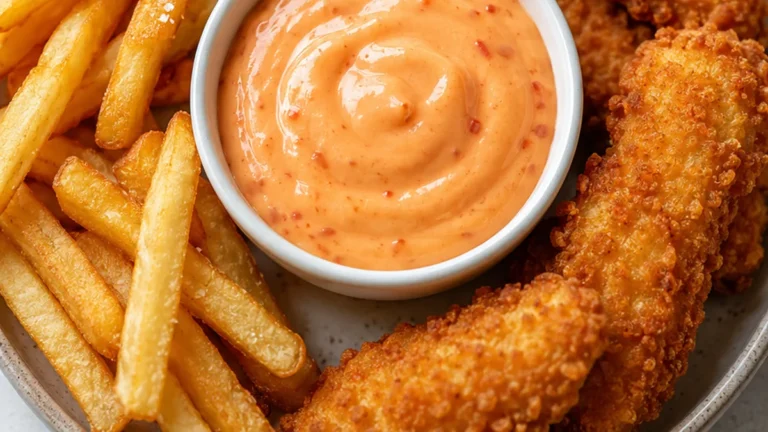
Remoulade sauce is versatile and can complement various dishes. Traditionally served with seafood, it pairs excellently with fried shrimp, crab cakes, or grilled fish. However, it also enhances the flavor of roasted vegetables and can be used as a spread in sandwiches or wraps. Consider serving it alongside fresh salads or as a dip for crispy snacks like potato wedges or fried pickles. The bright, tangy flavors of the remoulade can elevate the overall dining experience, making it a favorite accompaniment for many dishes.
Understanding the Shelf Life and Storage of Remoulade Sauce
Remoulade sauce, when properly stored, can maintain its quality for up to one week in the refrigerator. To maximize freshness, store it in an airtight container to prevent oxidation and contamination. It’s essential to note that the flavor may intensify over time due to the melding of the ingredients, especially if it contains fresh herbs or spices. Freezing is not recommended, as the emulsion may break, leading to a grainy texture upon thawing. If you plan to make the sauce ahead of time, consider preparing it no more than two days in advance for optimal flavor and texture.
Adapting Remoulade Sauce for Dietary Preferences
When creating the best remoulade sauce recipe with mayonnaise, consider dietary restrictions or preferences. For a vegan alternative, substitute traditional mayonnaise with a plant-based version, which retains the creamy texture and flavor profile. Additionally, if someone is allergic to eggs, egg-free mayonnaise can be used without compromising the sauce’s integrity. For those seeking a lower-fat version, using Greek yogurt can provide a tangy flavor while reducing calories. However, keep in mind that these substitutions may alter the sauce’s final taste and texture, so adjustments in seasoning may be necessary to achieve the desired flavor balance.
Exploring Flavor Profiles and Seasonal Variations
The flavor profile of remoulade sauce can be significantly influenced by seasonal ingredients. Fresh herbs such as parsley, chives, or dill can enhance the sauce’s brightness, while seasonal vegetables like roasted red peppers or capers can add depth. In summer, consider incorporating fresh citrus zest or juice, which can lighten the sauce and complement grilled seafood or vegetables. Conversely, in winter months, adding spices like smoked paprika or a touch of horseradish can provide warmth and complexity. Experimenting with these seasonal variations can elevate the sauce and make it a versatile accompaniment throughout the year.
How to Achieve the Perfect Emulsion for Remoulade Sauce
Creating a stable emulsion is crucial for the best remoulade sauce recipe with mayonnaise. The key is to combine the oil and vinegar (or lemon juice) slowly while whisking vigorously. This process breaks down the oil into tiny droplets that can be suspended in the water phase. A good starting ratio is 3 parts oil to 1 part vinegar. If the emulsion begins to break, add a teaspoon of mustard or a bit of water to help re-establish it. Maintaining a consistent temperature, ideally around room temperature, during preparation can also help stabilize the emulsion.
Understanding the Role of Fresh Herbs in Flavor Development
Fresh herbs are a hallmark of a well-crafted remoulade sauce and can significantly influence its flavor profile. Herbs like tarragon, parsley, and chives not only add freshness but also complexity. For instance, tarragon brings a slight anise flavor that pairs beautifully with seafood. When using fresh herbs, consider their potency; for example, tarragon can overpower if used excessively. A good rule of thumb is to start with 1 tablespoon of finely chopped fresh herbs per cup of sauce and adjust according to taste. The timing of adding herbs is also important; incorporating them at the end of the mixing process preserves their vibrant flavor and color.
Understanding the Role of Acidity in Balancing Flavors
Acidity is a crucial component in remoulade sauce, as it helps to balance the richness of mayonnaise. The typical acidic ingredients used are lemon juice or vinegar. The ideal ratio is about 1 tablespoon of acid for every cup of mayonnaise. This not only enhances the flavor but also helps to preserve the sauce. If the sauce tastes too heavy or flat, consider adding more acidity gradually until the desired balance is achieved. This adjustment can significantly elevate the overall taste, making the remoulade more vibrant and refreshing.
How to Achieve the Ideal Consistency for Your Remoulade
The consistency of remoulade sauce is key to its effectiveness as a condiment. A well-balanced remoulade should be creamy yet spreadable. If your sauce is too thick, you can thin it out by adding a small amount of water or additional vinegar, one teaspoon at a time, until you reach the desired texture. Conversely, if it’s too runny, increasing the amount of mayonnaise or adding a thickening agent like finely chopped pickles can help. Always mix thoroughly to ensure the ingredients are well combined, achieving a smooth and cohesive sauce.
Pro tips
Pro tip: Best served immediately while hot!
Frequently asked questions
What can I serve with remoulade sauce?
Remoulade sauce pairs well with seafood dishes, such as shrimp or crab cakes, and can also be served with fried vegetables or as a dip for crudités. It’s a versatile condiment that enhances many appetizers.
Can I make remoulade sauce in advance?
Yes, remoulade sauce can be made in advance and stored in the refrigerator for up to a week. This allows the flavors to meld together, enhancing the overall taste of the sauce.
How can I thicken my remoulade sauce?
If your remoulade sauce is too thin, you can thicken it by adding more mayonnaise or incorporating a small amount of cornstarch mixed with water. Whisk thoroughly to ensure a smooth consistency.
Is remoulade sauce spicy?
Remoulade sauce can vary in spice level depending on the ingredients used. Traditional recipes may include horseradish or hot sauce for heat, but you can adjust these ingredients to suit your taste preferences.
More from Dips, Spreads & Copycat →