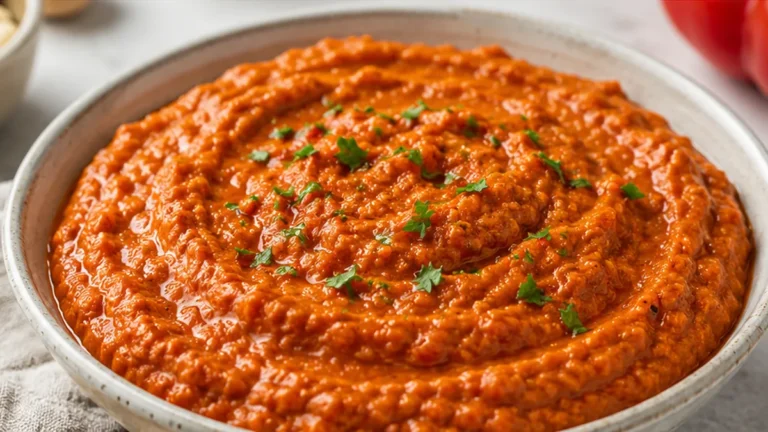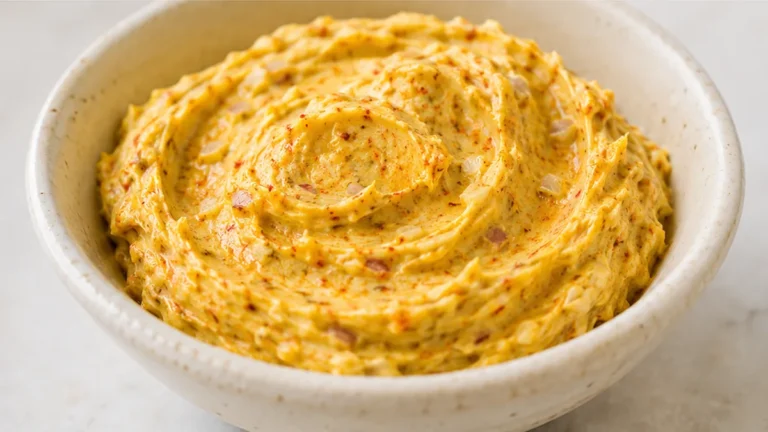
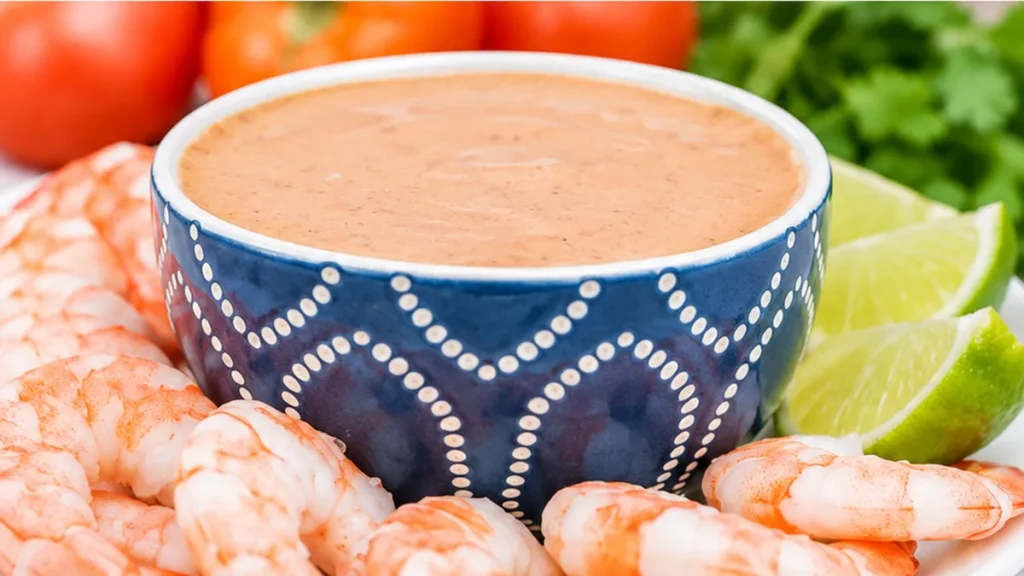
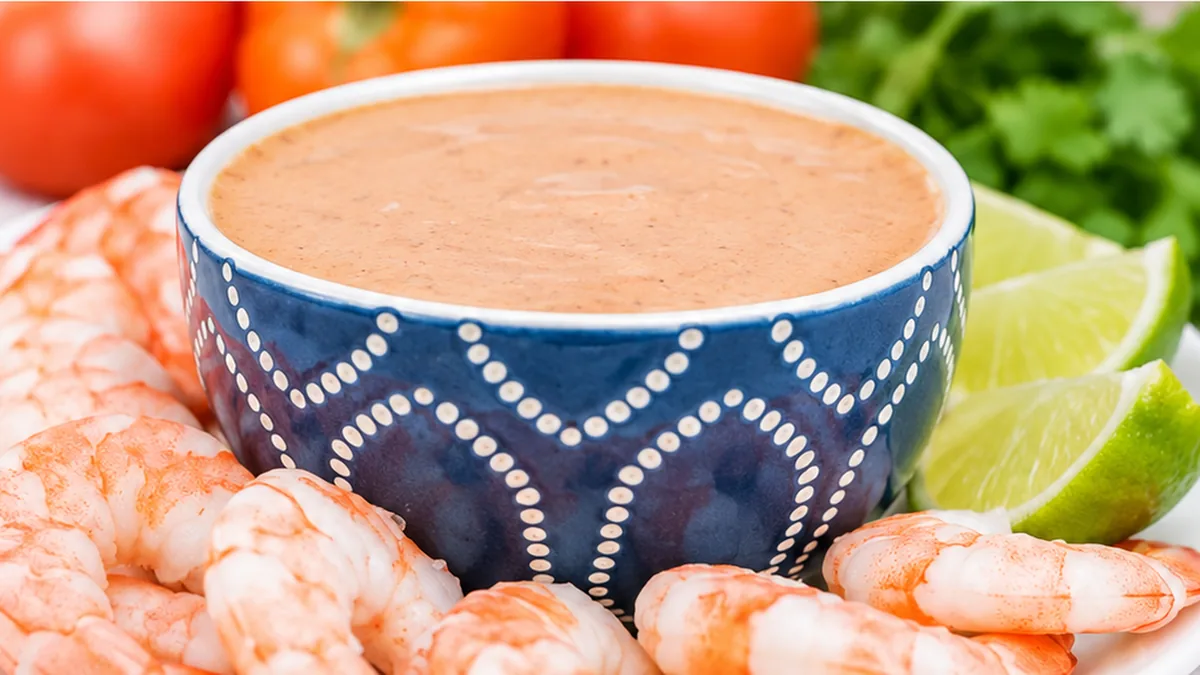
Mississippi Comeback Sauce is more than just a dip; it’s a legend. This creamy, tangy, and slightly spicy concoction is the perfect accompaniment to almost any meal. Making it from scratch is incredibly simple and takes just minutes, allowing you to enjoy its addictive flavor profile without any fuss. Forget store-bought – this homemade version is superior in taste and freshness. This comeback sauce recipe is designed for ease and maximum flavor. It’s the ultimate condiment to improve your everyday meals, from crispy appetizers to hearty sandwiches. Get ready to discover why this sauce is a Southern favorite.
Key takeaways
- Proper emulsification is key to a creamy texture.
- Adjusting ingredients can enhance flavor and texture.
- Common issues include runniness and lack of flavor, which can be fixed easily.
- Comeback sauce is uniquely versatile, suitable for many dishes.
Mississippi Comeback Sauce: The Best Dip!
Ingredients
Method
- Add the mayonnaise, ketchup, Sriracha sauce, Dijon mustard, Worcestershire sauce, hot sauce, garlic powder, onion powder, and black pepper into a medium bowl.
- Mix all ingredients well until thoroughly combined and smooth.
- Squeeze in the juice of one lemon and stir again.
- Taste the sauce and add more lemon juice if a tangier flavor is desired, mixing once more.
- Cover the bowl tightly and refrigerate for at least 30 minutes to allow the flavors to meld.
- Serve chilled with your favorite foods like fries, chicken wings, or sandwiches.
Video
Notes
The Science Behind Emulsification in Comeback Sauce
Emulsification is the key to achieving the creamy texture of comeback sauce. This process combines two immiscible liquids, like oil and water, into a stable mixture. In this recipe, gluten-free mayonnaise serves as the base, providing the necessary emulsifiers to hold the sauce together. The balance of ingredients, such as the acid from lemon juice and the fat from mayonnaise, plays a crucial role in maintaining this emulsion. A typical ratio for successful emulsification is 3 parts oil to 1 part vinegar or acid, which can be adapted based on personal taste preferences.
Common Issues and Solutions When Making Comeback Sauce
When preparing comeback sauce, you might encounter a few common issues. Here are some failure-to-fix pairs:
- Issue: Sauce is too runny. Fix: Increase the amount of mayonnaise or add more ketchup to thicken the sauce.
- Issue: Sauce lacks flavor. Fix: Adjust the seasoning by adding more hot sauce or Worcestershire sauce for a bolder taste.
- Issue: Sauce separates over time. Fix: Ensure proper emulsification by whisking vigorously and using fresh ingredients.
Ingredient Alternatives and Their Impact on Flavor
Swapping ingredients in your comeback sauce can significantly alter the flavor profile. Here are some common substitutions and their effects:
- Substitution: Using regular mayonnaise instead of gluten-free. Effect: The sauce will have a creamier texture but may not meet dietary restrictions.
- Substitution: Replacing Sriracha with a milder hot sauce. Effect: This will reduce the heat level, making the sauce suitable for those who prefer less spice.
- Substitution: Using apple cider vinegar instead of lemon juice. Effect: This will add a different acidity, giving the sauce a slightly sweeter taste.
Unique Characteristics of Comeback Sauce
What sets comeback sauce apart from other dips is its versatility and rich flavor. Originating from Mississippi, this sauce combines elements of remoulade and cocktail sauce, making it an exceptional accompaniment for fried foods, seafood, and even salads. Its unique blend of tanginess, heat, and creaminess makes it a favorite in Southern cuisine, often served at gatherings and barbecues. Unlike typical dips, the complexity of flavors in comeback sauce allows it to enhance a wide variety of dishes, making it a staple in many kitchens.
How to Properly Store and Extend the Shelf Life of Comeback Sauce
Storing comeback sauce correctly can significantly affect its flavor and texture. To maximize freshness, transfer the sauce to an airtight container and refrigerate it immediately after preparation. It can typically last for up to two weeks in the refrigerator. For longer storage, consider freezing the sauce in small portions; this allows you to thaw only what you need. When frozen, the sauce can maintain its quality for up to three months. However, be aware that freezing may alter the texture slightly due to the separation of ingredients upon thawing. Stir well before use to restore its consistency.
Scaling the Recipe: Adjusting Quantities Without Compromising Flavor
Scaling up or down the recipe for comeback sauce is straightforward, but it requires careful attention to ingredient ratios. For instance, if you double the recipe, ensure that each ingredient is doubled proportionally to maintain the flavor balance. However, when scaling up significantly, consider that the mixing process might need adjustments; larger batches can be more challenging to emulsify. A good practice is to mix the base ingredients first and then gradually incorporate the mayonnaise for a smoother emulsion. Conversely, if halving the recipe, ensure you taste as you go to adjust seasoning, especially with potent ingredients like Sriracha and Worcestershire sauce. This way, you can maintain the sauce’s signature flavor profile.
The Influence of Seasonal Ingredients on Comeback Sauce Flavor
Seasonal ingredients can dramatically influence the flavor of comeback sauce, particularly the freshness of the lemon juice and the quality of the mayonnaise. In spring and summer, using fresh, organic lemons can impart a brighter and more vibrant flavor compared to bottled juice. Additionally, consider the quality of the mayonnaise; homemade versions can elevate the sauce with richer flavors. If using store-bought mayonnaise, opt for brands that emphasize natural ingredients. The freshness of ingredients can also impact the sauce’s overall taste and texture, so be mindful of sourcing high-quality components, especially during peak seasons.
Serving Suggestions: Pairing Comeback Sauce with Various Dishes
Comeback sauce is a versatile condiment that pairs well with a variety of dishes. It is traditionally served with fried foods, such as shrimp or chicken, providing a creamy contrast to crispy textures. Additionally, it can enhance the flavor of fresh vegetables when used as a dip. For a more adventurous pairing, try it with grilled meats or as a spread on sandwiches. The sauce’s tangy and slightly spicy profile complements seafood dishes beautifully, making it an excellent accompaniment for fish tacos or grilled salmon. Experimenting with different pairings can reveal new dimensions of flavor, making this sauce a staple in your culinary repertoire.
Understanding the Impact of Emulsification on Comeback Sauce
The key to achieving the perfect texture in comeback sauce lies in the emulsification process. Emulsification occurs when fat (from mayonnaise) is combined with water-based ingredients (like ketchup and lemon juice) to create a stable mixture. For a successful emulsion, ensure that the mayonnaise is at room temperature before mixing. This helps the fat molecules blend more effectively with the other ingredients. If the sauce appears separated, you can fix it by whisking in a small amount of water or additional mayonnaise until it becomes smooth and cohesive. The ideal ratio of mayonnaise to ketchup in this recipe is approximately 4:1, which provides a balanced flavor without overpowering the other ingredients.
Batch Scaling: How to Adjust Quantities Without Losing Flavor
Scaling the recipe for comeback sauce requires careful consideration to maintain the flavor profile. When doubling or halving the recipe, keep the ratio of ingredients consistent. For instance, if you double the mayonnaise from 1 cup to 2 cups, ensure the ketchup increases from 1/4 cup to 1/2 cup as well. However, be cautious with the spices; sometimes, you may want to start with slightly less than double the amount and adjust to taste to avoid overpowering the sauce. For larger batches, consider using a food processor for easier mixing, which ensures the ingredients are well combined without overworking the emulsion.
Serving Comeback Sauce: Pairing and Presentation Tips
Comeback sauce is incredibly versatile and can enhance various dishes. When serving, consider the presentation: a simple bowl garnished with fresh herbs or a drizzle of olive oil can elevate its appeal. Pair it with fried foods like shrimp or onion rings, as the sauce’s tangy and spicy notes complement the richness of fried items. Additionally, it can serve as a delightful dip for fresh vegetables or a zesty spread for sandwiches. Experiment with seasonal ingredients; for instance, adding fresh herbs in the spring or a hint of smoked paprika in the winter can give the sauce a unique twist that reflects the season.
How Ingredient Quality Affects the Flavor Profile of Comeback Sauce
The quality of ingredients used in making comeback sauce can significantly influence its final flavor. For instance, using fresh lemon juice instead of bottled can enhance brightness and acidity, while high-quality gluten-free mayonnaise provides a creamier texture and richer taste. The type of ketchup also matters; artisanal varieties may offer a more complex flavor compared to standard brands. For the sriracha, a more robust or homemade version can add depth and heat, while store-bought options vary widely in spice levels and flavor profiles. When selecting ingredients, consider the balance of sweetness and acidity. A higher quality ketchup may be less sweet, requiring adjustments in the other components to maintain the sauce’s signature taste. Additionally, seasonal ingredients, such as fresh garlic or onion, can elevate the sauce’s overall flavor, making it more vibrant and aromatic. Experimenting with different brands and types of each ingredient allows for a personalized touch, leading to a unique comeback sauce tailored to individual preferences.
Understanding the Emulsification Process in Comeback Sauce
Emulsification is a critical process when creating a stable comeback sauce. This technique involves combining two liquids that typically do not mix, such as oil and water-based ingredients. In this recipe, gluten-free mayonnaise serves as the primary emulsifier, providing a creamy base. The key to successful emulsification lies in the gradual incorporation of ingredients. For instance, when adding lemon juice or hot sauce, do so slowly while whisking vigorously to ensure a smooth blend. If the sauce appears to separate, it may indicate that the emulsification process was not successful. To remedy this, whisk in a small amount of additional mayonnaise or a teaspoon of water to help re-emulsify the mixture. The ideal consistency should be thick yet pourable, allowing it to coat various dishes without being too runny. Understanding the science behind emulsification not only helps in achieving the desired texture but also enhances the overall flavor integration, making the sauce a perfect complement to fried foods, salads, and more.
Pro tips
- For best flavor, let the sauce chill in the refrigerator for at least 30 minutes before serving.
- Adjust the lemon juice and hot sauce to your personal taste preferences.
- This sauce keeps well in an airtight container in the fridge for up to a week.
Enjoy this incredibly versatile and delicious Mississippi Comeback Sauce with all your favorite dishes!
Frequently asked questions
How long can I store comeback sauce in the refrigerator?
You can store comeback sauce in an airtight container in the refrigerator for up to one week. Make sure to give it a good stir before serving again, as some separation may occur over time.
Can I make comeback sauce vegan?
Yes, you can make a vegan version of comeback sauce by using plant-based mayonnaise. This will maintain the creamy texture while accommodating a vegan diet.
What dishes pair well with comeback sauce?
Comeback sauce is incredibly versatile and pairs well with fried foods, seafood, grilled meats, and even as a salad dressing. Its rich flavor enhances a variety of dishes.
Is comeback sauce spicy?
The spiciness of comeback sauce can be adjusted based on the amount of Sriracha and hot sauce used. For a milder flavor, reduce the hot sauce or choose a less spicy alternative.
More from Dips, Spreads & Copycat →