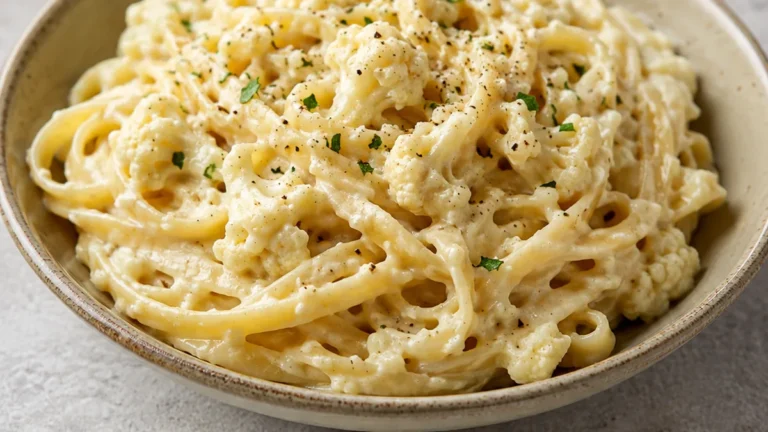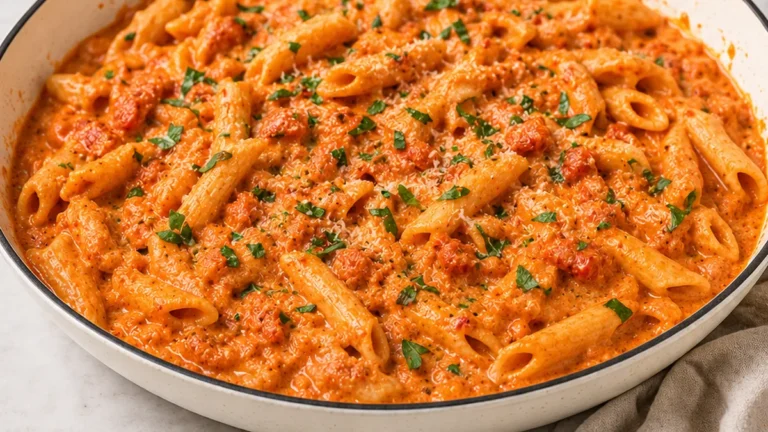
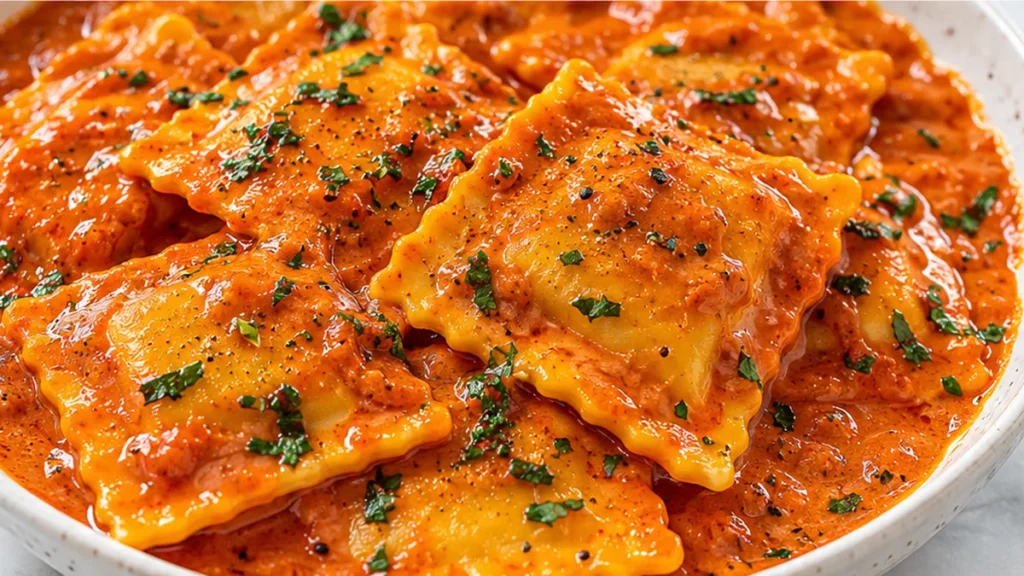
This creamy pumpkin ravioli sauce combines pumpkin puree with garlic and sage for a rich flavor. It’s a simple yet satisfying addition to your pasta dishes.
Key takeaways
- The right balance of fat creates a creamy texture.
- Maintaining proper temperature prevents separation of the sauce.
- Substitutions can alter flavor and texture; choose wisely.
- Pumpkin provides unique sweetness and nutritional benefits.
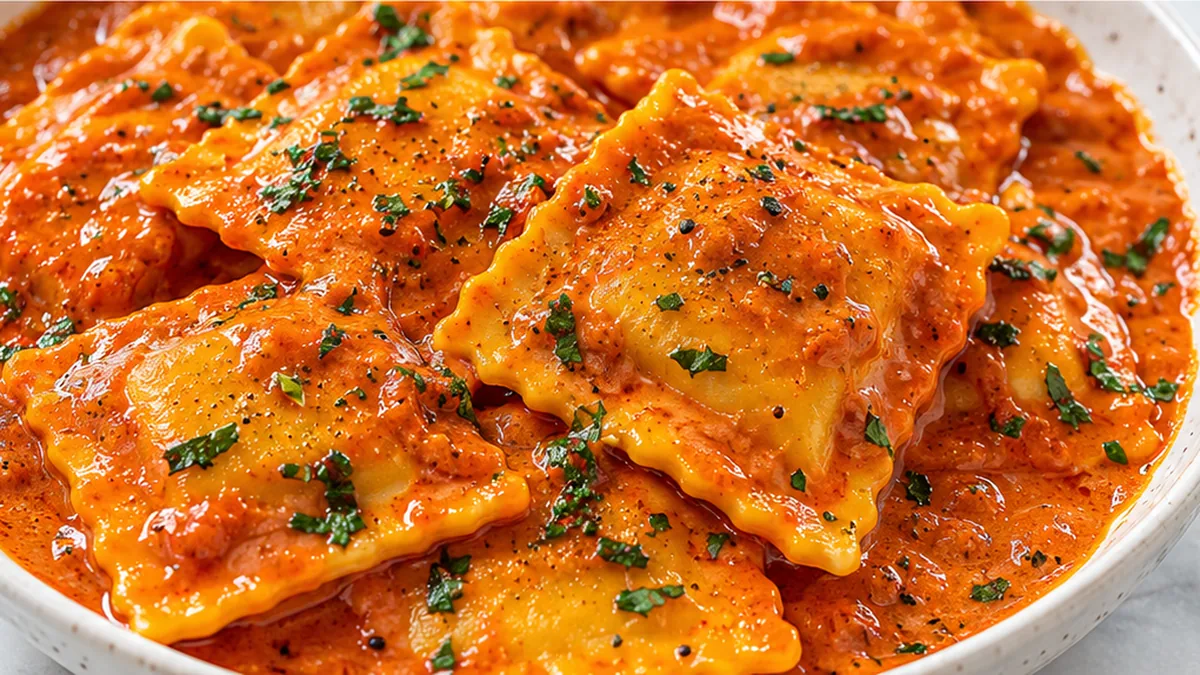
Creamy Pumpkin Ravioli Sauce
Ingredients
Method
- Prepare the ravioli according to package directions, typically boiling for 3-5 minutes until al dente.
- Meanwhile, melt 3 tbsp butter in a non-stick skillet over medium heat. Continue to cook the butter, swirling the skillet for 2-3 minutes until it forms browned bits at the bottom.
- Add 2 tsp peanut butter and 2 tsp red curry paste to the skillet and whisk until smooth, about 30 seconds.
- Remove the sauce from the heat and whisk in 2 tsp lime juice, 1/2 tsp sugar, and 1/2 tsp salt. Taste and add more curry paste if desired for extra heat.
- Return the sauce in the skillet to the stove over low heat. Stir the cooked pumpkin ravioli into the sauce until it is well coated, about 1 minute. Serve immediately.
The Importance of Creaminess in Pumpkin Ravioli Sauce
Achieving the perfect creamy texture in pumpkin ravioli sauce relies on the right balance of ingredients and techniques. The primary component for creaminess is the fat content, which can be derived from heavy cream, butter, or even mascarpone. When combined with the pumpkin puree, the fat creates an emulsion that gives the sauce its rich, velvety consistency. Ideally, the sauce should maintain a temperature between 160°F to 180°F (71°C to 82°C) to prevent the cream from curdling while allowing the flavors to meld.
Common Issues and Their Solutions
When making creamy pumpkin ravioli sauce, several issues may arise:
- Problem: Sauce is too thin. Solution: Reduce the sauce over low heat to concentrate flavors and thicken it.
- Problem: Sauce is too thick. Solution: Incorporate a splash of vegetable or chicken broth to loosen the sauce without compromising flavor.
- Problem: Sauce separates. Solution: Ensure that the sauce is not overheated; maintain a gentle simmer and whisk continuously to keep the emulsion intact.
- Problem: Lack of flavor depth. Solution: Add spices like nutmeg or cinnamon, which complement pumpkin beautifully, enhancing the overall taste.
Ingredient Substitutions and Their Effects
Substituting ingredients in creamy pumpkin ravioli sauce can yield different results:
- Substitution: Coconut milk instead of heavy cream. Effect: A dairy-free option that adds a subtle sweetness but may alter the overall creaminess.
- Substitution: Sage instead of thyme. Effect: Sage offers a more robust flavor that pairs well with pumpkin but may dominate the dish if used excessively.
- Substitution: Parmesan cheese in place of pecorino. Effect: Parmesan provides a milder flavor, making the sauce less tangy but still delicious.
- Substitution: Vegetable broth instead of chicken broth. Effect: A vegetarian-friendly alternative that maintains flavor but may require additional seasoning.
Unique Characteristics of Pumpkin Ravioli Sauce
This creamy pumpkin ravioli sauce stands out due to its seasonal ingredients and the natural sweetness of pumpkin, which is not commonly found in other pasta sauces. The use of pumpkin puree not only imparts a vibrant color but also offers nutritional benefits, including high levels of vitamin A and fiber. This makes the dish not only indulgent but also a healthier option compared to traditional cream sauces.
How to Make Creamy Pumpkin Ravioli Sauce Ahead of Time
Making creamy pumpkin ravioli sauce ahead of time can save you effort on busy days. Prepare the sauce up to 3 days in advance and store it in an airtight container in the refrigerator. When reheating, do so gently over low heat to prevent separation. If the sauce thickens too much, add a splash of vegetable broth or cream to restore its consistency. This method allows the flavors to meld and deepen, enhancing the overall taste.
Scaling Your Creamy Pumpkin Ravioli Sauce Recipe
Scaling this recipe is straightforward. If you want to double or halve the recipe, maintain the same ratios of ingredients for a consistent flavor profile. For instance, if you double the amount of pumpkin purée, also double the cream and spices. However, be cautious with cooking times; larger batches may require additional cooking time to achieve the desired thickness. Always taste and adjust seasoning as needed when altering the batch size.
Choosing the Right Equipment for Perfect Sauce Consistency
The equipment you use can significantly affect the texture of your creamy pumpkin ravioli sauce. A heavy-bottomed saucepan is ideal as it distributes heat evenly, reducing the risk of scorching. If using a blender to puree the sauce, ensure it’s high-powered to achieve a silky smooth consistency. For a chunkier sauce, a food processor can work well. Always blend in small batches if necessary to avoid overflow.
Seasonal Variations in Flavor and Texture of Ingredients
The quality of your ingredients can vary significantly with the seasons, affecting the final taste of your creamy pumpkin ravioli sauce. Fresh, in-season pumpkins tend to be sweeter and more flavorful compared to those available off-season. Similarly, herbs and spices can vary in potency, so adjust the quantities based on their freshness. For instance, fresh sage in the fall will impart a different flavor profile than dried sage used in winter. Always taste as you go to ensure the sauce meets your expectations.
How to Achieve the Perfect Creaminess in Your Sauce
The creaminess of your pumpkin ravioli sauce is a crucial element that can make or break your dish. To achieve the ideal texture, consider the fat content of your cream. Heavy cream, with a fat content of around 36-40%, is recommended for a rich, velvety sauce. If you opt for half-and-half, the lower fat content (10-18%) may result in a thinner sauce that lacks the desired mouthfeel. Additionally, incorporating a small amount of butter at the end of cooking can enhance the sauce’s richness and create a silky finish. Aim for a final temperature of around 85°C (185°F) to ensure the sauce thickens without curdling.
Choosing the Right Ingredients for Seasonal Flavors
The quality and freshness of your ingredients can significantly affect the flavor profile of your creamy pumpkin ravioli sauce. When selecting pumpkin, fresh pie pumpkins are ideal due to their sweetness and lower water content compared to larger carving pumpkins. If fresh pumpkin isn’t available, canned pumpkin puree is a reliable alternative; just ensure it contains no additives. Fresh herbs, such as sage or thyme, can elevate the dish, but their potency varies by season. Use more herbs in spring and summer when they are at their peak, and less during the fall and winter months to avoid overpowering the sauce.
Scaling Your Recipe Without Sacrificing Flavor
When scaling your creamy pumpkin ravioli sauce recipe, it’s essential to maintain the balance of flavors and textures. For every additional serving, increase the pumpkin and cream proportionally, but be cautious with spices and seasonings; often, these should be adjusted to taste rather than in direct proportion. A good rule of thumb is to increase spices by half when doubling the recipe. Additionally, consider the cooking time; larger batches may require slightly longer to heat through and thicken properly. Monitor the sauce closely to prevent overcooking.
Pairing Your Sauce with the Perfect Accompaniments
The right accompaniments can elevate your creamy pumpkin ravioli sauce to new heights. Consider pairing it with toasted pine nuts or walnuts for a delightful crunch and nutty flavor that complements the creaminess. A sprinkle of freshly grated Parmesan cheese can add a savory depth, while a drizzle of truffle oil can introduce an earthy aroma. For a complete meal, serve the ravioli alongside a simple arugula salad dressed with lemon vinaigrette, which provides a refreshing contrast to the richness of the sauce.
How to Store and Reheat Your Creamy Pumpkin Ravioli Sauce
Storing creamy pumpkin ravioli sauce requires careful attention to maintain its texture and flavor. After preparation, allow the sauce to cool to room temperature before transferring it to an airtight container. It can be stored in the refrigerator for up to 3 days. For longer storage, consider freezing the sauce. When freezing, use freezer-safe containers or bags, leaving space for expansion. The sauce can be frozen for up to 2 months. When reheating, do so gently over low heat to avoid curdling. Stir frequently and add a splash of cream or broth if the sauce thickens too much during reheating.
Understanding the Role of Pumpkin Quality in Your Sauce
The quality of pumpkin used in your creamy pumpkin ravioli sauce significantly impacts the final taste and texture. Fresh, high-quality pumpkin provides a vibrant flavor and smooth consistency, while canned pumpkin may vary in taste and moisture content. When using fresh pumpkin, select sugar pumpkins or pie pumpkins, which are sweeter and less fibrous than larger varieties. Roasting the pumpkin before pureeing enhances its natural sweetness and adds depth to the sauce. If using canned pumpkin, check for added sugars or spices that could alter the intended flavor profile. Always taste and adjust seasoning accordingly to ensure a well-balanced sauce.
Pro tips
Pro tip: Best served immediately while hot!
Frequently asked questions
Can I use fresh pumpkin instead of canned puree?
Yes, fresh pumpkin can be used, but it must be cooked and pureed until smooth. This may require additional time and effort compared to using canned pumpkin puree, which is already prepared for use.
How can I make the sauce spicier?
To add heat to your creamy pumpkin ravioli sauce, consider incorporating red pepper flakes or a dash of cayenne pepper. Start with a small amount and adjust to your preferred spice level.
Can I prepare the sauce in advance?
Yes, the sauce can be made ahead of time and stored in the refrigerator for up to 3 days. Reheat gently on the stove, adding a splash of broth or cream to restore its consistency if it thickens.
What pasta pairs best with this sauce?
While ravioli is ideal, other pasta shapes like fettuccine or tortellini also work well. Choose a pasta that can hold the sauce effectively, enhancing the overall dining experience.
More from Italian & Pasta Sauces →