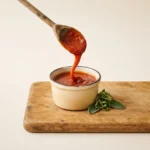
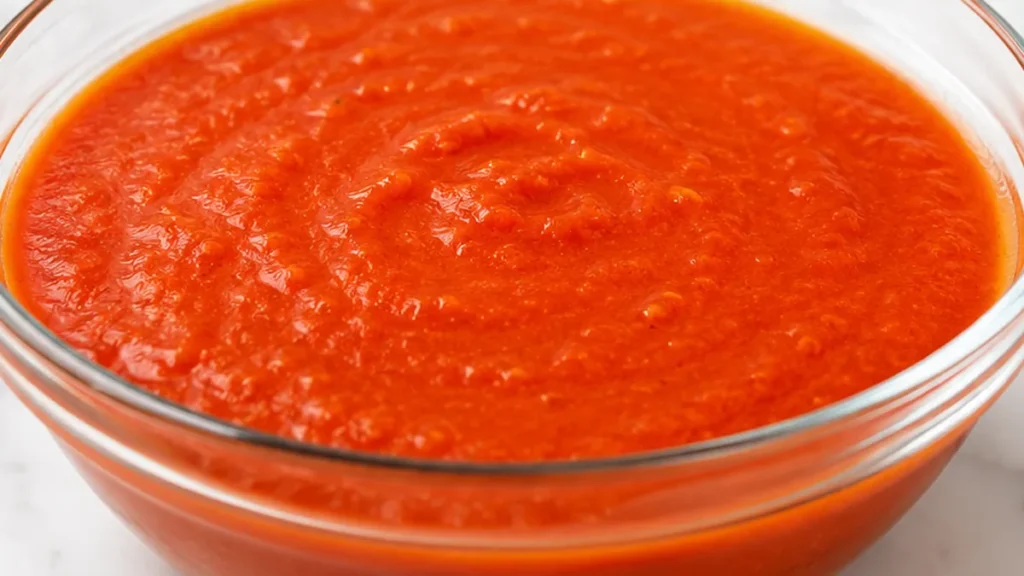
This essential tomato sauce recipe is straightforward and effective. Using fresh ingredients, you can create a flavorful sauce in no time.
Key takeaways
- Choose high-quality tomatoes for the best flavor.
- Cook the sauce on low heat for at least 30 minutes to enhance depth.
- Balance acidity with sweetness to achieve a harmonious taste.
- Avoid common mistakes like burning and flat flavors by adjusting cooking methods and seasonings.
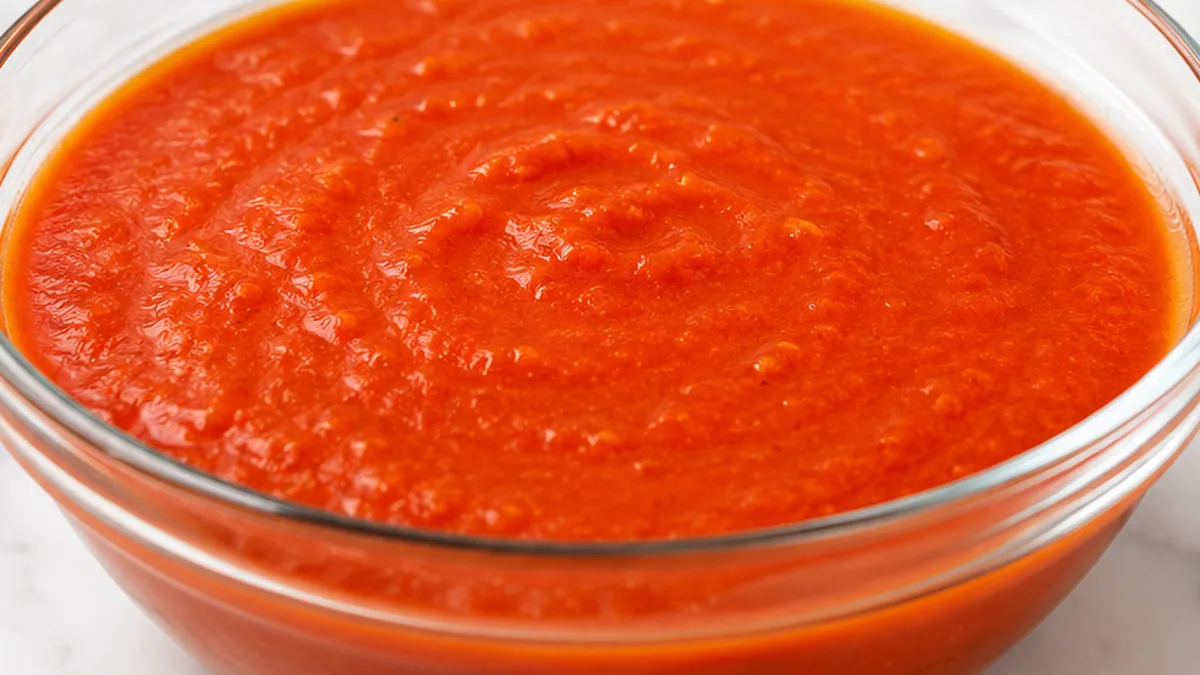
Essential Tomato Sauce Recipe
Ingredients
Method
- Combine San Marzano tomatoes, butter, yellow onion (cut-side down), water, salt, and black pepper in a medium saucepan. Heat over medium heat until the tomatoes begin to bubble.
- Reduce heat to low and simmer, uncovered, stirring occasionally (about every 10-15 minutes).
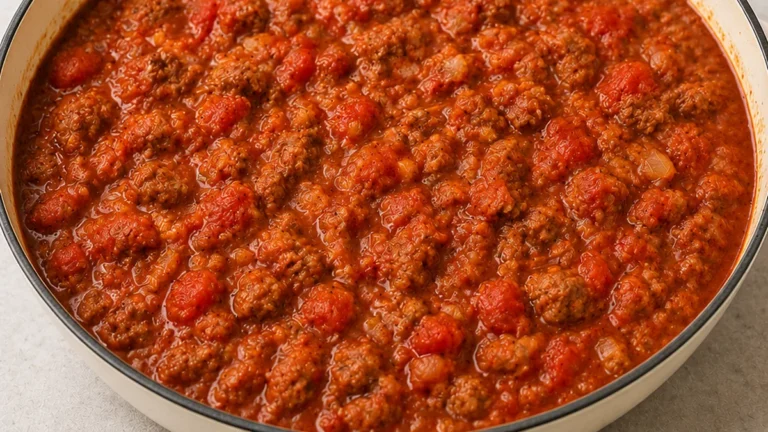
- Continue to cook until the sauce has thickened and the butter has separated from the liquid, forming a rich, oily sauce (about 35-45 minutes).
- Remove and discard the onion half.
- For a smoother sauce, use an immersion blender to blend until your desired consistency.
- Serve immediately over your favorite pasta or use as a base for other dishes.
Understanding the Importance of Tomato Quality
The foundation of an essential tomato sauce recipe lies in the quality of the tomatoes. Using ripe, in-season tomatoes can significantly enhance the sauce’s flavor profile. Varieties like San Marzano or Roma are preferred for their lower water content and higher acidity, which contribute to a richer sauce. Aim for tomatoes that are deep red and fragrant, indicating ripeness.
The Role of Cooking Time in Flavor Development
Cooking the sauce at the right temperature and for an adequate duration is crucial. A simmering time of at least 30 minutes allows the flavors to meld together, while a longer cooking time can intensify the taste. Keep the temperature low to avoid burning the sauce; ideally, maintain it around 90-100°C (194-212°F). This gentle cooking allows for the natural sugars in the tomatoes to caramelize, enhancing sweetness and depth.
Balancing Acidity and Sweetness
Tomatoes can be quite acidic, which is why balancing this acidity with sweetness is vital. If your sauce tastes too sharp, consider adding a pinch of sugar or a grated carrot during cooking. This will not only counteract the acidity but also add complexity to the flavor. The goal is to achieve a harmonious balance that elevates the overall taste of the sauce.
Common Mistakes and How to Avoid Them
- Too Watery Sauce: This often results from using tomatoes with high water content. To fix this, cook the sauce longer to evaporate excess moisture, or add a thickening agent like tomato paste.
- Burnt Sauce: Cooking at too high a temperature can cause burning. Always use low heat and stir frequently to prevent this issue.
- Flat Flavor: If the sauce tastes bland, it may lack seasoning. Adjust with salt, pepper, and fresh herbs like basil or oregano to enhance the flavor.
Substitutions and Their Effects
- Fresh Herbs vs. Dried Herbs: Fresh herbs provide a brighter flavor, while dried herbs offer a more concentrated taste. Use about three times the amount of fresh herbs compared to dried.
- Olive Oil vs. Butter: Olive oil gives a fruity flavor and is healthier, while butter adds richness and creaminess. Choose based on the desired flavor profile.
- Red Wine vs. White Wine: Red wine adds depth and richness, while white wine can brighten the sauce. Both can enhance the complexity of flavors.
Unique Aspects of This Tomato Sauce
Unlike many other sauces, the essential tomato sauce recipe can be easily adapted to various cuisines. Its versatility allows it to serve as a base for Italian dishes, a topping for pizzas, or even a sauce for braised meats. This adaptability makes it a staple in many kitchens, providing a canvas for countless flavor combinations.
How to Make Tomato Sauce Ahead of Time
Making tomato sauce in advance can save time during busy weeknights. When preparing your essential tomato sauce recipe, consider making a larger batch. Tomato sauce can be stored in the refrigerator for up to a week or frozen for up to three months. Ensure that the sauce is completely cooled before transferring it to airtight containers. For freezing, use freezer-safe bags or containers, leaving some space for expansion. When reheating, do so gently over low heat to maintain the sauce’s texture and flavor.
Scaling Your Tomato Sauce Recipe for Different Needs
Scaling your essential tomato sauce recipe is straightforward, as the ingredients can be adjusted proportionally. For example, if you want to double the recipe, simply double all the ingredients. However, keep in mind that cooking times may vary with larger batches. When scaling up, use a larger pot to ensure even cooking and to prevent burning. Conversely, if making a smaller batch, use a smaller pot and be attentive to the sauce’s consistency, as it may thicken more quickly.
Choosing the Right Equipment for Your Sauce
The choice of equipment can significantly affect your tomato sauce. A heavy-bottomed pot or Dutch oven is ideal for even heat distribution, preventing scorching. A wooden spoon is recommended for stirring, as it won’t scratch the pot’s surface. If you prefer a smoother sauce, consider using an immersion blender or a food processor after cooking, but be cautious not to over-blend, which can introduce air and alter the sauce’s texture. Each type of equipment may yield slightly different results, so choose based on your desired sauce consistency.
Pairing Your Tomato Sauce with Seasonal Ingredients
Tomato sauce is versatile and can be enhanced by seasonal ingredients. In summer, fresh basil, oregano, or even zucchini can be added for a burst of flavor. In the fall, consider incorporating roasted vegetables or a splash of balsamic vinegar to deepen the flavor profile. Adjusting your sauce with seasonal produce not only enhances taste but also reflects the freshness of what is available. This adaptability makes the essential tomato sauce recipe a year-round staple in your kitchen.
How to Properly Store Tomato Sauce for Maximum Freshness
Storing your essential tomato sauce correctly can significantly extend its shelf life while maintaining flavor and quality. After cooking, allow the sauce to cool to room temperature before transferring it to airtight containers. For short-term storage, keep it in the refrigerator for up to one week. For longer preservation, consider freezing the sauce in portions. Use freezer-safe containers or bags, leaving some space for expansion, as liquids expand when frozen. When thawing, do so in the refrigerator overnight or use the defrost setting on your microwave.
Scaling Your Tomato Sauce Recipe Without Losing Quality
When scaling your essential tomato sauce recipe, it’s crucial to maintain the balance of flavors and textures. Doubling or tripling the recipe can be done, but be mindful of the cooking time and temperature. Larger batches may require a longer simmering time to develop flavors fully. Additionally, ensure you have a pot large enough to accommodate the increased volume without overflowing. If you’re using fresh herbs, adjust the quantity as they can become overpowering in larger batches. A good rule of thumb is to increase herbs by 50% for double batches, but taste as you go.
Equipment Considerations for the Perfect Tomato Sauce
The equipment you use can significantly impact the outcome of your essential tomato sauce. A heavy-bottomed saucepan is ideal as it distributes heat evenly, preventing scorching. If using a blender to puree the sauce, choose an immersion blender for convenience, allowing you to blend directly in the pot. For a smoother texture, a high-speed blender can create a velvety finish, but be cautious of hot splatter. Additionally, a fine-mesh strainer can help achieve a silky consistency by removing seeds and skins if desired. Always consider the size and shape of your cookware to ensure even cooking.
How to Enhance Flavor Depth in Your Tomato Sauce
The flavor of your essential tomato sauce can be significantly enhanced by the layering of ingredients and the cooking process. Start by sautéing onions and garlic in olive oil before adding tomatoes. This technique, known as aromatics, releases essential oils that infuse the sauce with depth. Aim for a cooking temperature of around 90-100°C (194-212°F) to allow the flavors to meld without boiling, which can alter the sauce’s texture. Simmering for at least 30 minutes allows the natural sugars in the tomatoes to caramelize, enhancing sweetness and complexity. For a richer flavor, consider adding a splash of red wine or balsamic vinegar during the cooking process, which adds acidity and depth. Remember, the longer you simmer, the more concentrated the flavors become, but avoid overcooking, as this can lead to bitterness.
Adjusting Consistency for Perfect Sauce Texture
The consistency of your tomato sauce is crucial for its application, whether for pasta, pizza, or dipping. If your sauce is too thin, it can be thickened by simmering uncovered to evaporate excess liquid, or by adding a small amount of tomato paste, which intensifies flavor while adjusting thickness. Conversely, if your sauce is too thick, incorporate a little water or vegetable broth to achieve the desired consistency. A well-balanced sauce should cling to pasta without being watery. Consider the intended use; for pizza, a thicker sauce is preferable to prevent a soggy crust, while a slightly thinner sauce works well for pasta dishes. Adjusting the cooking time and the amount of liquid added will allow you to control the final texture effectively.
Pro tips
Pro tip: Best served immediately while hot!
Frequently asked questions
What type of tomatoes should I use for this sauce?
For the best results, opt for varieties like San Marzano or Roma tomatoes, which are known for their rich flavor and lower water content. Ripe, in-season tomatoes will yield the best taste.
How long should I cook the tomato sauce?
A simmering time of at least 30 minutes is recommended to allow the flavors to meld. Longer cooking times can intensify the sauce’s flavor, but ensure you maintain low heat to avoid burning.
Can I use canned tomatoes instead of fresh?
Yes, canned tomatoes can be a convenient alternative. Look for high-quality options, preferably whole or crushed tomatoes, to maintain the sauce’s flavor and texture.
How can I store leftover tomato sauce?
Store leftover tomato sauce in an airtight container in the refrigerator for up to one week. For longer storage, consider freezing the sauce in portions for up to three months.
More from Italian & Pasta Sauces →