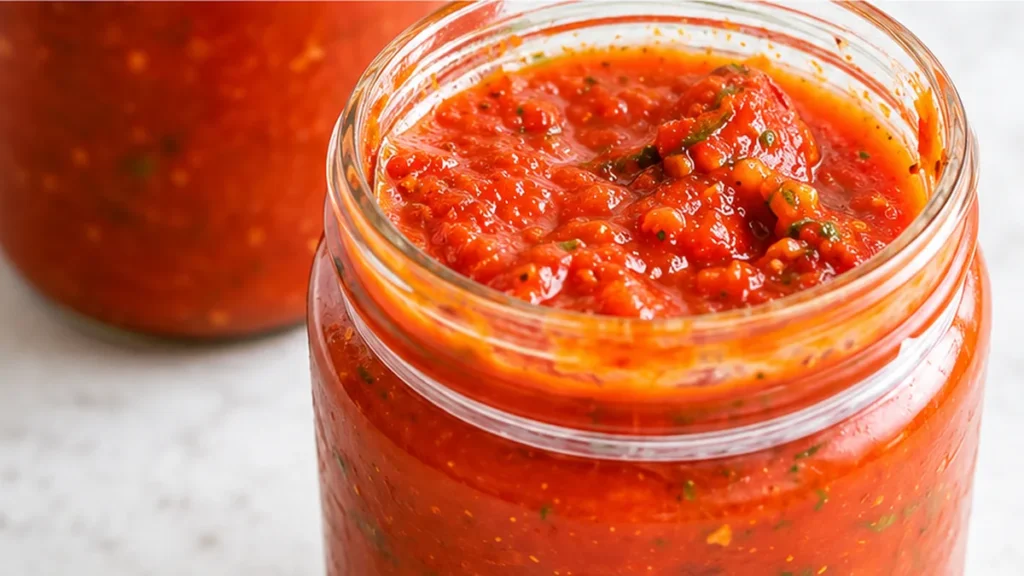
This easiest tomato basil marinara recipe is simple and quick to prepare. Using fresh tomatoes and basil, it creates a flavorful sauce for your pasta.
Key takeaways
- Fresh ingredients enhance flavor and aroma in marinara sauce.
- Avoid overcooking to prevent bitterness and maintain flavor balance.
- Texture can be adjusted by pureeing tomatoes or crushing them by hand.
- Ingredient swaps can affect the final taste; choose wisely for best results.
Easiest Tomato Basil Marinara
Ingredients
- 3 tablespoons olive oil
- ¼ teaspoon red pepper flakes
- 3 cloves garlic, minced
- 28 oz crushed tomatoes
- 20 basil leaves, torn
- ¼ cup fresh parsley, chopped
- 1 teaspoon salt
- ½ teaspoon black pepper
Instructions
- In a large saucepan, heat olive oil over medium-low heat.
- Add red pepper flakes and minced garlic, cooking until garlic sizzles gently, about 3-5 minutes.
- Stir in crushed tomatoes, increase heat to medium, and bring to a simmer.
- Add torn basil leaves, chopped parsley, salt, and black pepper.
- Reduce heat to a gentle simmer, cover, and let cook for at least 15 minutes.
Understanding the Role of Fresh Ingredients in Marinara Sauce
The quality of the ingredients you choose significantly impacts the flavor of your easiest tomato basil marinara. Fresh tomatoes are ideal, as they provide a natural sweetness and acidity that canned tomatoes may lack. Aim for ripe, in-season tomatoes for the best results, as they contain higher levels of sugar and less water, enhancing the sauce’s overall flavor profile. Additionally, using fresh basil rather than dried can elevate the dish, imparting a vibrant aroma and taste that is unmistakably fresh. When selecting basil, look for bright green leaves with no signs of wilting or browning.
Common Pitfalls in Cooking Marinara and How to Avoid Them
One frequent mistake is overcooking the sauce, which can lead to a bitter flavor. To prevent this, simmer the sauce just long enough to allow the flavors to meld—around 20 to 30 minutes is usually sufficient. Another common issue is insufficient seasoning; always taste and adjust salt and pepper levels towards the end of cooking to ensure a balanced flavor. Additionally, avoid adding too much water, which can dilute the sauce. If the sauce seems too thick, add a splash of pasta cooking water instead of plain water to enhance the flavor while achieving the desired consistency.
Essential Techniques for Achieving the Perfect Texture
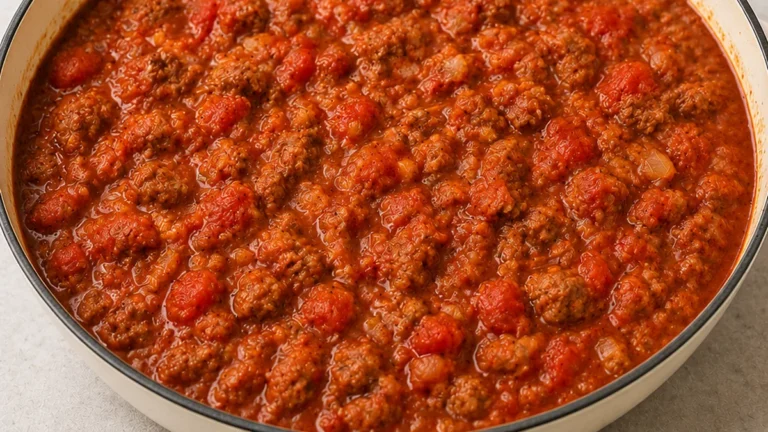
The texture of your marinara is crucial for a successful dish. To achieve a smooth sauce, consider pureeing the tomatoes briefly before cooking. This helps break down the fibers and creates a more cohesive texture. If you prefer a chunkier sauce, simply crush the tomatoes by hand. When sautéing garlic and onions, ensure they are cooked until translucent but not browned, as burnt garlic can impart a bitter taste. The key is to develop a balance between the sweetness of the tomatoes and the aromatic qualities of the aromatics without overshadowing the dish.
Ingredient Swaps and Their Effects on Flavor
Substituting ingredients can lead to varied results in your marinara. For instance, if you lack fresh tomatoes, you can use high-quality canned San Marzano tomatoes, which are known for their sweetness and low acidity. However, remember that the flavor profile will differ slightly, as canned tomatoes are often more concentrated. Additionally, if fresh basil is unavailable, you might use dried basil, but reduce the quantity by about one-third, as dried herbs are more potent. Finally, if you want to add a spicy kick, consider swapping some of the fresh basil for a pinch of red pepper flakes; this will introduce a warm heat without overpowering the sauce.
How to Make Easiest Tomato Basil Marinara Ahead of Time
Preparing marinara sauce in advance can save time and enhance flavors. To make your easiest tomato basil marinara ahead of time, cook the sauce according to the recipe, then allow it to cool completely. Store it in an airtight container in the refrigerator for up to a week or freeze it for up to three months. When reheating, gently warm it on the stove over low heat, stirring frequently to maintain the sauce’s texture and prevent sticking. This method not only preserves the freshness of the basil but also allows the flavors to meld beautifully over time.
Scaling the Easiest Tomato Basil Marinara for Large Gatherings
If you’re hosting a gathering or need to prepare a larger batch of marinara, scaling the recipe is straightforward. Simply multiply the ingredient quantities by the number of servings you require. When increasing the batch size, consider using a larger pot to allow for even cooking. Keep in mind that cooking time may vary slightly with larger quantities; monitor the sauce closely to avoid burning. Additionally, taste and adjust seasoning as needed, as larger batches can sometimes dilute flavor intensity.
Understanding Equipment Differences When Making Marinara
The type of equipment you use can significantly impact the outcome of your easiest tomato basil marinara. A heavy-bottomed pot or Dutch oven is ideal, as it provides even heat distribution, reducing the risk of scorching. If you opt for a non-stick pan, be cautious with high heat to avoid damaging the coating. A food processor can be helpful for chopping ingredients quickly, but be careful not to over-process the tomatoes, as a chunky texture is desirable in marinara. Using an immersion blender can also help achieve the perfect consistency without transferring the sauce to a blender.
Pairing and Serving Suggestions for Easiest Tomato Basil Marinara
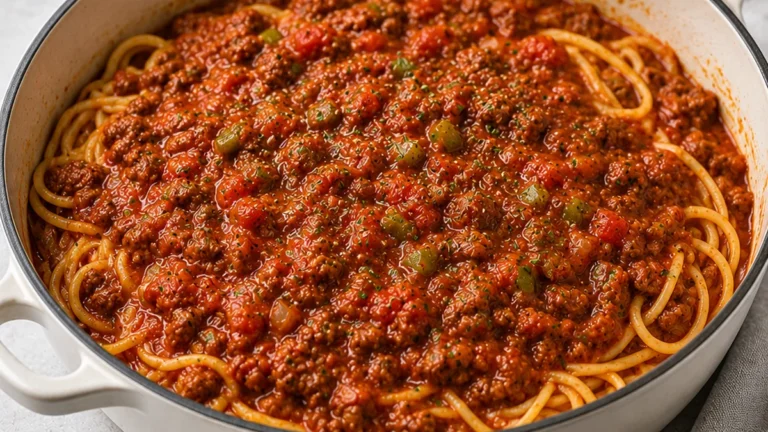
Serving your easiest tomato basil marinara can be as versatile as the sauce itself. It pairs beautifully with various dishes, from classic spaghetti to grilled vegetables. Consider serving it over roasted eggplant or zucchini for a lighter option. For a heartier meal, pair it with meatballs or use it as a base for a lasagna. Garnishing with freshly grated Parmesan cheese and a sprinkle of additional basil can elevate the presentation and flavor profile. Additionally, serving with crusty bread for dipping can make for a delightful appetizer or side dish.
Understanding the Impact of Tomato Quality on Flavor
The flavor of your easiest tomato basil marinara is significantly influenced by the quality of the tomatoes you choose. Fresh, ripe tomatoes are ideal, as they offer natural sweetness and acidity that enhance the sauce. When selecting tomatoes, look for varieties like San Marzano or Roma, which are known for their rich flavor and low moisture content. If using canned tomatoes, opt for whole peeled tomatoes packed in juice rather than puree, as they retain more of their natural flavor. The ideal temperature for cooking tomatoes is around 90-95°C (194-203°F), allowing them to break down and release their juices without burning. This temperature helps to achieve a balanced sauce, where the acidity of the tomatoes is complemented by the sweetness of the basil.
Scaling the Recipe for Larger Gatherings
When scaling the easiest tomato basil marinara for larger gatherings, it’s essential to maintain the balance of flavors. A common mistake is to simply multiply the ingredients without considering the cooking process. For every additional liter of sauce, increase the tomatoes, basil, and garlic proportionally, while adjusting the olive oil and salt to taste. When cooking in larger batches, use a wider pot to ensure even heat distribution. This prevents the sauce from simmering unevenly, which can lead to scorching. For optimal results, keep the cooking temperature at a steady simmer, around 85°C (185°F), and extend the cooking time slightly to allow the flavors to meld properly.
Choosing the Right Equipment for Marinara Success
The equipment you use can greatly affect the outcome of your easiest tomato basil marinara. A heavy-bottomed pot or Dutch oven is recommended as it distributes heat evenly, preventing hot spots that can scorch the sauce. A wooden spoon is ideal for stirring, as it allows you to scrape the bottom of the pot without scratching it. If you prefer a smoother sauce, consider using an immersion blender or transferring the sauce to a countertop blender. However, be cautious with hot liquids, as they can splatter. For those who enjoy a chunkier texture, simply mash the tomatoes with a potato masher instead. The right tools not only streamline the cooking process but also enhance the final flavor and texture of the marinara.
How to Properly Store Easiest Tomato Basil Marinara for Maximum Freshness
Storing marinara sauce correctly is crucial to maintaining its flavor and texture. After cooking, let the sauce cool to room temperature before transferring it to airtight containers. Marinara can be stored in the refrigerator for up to 5 days. For longer storage, consider freezing the sauce. Use freezer-safe containers or heavy-duty freezer bags to prevent freezer burn. When freezing, leave some space at the top of the container to allow for expansion as the sauce freezes. Marinara can be frozen for up to 3 months. To reheat, thaw overnight in the refrigerator and warm gently on the stovetop, stirring occasionally to restore its smooth consistency.
Choosing the Right Tomatoes for Easiest Tomato Basil Marinara
The type of tomatoes used can significantly influence the flavor of your marinara sauce. Fresh, ripe tomatoes are ideal, but canned tomatoes can also yield excellent results, especially when fresh tomatoes are out of season. San Marzano tomatoes are often recommended for their sweetness and low acidity, making them a favorite among chefs. When using fresh tomatoes, opt for varieties like Roma or plum tomatoes, which have fewer seeds and thicker flesh. For canned options, look for those packed in juice rather than puree for a more robust flavor. Always check for quality, as the taste of the tomatoes will be the foundation of your marinara sauce.
Pro tips
Pro tip: Best served immediately while hot!
Frequently asked questions
Can I use canned tomatoes instead of fresh?
Yes, high-quality canned tomatoes, particularly San Marzano, can be an excellent substitute for fresh tomatoes. They offer a concentrated flavor and sweetness, making them a suitable option when fresh tomatoes are not available.
How long should I simmer the sauce?
Simmer the sauce for about 20 to 30 minutes. This duration allows the flavors to meld without overcooking, which can lead to bitterness.
What can I do if my sauce is too thick?
If your marinara sauce is too thick, add a splash of pasta cooking water to thin it out. This not only adjusts the consistency but also enhances the flavor of the sauce.
Is it necessary to use fresh basil?
While fresh basil is recommended for its vibrant flavor and aroma, you can use dried basil in a pinch. Just remember to reduce the amount, as dried herbs are more concentrated in flavor.
More from Italian & Pasta Sauces →