This lemon yogurt sauce is an essential recipe for anyone looking to add a burst of fresh, tangy flavor to their meals. It’s incredibly versatile, transforming simple ingredients into a bright, creamy condiment. Preparing a good lemon yogurt sauce can improve everything from grilled chicken to roasted vegetables, making everyday meals feel special. I find that allowing the flavors to meld for a bit really deepens the complexity, making it truly irresistible.
Key takeaways
- The key to a smooth lemon yogurt sauce is proper emulsification of the olive oil into the yogurt base through slow addition and vigorous whisking.
- Adjusting the consistency can be done with small amounts of additional olive oil or water, while tasting is essential for balancing flavors.
- Troubleshooting common issues like thickness, separation, or blandness involves careful re-emulsification or seasoning adjustments.
- Substitutions for yogurt, lemon juice, olive oil, and garlic are possible, each altering the final flavor and texture of the sauce.
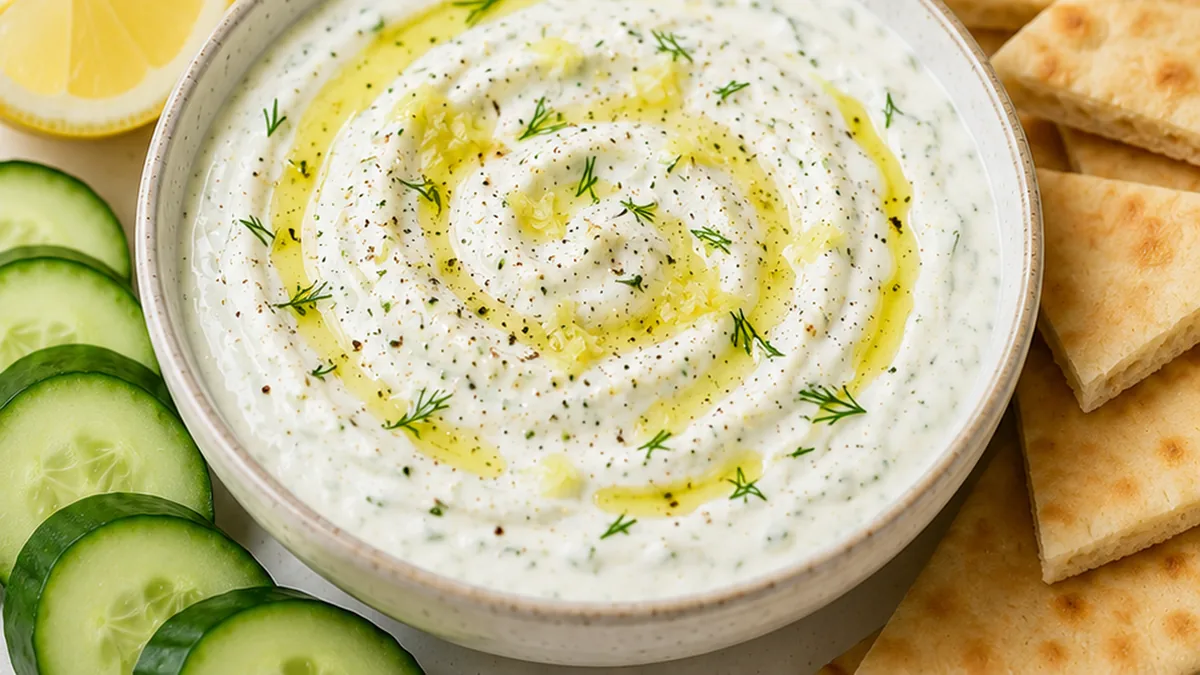
Zesty Lemon Yogurt Sauce: Your New Favorite Dip!
Ingredients
Method
- In a medium bowl, combine the 1 cup plain yogurt, 1/4 tsp finely grated garlic, 1 tbsp lemon juice, 1 tbsp extra-virgin olive oil, 1/4 tsp cooking salt, and a pinch of black or white pepper. Stir well until all ingredients are thoroughly combined.
- Cover the bowl and refrigerate for at least 20 minutes to allow the flavors to meld and deepen.
- Before serving, check the consistency. If a thinner sauce is desired for drizzling, gradually add water or additional olive oil, one teaspoon at a time, stirring after each addition until the desired consistency is reached.
- Taste the thinned sauce and adjust seasoning with more salt if necessary. Serve immediately as a dip, drizzle over salads, or spread in wraps.
Notes
The technique that makes it
The success of this simple lemon yogurt sauce hinges on the emulsification of the olive oil into the yogurt base. When you whisk the olive oil into the yogurt, you are creating a temporary emulsion. The lecithin in the egg yolks (if using a commercial yogurt with additives) or the proteins in the yogurt itself act as emulsifiers, helping to bind the oil and water-based components. Adding the olive oil slowly while whisking vigorously is key to achieving a smooth, cohesive sauce rather than an oily, separated one. The acidity from the lemon juice also plays a role; it helps to stabilize the emulsion and adds brightness that cuts through the richness of the yogurt and olive oil.
The garlic, whether fresh or from a paste, should be finely minced or grated to ensure its flavor is evenly distributed and its texture is unobtrusive. Overpowering chunks of garlic can detract from the delicate balance of the sauce. Similarly, the salt and pepper should be incorporated thoroughly. Salt not only enhances flavor but also affects the texture of the yogurt, making it slightly more fluid. Tasting and adjusting seasoning at the end is crucial, as the intensity of lemon juice and salt can vary.
Troubleshooting
- Problem: Sauce is too thick. Fix: Slowly whisk in additional extra-virgin olive oil, 1 teaspoon at a time, until desired consistency is reached. Alternatively, add a teaspoon of water. Be cautious not to add too much liquid at once.
- Problem: Sauce is too thin or separated. Fix: If the separation is minor, try whisking vigorously again. If it persists, you may need to start with a fresh base of yogurt and slowly incorporate the separated mixture, whisking constantly. Adding a little more salt can sometimes help re-emulsify.
- Problem: Garlic flavor is too strong or uneven. Fix: Ensure the garlic is very finely minced or grated. For a milder flavor, you can lightly sauté the garlic in a tiny bit of olive oil before adding it to the yogurt, then let it cool completely.
- Problem: Sauce tastes bland. Fix: Increase the salt and/or lemon juice incrementally, whisking well after each addition. A pinch more pepper can also enhance the overall flavor profile.
Substitutions
- Yogurt: While Greek-style yogurt offers a thicker, richer base, regular plain yogurt or even skyr can be used. The consistency will be thinner, so you may need less liquid to thin it.
- Lemon Juice: For a different tang, you can substitute half the lemon juice with apple cider vinegar, white wine vinegar, or rice vinegar. The flavor profile will shift from bright citrus to a more pronounced vinegary note.
- Olive Oil: A neutral oil like avocado oil or grapeseed oil can be used if you prefer a less pronounced olive oil flavor. The texture will remain similar, but the aromatic qualities will change.
- Garlic: For a milder garlic presence or convenience, use 1/4 teaspoon of garlic powder instead of fresh. Add it with the salt and pepper and whisk thoroughly.
Pro tips
- For the best texture and flavor, use full-fat plain yogurt. Greek yogurt will result in a thicker sauce, which is excellent for dips.
- If the sauce seems too thick, thin it with a touch of water or extra olive oil, adding gradually until your desired consistency is reached. When I first tried to thin it, I added too much water at once, making it runny; now I go slowly, teaspoon by teaspoon.
- Store any leftover lemon yogurt sauce in an airtight container in the refrigerator for up to 3-4 days.
This lemon yogurt sauce is a simple yet powerful addition to your culinary repertoire. Experiment with it on different dishes and savor the fresh, bright taste!
More from Dips, Spreads & Copycat →
Frequently asked questions
Can I make this sauce ahead of time?
Yes, this lemon yogurt sauce can be made a few hours ahead. Store it in an airtight container in the refrigerator. The flavors will meld nicely. You may need to give it a good stir or whisk before serving, as it can thicken slightly upon chilling.
What can I use this lemon yogurt sauce for?
This versatile sauce is excellent as a dip for vegetables, pita bread, or falafel. It’s also a fantastic topping for grilled chicken, fish, or roasted vegetables, adding a refreshing zest and creamy texture to any dish.
How long will the sauce last in the refrigerator?
Properly stored in an airtight container in the refrigerator, the sauce should last for 3 to 4 days. Always check for any signs of spoilage, such as off-odors or mold, before consuming.
Can I use low-fat yogurt instead of full-fat?
You can use low-fat or non-fat plain yogurt, but the sauce will be thinner and less rich. You might need to adjust the amount of olive oil or omit it entirely if the sauce is too runny. The flavor will also be less decadent.