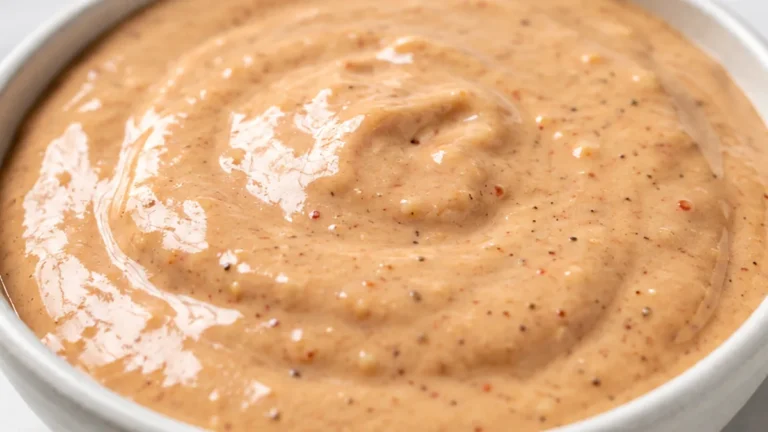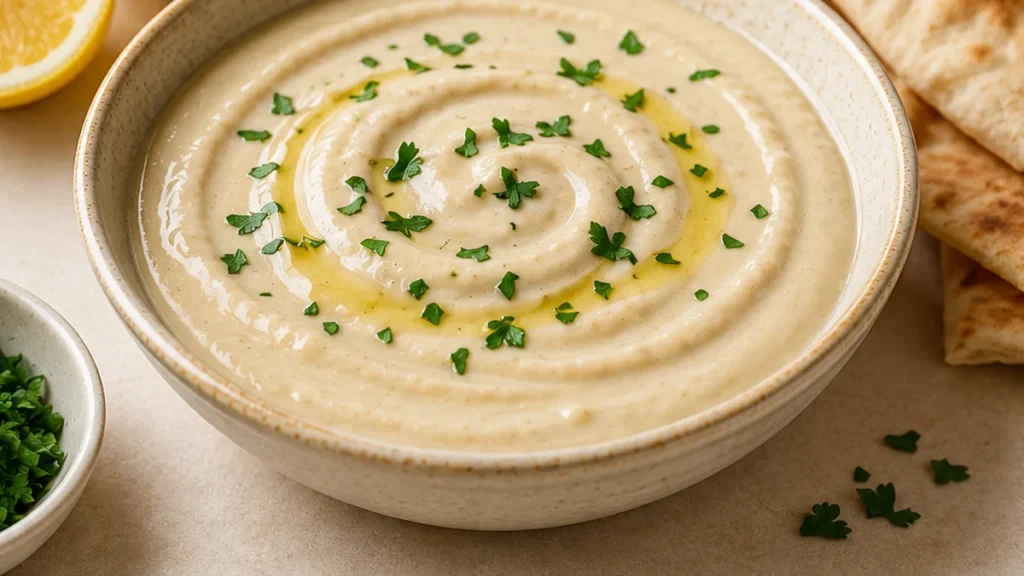
This tahini sauce recipe is your ultimate guide to creating a staple Middle Eastern condiment that is both incredibly versatile and bursting with flavor. With just a few simple ingredients, you can transform ordinary dishes into something extraordinary. I remember the first time I made my own tahini sauce; I was surprised at how easy it was to achieve such a creamy, rich texture right in my kitchen. Learning to balance the lemon and garlic in this tahini sauce is key, and once you master it, you’ll find yourself drizzling it over everything from roasted vegetables to grilled meats. It’s a real upgrade for weeknight meals and a fantastic addition to any mezze platter, bringing an authentic taste of the Levant to your table.
Key takeaways
- The key to creamy tahini sauce is gradual liquid addition for proper emulsification.
- Start with less liquid than you think you need and whisk vigorously.
- Adjust consistency by adding water for thickness or more tahini for thinness.
- Fresh, good-quality tahini is crucial for optimal flavor.
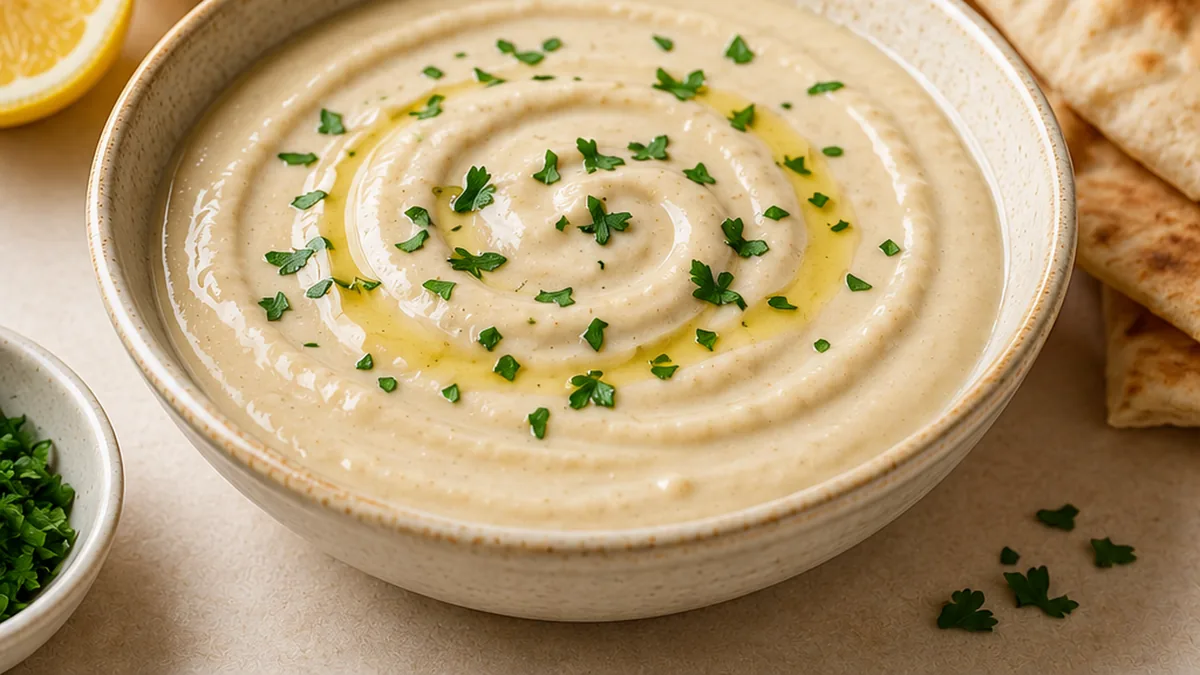
Creamy Tahini Sauce: Your Flavor Secret!
Ingredients
Method
- Mix tahini, water, lemon juice, pressed garlic, salt, and white pepper in a bowl until thoroughly combined.
- If using, add the optional honey and mix well. The sauce should be loose enough to drizzle but not overly runny.
- Set the sauce aside for 15 minutes to allow the flavors to meld and develop fully.
- Use as a sauce for Middle Eastern cooked proteins like Chicken Shawarma, Lamb Shawarma, koftas, and meatballs, or in wraps and sandwiches.
- Drizzle over roasted vegetables such as carrots, cauliflower, broccoli, pumpkin, green beans, and asparagus.
- Serve as a dip with pita bread, crisps, raw vegetable sticks, or Arayes (crispy Lebanese Meat Stuffed Pita Breads).
Notes
The technique that makes it
The key to a truly exceptional tahini sauce lies in understanding how tahini, sesame paste, emulsifies. Tahini is essentially ground sesame seeds, and its consistency can vary greatly depending on the grind and the oil content. The goal is to create a smooth, creamy, and pourable sauce, not a thick, pasty one. This is achieved through a careful, gradual addition of liquid, typically water and lemon juice. The acid from the lemon juice plays a crucial role in breaking down the tahini and helping it to emulsify. Start with a smaller amount of liquid, whisking vigorously. You’ll notice the tahini initially seize up and become very thick. This is normal. As you continue to add liquid slowly, the mixture will transform from a paste into a smooth, creamy emulsion. The order of ingredients matters: combining the tahini, lemon juice, and garlic first allows the acid to begin its work before introducing the water. The salt enhances the flavor, and white pepper provides a subtle bite without introducing visible flecks. The optional honey balances the bitterness of the tahini and the tang of the lemon, adding a touch of sweetness that makes the sauce more versatile. Toasting the nuts beforehand is essential to unlock their aromatic oils and add a complementary nutty crunch, elevating the sauce from a simple condiment to a more complex flavor experience.
Troubleshooting
- Failure: Sauce is too thick or pasty.
Fix: Gradually whisk in more water, one teaspoon at a time, until the desired pourable consistency is reached. Ensure you are whisking continuously. - Failure: Sauce is too thin or watery.
Fix: This is harder to correct, but you can try whisking in a little more tahini, a teaspoon at a time, to thicken it. Alternatively, let it sit for 10-15 minutes; some of the liquid may absorb back into the tahini. - Failure: Sauce tastes bitter or acrid.
Fix: Ensure your tahini is fresh and of good quality. If it’s still bitter, balance it with a touch more lemon juice or a tiny bit of sweetener (honey or maple syrup). - Failure: Sauce separates after standing.
Fix: This is a natural tendency for emulsions. Simply whisk vigorously before serving to recombine the ingredients.
Substitutions
- Tahini: While tahini is the star, you could experiment with other nut or seed butters for a different flavor profile. Almond butter or sunflower seed butter will yield a creamier, less traditional sauce. The flavor will be significantly altered.
- Lemon Juice: Lime juice can be used as a substitute for lemon juice, offering a slightly different citrus tang. White wine vinegar or apple cider vinegar can also work in a pinch, but will result in a sharper, less nuanced flavor.
- Garlic: For a milder garlic flavor, use garlic powder (about 1/8 tsp) or omit it entirely. A very small amount of finely minced fresh garlic can also be used, but it may not incorporate as smoothly.
- Honey: Maple syrup or agave nectar can be used as vegan alternatives to honey for sweetness. If you prefer a purely savory sauce, simply omit the sweetener.
Pro tips
- For the creamiest tahini sauce, use a high-quality hulled tahini; I’ve found that cheaper brands can sometimes result in a gritty texture.
- Adjust the water gradually, a tablespoon at a time, until you reach your desired drizzly consistency. Too much water too quickly can make it too thin.
- If you prefer a nuttier flavor, lightly toast the tahini in a dry skillet for a minute or two before mixing, but be careful not to burn it.
- Store any leftover tahini sauce in an airtight container in the refrigerator for up to 5 days. It may thicken slightly, so add a splash of water when reheating or serving.
This creamy tahini sauce is a must-have in your culinary repertoire. Experiment with different spices like cumin or a pinch of sumac to customize it to your taste. Enjoy creating delicious, bright meals with this simple yet profound condiment!
More from Dips, Spreads & Copycat →
Frequently asked questions
Why does my tahini sauce seize up at first?
Tahini is an emulsion of sesame solids and oil. When you add acidic liquids like lemon juice, it can initially cause the proteins in the tahini to tighten, making it seem thicker or pasty. This is a normal part of the emulsification process and will resolve as you continue to add liquid and whisk.
How can I make my tahini sauce smoother?
Ensure you are using a good quality, finely ground tahini. Whisk vigorously and add your liquids very gradually. Using a garlic press or microplane for the garlic helps it incorporate seamlessly. For an ultra-smooth texture, you can also blend the sauce in a small food processor or blender.
How long does tahini sauce last?
Properly stored in an airtight container in the refrigerator, homemade tahini sauce will typically last for 5-7 days. The flavor may slightly change over time, but it remains safe to consume within this period.
Can I make this tahini sauce ahead of time?
Yes, you can absolutely make this tahini sauce ahead of time. It’s often best after it has had a chance to rest for at least 30 minutes in the refrigerator, allowing the flavors to meld. Just be sure to whisk it well before serving if any separation has occurred.