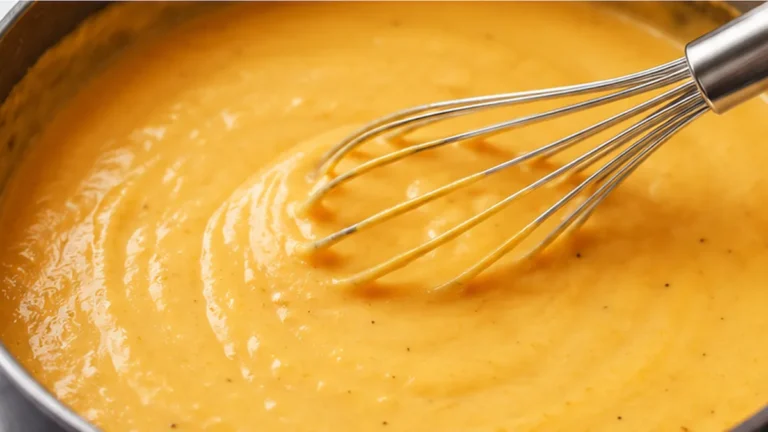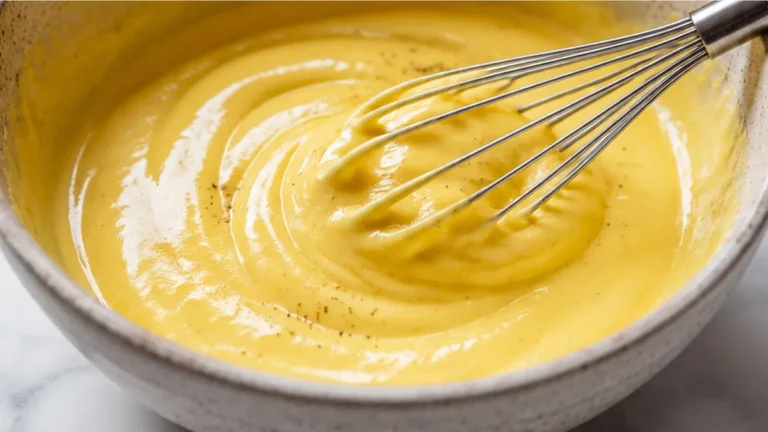
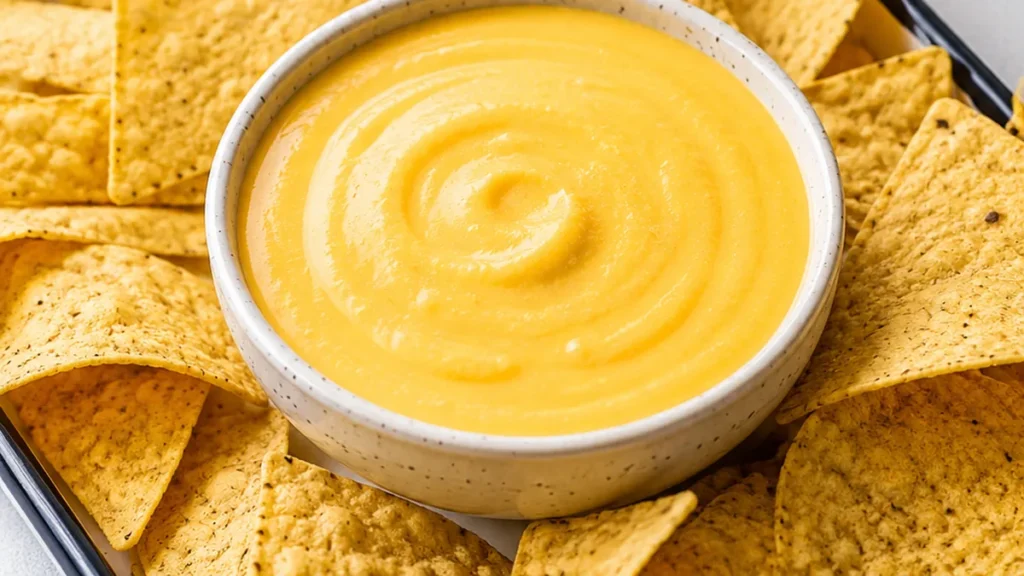
This recipe features nacho cheese sauce with cornstarch for a creamy consistency. It’s simple to prepare and ideal for nachos or as a dip.
Key takeaways
- Cornstarch is essential for thickening and achieving the right texture.
- Control the heat to prevent graininess and separation in the sauce.
- Choose cheeses wisely for flavor and melting properties.
- Incorporate ingredients in the correct order for optimal creaminess.
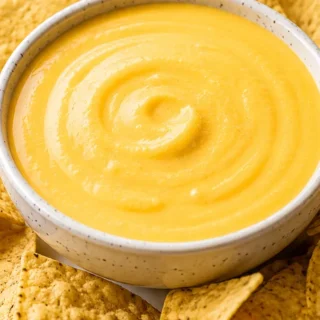
ULTIMATE Nacho Cheese Sauce
Ingredients
- 8 ounces extra sharp cheddar cheese (freshly grated)
- 4 ounces Monterey Jack cheese (freshly grated)
- 1 1/2 tablespoons cornstarch
- 12 ounces evaporated milk
- 2 teaspoons hot sauce (i.e. Frank’s Red Hot Sauce)
- 1 teaspoon garlic powder
Instructions
- In a medium saucepan over low heat, combine the cheddar cheese, Monterey Jack cheese, and cornstarch. Toss gently until the cornstarch evenly coats the cheese.
- Gradually add the evaporated milk and hot sauce to the saucepan. Stir consistently over low heat until all the cheese is melted and the mixture is smooth.
- Continue to stir until the sauce begins to bubble and thicken to your desired consistency, about 5 minutes.
- If the cheese sauce has thickened too much, stir in a splash more evaporated milk until you achieve a perfectly dippable consistency.
- Serve immediately while hot and creamy with tortilla chips or your favorite dippers.
Understanding the Role of Cornstarch in Nacho Cheese Sauce
Cornstarch serves as a crucial thickening agent in nacho cheese sauce. When heated, cornstarch granules absorb moisture and swell, creating a smooth, creamy texture. This process typically occurs around 60-70°C (140-158°F). The proper ratio of cornstarch to liquid is vital; generally, a 1:2 ratio of cornstarch to liquid yields a sauce that is thick yet pourable. If the sauce is too thick, adding more liquid gradually can help achieve the desired consistency.
Common Texture Issues and Their Solutions
One common problem with nacho cheese sauce is a grainy texture, often caused by overheating the cheese or not fully incorporating the cornstarch. To fix this, ensure that the cheese is melted over low heat and that the cornstarch is mixed with a small amount of cold water before adding it to the sauce. Another issue is separation, which can occur if the sauce cools too much. To remedy this, gently reheat the sauce while stirring continuously until it returns to a smooth consistency.
Ingredient Choices and Their Impact on Flavor
The choice of cheese significantly affects the flavor profile of your nacho cheese sauce. Cheddar is a popular option due to its sharpness, but alternatives like Monterey Jack or Pepper Jack can introduce different flavor notes. When using different cheeses, consider their melting properties; for instance, mozzarella may create a stretchier consistency but lacks the robust flavor of cheddar. Additionally, incorporating spices such as paprika or cayenne can enhance the overall taste without overpowering the cheese.
Techniques for Achieving Perfect Creaminess
To achieve a perfectly creamy nacho cheese sauce, it’s essential to control the heat and incorporate ingredients in the correct order. Start by creating a roux with butter and cornstarch, then gradually whisk in milk or cream. This method helps prevent lumps and ensures a silky texture. Maintaining a low heat throughout the cooking process prevents the cheese from becoming rubbery. If you notice the sauce thickening too quickly, reduce the heat and add a splash of milk to loosen it up.
How to Properly Store and Reheat Nacho Cheese Sauce
Storing nacho cheese sauce correctly is crucial to maintaining its flavor and texture. Allow the sauce to cool completely before transferring it to an airtight container. It can be refrigerated for up to five days. When reheating, use a saucepan over low heat, stirring frequently to prevent separation. If the sauce thickens too much, add a splash of milk or water to reach the desired consistency.
Scaling the Recipe for Large Gatherings
When scaling nacho cheese sauce for larger gatherings, it is essential to maintain the correct ratios of ingredients. For every additional cup of cheese, increase the cornstarch and liquid proportionately to ensure the sauce retains its creamy texture. For example, if doubling the recipe, use twice the cheese, cornstarch, and liquid. Adjust the heat settings and cooking time as larger batches may require slightly longer to heat through evenly.
Choosing the Right Equipment for Optimal Results
The type of equipment used can significantly impact the final outcome of nacho cheese sauce. A heavy-bottomed saucepan or a double boiler is ideal for even heat distribution, reducing the risk of burning. Avoid using non-stick pans for this recipe, as they may not heat evenly. A whisk is preferable for stirring, as it helps incorporate air, creating a lighter texture. If available, an immersion blender can be used for a super-smooth finish.
Pairing Suggestions for Nacho Cheese Sauce
Nacho cheese sauce is versatile and can be paired with various dishes beyond traditional tortilla chips. Consider serving it over baked potatoes, drizzling it on nachos with chili, or using it as a dip for pretzels. For a fresh twist, pair it with sliced vegetables like bell peppers or cucumbers. Additionally, experimenting with toppings such as jalapeños, diced tomatoes, or avocado can enhance the overall flavor profile and presentation of the dish.
Understanding the Impact of Ingredient Quality on Flavor
The flavor profile of nacho cheese sauce is heavily influenced by the quality of the ingredients used. For instance, the type of cheese selected can dramatically alter the taste. Aged cheddar provides a sharp, robust flavor, while a milder cheese like Monterey Jack offers a creamier, smoother profile. Additionally, using fresh spices and high-quality dairy products can enhance the overall flavor. For the best results, consider using cheese with a fat content of at least 30% to achieve optimal creaminess and richness. Furthermore, the freshness of ingredients like jalapeños or tomatoes can add a vibrant punch that enhances the sauce’s complexity.
How to Scale Your Nacho Cheese Sauce for Any Occasion
Scaling your nacho cheese sauce recipe is straightforward but requires attention to ratios to maintain the desired consistency and flavor. When increasing the batch size, ensure that the proportions of cheese, milk, and cornstarch remain consistent. For instance, if you double the recipe, use twice the amount of each ingredient. However, keep in mind that cooking time may vary; larger batches may take longer to heat through. Additionally, consider using a larger pot or a slow cooker to manage the increased volume effectively. This ensures even heating and prevents scorching, which can ruin the sauce.
Choosing the Right Equipment for Optimal Texture
The equipment you use can significantly affect the texture of your nacho cheese sauce. A heavy-bottomed saucepan is ideal for even heat distribution, which prevents scorching. Using an immersion blender can help achieve an ultra-smooth texture, particularly if you incorporate additional ingredients like roasted peppers or spices. If you prefer a chunkier sauce, a standard whisk or spatula will suffice. Additionally, consider using a double boiler method to gently melt the cheese, ensuring it doesn’t seize or become grainy. The right tools can enhance your sauce’s final consistency, making it more enjoyable.
Serving Suggestions and Pairing Ideas for Nacho Cheese Sauce
Nacho cheese sauce is incredibly versatile and can be paired with a variety of dishes beyond traditional tortilla chips. For a unique twist, consider serving it over baked potatoes, drizzling it on steamed vegetables, or using it as a dip for pretzels. It also complements grilled meats, adding a creamy element to barbecued dishes. When serving, consider garnishing the sauce with fresh herbs, diced tomatoes, or jalapeños for added color and flavor. Pairing it with a light beer or a fruity soda can enhance the dining experience, balancing the richness of the cheese.
Understanding the Role of Temperature Control in Nacho Cheese Sauce
Temperature control is crucial when making nacho cheese sauce, particularly when using cornstarch as a thickening agent. Cornstarch begins to activate and thicken at around 60°C (140°F) and reaches its maximum thickening potential at approximately 95°C (203°F). If the sauce is heated too quickly or too high, it can result in a grainy texture as the cornstarch granules break down. Maintaining a steady heat allows for a smooth, creamy consistency. Additionally, once the sauce reaches its desired thickness, it should be kept warm but not boiling, as excessive heat can lead to separation or a tough texture.
Adjusting Flavor Profiles with Different Cheeses
The choice of cheese significantly impacts the flavor and texture of nacho cheese sauce. While cheddar is a popular choice, experimenting with other cheeses can yield unique results. For instance, using pepper jack can introduce a spicy kick, while a blend of mozzarella can enhance creaminess. When using a combination of cheeses, it’s essential to balance the moisture content; for example, pairing a drier cheese like Parmesan with a creamier cheese like Gouda can create a rich flavor without compromising texture. However, it’s important to note that not all cheeses melt equally well, so a careful selection based on melting properties is key to achieving the perfect sauce.
How to Prepare Nacho Cheese Sauce in Advance for Optimal Flavor
Making nacho cheese sauce ahead of time can enhance its flavor as the ingredients meld together during storage. To prepare in advance, follow the recipe up to the point of cooking. After cooking, allow the sauce to cool to room temperature, then transfer it to an airtight container. Store it in the refrigerator for up to three days. When ready to use, gently reheat the sauce over low heat, stirring frequently to avoid scorching. If the sauce thickens too much, add a splash of milk or water to achieve the desired consistency.
The Impact of Ingredient Quality on Nacho Cheese Sauce Performance
The quality of your ingredients plays a crucial role in the final outcome of your nacho cheese sauce. For instance, using fresh, high-quality cheese will yield a smoother and creamier sauce compared to pre-shredded varieties, which often contain anti-caking agents that can affect meltability. Similarly, the type of milk or cream used can influence richness and flavor. Whole milk will create a creamier sauce than skim milk. Pay attention to the freshness of your spices and cornstarch as well, as stale ingredients can lead to a lackluster flavor profile. Choosing ingredients with high fat content will also enhance the mouthfeel and overall satisfaction of the dish.
Pro tips
Pro tip: Best served immediately while hot!
Frequently asked questions
Can I use different types of cheese for nacho cheese sauce?
Yes, you can use various cheeses like Monterey Jack or Pepper Jack for different flavors. However, ensure they melt well to maintain a smooth consistency.
How can I prevent my nacho cheese sauce from being too thick?
If your sauce is too thick, gradually add more liquid, such as milk or cream, while stirring until you reach the desired consistency.
What should I do if my nacho cheese sauce turns grainy?
A grainy texture often results from overheating the cheese. To fix this, reheat the sauce gently and stir continuously until smooth.
Can I make nacho cheese sauce ahead of time?
Yes, you can prepare nacho cheese sauce in advance. Store it in an airtight container in the refrigerator and reheat gently on the stove, adding a splash of milk to restore creaminess.
More from Cheese, Cream & Gravy →