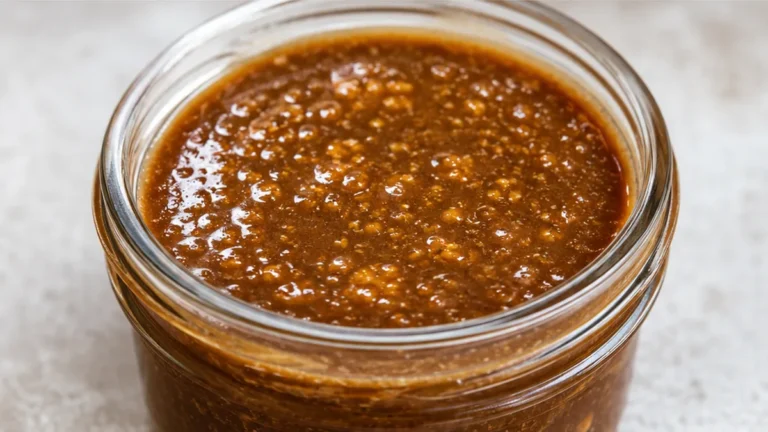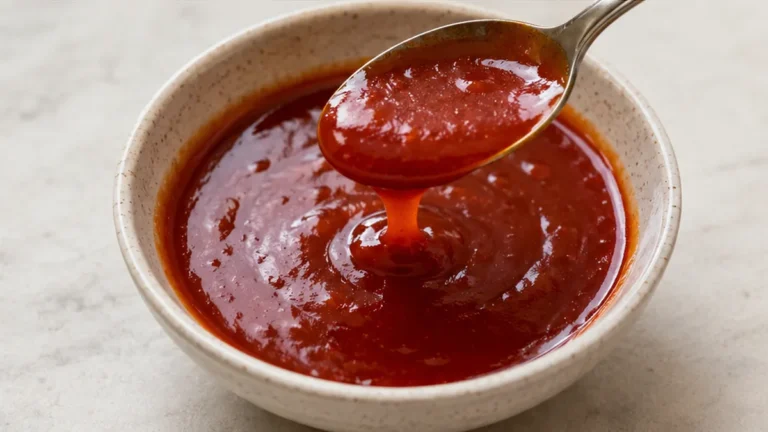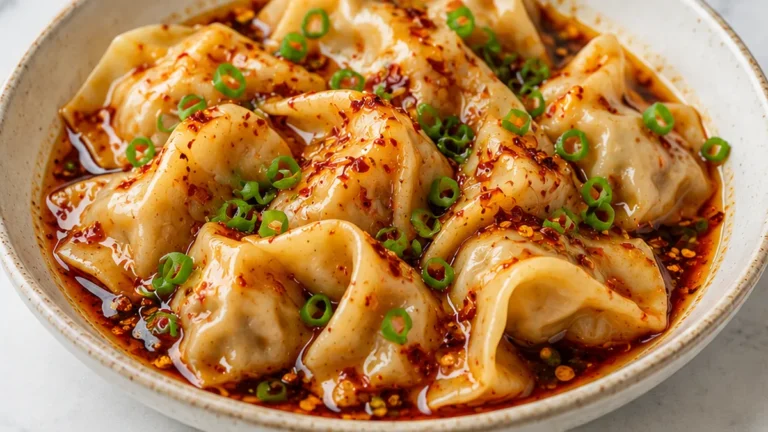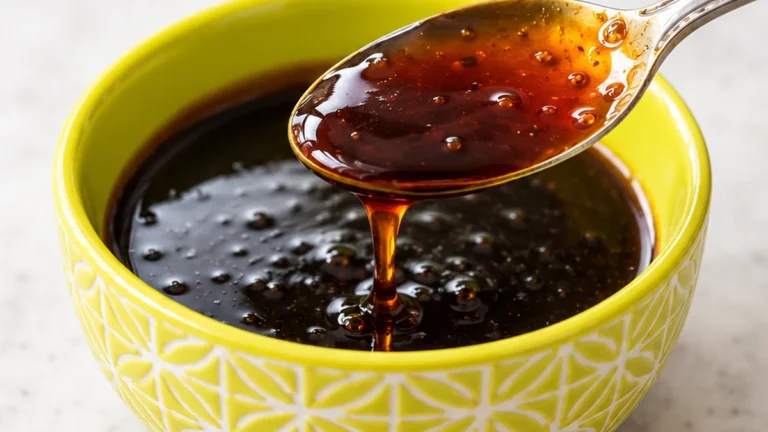
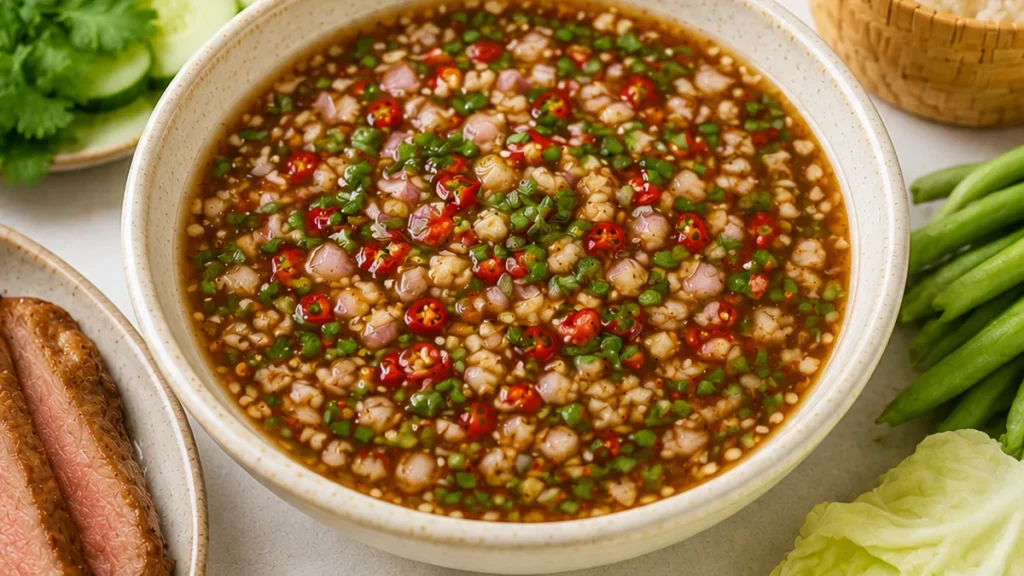
This Thai dipping sauce, known as Nam Jim Jaew, is an essential condiment in Thai cuisine, famous for its perfect balance of spicy, sour, sweet, and savory notes. It’s the ultimate flavor bomb that improves grilled meats, seafood, and even simple vegetables. Learning to create this authentic Thai dipping sauce at home opens up a world of culinary possibilities, making your dishes taste truly exceptional. This Nam Jim Jaew recipe is straightforward, ensuring a delicious result every time.
Key takeaways
- Nam Jim Jaew relies on a precise balance of sour, salty, and sweet.
- Finely mincing aromatics with a knife is crucial for releasing flavor without creating a paste.
- Adjust sweetness and sourness incrementally to achieve the desired taste profile.
- Substitutions can alter the authentic flavor; use with awareness.
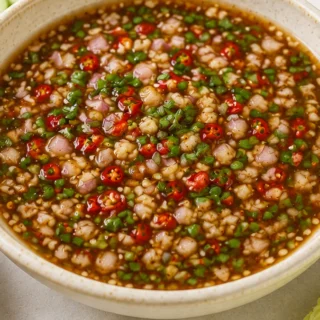
Ultimate Thai Dipping Sauce: Nam Jim Jaew
Ingredients
- 1 tbsp tamarind puree
- 2 tbsp fish sauce
- 2 tbsp lime juice
- 2 tbsp brown sugar or palm sugar (shaved)
- 1 tbsp hot water
- 1 tsp garlic, very finely minced with a knife
- 1 1/2 tbsp green onion, very finely minced with a knife
- 1 tbsp eschalots, very finely minced with a knife
- 1/2-2 tsp red Birds Eye chilli or Thai chilli, deseeded, very finely minced with a knife – OPTIONAL
Instructions
- In a medium bowl, combine the tamarind puree, fish sauce, lime juice, brown sugar, and hot water.
- Whisk vigorously for 1-2 minutes until the sugar is completely dissolved and the sauce is well combined.
- Stir in the minced garlic, green onion, eschalots, and optional Birds Eye chili.
- Cover the bowl and refrigerate for at least 30 minutes, or up to 2 hours, to allow the flavors to meld and deepen before serving.
Notes
The technique that makes it
The trick to Nam Jim Jaew, a quintessential Thai dipping sauce, lies in the harmonious balance of its core components and the precise preparation of its aromatics. The foundation is built on the interplay of sour (lime juice, tamarind), salty (fish sauce), and sweet (sugar). Achieving the correct consistency and flavor profile requires careful attention to each element. The tamarind puree provides a unique fruity sourness that differs from lime; ensure it’s smooth and free of fibers. The fish sauce adds umami and salt, acting as the primary savory backbone. Brown or palm sugar dissolves to mellow the sharp edges of the sour and salty elements, creating a rounded flavor. Crucially, the hot water is not just for dissolving the sugar; it’s to slightly ‘bloom’ the aromatics – the garlic, green onion, and eschalots. Mincing these aromatics very finely with a knife, rather than grating or using a food processor, is key. This method breaks down the cells just enough to release their essential oils and pungent flavors without pulverizing them into a paste. This textural integrity is important; you want to taste distinct, fresh notes of garlic, onion, and shallot, not a homogenous mush. The optional chili, also finely minced, adds a direct, clean heat. The ‘technique’ is therefore a combination of achieving a balanced sweet-sour-salty base and integrating freshly, finely minced aromatics that retain their distinct character.
Troubleshooting
- Problem: Sauce is too salty. Fix: Add a little more lime juice and a touch of sugar to rebalance the flavors. You can also thin it slightly with a teaspoon of water if needed, but be mindful of diluting the overall taste.
- Problem: Sauce is too sour. Fix: Gradually stir in more brown sugar or palm sugar until the desired sweetness is reached. A small splash of water can also help to dilute the intensity.
- Problem: Aromatics are overpowering or taste raw. Fix: This usually occurs from insufficient mincing or using ingredients that weren’t fresh. Ensure garlic, green onion, and eschalots are minced extremely finely. For a slightly mellower flavor, you can let the sauce sit for 15-20 minutes after mixing to allow flavors to meld, but avoid over-macerating.
- Problem: Sauce is too thick or too thin. Fix: If too thick, stir in hot water, 1 teaspoon at a time, until desired consistency. If too thin, it might be difficult to correct without altering the flavor balance. Ensure you start with the correct liquid ratios and use smooth tamarind puree.
Substitutions
- Tamarind Puree: If unavailable, you can substitute with an equal amount of lime juice for sourness, though the unique fruity undertones will be missed. Alternatively, a combination of rice vinegar and a pinch of sugar can approximate the acidity.
- Fish Sauce: For a vegetarian or vegan version, use a good quality soy sauce or tamari. Note that the umami profile will change significantly, and you may need to adjust the saltiness by adding a pinch of salt.
- Brown Sugar/Palm Sugar: Granulated white sugar can be used, but it lacks the caramel notes of brown or palm sugar, resulting in a less complex sweetness. Honey is another option, but it will introduce a distinct floral flavor.
- Eschalots: Finely minced red onion or even shallots can be used. The flavor will be slightly different, with red onion offering a sharper bite and regular shallots a milder, sweeter profile than eschalots.
Pro tips
- For the most authentic flavor, use fresh lime juice and good quality fish sauce. A cheaper fish sauce makes a noticeable difference.
- If you prefer a less spicy sauce, start with half the amount of chili and add more to taste. The heat can really build up.
- This Thai dipping sauce can be made ahead of time. Store it in an airtight container in the refrigerator for up to a week. The flavors actually deepen overnight, making it even better the next day.
Experiment with the chili level to suit your palate and enjoy this versatile Thai dipping sauce. It’s truly a real upgrade for your home cooking!
More from Asian Sauces →
Frequently asked questions
What is the purpose of hot water in this recipe?
The hot water serves two main purposes: to help dissolve the sugar completely, ensuring a smooth sweetness, and to slightly ‘bloom’ the finely minced aromatics. This process helps to release their essential oils and pungent flavors more readily into the sauce, contributing to a more integrated taste.
Can I make this Thai dipping sauce ahead of time?
Yes, Nam Jim Jaew can be made ahead. It’s often recommended to let it sit for at least 15-20 minutes for the flavors to meld. For best results, store it in an airtight container in the refrigerator for up to 3-4 days. The fresh aromatics are best enjoyed within this timeframe.
How spicy is this sauce typically?
The spiciness is highly adjustable. The recipe calls for 1/2 to 2 teaspoons of finely minced Birds Eye or Thai chili. Start with the lower amount if you are sensitive to heat. Deseeding the chilies also reduces the overall heat level significantly.
What dishes is Nam Jim Jaew best served with?
This versatile Thai dipping sauce is perfect with grilled meats (especially pork and chicken), seafood, spring rolls, and fresh vegetables. It also works wonderfully as a dressing for salads or as a flavor enhancer for rice dishes, adding a bright, zesty kick.