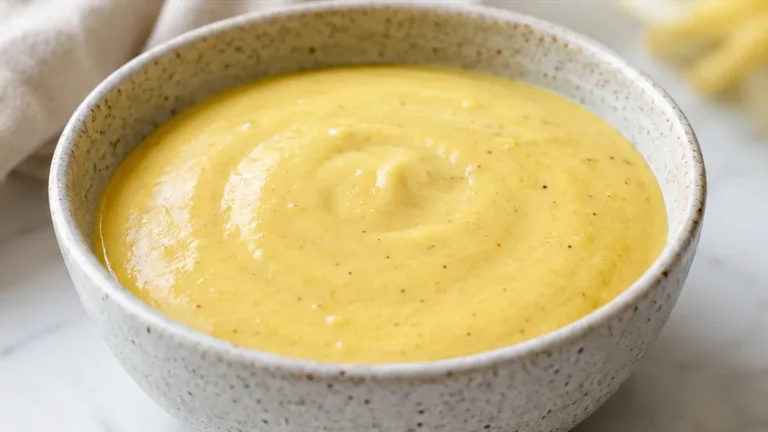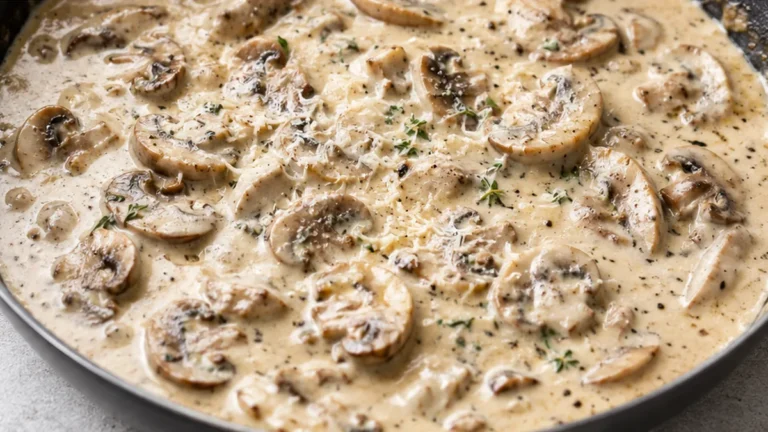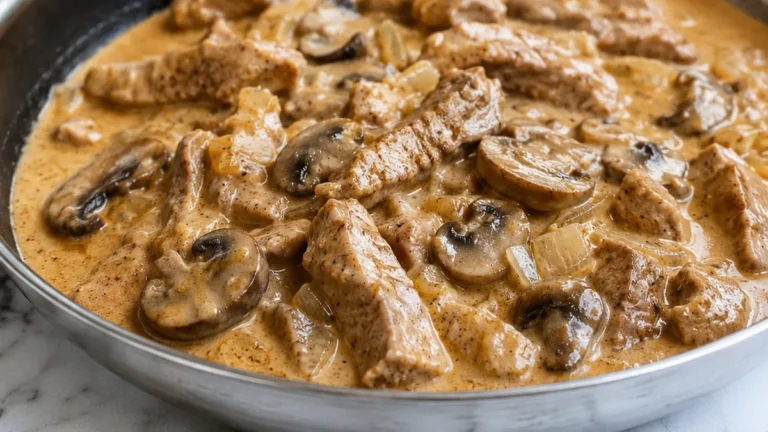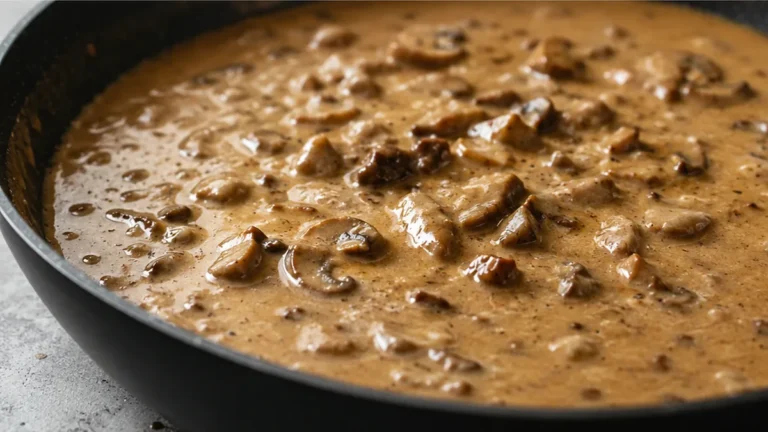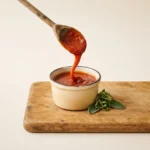
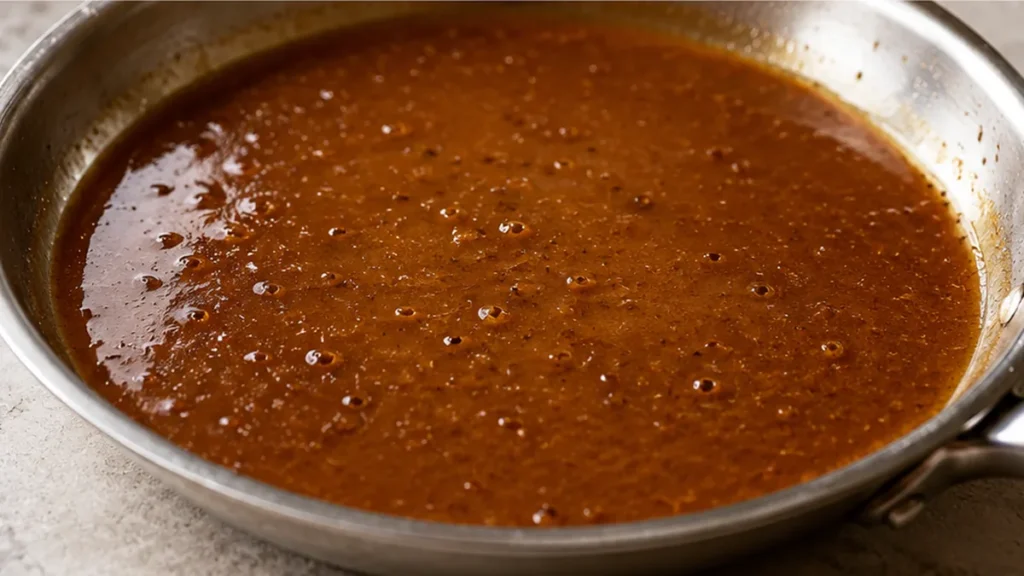
The secret to a truly exceptional meal often lies in the sauce, and a well-made vermouth jus is no exception. This rich, glossy pan sauce, built on a foundation of homemade beef stock and dry vermouth, improves simple proteins into gourmet experiences. Making a vermouth jus at home allows for depth of flavor unmatched by store-bought alternatives. This vermouth jus recipe focuses on building layers of flavor through proper reduction and deglazing, resulting in a complex yet balanced sauce. It’s the perfect accompaniment for roasted meats, seared steaks, or even pan-fried chicken.
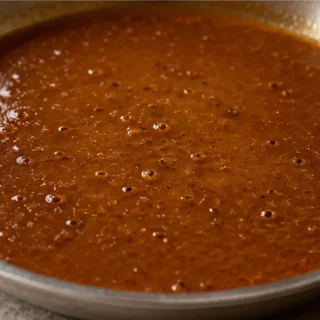
Elevate Your Meal with This Rich Vermouth Jus!
Ingredients
- 2 tbsp/ 30g unsalted butter
- 1 eschallot (aka French onion. US: shallot)
- 3 tbsp dry vermouth
- 2 cups homemade beef stock
- 2 tbsp cream
- 1/8 tsp salt (kosher/cooking)
- 1/8 tsp black pepper (finely ground)
Instructions
- Melt butter in a skillet over medium low heat. Add eschalot and cook for 4 – 5 minutes, until softened and sweet. Do not allow to colour.
- Add vermouth and turn the heat up to medium-high. Let it simmer, scraping the base of the pan to dissolve any fond (stuck caramelised bits) into the liquid, until the liquid is almost totally evaporated. The alcohol cooks out during this step.
- Add beef stock and let it simmer for 6 to 7 minutes until it reduces by 3/4 (exact time will differ depending on stove strength and pan size).
- Add cream and simmer for a further 4 minutes or until it changes from a pale cream colour to a medium brown colour.
- Season with salt and pepper, and taste to adjust.
- Strain sauce through a fine mesh strainer into a bowl. If you have much more than 100ml / 3.5 oz jus once strained, then return to pan and simmer on low for a bit longer.
Notes
Pro tips
- Deglazing is key: ensure you scrape up all the flavorful ‘fond’ from the pan after adding vermouth; these caramelized bits are essential for depth.
- Gentle simmer: maintain a consistent, gentle simmer during reduction to avoid scorching and allow the flavors to meld properly.
- Temperature control: keeping the heat medium-low when sautéing the shallots prevents them from burning and ensures their sweetness shines through, rather than becoming bitter.
- Storage: Store leftover jus in an airtight container in the refrigerator for up to 3 days. It can also be frozen for up to 2 months; thaw overnight in the fridge before gently reheating on the stovetop.
Mastering this vermouth jus will undoubtedly become a staple in your culinary repertoire. Experiment with different proteins and enjoy the sophisticated touch it brings to your dishes. Happy cooking!
More from Cheese, Cream & Gravy →