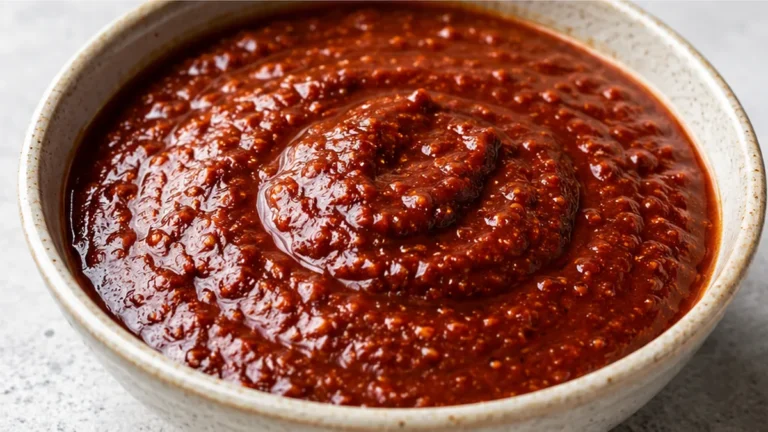
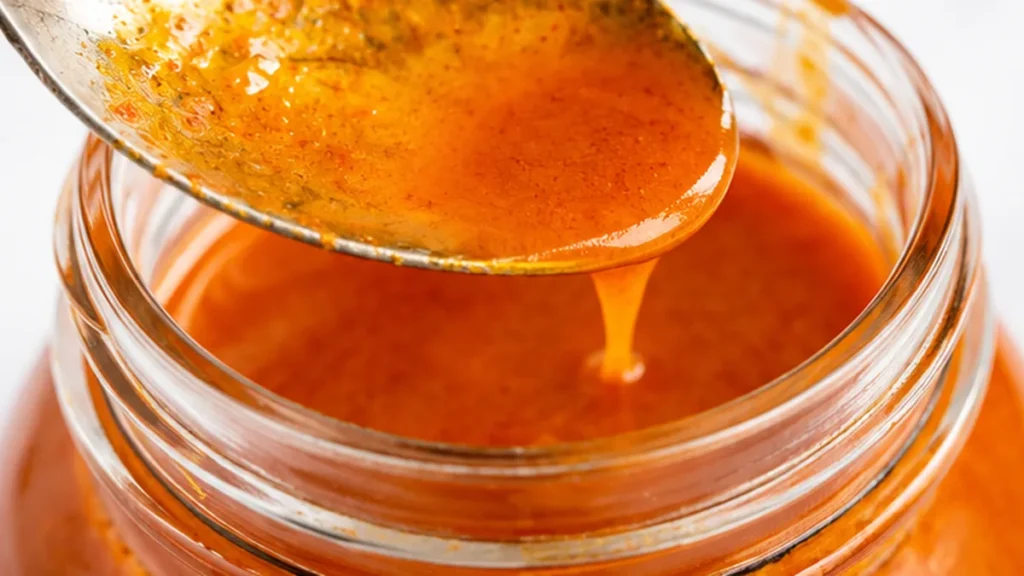
This buffalo sauce recipe you need is the solution for flavorful heat. This homemade version combines cayenne pepper with butter for a rich, tangy sauce.
Key takeaways
- Proper emulsification is key to a creamy texture.
- Adjust the ratio of hot sauce to butter for desired spice level.
- Experiment with ingredient swaps for unique flavors.
- Maintain consistent temperature to prevent separation.
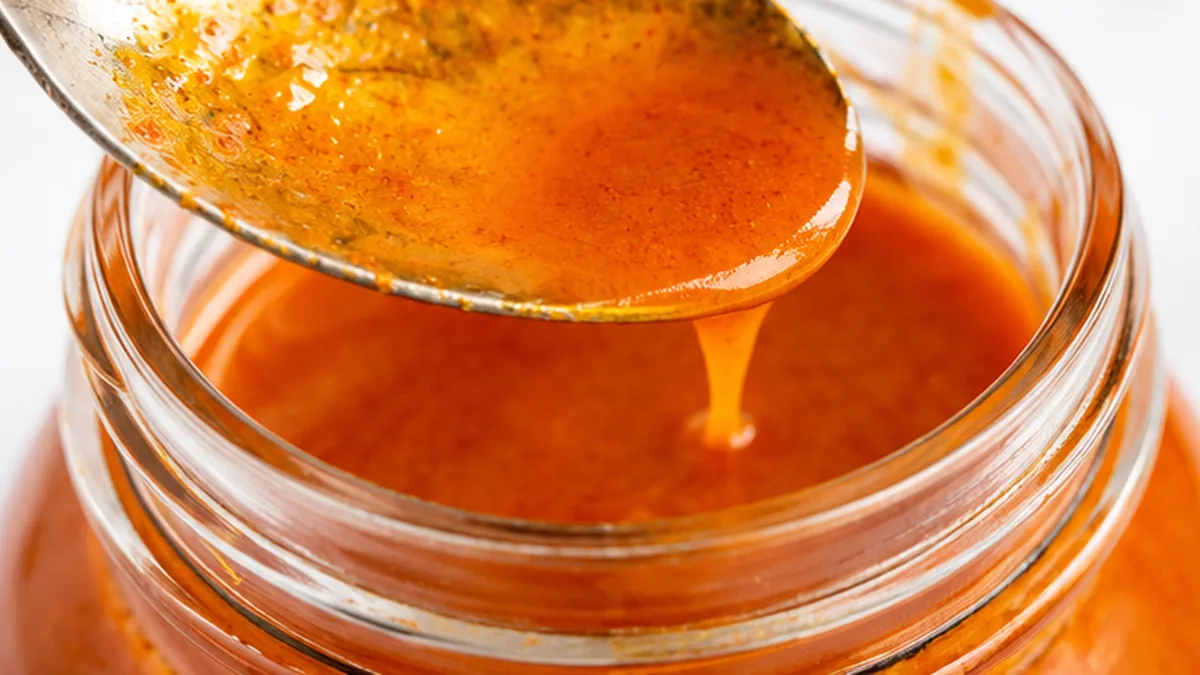
Buffalo Sauce Recipe You Need!
Ingredients
Method
- In a medium saucepan, combine hot sauce, cold butter, white vinegar, Worcestershire sauce, cayenne pepper, garlic powder, and salt.
- Place the saucepan over medium heat.
- Whisk constantly for 3-4 minutes as the mixture heats up.
- Continue whisking until the sauce comes to a gentle simmer.
- Once simmering, immediately remove the saucepan from the heat.
- Whisk for another 30 seconds to ensure the butter is fully incorporated and the sauce is smooth.
Video
Notes
Understanding the Emulsion in Buffalo Sauce
The key to a successful buffalo sauce lies in the emulsion between the hot sauce and the cold unsalted butter. Emulsification occurs when the fat from the butter combines with the liquid from the hot sauce, creating a smooth, cohesive sauce. The ideal ratio of hot sauce to butter in this recipe is approximately 1:1.33, which ensures a balanced flavor and texture. When making the sauce, it is crucial to incorporate the butter gradually into the hot sauce while whisking continuously. This process not only enhances the sauce’s creaminess but also helps maintain the right consistency.
Common Issues and Their Solutions
While making buffalo sauce is generally straightforward, several common issues can arise:
- Issue: Sauce is too thin.
- Cause: Insufficient butter or too much hot sauce. To fix this, add more butter gradually until the desired thickness is achieved.
- Issue: Sauce separates.
- Cause: Rapid temperature change or improper emulsification. To remedy this, ensure that the butter is cold and add it slowly while whisking vigorously.
- Issue: Sauce is too spicy.
- Cause: Overuse of hot sauce or cayenne pepper. To balance the heat, incorporate more butter or a bit of sugar to mellow the flavors.
Ingredient Swaps and Their Effects
Experimenting with different ingredients can yield unique flavor profiles in your buffalo sauce:
- Swap: Use ghee instead of unsalted butter.
- Result: A slightly nuttier flavor and higher smoke point, which can enhance the sauce’s depth.
- Swap: Substitute apple cider vinegar for white vinegar.
- Result: A tangier flavor profile that complements the heat of the sauce.
- Swap: Incorporate smoked paprika instead of cayenne pepper.
- Result: A smoky undertone that adds complexity to the sauce without increasing heat.
Unique Characteristics of Buffalo Sauce
Buffalo sauce is distinct from other sauces due to its unique combination of heat and richness. The use of unsalted butter not only adds a creamy texture but also helps to mellow the heat from the hot sauce, creating a well-rounded flavor. Unlike many other sauces that rely heavily on sugar or tomato, buffalo sauce’s primary flavor comes from the peppers in the hot sauce, making it a favorite for those who enjoy a spicy kick without overwhelming sweetness.
How to Properly Store Buffalo Sauce for Maximum Freshness
Buffalo sauce can be stored effectively to maintain its flavor and texture. After preparing your sauce, allow it to cool completely before transferring it to an airtight container. Proper storage in the refrigerator can extend its shelf life to about 1 to 2 weeks. For longer storage, consider freezing the sauce in ice cube trays. Once frozen, transfer the cubes to a freezer bag, allowing for easy portioning. When ready to use, thaw the desired amount in the refrigerator or microwave. Avoid reheating the sauce multiple times, as this can alter its texture and flavor.
Scaling Your Buffalo Sauce Recipe for Large Gatherings
When preparing buffalo sauce for larger gatherings, scaling the recipe is straightforward. The ratio of ingredients remains consistent, making it easy to multiply. For example, if you’re doubling the recipe, use 1 1/3 cups of hot sauce and 1 cup of butter. However, be mindful of the mixing process; larger batches may require a whisk or immersion blender for an even emulsion. Additionally, consider the heat source; larger quantities might need to be heated in a larger pot to ensure even warming without burning.
Choosing the Right Equipment for Perfect Emulsification
The equipment you use can significantly affect the emulsification of your buffalo sauce. A whisk is suitable for small batches, but for larger quantities, a blender or immersion blender is recommended to achieve a smooth consistency. When using a blender, start with the hot sauce and vinegar, then gradually incorporate the butter while blending on low speed. This method ensures a stable emulsion. If you notice separation, a quick re-blend can restore the sauce’s texture.
Seasonal Variations and Their Impact on Flavor
The quality of ingredients can vary with the seasons, impacting the flavor of your buffalo sauce. For instance, during summer, fresh, high-quality butter can enhance the richness of the sauce, while winter may require a more robust hot sauce to cut through heartier dishes. Additionally, experimenting with different hot sauces based on seasonal availability can introduce unique flavors to your buffalo sauce. Always taste your sauce and adjust the seasoning accordingly to account for these variations.
Understanding the Effects of Ingredient Quality on Flavor
The quality of ingredients significantly impacts the flavor profile of your buffalo sauce. For instance, using a high-quality hot sauce can enhance the sauce’s heat and tanginess, while fresh unsalted butter contributes to a creamier texture. When sourcing your hot sauce, look for brands that use natural ingredients without artificial preservatives. Additionally, the freshness of cayenne pepper and garlic powder can also influence the sauce’s overall taste. Fresh spices tend to have more robust flavors compared to older, stale ones. If you opt for a homemade hot sauce, the acidity and spice levels can be adjusted to your preference, allowing for a more personalized buffalo sauce experience.
Batch Scaling: Adjusting for Larger Gatherings
When scaling your buffalo sauce recipe for larger gatherings, it’s essential to maintain the same ratios of ingredients to ensure consistent flavor. For instance, if you double the recipe, use 1 1/3 cups of hot sauce and 1 cup of butter. Keeping the vinegar, Worcestershire sauce, cayenne pepper, and garlic powder in proportion is crucial for maintaining the sauce’s signature taste. Additionally, consider the mixing method; a larger batch may require a more robust mixing tool, such as a whisk or an immersion blender, to ensure proper emulsification. It’s also wise to taste and adjust seasoning as you scale up, as larger quantities may require slight tweaks to achieve the desired flavor balance.
Serving Suggestions and Pairings with Buffalo Sauce
Buffalo sauce is incredibly versatile and can be paired with a variety of dishes beyond the traditional wings. Consider using it as a dipping sauce for vegetables, drizzling it over grilled chicken or fish, or even mixing it into pasta dishes for a spicy kick. When serving buffalo sauce, consider the temperature; it can be served warm or at room temperature, depending on the dish. Additionally, pairing buffalo sauce with cooling elements like ranch or blue cheese dressing can balance its heat, making it more palatable for those sensitive to spice. Experimenting with different foods can elevate your buffalo sauce experience and introduce new flavor profiles that complement its heat.
Understanding the Impact of Ingredient Quality on Flavor
The flavor profile of your buffalo sauce is significantly influenced by the quality of the ingredients used. For instance, the hot sauce is the backbone of the recipe, and its flavor can vary widely between brands. Some hot sauces are vinegar-forward, while others might have a more pronounced pepper flavor. Choosing a high-quality hot sauce with a balanced flavor can enhance the overall taste of your buffalo sauce. Similarly, the butter should be unsalted and cold, as this helps in achieving a better emulsion and a richer mouthfeel. The vinegar, Worcestershire sauce, and spices also contribute to the complexity of flavors, so opting for fresh, high-quality ingredients will yield a more flavorful sauce.
Batch Scaling and Adjusting Ratios for Larger Gatherings
When scaling your buffalo sauce recipe for larger gatherings, it’s essential to maintain the correct ratios to preserve the sauce’s flavor and consistency. For example, if you decide to double the recipe, simply doubling each ingredient is a good starting point. However, the heat level may become more pronounced, so consider starting with 1.5 times the amount of hot sauce and adjusting to taste. Additionally, when increasing the batch size, ensure that you have a larger mixing container to accommodate the volume and allow for proper emulsification. This will help prevent separation and maintain a smooth texture. Always taste and adjust as you go, especially with the vinegar and seasoning, to ensure the sauce remains balanced.
Pro tips
- Use a good quality, vinegar-based hot sauce for the best flavor base.
- Ensure the butter is COLD when adding it. This helps create a stable emulsion.
- Do not boil the sauce; a gentle simmer is all that’s needed to emulsify and heat through.
- For a smoother sauce, you can strain out the cayenne and garlic powder after simmering, but this is optional.
This homemade Buffalo sauce is a simple yet transformative condiment. Enjoy the bright, fresh flavor and heat on all your favorite dishes!
Frequently asked questions
Can I use salted butter instead of unsalted?
Using salted butter will alter the flavor of the buffalo sauce, making it saltier than intended. For the best results, stick with unsalted butter so you can control the saltiness of the sauce.
How can I store leftover buffalo sauce?
Leftover buffalo sauce can be stored in an airtight container in the refrigerator for up to one week. Make sure to reheat gently before using, as this will help maintain its emulsion.
What dishes pair well with buffalo sauce?
Buffalo sauce is versatile and pairs excellently with chicken wings, grilled meats, and even roasted vegetables. It can also be used as a dipping sauce for appetizers like celery sticks or pretzels.
Can I make buffalo sauce ahead of time?
Yes, you can make buffalo sauce ahead of time. Allow it to cool, then store it in the refrigerator. Just remember to reheat it gently before serving to restore its creamy texture.
More from BBQ, Wing & Hot Sauces →