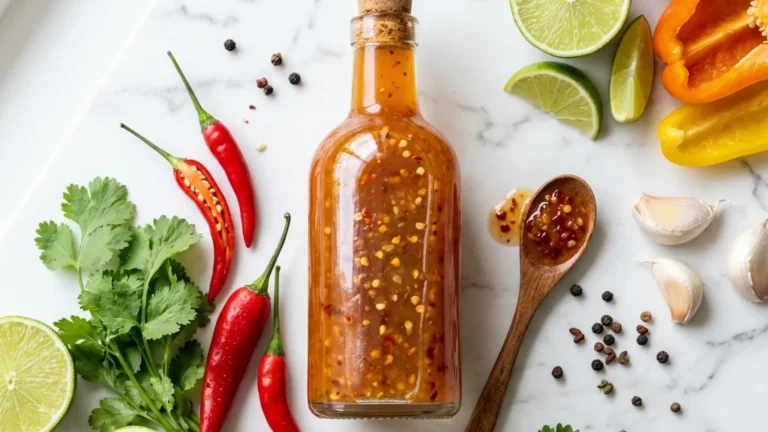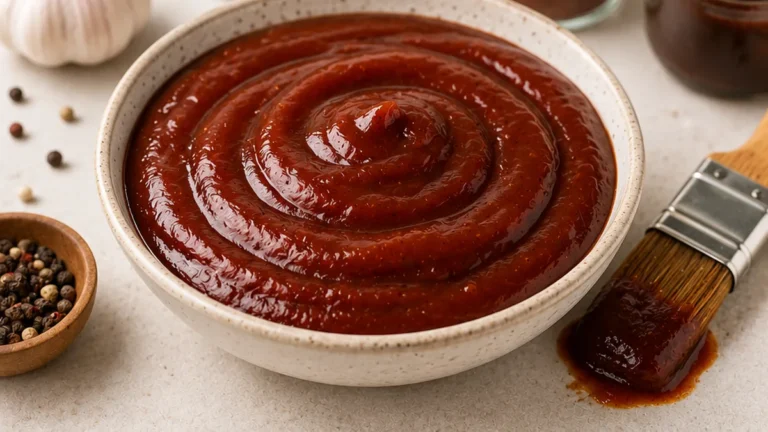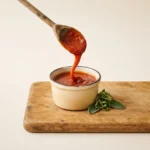
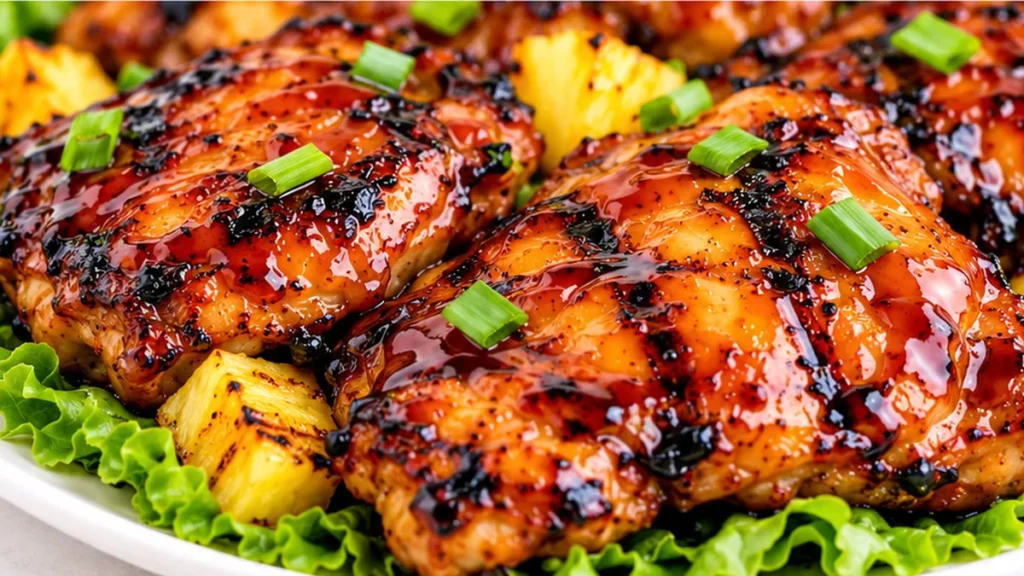
Huli huli sauce is a Hawaiian BBQ glaze that combines sweet and savory flavors. This recipe features pineapple for a unique twist on traditional BBQ sauces.
Key takeaways
- Achieving flavor balance is key for Huli Huli sauce.
- Control heat to prevent burning and ensure caramelization.
- Common mistakes include over-sweetness and thin consistency, both of which can be fixed easily.
- Ingredient swaps can alter flavor profiles, so choose wisely for desired outcomes.
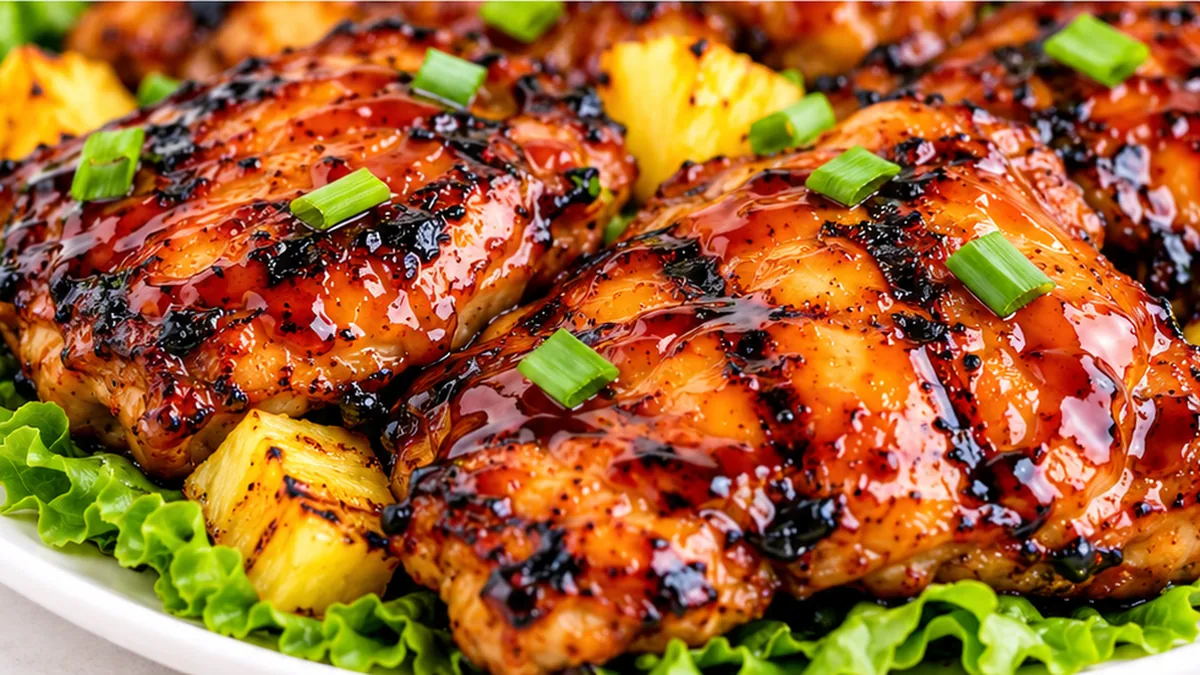
Huli Huli Sauce: Hawaiian BBQ Glaze!
Ingredients
Method
- In a medium bowl, whisk together the brown sugar, ketchup, soy sauce, and chicken broth until smooth.
- Add the minced ginger, minced garlic, rice vinegar, and sesame oil to the bowl.
- Whisk all ingredients together until well combined and the sauce is smooth.
- Your Huli Huli sauce is ready to use! Use it as a marinade for chicken or pork.
- Brush it on while grilling or basting for a delicious caramelized glaze.
- Serve this tropical delight with your favorite grilled meats.
The Importance of Balance in Huli Huli Sauce
Achieving the perfect balance of flavors is crucial in Huli Huli sauce. The sweetness from brown sugar and pineapple juice must be countered by the acidity of rice vinegar and soy sauce. This balance enhances the overall flavor profile, making it both tangy and sweet. A typical ratio to aim for is 2:1 for sweetness to acidity, ensuring that no single flavor overpowers the others.
Understanding the Role of Heat in Cooking Huli Huli Sauce
When cooking Huli Huli sauce, controlling the heat is essential. A medium heat setting (around 350°F or 175°C) allows for the sugars to caramelize without burning. This caramelization process is vital as it develops complex flavors and gives the sauce a beautiful glossy finish. If the sauce begins to bubble aggressively, reduce the heat to prevent scorching.
Common Mistakes and How to Avoid Them
- Too Sweet: If the sauce is overly sweet, it could be due to excessive brown sugar. Fix this by adding more soy sauce or vinegar to balance it out.
- Burnt Sauce: A burnt flavor indicates the sauce was cooked at too high a temperature. To remedy this, lower the heat and stir frequently to ensure even cooking.
- Thin Consistency: If the sauce is too thin, it may not have been cooked long enough. Simmer it for an additional 5-10 minutes to thicken.
- Flavorless Sauce: If the sauce lacks depth, consider adding garlic or ginger for an extra layer of flavor.
Ingredient Swaps and Their Effects
- Pineapple Juice: Substitute with orange juice for a different citrus note, though it may lack the tartness of pineapple.
- Brown Sugar: Use honey as an alternative; it adds a floral note but may alter the sauce’s texture slightly.
- Soy Sauce: Tamari is a great gluten-free option, providing a similar umami flavor.
- Rice Vinegar: Apple cider vinegar can be used instead, imparting a fruitier taste.
A Unique Aspect of Huli Huli Sauce
Unlike many BBQ sauces that rely heavily on tomato bases, Huli Huli sauce is unique due to its fruit-forward profile and the inclusion of soy sauce. This gives it a distinctly Hawaiian flair, making it an excellent match for grilled meats, especially chicken and pork, as it complements the natural flavors without overwhelming them.
How to Properly Store Huli Huli Sauce for Maximum Freshness
Storing huli huli sauce correctly can significantly extend its shelf life and preserve its vibrant flavors. The sauce can be refrigerated in an airtight container for up to two weeks. For longer storage, consider freezing it in ice cube trays, allowing you to thaw only what you need. When thawing, do so in the refrigerator overnight to maintain texture and flavor integrity. Avoid refreezing thawed sauce to prevent degradation.
Adjusting Huli Huli Sauce for Serving Sizes
Scaling huli huli sauce is straightforward, but it requires attention to ingredient ratios to maintain flavor balance. For instance, if you double the recipe, ensure that all ingredients, especially the sugar and vinegar, are increased proportionately to avoid an overly sweet or acidic sauce. Use a kitchen scale for precision; a good starting ratio is 1 part soy sauce to 2 parts sugar to achieve the characteristic sweetness. Adjust spices according to taste as you scale up.
Choosing the Right Equipment for Huli Huli Sauce Preparation
The equipment you use can impact the outcome of huli huli sauce. A heavy-bottomed saucepan is ideal for simmering, as it distributes heat evenly and prevents scorching. Using a whisk helps incorporate ingredients smoothly, especially when emulsifying the sauce. If you prefer a thicker glaze, a saucepan with a lid can be beneficial for reducing the sauce without splattering. A blender can also be used for a smoother texture, but be cautious not to over-blend, which can aerate the sauce too much.
How Seasonal Ingredients Affect the Flavor of Huli Huli Sauce
Using seasonal ingredients can enhance the flavor profile of huli huli sauce. Fresh pineapple, for example, is sweeter and juicier in summer, providing a more vibrant taste compared to out-of-season fruit. Similarly, fresh herbs, like cilantro or green onions, can add a burst of freshness when they are in season. Adjusting the sauce based on the quality of your ingredients can elevate the dish; for instance, if using a less ripe pineapple, you might want to add a bit more sugar to balance the acidity.
How to Properly Store Huli Huli Sauce for Maximum Freshness
To ensure that your huli huli sauce maintains its vibrant flavor, proper storage is essential. Store the sauce in an airtight container in the refrigerator, where it can last for up to two weeks. If you want to extend its shelf life, consider freezing it in small portions. Use freezer-safe bags or containers, removing as much air as possible to prevent freezer burn. When ready to use, thaw in the refrigerator overnight or use a microwave on low power. The sauce may thicken after freezing, but a quick stir or gentle heating will restore its original consistency.
Understanding the Impact of Ingredient Quality on Huli Huli Sauce
The quality of the ingredients used in huli huli sauce significantly influences its final taste. Fresh pineapple juice will provide a brighter, more vibrant flavor compared to canned juice, while high-quality soy sauce can enhance the umami notes. When possible, opt for organic or locally sourced ingredients, as they often have more robust flavors. Additionally, the ripeness of the pineapple can affect sweetness and acidity levels, which are crucial for balance in the sauce. Always taste and adjust the seasoning based on the quality of your ingredients.
Scaling the Batch: Adjusting Quantities for Huli Huli Sauce
When scaling huli huli sauce for larger gatherings or meal prep, maintaining the right ratios is key. The basic proportions should remain consistent to preserve the sauce’s flavor profile. For instance, if doubling the recipe, ensure that all ingredients—such as soy sauce, pineapple juice, and brown sugar—are increased proportionally. However, be cautious with ingredients like garlic and ginger, as their potency can intensify when multiplied. Always taste and adjust, especially if you’re making a significantly larger batch. This approach helps in achieving a balanced sauce, regardless of the quantity.
How to Enhance Huli Huli Sauce with Seasonal Ingredients
Seasonal ingredients can dramatically alter the flavor profile of huli huli sauce. For instance, using fresh pineapple during peak season enhances the sauce’s sweetness and acidity, creating a more vibrant glaze. Conversely, off-season pineapples might be less sweet, requiring adjustments in sugar levels. Additionally, incorporating local herbs like cilantro or green onions can introduce fresh, aromatic notes that complement the traditional flavors. When using seasonal produce, consider their ripeness and flavor intensity, as these factors will impact the overall balance of your sauce. Aim for a harmonious blend where the sweetness of the pineapple and the savory elements from soy sauce and garlic work together, ensuring that the sauce remains well-rounded.
Understanding the Importance of Marinade Time for Optimal Flavor
The marinating time for meats coated with huli huli sauce is crucial for flavor penetration. Ideally, marinate your protein for at least 2 hours, but for best results, aim for overnight. This duration allows the enzymes in the pineapple juice to tenderize the meat while the flavors meld. If marinated for too long, however, the acidity from the pineapple can start to break down the protein fibers excessively, leading to a mushy texture. To avoid this, keep an eye on the marinating time, especially for delicate proteins like chicken breast. A good rule of thumb is to use a 1:1 ratio of marinade to meat weight; for instance, if you’re marinating 1 pound of chicken, use about 1 cup of huli huli sauce. This ensures adequate coverage and flavor infusion without compromising texture.
How to Prepare Huli Huli Sauce in Advance
Huli huli sauce is a versatile glaze that can be prepared ahead of time, making it a great option for meal prep. To make the sauce in advance, combine all the ingredients as specified in your recipe and store it in an airtight container. The sauce can be refrigerated for up to one week, allowing the flavors to meld and deepen over time. When you’re ready to use it, simply bring it to room temperature or warm it gently on the stove. However, be cautious not to overheat, as this can alter the flavor profile. If you plan to store the sauce for longer than a week, consider freezing it in small portions. This allows you to thaw only what you need for future meals, ensuring minimal waste.
The Impact of Cooking Method on Huli Huli Sauce Flavor
The cooking method used to apply huli huli sauce can significantly influence its flavor and texture. Grilling or broiling meats with huli huli sauce creates a caramelized crust due to the Maillard reaction, which enhances the savory and sweet notes of the sauce. Conversely, using a stovetop method may not achieve the same level of caramelization, resulting in a different taste experience. When grilling, apply the sauce during the last few minutes of cooking to prevent burning, allowing the sugars to caramelize without becoming overly charred. If using a stovetop, consider simmering the sauce briefly to concentrate the flavors before adding it to your dish. Experimenting with these methods can help you discover your preferred flavor profile.
Pro tips
Pro tip: Best served immediately while hot!
Frequently asked questions
Can I make Huli Huli sauce ahead of time?
Yes, Huli Huli sauce can be made ahead of time and stored in the refrigerator for up to a week. Just reheat it gently before using.
What dishes pair well with Huli Huli sauce?
Huli Huli sauce is excellent on grilled chicken, pork, and even tofu. It can also be used as a marinade or dipping sauce.
How can I adjust the spiciness of Huli Huli sauce?
To add heat to Huli Huli sauce, consider incorporating crushed red pepper flakes or a dash of hot sauce. Start with a small amount and adjust to taste.
Is Huli Huli sauce gluten-free?
Traditional Huli Huli sauce contains soy sauce, which may not be gluten-free. Use tamari as a gluten-free substitute to ensure the sauce is safe for those with gluten sensitivities.
More from BBQ, Wing & Hot Sauces →