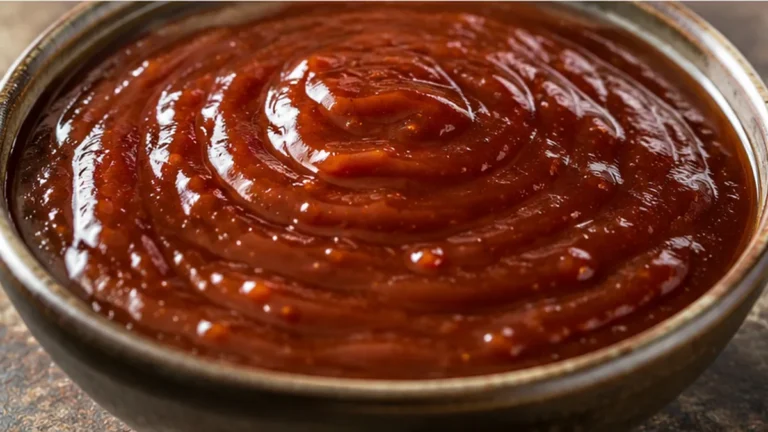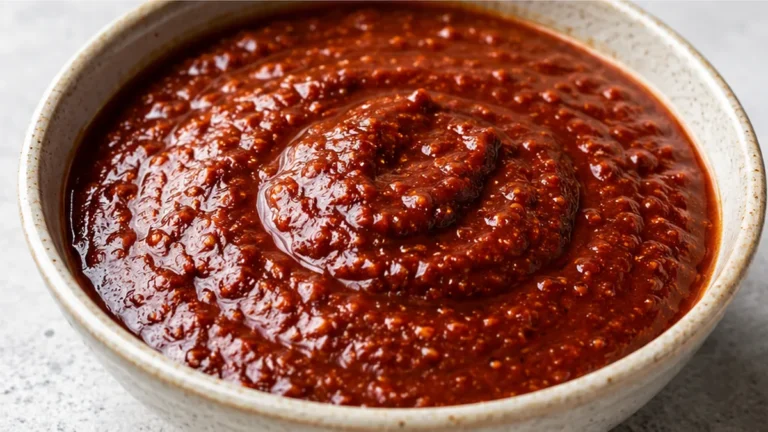
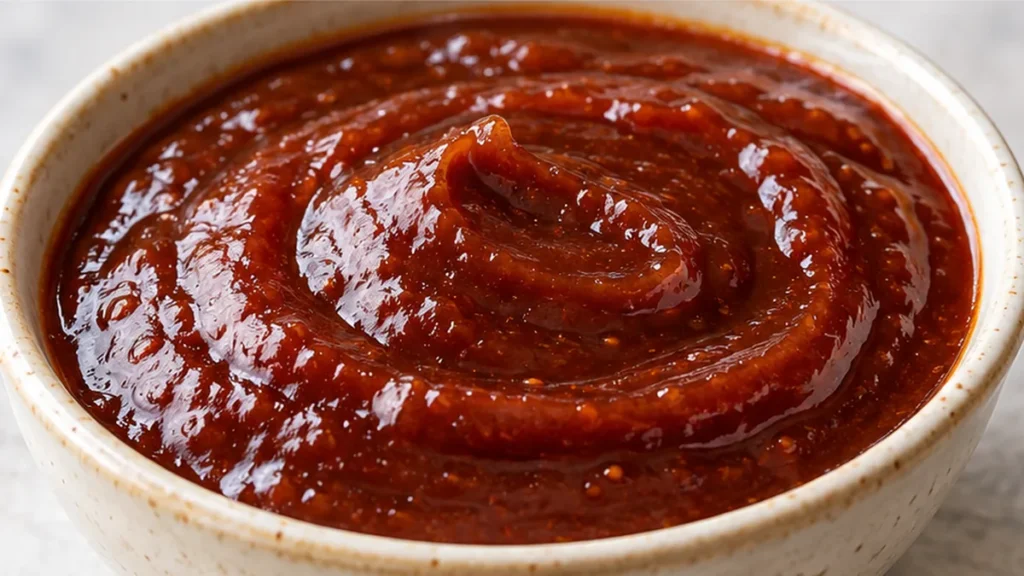
This homemade BBQ sauce with tomato paste is simple to prepare. It enhances any grilled dish with its sweet and smoky flavor profile.
Key takeaways
- Tomato paste provides depth and richness to the sauce.
- Balancing sweetness with acidity is essential for flavor.
- Smoked paprika enhances the smokiness without actual smoke.
- Adjust spices to customize heat and flavor intensity.
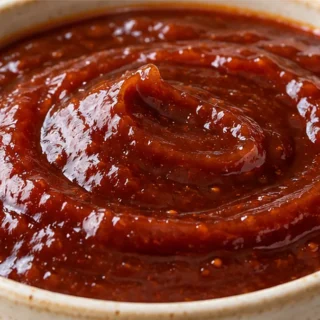
Homemade BBQ Sauce: Sweet & Smoky!
Ingredients
- 1 (6-ounce) can tomato paste
- ½ cup water
- ¼ cup brown sugar
- 2 tablespoons Dijon mustard
- 2 tablespoons apple cider vinegar
- 1 tablespoon Worcestershire sauce
- 2 teaspoons garlic powder
- 2 teaspoons chili powder
- 2 teaspoons smoked or regular paprika
- 1 ½ teaspoons dried oregano
Instructions
- In a medium saucepan over medium heat, combine all of the ingredients, stirring well to combine.
- Bring to a gentle simmer, then reduce heat to low and continue to simmer for 5 minutes, stirring occasionally, until the brown sugar is completely dissolved and the sauce is smooth.
- Remove from heat and let cool slightly before using in your favorite grill recipes.
- For storage, allow the sauce to cool completely, then transfer to an airtight container (like a mason jar with a tight-fitting lid) and refrigerate for up to 2 weeks.
Video
Notes
The Role of Tomato Paste in Achieving the Perfect BBQ Sauce
Tomato paste is a concentrated form of tomatoes that adds depth and richness to BBQ sauce. It contains a higher sugar content compared to fresh tomatoes, which helps in caramelization during cooking. The use of tomato paste in this recipe provides a robust base that enhances the overall sweetness and thickness of the sauce. When combined with other ingredients like brown sugar and apple cider vinegar, the tomato paste creates a balanced flavor profile that is both sweet and tangy.
Balancing Sweetness and Acidity for Optimal Flavor
In this homemade BBQ sauce, the balance between sweetness and acidity is crucial. The brown sugar adds a caramel-like sweetness, while the apple cider vinegar introduces a tangy element that cuts through the richness. This interplay is essential for a well-rounded sauce. If the sauce is too sweet, you can adjust the acidity by adding a bit more vinegar. Conversely, if it’s too tangy, a touch more brown sugar can help achieve the desired balance.
Enhancing Smokiness with Paprika and Other Spices
Smoked paprika is a key ingredient that imparts a distinct smoky flavor to the BBQ sauce. This is particularly important for those who want a smoky taste without using actual smoked ingredients. Regular paprika can also be used, but it will lack the depth that smoked paprika provides. Additionally, spices like garlic powder and chili powder contribute to the overall complexity of the sauce. Adjusting these spices allows you to customize the heat level and flavor intensity to your liking.
Common Issues and Their Solutions in BBQ Sauce Preparation
- Too Thick: If your sauce turns out too thick, simply add a little more water to reach your desired consistency.
- Too Sweet: If the sauce is overly sweet, increase the amount of vinegar to balance it out.
- Not Smoky Enough: If the smokiness is lacking, boost the amount of smoked paprika or add a dash of liquid smoke for an intensified flavor.
- Too Tangy: If your sauce is too tangy, incorporate more brown sugar to mellow the acidity.
Unique Characteristics of This BBQ Sauce
This homemade BBQ sauce is unique due to its use of tomato paste as the primary base, which is not as common as using ketchup or fresh tomatoes. The concentrated flavor of tomato paste allows for a thicker sauce that clings beautifully to meats. Additionally, the combination of Dijon mustard and Worcestershire sauce adds a layer of complexity that elevates the sauce beyond traditional recipes. This particular blend creates a versatile sauce that can be used for grilling, marinating, or as a dipping sauce.
Understanding the Impact of Ingredient Quality on Your BBQ Sauce
The quality of ingredients can significantly influence the flavor and texture of your homemade BBQ sauce. For instance, using fresh, high-quality apple cider vinegar can enhance the tanginess and brightness of the sauce, while a lower-quality vinegar might yield a duller taste. Similarly, the type of brown sugar used can affect the sweetness and depth; dark brown sugar, which contains more molasses, will provide a richer flavor compared to light brown sugar. When selecting your spices, opt for fresh or high-quality variants, as stale spices can lead to a lackluster flavor profile. The freshness of your tomato paste is equally crucial; older paste may have a muted flavor. Therefore, always consider the quality of your ingredients to achieve the best results in your BBQ sauce.
Make-Ahead Strategies for Your BBQ Sauce
Preparing your BBQ sauce in advance can enhance its flavors and save time during meal prep. When making your sauce ahead of time, allow it to cool completely before transferring it to an airtight container. Store it in the refrigerator for up to one week; the flavors will meld and deepen over time. For longer storage, consider freezing the sauce in portioned amounts. Use freezer-safe containers or bags, leaving some space for expansion as the sauce freezes. When ready to use, thaw the sauce in the refrigerator overnight or reheat it gently on the stovetop. Keep in mind that the texture may change slightly after freezing, but the flavor will remain intact.
Scaling Your BBQ Sauce Recipe for Larger Gatherings
If you’re planning a gathering or a barbecue party, scaling your BBQ sauce recipe is a practical approach. The provided recipe can easily be doubled or tripled, but it’s essential to adjust the cooking time accordingly. When increasing the batch size, consider using a larger pot to ensure even cooking and prevent the sauce from burning. Additionally, taste the sauce as you scale it up; sometimes, larger quantities may require slight adjustments in seasoning, such as more spices or sweeteners to maintain balance. Be mindful that the cooking process may take longer, so allow for extra time to let the flavors develop fully. This way, you can ensure that your BBQ sauce remains consistent in taste and quality, even in larger quantities.
Serving Suggestions and Pairings for Your BBQ Sauce
Your homemade BBQ sauce can elevate a variety of dishes, making it a versatile addition to your culinary repertoire. It pairs excellently with grilled meats, such as chicken, pork, and beef, enhancing their flavors with its sweet and smoky profile. Additionally, consider using it as a marinade or glaze during the grilling process for added depth. Beyond meats, BBQ sauce can also complement roasted vegetables, sandwiches, and even pizza. For a unique twist, try drizzling it over baked potatoes or mixing it into coleslaw for a flavorful dressing. When serving, consider offering your BBQ sauce alongside other condiments to create a flavorful spread that caters to diverse palates.
Understanding the Role of Tomato Paste in Texture and Flavor
Tomato paste serves as a foundational ingredient in homemade BBQ sauce, providing both texture and depth of flavor. Its concentrated nature means that it contains a higher ratio of solids to liquids, which helps achieve a thicker consistency. When using tomato paste, the sauce not only becomes more viscous but also gains a rich umami flavor that enhances the overall profile. The balance between acidity and sweetness is crucial; tomato paste can lean towards sweetness, so pairing it with vinegar and spices is essential to create a well-rounded sauce. For optimal results, consider using high-quality tomato paste, which can significantly impact the flavor. The best tomato pastes often have a deep red color and a rich, slightly sweet taste, indicating high-quality tomatoes and minimal additives.
Adapting Your BBQ Sauce to Seasonal Ingredients
Seasonal ingredients can dramatically influence the flavor and character of your homemade BBQ sauce. In summer, fresh herbs like basil or cilantro can be added for a vibrant twist, while in fall, spices such as cinnamon or nutmeg can introduce warmth. Additionally, using seasonal fruits, such as peaches or apples, can enhance the sweetness and complexity of the sauce. When adapting your recipe, keep in mind that fresh ingredients may require adjustments in quantities. For example, fresh herbs can be more potent than dried, so start with smaller amounts and taste as you go. This adaptability not only keeps your BBQ sauce exciting but also allows you to utilize local produce, making your cooking more sustainable and flavorful.
Understanding the Flavor Development Over Time
Homemade BBQ sauce benefits significantly from resting, as flavors meld and mature. After preparation, allowing the sauce to sit for at least 30 minutes at room temperature can enhance its overall taste. For optimal results, refrigerate the sauce for 24 hours before use. The chilling process allows the spices and ingredients to interact, leading to a more complex flavor profile. If you plan to make the sauce ahead of time, consider storing it in an airtight container in the refrigerator for up to one week. This resting period not only deepens the flavor but also improves the sauce’s consistency, making it easier to apply to grilled meats.
Scaling Your BBQ Sauce Recipe for Large Gatherings
When scaling your homemade BBQ sauce recipe, it is essential to maintain the same ratios of ingredients to ensure consistent flavor. Doubling or tripling the quantities should be straightforward, but be cautious with spices, especially smoked paprika and chili powder, as their potency can vary. Start by increasing these ingredients by 75% and adjust to taste. When preparing large batches, consider using a larger pot to allow for even heating and mixing. Additionally, be mindful of the cooking time; larger quantities may require a longer simmer to achieve the desired thickness and flavor integration. If you find the sauce too thick after scaling, you can always add a bit more water or vinegar to reach your preferred consistency.
Pro tips
- For an extra smoky kick, add a dash of liquid smoke during simmering.
- Adjust the brown sugar to your taste; add more for a sweeter sauce, less for a tangier one.
- If the sauce seems too thick, thin it with a tablespoon of water or apple cider vinegar until desired consistency.
- Store leftover sauce in an airtight container in the refrigerator for up to 2 weeks. For longer storage, freeze in small portions for up to 3 months.
This homemade BBQ sauce is a real upgrade for any grilling enthusiast. Experiment with different spice levels or a hint of cayenne for extra heat. Enjoy enhancing your favorite grilled meats!
Frequently asked questions
Can I use fresh tomatoes instead of tomato paste?
While fresh tomatoes can be used, they will require cooking down to achieve a similar thickness and flavor concentration as tomato paste. This may alter the overall cooking time and texture of the sauce.
How can I make this sauce spicier?
To increase the heat level, consider adding cayenne pepper or more chili powder. Start with a small amount and adjust according to your taste preference to avoid overwhelming the sauce.
How long can I store the homemade BBQ sauce?
This BBQ sauce can be stored in an airtight container in the refrigerator for up to two weeks. For longer storage, consider freezing it in portions for up to three months.
Can I substitute apple cider vinegar with another type of vinegar?
Yes, you can substitute apple cider vinegar with white vinegar or red wine vinegar. However, this may slightly change the flavor profile, so adjust the amount based on your taste preferences.
More from BBQ, Wing & Hot Sauces →