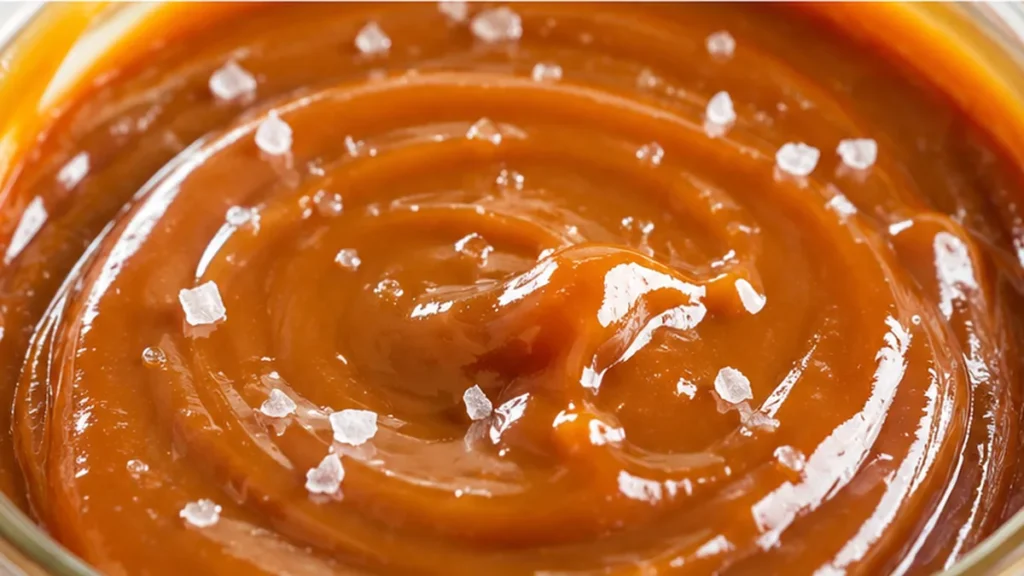
Making homemade caramel sauce is straightforward and rewarding. Control the sugar’s temperature and carefully incorporate the cream for the best results.
Key takeaways
- Monitor the temperature closely to achieve perfect caramelization.
- Avoid stirring once boiling to prevent crystallization.
- Balance sweet and salty for a unique flavor profile.
- Use a candy thermometer for precise results.
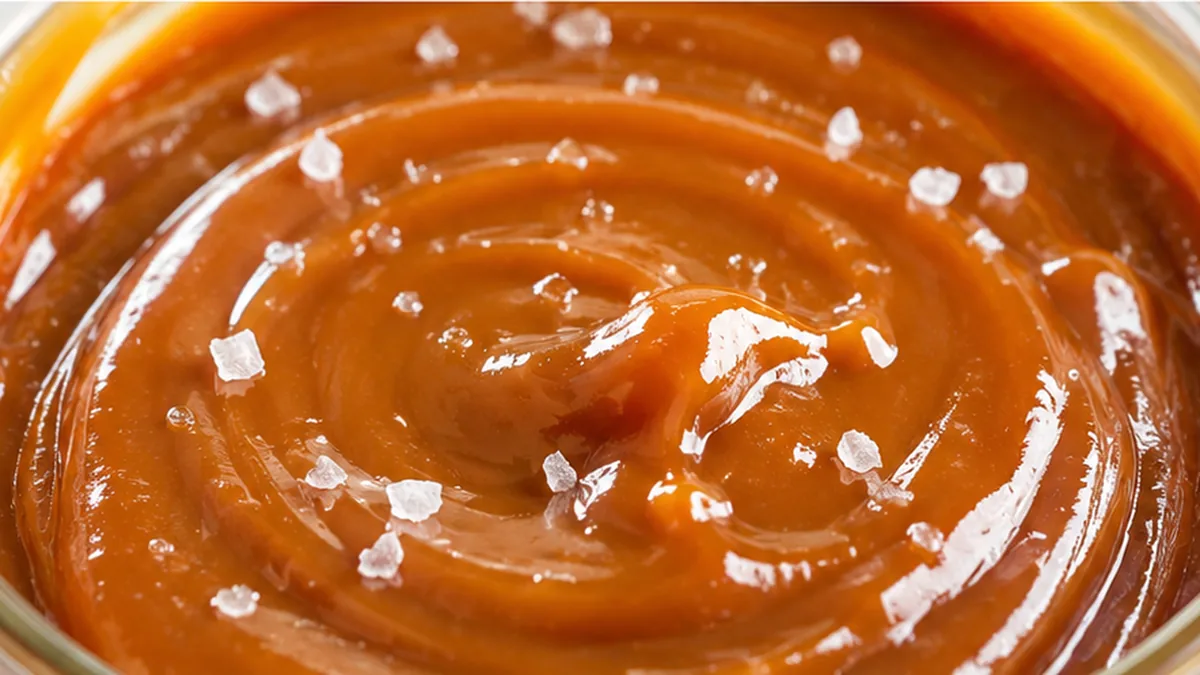
Perfect Salted Caramel Sauce!
Ingredients
Method
- Gently warm the heavy cream in a small saucepan over medium-low heat for 2-3 minutes.
- In a separate saucepan, combine water and corn syrup, then pour the granulated sugar over it.
- Place the saucepan over medium heat until the sugar dissolves and the mixture bubbles into a clear syrup.
- Increase heat to medium-high and cook for 6-8 minutes until the syrup turns a deep amber color.
- Carefully remove the pan from heat and slowly whisk in the warm cream until smooth.
- Whisk in salt, butter, and vanilla extract until fully combined.
- Pour the caramel sauce into a clean bowl or jar and let it cool completely before refrigerating.
Video
Notes
Understanding the Importance of Sugar in Caramel Sauce
The foundation of any caramel sauce is granulated sugar, which undergoes a process called caramelization when heated. At around 320°F (160°C), sugar melts and begins to turn golden brown. This transformation is crucial, as it develops the complex flavors and aromas characteristic of caramel. The sugar must be monitored closely to avoid burning, which occurs at temperatures above 350°F (177°C).
Controlling Heat for Perfect Caramelization
Heat control is essential when making caramel sauce. Start by combining sugar and water in a saucepan over medium heat. The water helps dissolve the sugar evenly and prevents it from crystallizing. Once the mixture reaches a boil, refrain from stirring; instead, gently swirl the pan to ensure even heating. This method allows the sugar to caramelize uniformly, resulting in a smooth sauce.
Common Mistakes and Their Solutions
- Problem: The caramel is grainy.
- Cause: Sugar crystallization due to stirring or impurities in the sugar.
- Fix: Use a clean, dry pan and avoid stirring once the mixture begins to boil.
- Problem: The caramel burns.
- Cause: Cooking at too high a temperature or for too long.
- Fix: Monitor the temperature with a candy thermometer and remove from heat once it reaches the desired color.
- Problem: The sauce is too thin.
- Cause: Insufficient cooking time or too much cream.
- Fix: Cook the caramel longer to thicken, or reduce the cream slightly.
Ingredient Swaps and Their Effects
- Corn syrup: Can be replaced with honey or agave syrup; however, this may alter the flavor profile slightly.
- Heavy cream: Substitute with half-and-half for a lighter sauce, but expect a thinner consistency.
- Unsalted butter: Use salted butter for added flavor, but reduce the salt in the recipe accordingly.
- Lemon juice: Omit for a sweeter sauce, but it helps prevent crystallization if you’re concerned.
Unique Characteristics of Salted Caramel Sauce
What sets salted caramel sauce apart from other caramel sauces is the balance of sweet and salty flavors. The addition of salt not only enhances the sweetness but also adds complexity to the flavor profile. Unlike many desserts that rely solely on sugar for flavor, salted caramel engages the palate with a delightful contrast, making it a versatile topping for various desserts.
How to Properly Store Salted Caramel Sauce for Longevity
Once prepared, salted caramel sauce can be stored in an airtight container in the refrigerator for up to two weeks. The high sugar content acts as a preservative, but the cream and butter do require refrigeration to maintain freshness. When ready to use, gently reheat the sauce in a microwave or on the stovetop over low heat, stirring frequently to restore its smooth consistency. If the sauce has thickened too much during storage, you can add a splash of cream or water to loosen it up.
Scaling Your Salted Caramel Sauce Recipe
Scaling the recipe for salted caramel sauce is straightforward, but precision is essential. Doubling the recipe means using 2 cups of granulated sugar and adjusting the water and cream accordingly. However, keep in mind that cooking time may vary, as larger quantities can take longer to reach the desired temperature. Always use a candy thermometer to ensure the caramel reaches the right stage. For smaller batches, you can halve the recipe, but the cooking time might decrease, so monitor closely to avoid burning.
Choosing the Right Equipment for Perfect Caramel Sauce
The choice of equipment can significantly impact the outcome of your salted caramel sauce. A heavy-bottomed saucepan is ideal as it distributes heat evenly, reducing the risk of hot spots that can lead to burning. A silicone spatula is recommended for stirring, as it can withstand high temperatures and is easy to clean. Additionally, using a candy thermometer will help you achieve the precise temperature needed for the caramelization process, ensuring consistent results every time.
Serving Suggestions for Salted Caramel Sauce
Salted caramel sauce is incredibly versatile and can elevate various desserts. Drizzle it over ice cream or cheesecake for a decadent treat, or use it as a filling for cakes and pastries. It also pairs beautifully with fruits like apples and pears, providing a sweet and salty contrast. For a seasonal twist, consider infusing your sauce with flavors such as pumpkin spice in the fall or citrus zest in the summer, enhancing its appeal throughout the year.
How to Adjust Consistency for Different Uses
The consistency of salted caramel sauce can vary based on its intended use. For a thicker sauce, reduce the heavy whipping cream to 1/3 cup (80ml), while for a pourable sauce, increase it to 2/3 cup (160ml). The key is to balance the sugar and cream ratios; a typical ratio for a medium-thick sauce is 1 cup of sugar to 1/2 cup of cream. If the sauce is too thick after cooling, gently reheat it with a splash of cream, stirring until the desired consistency is achieved.
Understanding the Impact of Ingredient Quality on Flavor
The quality of ingredients significantly influences the flavor of your salted caramel sauce. Using high-quality unsalted butter and pure vanilla extract can enhance the depth of flavor. For instance, European-style butter with a higher fat content (around 82%) will yield a richer sauce. Similarly, using fresh, coarse sea salt can provide a more complex taste compared to table salt. Always opt for granulated sugar without additives for the purest caramel flavor.
Scaling Your Salted Caramel Sauce for Large Gatherings
When scaling the recipe for larger gatherings, maintain the same ratios of sugar, cream, and water. For example, doubling the recipe means using 2 cups (400g) of sugar, 1 cup (240ml) of cream, and 6 tablespoons (90ml) of water. However, be cautious about the cooking time, as larger quantities may require slightly longer to reach the desired caramelization. Always use a larger pot to prevent overflow and ensure even heating, as caramel can bubble up significantly during cooking.
How to Achieve the Right Balance of Sweetness and Saltiness in Caramel Sauce
Creating the perfect salted caramel sauce hinges on balancing the sweetness of sugar with the savory notes of salt. The key is to start with 1 cup (200g) of granulated sugar, which provides the foundational sweetness. When adding salt, ½ teaspoon is typically sufficient, but this can be adjusted based on personal preference. Consider using flaky sea salt for texture and a burst of flavor. The interplay between sweetness and saltiness is crucial; too much salt can overpower the caramel, while too little can make it overly sweet. Aim for a ratio where the salt enhances the caramel’s flavor without dominating it.
Understanding the Impact of Temperature Control on Caramel Sauce Consistency
The temperature at which you cook your caramel sauce directly influences its final consistency. Aiming for a temperature of 350°F (175°C) will yield a medium-thick sauce, perfect for drizzling over desserts. For a thicker sauce, cook it to about 375°F (190°C). Use a candy thermometer to monitor the temperature accurately. If the sauce becomes too thick, you can incorporate additional cream to adjust the consistency. Conversely, if it’s too thin, continue to cook it gently to evaporate excess moisture. Maintaining consistent heat is vital; abrupt temperature changes can cause the sugar to crystallize, leading to a gritty texture.
How to Make Salted Caramel Sauce Ahead of Time
Making salted caramel sauce ahead of time can save you valuable minutes in the kitchen during busy occasions. To prepare it in advance, follow the recipe as instructed and allow the sauce to cool completely before transferring it to an airtight container. It can be stored in the refrigerator for up to two weeks. When you’re ready to use it, gently reheat the sauce over low heat, stirring continuously until it reaches a pourable consistency. This method helps maintain the sauce’s flavor and texture, ensuring it remains a delightful addition to your desserts.
Understanding the Role of Equipment in Caramel Sauce Preparation
The equipment you choose can significantly influence the outcome of your salted caramel sauce. A heavy-bottomed saucepan is essential for even heat distribution, which prevents hot spots that can lead to burning. If using a non-stick pan, be cautious as they may not allow for the same caramelization depth. Additionally, a candy thermometer can be beneficial for precision, allowing you to monitor the temperature closely. Caramel typically reaches the perfect stage at around 350°F (175°C). If you don’t have a thermometer, the color of the sugar can guide you; it should be a rich amber hue when ready. Remember, the right tools can make the process smoother and yield a more consistent result.
Pro tips
- Always use a saucepan with high sides to prevent boil-overs.
- Do NOT stir the sugar syrup once it starts boiling; swirl the pan instead to prevent crystallization.
- Use warm cream to minimize bubbling and prevent seizing when added to the hot sugar.
- Store cooled sauce in an airtight container in the refrigerator for up to 3 weeks.
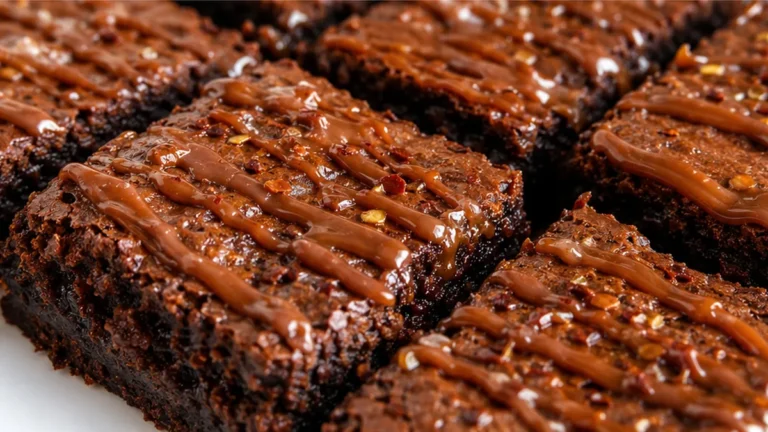
Enjoy your delicious homemade salted caramel sauce drizzled over ice cream, brownies, or even your morning coffee!
Frequently asked questions
Can I use brown sugar instead of granulated sugar?
Yes, you can use brown sugar for a richer flavor, but it will alter the color and texture of the sauce, making it thicker and more molasses-flavored.
What should I do if my caramel sauce crystallizes?
If your caramel crystallizes, you can try to dissolve the crystals by adding a small amount of water and gently reheating the mixture over low heat.
How long can I store salted caramel sauce?
Salted caramel sauce can be stored in an airtight container in the refrigerator for up to two weeks. Reheat gently before using.
Can I use this sauce for other desserts?
Absolutely! Salted caramel sauce is versatile and can be drizzled over ice cream, cakes, brownies, or used as a filling for pastries.
More from Sweet & Dessert Sauces →