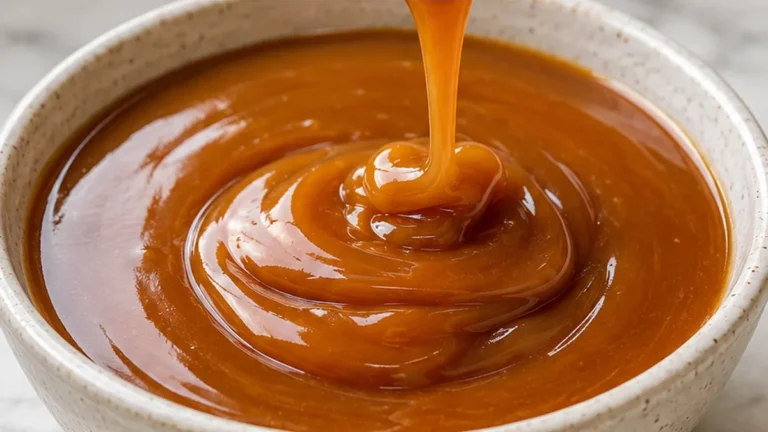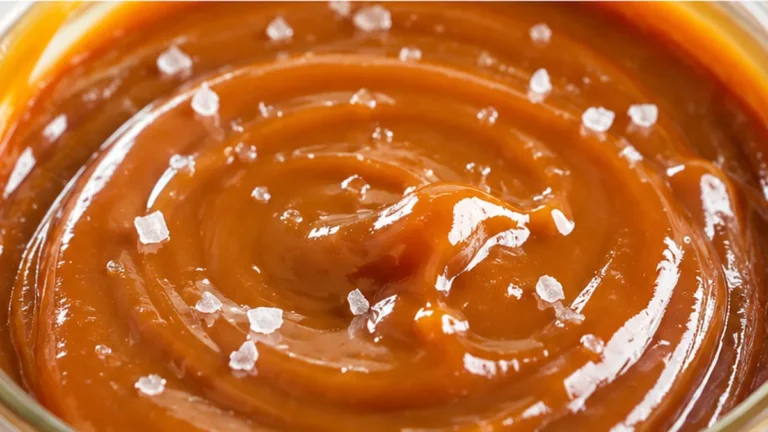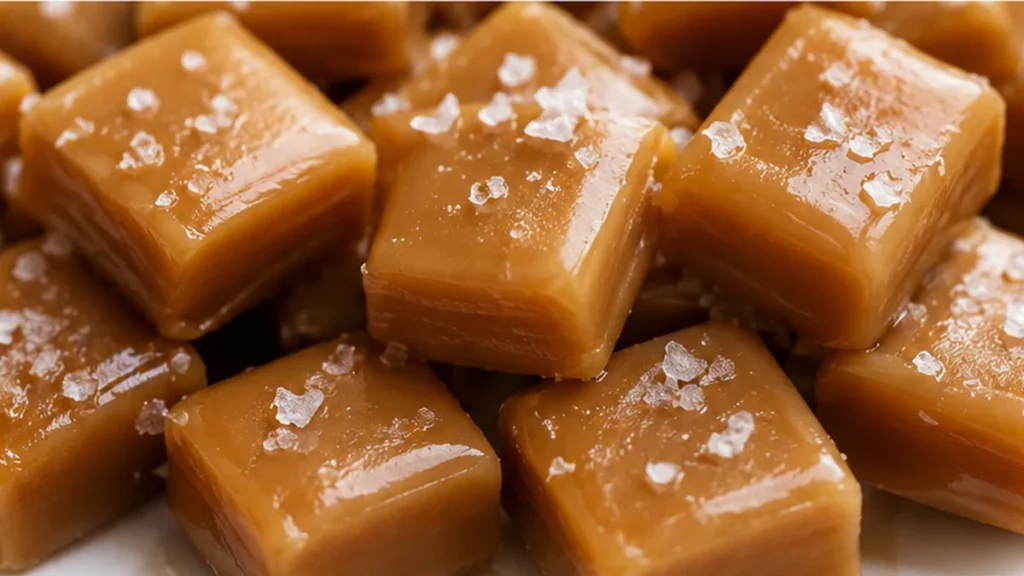
Making perfect soft butter caramels at home is surprisingly achievable with the right technique and temperature control. This recipe focuses on achieving that ideal melt-in-your-mouth texture, avoiding the common pitfalls of hard candy or grainy sugar. These homemade butter caramels are ideal for anyone looking to create a truly decadent treat. We’ll guide you through the crucial steps, from dissolving the sugar correctly to hitting the exact temperature for that signature soft chew.
Key takeaways
- Control the cooking temperature between 245°F and 250°F for perfect texture.
- Use high-quality ingredients for the best flavor and consistency.
- Avoid stirring the mixture once it begins to boil to prevent graininess.
- Monitor for overcooking to prevent bitterness in the final product.
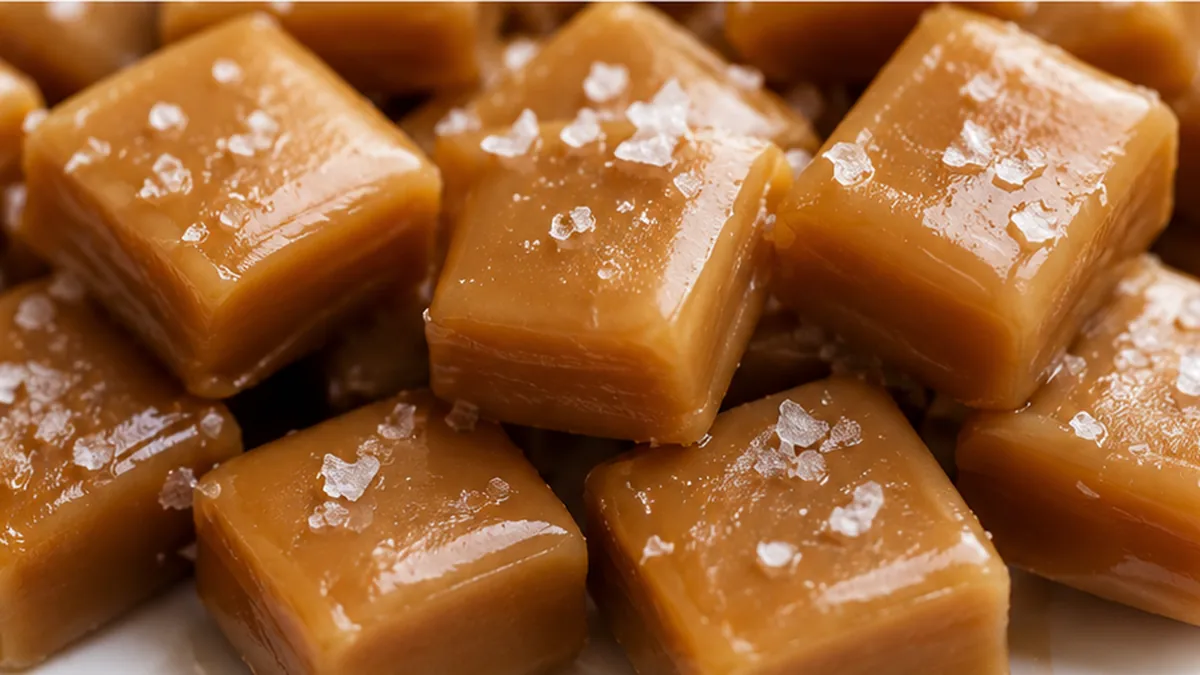
Butter Caramels That Melt in Your Mouth!
Ingredients
Method
- Line an 8.5 x 4.5-inch loaf pan with parchment paper, leaving a 2-inch overhang on each side. Lightly butter the parchment; set aside.
- Combine cream, corn syrup, sugar, and butter in a heavy-bottomed saucepan over medium-low heat. Stir until sugar dissolves. Clip a candy thermometer to the side. Bring to a boil.
- Cook over medium heat, stirring frequently, until mixture reaches 246-248°F (120°C). Stir constantly as it gets close to temperature. Remove from heat, quickly stir in vanilla extract and salt. Immediately pour into prepared pan, without scraping the pot.
- Let stand at room temperature until completely cooled and set, about 3-4 hours. Unmold using parchment overhangs. Peel off parchment and invert onto a clean surface.
- Cut the slab into ½-inch thick strips, then into 1-inch pieces using a sharp knife or kitchen shears.
- Sprinkle flaky sea salt over each caramel. Wrap individually in cellophane, parchment, or waxed paper soon after cutting to maintain shape.
Video
Notes
Understanding the Importance of Temperature Control in Butter Caramels
Temperature plays a crucial role in the making of butter caramels. The sugar must be heated to the correct temperature to achieve the right consistency and flavor. For butter caramels, the ideal cooking temperature is between 245°F (118°C) and 250°F (121°C). At this range, the sugar reaches the soft ball stage, which allows the caramels to set properly without becoming too hard or too soft.
Why Overcooking Leads to Bitter Flavors
Overcooking butter caramels can result in a burnt taste due to the caramelization of sugars. If the mixture exceeds 250°F (121°C), it begins to develop a bitter flavor. To avoid this, use a candy thermometer and remove the mixture from heat as soon as it reaches the desired temperature. This ensures a rich, buttery flavor without bitterness.
The Role of Ingredients in Texture and Flavor
The quality of ingredients directly affects the final product. Heavy cream contributes to the creaminess, while unsalted butter enhances the buttery flavor without adding excess salt. The corn syrup helps prevent crystallization, ensuring a smooth texture. Using pure vanilla extract adds depth, while flaky sea salt provides a contrasting crunch. Each ingredient plays a vital role in achieving the perfect butter caramel.
Common Issues and How to Fix Them
- Issue: Caramels are too hard.
- Cause: The mixture was cooked beyond 250°F (121°C).
- Fix: Use a thermometer to monitor the temperature closely and remove from heat at the correct stage.
- Issue: Caramels are too soft.
- Cause: The mixture did not reach the correct temperature.
- Fix: Ensure the mixture reaches at least 245°F (118°C) and consider cooking slightly longer if necessary.
- Issue: Caramels are grainy.
- Cause: Sugar crystals formed during cooking.
- Fix: Stir the mixture gently and avoid stirring once it starts boiling. Adding a small amount of corn syrup helps prevent crystallization.
- Issue: Flavors are unbalanced.
- Cause: Incorrect ratios of ingredients.
- Fix: Measure ingredients accurately, especially the salt and vanilla, to ensure a well-rounded flavor.
Ingredient Swaps and Their Effects
- Swap: Light corn syrup for dark corn syrup.
- Effect: Dark corn syrup will give a slightly richer flavor and darker color but may alter the sweetness balance.
- Swap: Granulated sugar for brown sugar.
- Effect: Brown sugar adds a deeper caramel flavor and moisture but can change the texture slightly.
- Swap: Heavy cream for half-and-half.
- Effect: Using half-and-half will result in a lighter caramel but may lack the richness and creaminess of using heavy cream.
- Swap: Unsalted butter for salted butter.
- Effect: Salted butter will add extra saltiness, which can enhance flavor but may require reducing added salt in the recipe.
How to Properly Store Butter Caramels for Maximum Freshness
To maintain the delightful texture and flavor of your butter caramels, proper storage is essential. Once cooled and cut, wrap each caramel individually in wax paper or parchment paper to prevent them from sticking together. Store them in an airtight container at room temperature for up to two weeks. For longer storage, consider refrigerating them, which can extend their shelf life to about a month. However, refrigeration may alter the texture slightly, making them firmer. For optimal enjoyment, allow them to come to room temperature before serving.
Scaling the Recipe: Adjusting Ingredients for Larger Batches
Scaling your butter caramel recipe is straightforward, but precision is key. If you wish to double or triple the recipe, maintain the same ratios of ingredients. For example, if doubling, use 1 cup of heavy cream, ½ cup of corn syrup, and 1 ⅓ cups of sugar. However, be cautious with cooking times; larger quantities may require additional time to reach the desired temperature of 245°F (118°C). Always use a candy thermometer to ensure accuracy, as cooking times can vary with batch size.
Essential Equipment for Perfect Butter Caramels
The right equipment can significantly affect the quality of your butter caramels. A heavy-bottomed saucepan is crucial for even heat distribution, preventing hot spots that can lead to burning. A candy thermometer is essential for monitoring the temperature accurately, ensuring that the caramels reach the perfect soft-ball stage. Additionally, having a silicone spatula or wooden spoon helps in stirring the mixture without scratching your cookware. If you plan to cut the caramels into squares, a sharp knife or pizza cutter will yield clean edges.
Seasonal Variations and Ingredient Quality Impacting Flavor
Butter caramels can be influenced by seasonal ingredients and their quality. During the fall, consider incorporating pumpkin spice or apple cider flavors for a seasonal twist. In contrast, summer might inspire the addition of sea salt infused with herbs like rosemary, providing a fresh taste. The quality of butter and cream also plays a significant role; using high-quality, grass-fed butter can enhance the richness and depth of flavor. Always taste your ingredients before starting, as freshness can vary greatly.
How to Achieve the Perfect Texture in Butter Caramels
The texture of butter caramels is crucial; they should be soft yet firm enough to hold their shape. To achieve this, pay attention to the cooking temperature. The ideal temperature for butter caramels is between 245°F (118°C) and 250°F (121°C). At this range, the sugar syrup reaches the soft-ball stage, which is crucial for that melt-in-your-mouth quality. Use a candy thermometer for accuracy, and avoid stirring the mixture once it begins to boil to prevent crystallization, which can lead to a gritty texture.
Understanding the Impact of Ingredient Quality on Flavor
Ingredient quality plays a significant role in the flavor profile of butter caramels. For instance, using high-quality unsalted butter enhances the richness and creaminess of the caramels. Similarly, pure vanilla extract provides a depth of flavor that imitation vanilla cannot match. The type of sugar used can also affect the final taste; granulated sugar is standard, but using organic cane sugar can impart a subtle caramel flavor. Always opt for fresh ingredients to ensure the best results.
Scaling Up: Adjustments for Larger Batches of Butter Caramels
When scaling up your butter caramel recipe, it’s essential to adjust not just the ingredient quantities but also the cooking time and equipment. For larger batches, consider using a larger pot to allow for even heat distribution. The cooking time may increase slightly, so monitor the temperature closely. Additionally, if you double or triple the recipe, you may need to adjust the amount of corn syrup to maintain the desired consistency. Always test a small batch first to ensure the texture and flavor remain consistent.
How to Make Butter Caramels Ahead of Time
Making butter caramels ahead of time can be a great way to save time during busy occasions. Once prepared, allow the caramels to cool completely at room temperature before cutting them into pieces. For optimal storage, wrap each piece in wax paper or parchment paper to prevent them from sticking together. Store the wrapped caramels in an airtight container at room temperature for up to two weeks. If you prefer a longer shelf life, consider refrigerating them, which can extend freshness for up to a month. However, refrigeration may slightly alter the texture, making them firmer. To serve, allow refrigerated caramels to come to room temperature for a few minutes to regain their soft, melt-in-your-mouth quality.
Understanding the Role of Temperature in Butter Caramels
Temperature control is crucial when making butter caramels. The sugar syrup must reach the soft-ball stage, approximately 235°F to 240°F (113°C to 115°C), to achieve the desired texture. Using a candy thermometer is highly recommended for accuracy. If the mixture is heated beyond this range, the caramels can become hard and difficult to chew. Conversely, if the syrup doesn’t reach the right temperature, the caramels will remain too soft and may not set properly. Always monitor the heat closely, as sugar can go from perfect to burnt quickly. Adjusting the heat level during cooking is vital; start on medium heat and increase slightly if the sugar doesn’t dissolve quickly enough, but never leave it unattended.
Pro tips
- Use a heavy-bottomed pot to ensure even heating and prevent scorching.
- Stir constantly once the mixture starts boiling to prevent crystallization.
- Do NOT scrape the bottom of the pot when pouring; this can introduce sugar crystals that make the caramel grainy.
- Wrap caramels soon after cutting to prevent them from softening too much.
Enjoy your delicious homemade soft butter caramels! They are perfect for gifting or simply indulging your sweet cravings.
Frequently asked questions
What can I do if my butter caramels are too hard?
If your butter caramels are too hard, they were likely cooked at too high a temperature. To fix this in the future, ensure you use a candy thermometer and remove the mixture from heat once it reaches the soft ball stage, around 245°F to 250°F.
Can I use a different type of sugar in this recipe?
You can substitute granulated sugar with brown sugar for a deeper flavor, but it may alter the texture slightly. Brown sugar contains molasses, which adds moisture and richness to the caramels.
How should I store my butter caramels?
Store your butter caramels in an airtight container at room temperature. To prevent them from sticking together, you can layer them with parchment paper. They should stay fresh for up to two weeks.
Why is my caramel mixture grainy?
A grainy texture in your caramel indicates that sugar crystals formed during cooking. To avoid this, stir the mixture gently and refrain from stirring once it starts to boil. Adding a small amount of corn syrup can also help prevent crystallization.
More from Sweet & Dessert Sauces →