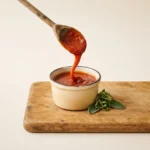

This liquid chocolate hot fudge sauce is a simple recipe that enhances any dessert. With just a few ingredients, you can create a rich, velvety sauce.
Key takeaways
- Use high-quality chocolate for better flavor.
- Melt chocolate gently to avoid graininess.
- Adjust thickness with warm milk or water.
- Maintain ideal temperature for a glossy finish.

Liquid Chocolate Bliss: Hot Fudge Sauce
Ingredients
- ¾ cup (180ml) 35% whipping cream
- 3 tbsp (45ml) water
- ¼ cup (60ml) light corn syrup
- ¼ cup (55g) packed dark brown sugar
- 1 tbsp (6g) cocoa powder
- ⅛ tsp salt
- 6 oz (170g) semisweet chocolate or bittersweet chocolate (70% cocoa), chopped
- ½ tsp pure vanilla extract
Instructions
- In a 1-quart stainless steel saucepan, combine cream, water, corn syrup, brown sugar, cocoa powder and salt over medium-low heat. Whisk frequently until sugar is dissolved.
- Remove from heat and add the chopped chocolate. Let it melt gently for 1 minute, then return to medium-low heat.
- Once it simmers, increase heat to medium and let boil gently for 3-5 minutes while whisking constantly. Do not boil vigorously.
- For thinner sauce, boil 3 mins; for thicker, cook 5 mins. It should be smooth and glossy. Stir constantly to prevent burning.
- Remove pan from heat and stir in vanilla extract. Let cool for 15 minutes before serving warm or pouring into a jar.
- Store cooled sauce in a sealed jar in the refrigerator for up to 3 weeks. Reheat very gently before serving.
Understanding Liquid Chocolate: The Role of Ingredients
The texture and flavor of liquid chocolate, especially in a hot fudge sauce, are significantly influenced by the quality of the ingredients used. High-quality chocolate, whether in the form of cocoa powder or chocolate bars, is crucial. Look for chocolate with a high cocoa content (70% or more) for a richer flavor. The addition of cream or butter not only enhances the sauce’s richness but also contributes to its glossy finish. When combined, these ingredients create a smooth emulsion, which is vital for achieving that perfect pourable consistency.
Common Issues and Solutions When Making Hot Fudge Sauce
Even the simplest recipes can encounter challenges. Here are some common issues and their fixes:
- Grainy Texture: This often results from overheating the chocolate or not properly melting it. To avoid this, melt chocolate over low heat and stir continuously.
- Too Thick: If your sauce is too thick, it can be adjusted by adding a bit of warm milk or water to achieve the desired consistency.
- Separation: If the sauce separates, it may be due to overheating or the wrong ratio of fat to liquid. To fix this, gently reheat the sauce while whisking to bring it back together.
- Bitterness: If the sauce tastes too bitter, consider adding a pinch of salt or a sweetener to balance the flavors.
Ingredient Swaps and Their Effects
Sometimes, you might not have all the ingredients on hand. Here are some effective swaps:
- Cocoa Powder for Chocolate Bars: Use 3 tablespoons of cocoa powder and 1 tablespoon of oil per ounce of chocolate. This may result in a slightly less creamy texture.
- Milk for Heavy Cream: Substituting whole milk for heavy cream will yield a lighter sauce but may sacrifice some richness.
- Butter for Coconut Oil: This swap is dairy-free and adds a subtle coconut flavor, but it can change the overall texture slightly.
- Granulated Sugar for Brown Sugar: Brown sugar will add a deeper, caramel-like flavor but may also darken the sauce.
The Science Behind the Glossy Finish
A glossy finish in hot fudge sauce is not just for aesthetics; it indicates a well-emulsified sauce. The key is to maintain the right temperature while stirring continuously. This process helps to break down fat molecules, allowing them to coat the cocoa particles evenly. The ideal temperature for achieving this is around 90°C (194°F). At this temperature, the chocolate melts smoothly without burning, resulting in a rich, luscious sauce that clings beautifully to ice cream or cakes.
How to Properly Store and Reheat Hot Fudge Sauce
Storing hot fudge sauce correctly can significantly extend its shelf life while maintaining its luscious texture. After preparing the sauce, allow it to cool to room temperature. Transfer it into an airtight container, and it can be refrigerated for up to two weeks. When reheating, use a microwave in short intervals or a double boiler to avoid scorching. If the sauce thickens too much in the fridge, add a splash of cream or milk while reheating to restore its silky consistency.
Scaling the Recipe for Different Occasions
When scaling hot fudge sauce, it’s essential to maintain the ratios of ingredients to achieve the same rich flavor and texture. For a larger batch, consider increasing the ingredients proportionally. For example, if you double the recipe, use double the chocolate and cream, ensuring they are well combined. It’s also prudent to use a larger pot to prevent overflow during cooking. Conversely, if making a smaller batch, you might find using a kitchen scale helpful for precise measurements, especially for the chocolate, which is crucial for achieving the desired liquid chocolate consistency.
Choosing the Right Equipment for the Perfect Sauce
The equipment used can significantly affect the outcome of your hot fudge sauce. A heavy-bottomed saucepan is ideal as it distributes heat evenly, reducing the risk of burning. A whisk is essential for achieving a smooth texture, especially when combining the chocolate with the cream. If you prefer a thicker sauce, a spatula can help you gauge the consistency more effectively as it allows for scraping the sides of the pan. Additionally, using a digital thermometer can help monitor the temperature, ensuring the mixture doesn’t exceed the ideal melting point of chocolate, which is around 40°C (104°F).
Seasonal Variations and Ingredient Quality Impact
The quality of ingredients can greatly influence the flavor profile of your hot fudge sauce. Using high-quality chocolate with a cocoa content of at least 70% will yield a richer sauce. Seasonal variations, such as using fresh vanilla beans in the summer or spiced flavors like cinnamon in the winter, can enhance the sauce’s appeal. Additionally, consider pairing it with seasonal desserts like pumpkin pie in the fall or fresh berries in the summer to create a delightful contrast with the warm fudge.
How to Achieve the Perfect Consistency for Your Hot Fudge Sauce
The key to a luscious hot fudge sauce lies in achieving the right consistency. To do this, you need to control the temperature and the ratios of your ingredients carefully. A common issue is ending up with a sauce that is either too thin or too thick. For a sauce that is just right, aim for a temperature of around 90°C (194°F) when cooking. This temperature allows the sugars to dissolve properly while preventing the sauce from becoming overly viscous. If your sauce is too thin, consider simmering it a bit longer to reduce excess moisture. Conversely, if it’s too thick, you can add a tablespoon of milk or cream to loosen it up. This adjustment should be done gradually, as too much liquid can alter the flavor profile.
Understanding the Impact of Ingredient Quality on Flavor
The quality of your ingredients significantly affects the flavor of your hot fudge sauce. Using high-quality chocolate, for instance, can elevate the entire dish. Look for chocolate with a cocoa content of at least 70% for a rich, deep flavor. Additionally, the type of sugar you choose can also make a difference; using brown sugar instead of white sugar adds a hint of molasses, enhancing the sauce’s complexity. Fresh ingredients like unsalted butter will give a creamier texture and more pronounced flavor than margarine or older butter. Seasonal ingredients, such as locally sourced chocolate or fresh cream, can also provide unique taste notes that enhance your hot fudge sauce.
Perfect Pairings: Serving Suggestions for Hot Fudge Sauce
Hot fudge sauce is incredibly versatile and can be paired with a variety of desserts. While classic pairings include vanilla ice cream and brownies, consider experimenting with other options. For example, drizzling it over pancakes or waffles can create a decadent breakfast treat. Additionally, serving it with fresh fruits like strawberries or bananas can provide a refreshing contrast to the rich chocolate. If you want to elevate the experience further, try incorporating a sprinkle of sea salt or a dash of espresso powder to enhance the chocolate flavor. These small additions can transform your hot fudge sauce into a gourmet topping that impresses any guest.
Understanding the Impact of Temperature on Hot Fudge Sauce
Temperature control is crucial when making hot fudge sauce, particularly during the melting and cooking stages. The ideal temperature for melting chocolate is around 45-50°C (113-122°F). If the temperature exceeds 55°C (131°F), the chocolate may seize, leading to a grainy texture. When combining the ingredients, it’s essential to maintain a gentle heat to avoid burning the sugar, which can result in a bitter taste. A candy thermometer can be an invaluable tool here, ensuring that the sauce reaches the desired consistency without compromising flavor. Once the sauce is prepared, serving it at the right temperature enhances its silky texture and rich taste. Ideally, hot fudge should be served warm, around 40-45°C (104-113°F), to maintain its pourable consistency and luxurious mouthfeel.
Batch Scaling and Its Effects on Flavor and Consistency
Scaling a hot fudge sauce recipe can be tricky, as it affects not just the quantity but also the flavor and consistency of the final product. When doubling or halving the recipe, ensure that the ratios of ingredients remain consistent. For instance, maintaining a 2:1 ratio of sugar to chocolate is essential for achieving the right sweetness and texture. However, be cautious with cooking time; larger batches may require longer cooking to reach the desired thickness. Additionally, using a wider pot allows for better evaporation of excess moisture, which is crucial for achieving a thicker sauce. If you notice that the flavor diminishes when scaling up, consider using higher-quality chocolate or adjusting the vanilla extract to enhance the overall taste. Remember, the quality of ingredients becomes even more critical as batch size increases, so opt for the best chocolate you can find.
Pro tips
Pro tip: Best served immediately while hot!
Frequently asked questions
Can I use dark chocolate instead of milk chocolate?
Yes, using dark chocolate will give your hot fudge sauce a richer and more intense flavor. Just keep in mind that dark chocolate is less sweet, so you might need to adjust the sugar accordingly.
How can I store leftover hot fudge sauce?
Store leftover hot fudge sauce in an airtight container in the refrigerator for up to two weeks. Reheat gently on the stove or in the microwave before serving.
What can I serve with hot fudge sauce?
Hot fudge sauce pairs wonderfully with ice cream, brownies, pancakes, or even as a dip for fruits. It’s versatile and can elevate many desserts.
Can I make hot fudge sauce in advance?
Absolutely! You can prepare hot fudge sauce ahead of time and store it in the refrigerator. Just reheat it gently before serving for the best texture.
More from Sweet & Dessert Sauces →