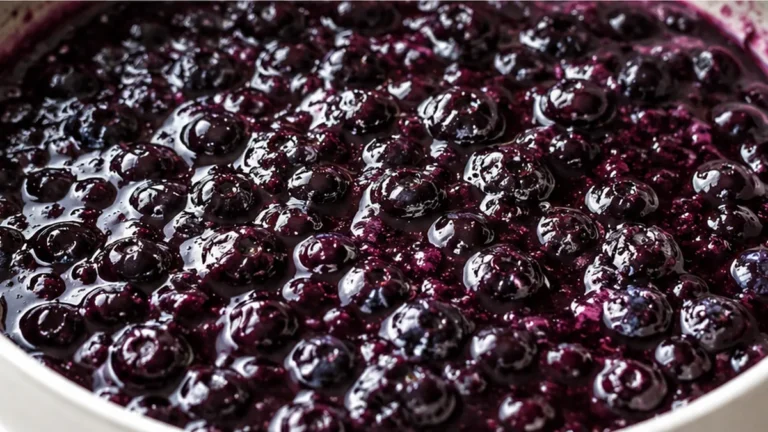
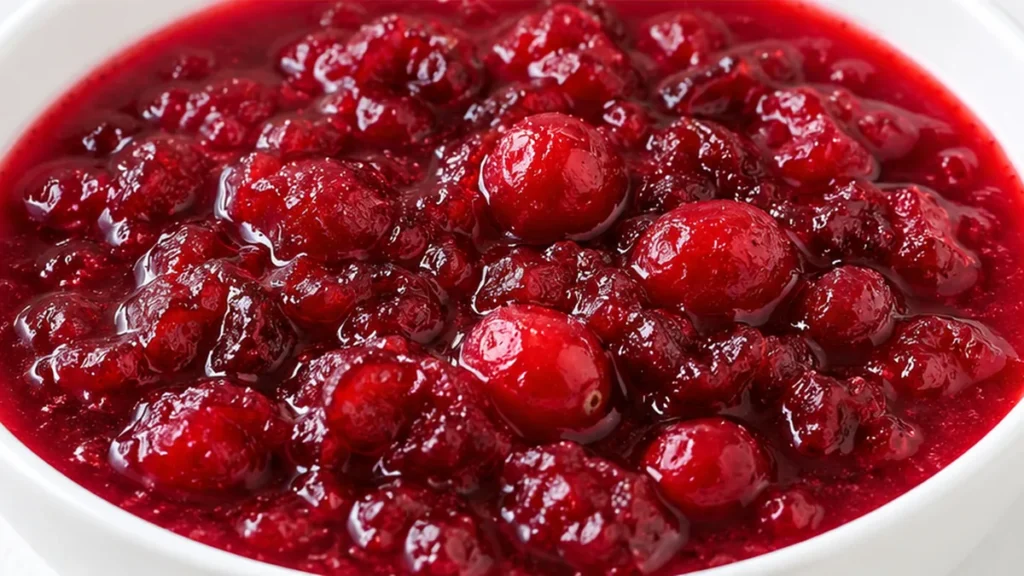
This cranberry sauce recipe with water is straightforward and quick. It combines fresh cranberries with water for a classic taste that enhances your dishes.
Key takeaways
- Use the right water-to-cranberry ratio for optimal consistency.
- Monitor cooking time to avoid bitterness.
- Experiment with ingredient swaps for unique flavors.
- Cranberry sauce improves in flavor after resting in the fridge.
Ultimate Cranberry Sauce Recipe
Ingredients
- ½ cup water
- ½ cup orange juice
- 1 cup (200 grams) granulated sugar
- 1 teaspoon freshly grated orange zest, (optional)
- 12 ounces (340 grams) fresh or frozen cranberries
- ⅛ teaspoon ground cinnamon
- fine sea salt (to taste)
Instructions
- In a medium saucepan, combine water, orange juice, granulated sugar, and orange zest (if using). Bring to a boil over high heat.
- Reduce heat to medium. Add the cranberries and ground cinnamon. Simmer until two-thirds of the cranberries have burst and the mixture has slightly thickened, about 10-12 minutes.
- Taste the sauce and season with fine sea salt. Add more sugar if you prefer it sweeter.
- Let it cool completely before serving or storing in an airtight container in the refrigerator for up to 1 week.
The Importance of Water in Cranberry Sauce
Water plays a crucial role in the preparation of cranberry sauce. It acts as a solvent, helping to dissolve sugars and acids present in the cranberries, which enhances the overall flavor profile. The right amount of water also aids in achieving the desired consistency, ensuring that the sauce is neither too thick nor too runny. Typically, a ratio of 1 cup of water for every 2 cups of cranberries is ideal, but adjustments can be made based on personal preference.
Common Issues and Their Solutions
When making cranberry sauce, several common issues can arise. Here are some failure points along with their corresponding fixes:
- Too Bitter: If the sauce tastes overly bitter, it may be due to overcooking the cranberries. To fix this, reduce the cooking time and monitor closely.
- Too Thin: A runny sauce can result from using too much water. To remedy this, simmer the sauce longer to allow some of the liquid to evaporate.
- Too Sweet: If the sauce is too sweet, it can be balanced by adding a splash of vinegar or lemon juice, which will introduce acidity and enhance flavor complexity.
- Not Thickening: If the sauce is not thickening as desired, consider adding a cornstarch slurry (1 tablespoon cornstarch mixed with 1 tablespoon cold water) to help achieve the right consistency.
Ingredient Swaps and Their Effects
Swapping ingredients in your cranberry sauce can yield different flavors and textures. Here are some swaps to consider:
- Brown Sugar for White Sugar: This substitution adds a deeper, molasses-like flavor but may result in a darker sauce.
- Orange Juice for Water: Using orange juice instead of water can introduce a citrusy brightness, enhancing the overall flavor profile.
- Maple Syrup for Sugar: Maple syrup can impart a unique sweetness and earthiness, but the sauce may take on a darker hue.
- Spices (Cinnamon, Nutmeg): Adding spices can enhance complexity, but be cautious with the amount to avoid overpowering the cranberries.
Unique Characteristics of Cranberry Sauce
Cranberry sauce is unique in its ability to balance tartness and sweetness, making it a versatile condiment. Unlike many other sauces, it can be served warm or chilled, and its flavors often improve after a day in the refrigerator as they meld together. This dish is also naturally high in antioxidants and vitamin C, making it a nutritious addition to any meal.
How to Make Cranberry Sauce Ahead of Time and Store It Properly
Preparing cranberry sauce in advance is a great way to reduce stress during the holiday season. Once cooked, allow the sauce to cool completely before transferring it to an airtight container. It can be stored in the refrigerator for up to two weeks. For longer storage, consider freezing the sauce. When freezing, use a freezer-safe container, leaving some space for expansion. The sauce can be frozen for up to a year. To thaw, move it to the refrigerator overnight or place the container in warm water for a quicker solution. Reheating cranberry sauce is simple; just warm it gently on the stove or in the microwave, stirring occasionally to ensure even heating.
Scaling Your Cranberry Sauce Recipe for Large Gatherings
When scaling your cranberry sauce recipe, it’s essential to maintain the proportions of ingredients for consistent flavor and texture. For every additional cup of cranberries, increase the water and sugar in a 1:1 ratio. For example, if you’re doubling the recipe, use twice the amount of cranberries, sugar, and water. Keep in mind that the cooking time may need to be adjusted slightly, as larger batches can take longer to reach the desired consistency. Monitor the sauce closely, stirring frequently to prevent sticking. A larger batch may also require a larger pot to ensure even cooking.
Choosing the Right Equipment for Perfect Cranberry Sauce
The equipment you use can significantly impact the final texture of your cranberry sauce. A heavy-bottomed saucepan is ideal, as it distributes heat evenly, preventing the sauce from scorching. Consider using a wooden spoon for stirring, as it allows you to scrape the bottom of the pot effectively. If you prefer a smoother sauce, an immersion blender can be used after cooking to achieve the desired consistency. Alternatively, for a chunkier sauce, simply mash the cranberries with a fork or potato masher. Ensure your equipment is clean and dry to avoid any unwanted flavors.
Seasonal Variations and Their Impact on Flavor
The quality and freshness of cranberries can vary significantly with the season, impacting the flavor of your sauce. Fresh cranberries are typically available from late September through early December, and their tartness can change based on ripeness. When making cranberry sauce, consider adding seasonal ingredients like orange zest or spices such as cinnamon and nutmeg to enhance flavor. These additions not only complement the cranberries but also reflect the seasonal palate. If using frozen cranberries, ensure they are thawed and drained properly to avoid excess moisture in your sauce, which can dilute the flavor.
Understanding the Role of Water in Achieving Ideal Consistency
Water plays a crucial role in the preparation of cranberry sauce, particularly in achieving the desired consistency. When making a cranberry sauce recipe with water, the amount of liquid used can significantly influence the final texture. Too little water may result in a sauce that is overly thick and difficult to spread, while too much can lead to a watery sauce that lacks the rich, concentrated flavor typical of a well-made cranberry sauce. A good starting ratio is to use enough water to just cover the cranberries as they cook, allowing for evaporation and thickening to occur. The cooking time should be monitored closely, typically around 10-15 minutes, until the cranberries burst and the sauce thickens. For those seeking a thicker sauce, consider reducing the amount of water slightly or cooking the sauce longer to allow more water to evaporate.
Batch Scaling: Adjusting Ingredients for Larger Quantities
When scaling your cranberry sauce recipe for larger gatherings, it is essential to adjust the ingredient proportions carefully to maintain the balance of flavors. A common mistake is to simply multiply each ingredient by the same factor, which can lead to a sauce that tastes diluted or uneven. For instance, when increasing the quantity of cranberries, consider increasing the sugar and water proportionately, but also taste and adjust as needed. The cooking time may also vary; larger batches may require additional time to reach the desired consistency. It’s advisable to cook in smaller batches if possible, as this allows for more control over the sauce’s texture and flavor. Remember, the key to a successful cranberry sauce lies in the balance of tartness and sweetness, which may need fine-tuning as you scale.
Serving Suggestions: Pairing Your Cranberry Sauce with Various Dishes
Cranberry sauce is a versatile condiment that pairs well with a variety of dishes beyond the traditional turkey. Understanding how to serve cranberry sauce can elevate your meal experience. For example, it complements rich meats like duck and pork, providing a tart contrast that enhances the overall flavor profile. Additionally, cranberry sauce can be used as a vibrant topping for cheeses, adding a sweet and tangy element to cheese boards. For a more adventurous twist, consider incorporating cranberry sauce into desserts, such as cheesecakes or yogurt parfaits, where its acidity can balance the sweetness. When serving, consider garnishing with fresh herbs like rosemary or mint to add an aromatic touch that enhances presentation and flavor.
Why the balance of acidity and sweetness is crucial in cranberry sauce
The balance of acidity and sweetness in cranberry sauce is essential for achieving a harmonious flavor profile. Cranberries are naturally tart, and the addition of sugar helps to counteract this tartness. However, the type of sugar used can significantly affect the final taste. For instance, using brown sugar adds a hint of molasses flavor, enhancing the depth of the sauce, while white sugar gives a cleaner sweetness. When using water, it is crucial to ensure that it does not dilute the sauce excessively. A good ratio is to start with 250 ml of water for every 300 g of cranberries, adjusting as necessary based on the desired consistency. This balance not only affects flavor but also the overall mouthfeel of the sauce, making it essential to taste and adjust as you cook.
Understanding the impact of ingredient quality on cranberry sauce
The quality of the ingredients used in your cranberry sauce can significantly influence the final product. Fresh cranberries should be bright and firm, with no signs of blemishes or softness. If using frozen cranberries, ensure they are thawed properly and drained of excess moisture to avoid a watery sauce. Additionally, the type of water used can affect the flavor. Filtered water is preferable to tap water, which may contain minerals or chlorine that can alter the taste. When it comes to spices, using whole spices like cinnamon sticks or whole cloves can impart a more robust flavor compared to pre-ground spices. This is particularly important if you want to elevate your cranberry sauce beyond the traditional flavor profile. Always consider the seasonality of ingredients; using fresh, in-season produce can enhance the overall taste and freshness of your sauce.
Pro tips
Pro tip: Best served immediately while hot!
Frequently asked questions
Can I use frozen cranberries for this recipe?
Yes, frozen cranberries can be used in place of fresh ones. Just ensure they are thawed and drained before cooking to avoid excess moisture.
How long can I store cranberry sauce?
Cranberry sauce can be stored in an airtight container in the refrigerator for up to two weeks. It can also be frozen for longer storage, up to six months.
Can I adjust the sweetness of the sauce?
Absolutely! You can adjust the sweetness by adding more or less sugar according to your taste. Additionally, incorporating ingredients like orange juice can help balance flavors.
What should I serve with cranberry sauce?
Cranberry sauce pairs well with turkey, ham, and even as a topping for desserts like cheesecake. Its tartness complements rich flavors beautifully.
More from Sweet & Dessert Sauces →