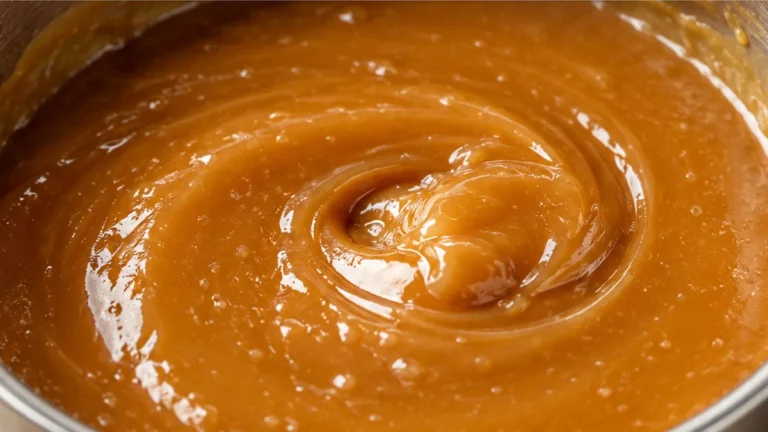
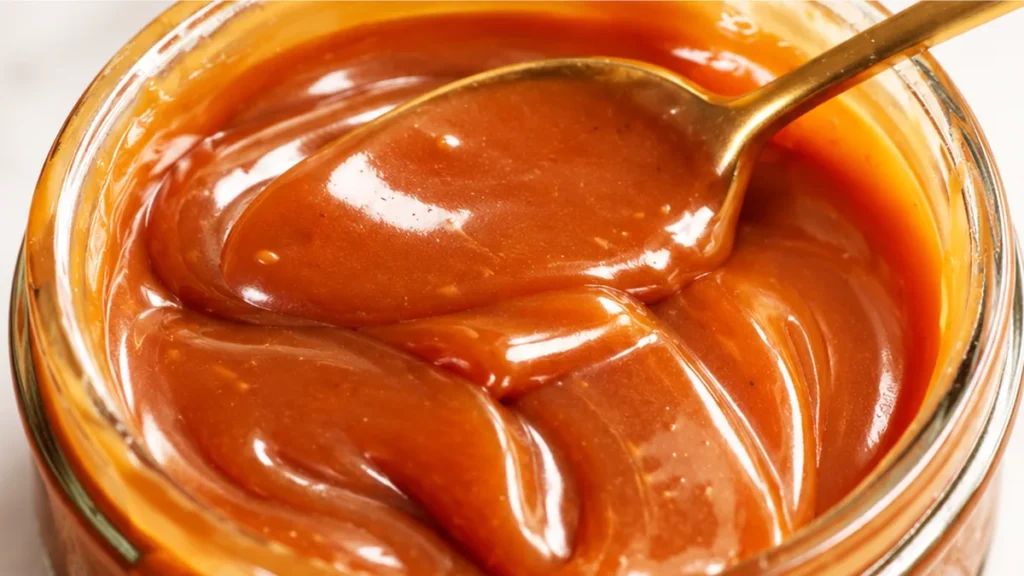
This recipe for dripping salted caramel sauce is easy to follow. With just a few ingredients, you can create a rich, buttery sauce that enhances any dessert.
Key takeaways
- Control the heat and timing for perfect caramelization.
- Avoid stirring until the sugar melts to prevent crystallization.
- Experiment with ingredient swaps for unique flavor profiles.
- Salt enhances the sweetness and complexity of the sauce.
Dripping Salted Caramel Sauce
Ingredients
- ½ cup (120ml) 35% whipping cream, warmed
- ¾ cup (150g) granulated sugar
- 3 tbsp (42g) unsalted butter, cut into cubes
- ¼ tsp fine table salt
- ½ tsp pure vanilla extract
- ¼ cup (56g) unsalted butter, cut into cubes
Instructions
- First, warm up the cream in a heatproof jug (microwave safe) until warm to the touch, but not boiling.
- Pour the granulated sugar (¾ cup / 150g) in an even layer into a 1- or 2-quart stainless steel saucepan. Place over medium-high heat.
- As the sugar melts and turns golden, gently push the edges to the center with a heat-resistant spatula to help it melt evenly. Continue until all sugar liquefies into a clear amber syrup.
- Once lump-free and amber-colored, remove from heat and carefully whisk in the unsalted butter (3 tbsp / 42g). The mixture will bubble vigorously.
- Slowly pour in the warm cream (½ cup / 120ml), whisking until smooth. Mix in the fine salt (¼ tsp) and vanilla extract (½ tsp).
- Repeat steps 2-5 with the second set of ingredients: ¼ cup (56g) unsalted butter, ½ cup (120ml) warm cream, ½ tsp fine salt, and ½ tsp vanilla extract. Combine both batches of caramel in the saucepan, return to medium heat if needed, and stir until smooth.
Understanding the Chemistry of Dripping Salted Caramel Sauce
The process of making dripping salted caramel sauce involves precise control of heat and timing. Caramelization occurs at temperatures around 160°C (320°F) when sugar melts and begins to change color. The Maillard reaction, which occurs at slightly higher temperatures, contributes to the complex flavors of the sauce. The key is to monitor the sugar closely, stirring gently to ensure even melting and prevent burning. When the sugar reaches a deep amber color, it is crucial to quickly add cream and salt to stop the cooking process and achieve the desired consistency.
Common Mistakes and Their Solutions
Many home cooks encounter issues when making caramel. Here are some common mistakes and how to fix them:
- Caramel crystallizes: This often happens when sugar is stirred too much or if there are impurities. To prevent crystallization, use a clean pot and avoid stirring until the sugar has melted.
- Burnt caramel: If the caramel develops a bitter taste, it has likely been cooked too long. Reduce the heat and keep a close eye on the color change.
- Too thick or too runny: If the sauce is too thick, it may need more cream. If it is too runny, it can be cooked a bit longer to thicken. Remember, the sauce will thicken as it cools.
Ingredient Swaps and Their Effects
While the classic recipe for dripping salted caramel sauce is beloved, sometimes substitutions can enhance or change the flavor profile:
- Brown sugar instead of white sugar: This will add a deeper, more complex flavor due to the molasses content, but it may affect the color of the caramel.
- Sea salt versus table salt: Sea salt will provide a more nuanced flavor, while table salt can make the sauce taste overly salty. Use less table salt if substituting.
- Butter alternatives: For a dairy-free version, coconut oil can be used, but it will impart a different flavor and texture.
Unique Characteristics of Dripping Salted Caramel Sauce
What sets dripping salted caramel sauce apart from other sauces is its balance of sweetness and saltiness, which enhances the flavor complexity. The addition of salt not only cuts through the sweetness but also brings out the rich flavors of the caramel. This sauce is versatile and can be used in various desserts, from drizzling over ice cream to enhancing a chocolate cake.
How to Properly Store Dripping Salted Caramel Sauce
Storing your dripping salted caramel sauce correctly is essential for maintaining its rich flavor and texture. Once prepared, allow the sauce to cool to room temperature before transferring it to an airtight container. This prevents condensation from forming inside the container, which can alter the consistency. Store the sauce in the refrigerator for up to two weeks. When you’re ready to use it, gently reheat it in a microwave or on the stovetop over low heat, stirring continuously to restore its smooth texture. If the sauce thickens too much in the fridge, a splash of water or cream can help bring it back to the desired consistency.
Scaling Your Dripping Salted Caramel Sauce Recipe
Scaling the recipe for dripping salted caramel sauce can be straightforward, but it requires attention to detail. When doubling or tripling the recipe, keep in mind that the cooking time may need adjustment. Larger batches can take longer to reach the desired temperature, so use a candy thermometer to ensure accuracy. Additionally, consider the size of your saucepan; a larger pot may distribute heat more evenly, preventing hot spots that can lead to burning. Maintain the same ratios of sugar, butter, and cream to ensure the flavor remains consistent across different batch sizes.
Choosing the Right Equipment for Making Dripping Salted Caramel Sauce
The equipment you use can significantly impact the outcome of your dripping salted caramel sauce. A heavy-bottomed saucepan is ideal, as it provides even heat distribution, reducing the risk of burning the sugar. A candy thermometer is also crucial for monitoring the temperature accurately; aim for the soft-ball stage at around 115°C (240°F). If you don’t have a thermometer, the cold water test can be a useful alternative. Using a wooden spoon or a silicone spatula helps avoid scratching the pot while stirring, ensuring that the caramel forms properly without any undesirable texture.
Pairing and Serving Suggestions for Dripping Salted Caramel Sauce
Dripping salted caramel sauce is incredibly versatile and can be paired with a variety of desserts. It complements rich flavors, making it an excellent addition to chocolate cakes, brownies, or ice cream. For a delightful contrast, serve it with tart fruits like apples or pears. Drizzle it over pancakes or waffles for a luxurious breakfast treat. If you want to elevate your dessert presentation, consider serving it warm alongside a scoop of vanilla ice cream, allowing the sauce to melt slightly and create a delicious fusion of flavors.
Understanding the Impact of Ingredient Quality on Dripping Salted Caramel Sauce
The quality of ingredients used in making dripping salted caramel sauce can significantly affect the final product. For instance, using high-quality unsalted butter can enhance the creaminess and flavor, while a good quality sea salt will elevate the overall taste profile. When selecting sugar, opt for granulated sugar that is free from impurities, as this will contribute to a smoother texture. Additionally, the type of cream used can change the sauce’s richness; heavy cream will create a thicker, more indulgent sauce, while lighter creams may result in a thinner consistency. It’s also essential to consider the freshness of your ingredients, as older products can lead to undesirable flavors and textures.
Batch Scaling: Adjusting Ratios for Perfect Consistency
Scaling your dripping salted caramel sauce recipe requires careful adjustments to maintain the right balance of flavors and texture. When doubling or halving the recipe, it’s crucial to keep the ratios of sugar, cream, and butter consistent. For instance, if you are making a larger batch, ensure that you still use a 1:1 ratio of sugar to cream for optimal caramelization. Additionally, the cooking time may vary; larger batches may require slightly longer to reach the desired temperature, so using a candy thermometer is recommended to avoid overcooking. Similarly, when reducing the batch size, be mindful of the cooking vessel’s size, as a smaller pot may lead to quicker cooking times and potential burning if not monitored closely.
Make-Ahead Strategies for Dripping Salted Caramel Sauce
Preparing dripping salted caramel sauce in advance can save time and enhance your dessert presentations. To make ahead, simply prepare the sauce as directed and allow it to cool completely before transferring it to an airtight container. It can be stored in the refrigerator for up to two weeks. When ready to use, gently reheat the sauce over low heat, stirring continuously to restore its silky texture. If the sauce has thickened too much during storage, you can add a splash of cream to loosen it. This make-ahead approach not only ensures you have a delicious sauce ready for any occasion but also allows the flavors to meld and deepen over time, enhancing the overall taste.
How to Achieve the Perfect Consistency for Dripping Salted Caramel Sauce
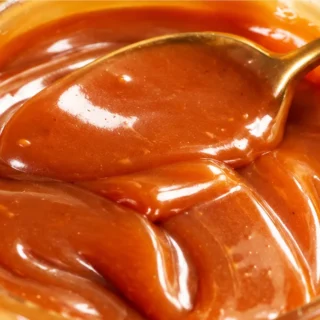
Achieving the ideal consistency for your dripping salted caramel sauce requires careful attention to temperature and timing. The sugar should be cooked until it reaches a deep amber color, typically around 170°C to 175°C (340°F to 350°F). At this point, the caramel will have a fluid texture that allows it to drip elegantly. If the caramel becomes too thick, it can be thinned by adding a small amount of cream or water, but this must be done cautiously to avoid splattering. A candy thermometer can be a valuable tool in this process, as it ensures precision in temperature control, which is critical for achieving the right texture.
Understanding the Role of Salt in Enhancing Flavor
Salt plays a crucial role in the flavor profile of dripping salted caramel sauce. It not only balances the sweetness of the caramel but also enhances the overall flavor complexity. The type of salt used can significantly affect the final taste. For instance, flaky sea salt provides a delightful crunch and bursts of flavor, while finer salts dissolve more readily and contribute to a smoother taste. It’s essential to add salt at the right moment, typically after the caramel has cooled slightly but is still warm, ensuring that it integrates well without overpowering the sweetness. Experimenting with different salts can lead to unique flavor profiles that complement various desserts.
Pro tips
Pro tip: Best served immediately while hot!
Frequently asked questions
How do I know when my caramel is ready?
Your caramel is ready when it reaches a deep amber color, which indicates that it has caramelized properly. Use a candy thermometer for precision, aiming for around 160°C (320°F).
Can I make this sauce in advance?
Yes, you can make dripping salted caramel sauce in advance. Store it in an airtight container in the refrigerator for up to two weeks. Reheat gently before use.
What can I serve with dripping salted caramel sauce?
This sauce pairs beautifully with desserts like ice cream, brownies, or pancakes. It can also be used to enhance the flavor of cakes and tarts.
How do I fix a runny caramel sauce?
If your caramel sauce is too runny, return it to the heat and cook it for a few more minutes until it thickens. Be careful not to overcook it, as this can lead to burning.
More from Sweet & Dessert Sauces →