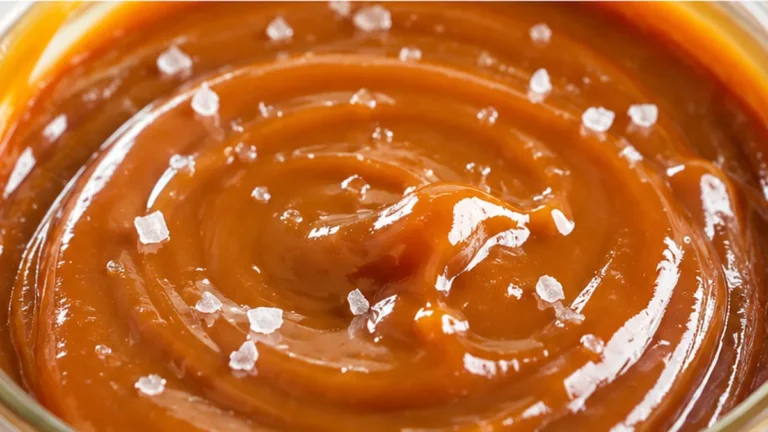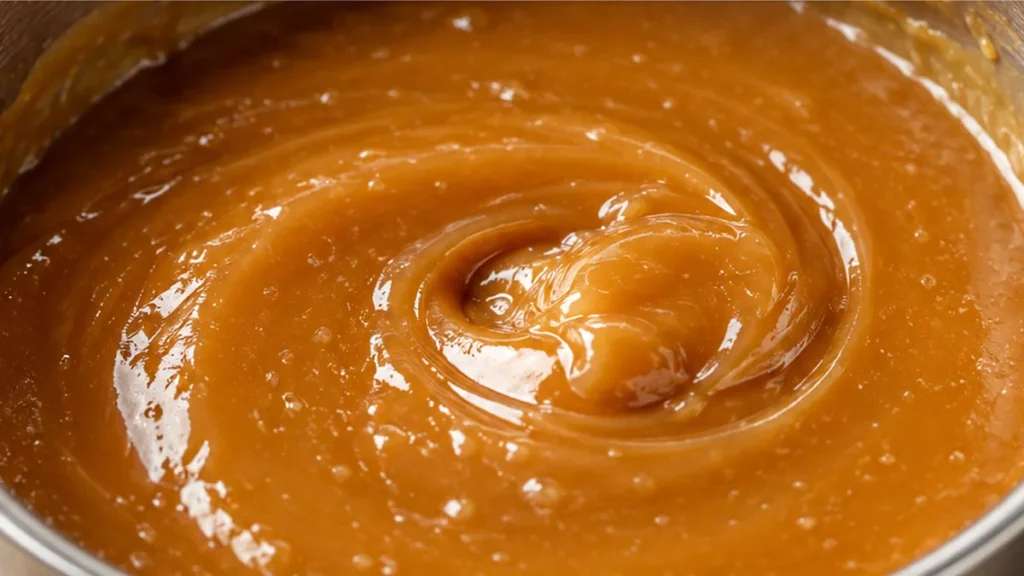
Making homemade butterscotch sauce is surprisingly simple and infinitely more rewarding than any store-bought version. This recipe focuses on achieving that perfect smooth, pourable consistency, avoiding the common pitfall of overcooking into candy. It’s the ideal companion for ice cream, cakes, and pies, transforming ordinary desserts into extraordinary treats. This butterscotch sauce recipe emphasizes quality ingredients and precise timing to ensure a decadent result every time. It’s perfect for both novice cooks and experienced bakers looking for a reliable, delicious sauce.
Key takeaways
- Use unsalted butter for better control of saltiness
- Dark brown sugar adds depth due to its molasses content
- Heavy cream is essential for a smooth, rich texture
- Monitor cooking temperature to prevent burning and ensure proper emulsification
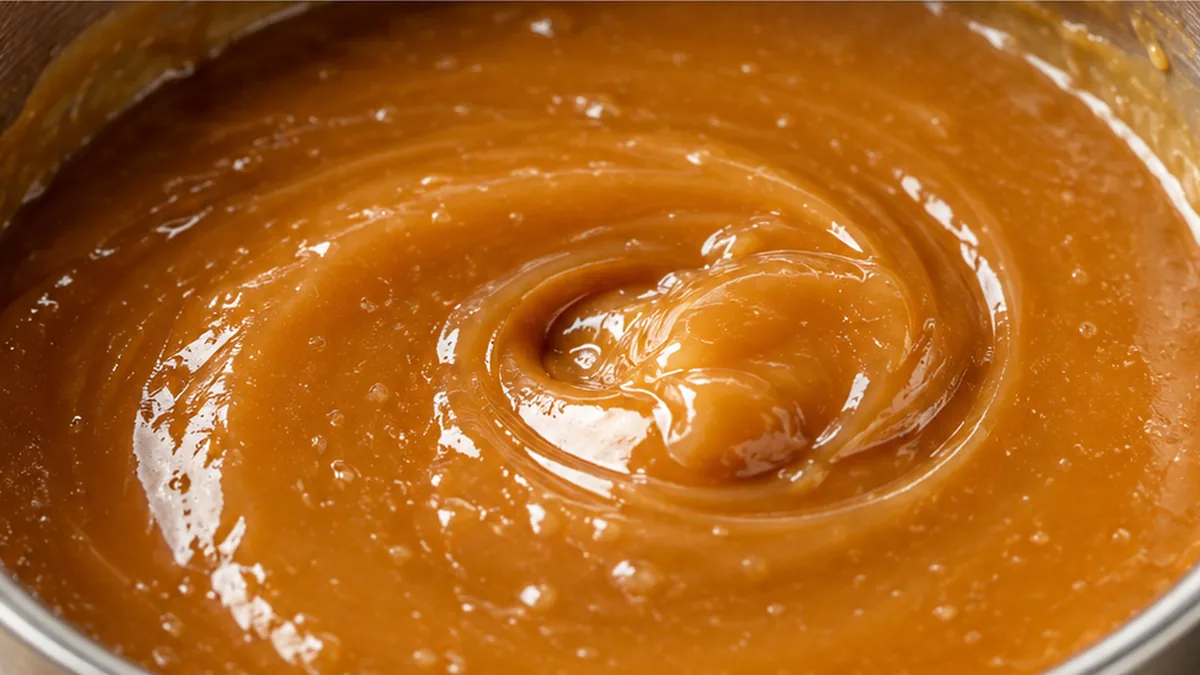
Golden Butterscotch Sauce
Ingredients
Method
- In a large heavy saucepan over medium heat, melt the butter.
- Add the sugar, salt, and cream; stir until combined and bring to a simmer.
- Let the mixture cook at a bubbling simmer for three minutes without stirring.
- Remove from heat and let cool slightly before stirring in the vanilla and liquor.
- Pour into a glass container, avoiding scraping the sides of the pan.
- Serve warm and store in the refrigerator for up to two weeks.
Video
Notes
Understanding the Role of Butter in Butterscotch Sauce
Butter serves as the base for this butterscotch sauce, contributing to its rich flavor and smooth texture. Using unsalted butter allows you to control the saltiness of the final product. The melting point of butter is around 90-95°F (32-35°C), which is crucial as it helps in creating a smooth emulsion when combined with sugar and cream.
The Importance of Dark Brown Sugar
Dark brown sugar, with its higher molasses content, adds depth and complexity to the sauce. It contains about 6.5% molasses, compared to light brown sugar’s 3.5%. This difference not only affects flavor but also moisture content, making dark brown sugar ideal for a rich butterscotch sauce. The caramelization of sugars occurs at around 320°F (160°C), so monitoring the heat is essential to prevent burning.
Why Heavy Cream is Essential
Heavy cream, with a fat content of at least 36%, is vital for achieving a luscious texture in butterscotch sauce. It helps to stabilize the emulsion created by the butter and sugar. When heated, heavy cream should be brought to a gentle simmer at around 180°F (82°C) before being mixed in, ensuring a smooth incorporation without curdling.
Common Issues and Their Solutions
- Issue: Sauce is too grainy.
- Cause: Sugar has not fully dissolved or has crystallized.
- Fix: Ensure that the sugar is fully melted before adding cream. Stir continuously and avoid abrupt temperature changes.
- Issue: Sauce is too thin.
- Cause: Insufficient cooking time or too much cream added too quickly.
- Fix: Allow the sauce to simmer longer to thicken, and add cream gradually while stirring.
- Issue: Sauce has an off flavor.
- Cause: Overcooked butter or burnt sugar.
- Fix: Keep the heat moderate and watch for a golden brown color, not dark brown.
- Issue: Sauce separates.
- Cause: Improper emulsion or temperature shock.
- Fix: Stir continuously and maintain a consistent temperature when combining ingredients.
Ingredient Swaps and Their Effects
- Swap: Light brown sugar for dark brown sugar.
- Effect: Lighter flavor and less complexity; the sauce may be less rich.
- Swap: Half-and-half for heavy cream.
- Effect: Thinner sauce with less richness; may not emulsify as well.
- Swap: Maple syrup for sugar.
- Effect: A unique flavor profile with a hint of maple; may alter the texture slightly.
- Swap: Bourbon or rum for dark liquor.
- Effect: Adds a different flavor note; ensure it complements the overall taste.
Unique Characteristics of Butterscotch Sauce
This butterscotch sauce stands apart from caramel sauce primarily due to its use of brown sugar and butter, which creates a distinct flavor profile. The higher moisture content from the molasses in brown sugar also contributes to a smoother texture. Unlike caramel, which is primarily made from white sugar, butterscotch has a deeper, more complex taste, making it a versatile topping for desserts.
How to Properly Store Butterscotch Sauce for Future Use
Storing butterscotch sauce correctly ensures its flavors and texture remain intact. Once prepared, allow the sauce to cool to room temperature before transferring it to an airtight container. It can be refrigerated for up to two weeks. For longer storage, consider freezing the sauce in ice cube trays, then transferring the frozen cubes to a zip-top bag. This method allows you to thaw only what you need, while maintaining the sauce’s quality. When reheating, do so gently on low heat to prevent separation.
Adjusting the Recipe for Larger or Smaller Batches
Scaling the butterscotch sauce recipe is straightforward, as the ingredients can be proportionally increased or decreased. For example, doubling the recipe requires 226 grams of butter, 600 grams of dark brown sugar, and so forth. However, pay attention to cooking times; larger batches may need a few extra minutes to reach the desired consistency. Conversely, smaller batches cook faster, so monitor closely to avoid burning or overcooking.
Choosing the Right Equipment for Making Butterscotch Sauce
The equipment you use can impact the final texture and flavor of your butterscotch sauce. A heavy-bottomed saucepan is recommended to distribute heat evenly and prevent scorching. Avoid non-stick pans, as they can hinder the caramelization process. A wooden spoon or silicone spatula is ideal for stirring, as these materials do not react with sugars. If you have a digital thermometer, use it to monitor the temperature for precision, especially when aiming for a specific consistency.
How Ingredient Quality Affects Butterscotch Sauce Flavor
The quality of ingredients directly influences the outcome of your butterscotch sauce. High-quality unsalted butter, preferably European-style with a higher fat content, contributes to a richer flavor. Dark brown sugar should be fresh; stale sugar can lead to a grainy texture. Using fresh, pure vanilla extract instead of imitation enhances the overall taste profile. Seasonal variations, such as using locally sourced butter or organic sugar, can also impart unique flavors that elevate your sauce.
How to Achieve the Perfect Consistency in Butterscotch Sauce
Achieving the right consistency in butterscotch sauce hinges on the balance of ingredients and cooking time. The sugar must dissolve completely, and the sauce should be brought to a gentle simmer. Cooking at too high a temperature can lead to a grainy texture due to sugar crystallization. Aim for a simmer around 210°F (99°C) for optimal results. Stir continuously to prevent scorching and ensure even cooking. If the sauce is too thin, simmer it longer to evaporate excess moisture; if too thick, add a splash of heavy cream to loosen it. The final texture should be smooth and pourable, resembling warm caramel.
How to Scale Butterscotch Sauce for Different Needs
Scaling your butterscotch sauce recipe requires careful attention to ingredient ratios. When doubling or halving the recipe, maintain the same proportions: for every stick of butter (113 grams), use 1.5 cups of dark brown sugar. However, be mindful that cooking times may vary; larger batches might need additional time to reach the desired temperature. Use a larger pot to prevent overflow and ensure even heat distribution. Monitor the sauce closely, as the increased volume can alter how quickly it thickens. Always taste and adjust seasoning, particularly salt, as larger batches can dilute flavor.
Understanding the Role of Dark Liquor in Butterscotch Sauce
Dark liquor, such as bourbon or rum, enhances the depth of flavor in butterscotch sauce, but it’s not essential. The alcohol adds complexity and a slight sweetness that complements the rich notes of brown sugar. If using, add it after the cream to prevent alcohol from evaporating too quickly. If you prefer not to use liquor, consider adding a splash of vanilla extract or a bit of molasses for a similar depth without the alcohol content. The key is to balance the sweetness and richness, ensuring that the sauce remains smooth and flavorful regardless of the added ingredient.
How to Adjust Butterscotch Sauce for Different Serving Sizes
Scaling the recipe for butterscotch sauce requires careful adjustments to maintain the right flavor and consistency. If you want to make a smaller batch, reduce the ingredients proportionally. For example, halving the recipe means using 56.5 grams of butter, 150 grams of dark brown sugar, and 1/2 cup of heavy cream. However, be cautious with cooking times; smaller batches may require less time to reach the desired thickness. Conversely, if you’re increasing the batch size, consider using a wider saucepan to allow for more even heat distribution. This prevents the sauce from burning or crystallizing. Always monitor the sauce closely, as larger quantities can take longer to reach the correct temperature.
Understanding the Impact of Cooking Temperature on Butterscotch Sauce
The cooking temperature is crucial when making butterscotch sauce. The sugar must be melted slowly over medium heat to prevent burning. Ideally, the mixture should reach around 240°F (115°C) for the perfect consistency, known as the soft ball stage. If the sauce is cooked at too high a temperature, it can become grainy or hard upon cooling. Conversely, cooking at too low a temperature may result in an overly thin sauce that fails to set properly. Use a candy thermometer to monitor the temperature accurately, and remove the sauce from heat as soon as it reaches the desired temperature. This precision ensures a smooth, glossy finish that enhances the overall flavor profile.
Pro tips
- Use dark brown sugar for a richer, deeper caramel flavor.
- Don’t stir during the 3-minute simmer to prevent crystallization.
- Cool slightly before adding vanilla and liquor to preserve their flavors.
- Store in an airtight container in the fridge for up to two weeks.
- Reheat gently over low heat, stirring constantly.
Enjoy this luscious homemade butterscotch sauce as a decadent topping or a simple pleasure on its own. Experiment with adding it to coffee or drizzling over breakfast favorites!
Frequently asked questions
Can I use light brown sugar instead of dark brown sugar?
Yes, you can use light brown sugar, but the sauce will be less rich and complex. Dark brown sugar has a higher molasses content, which contributes to the overall flavor profile of the sauce.
What can I use if I don’t have heavy cream?
If heavy cream is unavailable, you can use half-and-half, but the sauce will be thinner and less rich. For a thicker consistency, you may also consider using a combination of milk and butter.
How do I know when my butterscotch sauce is done?
Your sauce is done when it reaches a smooth, glossy consistency and has thickened slightly. It should coat the back of a spoon and have a rich, golden brown color without any graininess.
Can I store leftover butterscotch sauce?
Yes, you can store leftover butterscotch sauce in an airtight container in the refrigerator for up to two weeks. Reheat gently on the stove or in the microwave, adding a splash of cream if it thickens too much.
More from Sweet & Dessert Sauces →