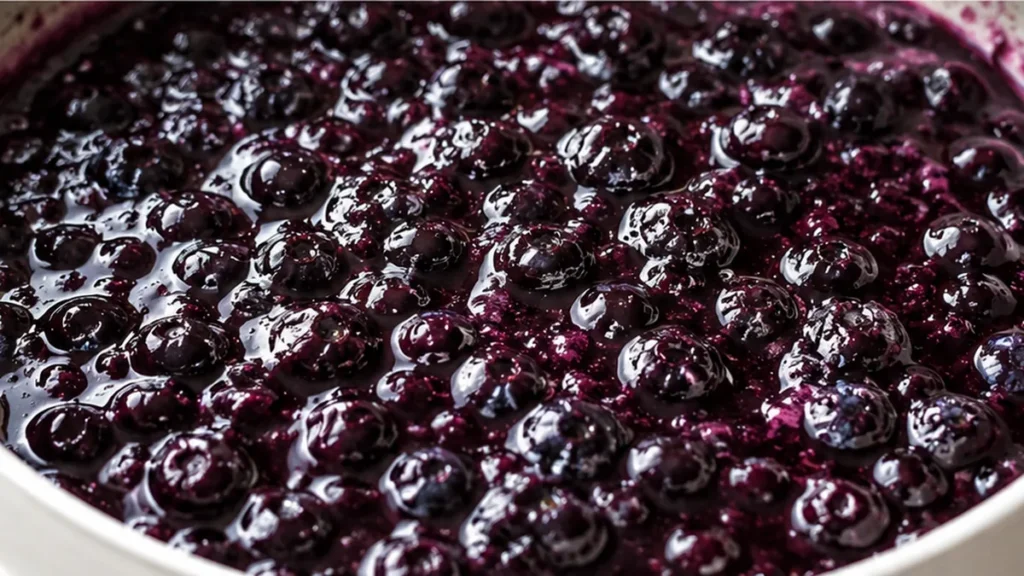
The secret to an amazing blueberry sauce lies in its simplicity and bright, fresh flavor. This recipe uses just a few pantry staples to create a luscious topping that’s far superior to anything store-bought. It’s incredibly versatile and perfect for elevating any breakfast or dessert. This blueberry sauce is designed for ease and speed, making it accessible even for beginner cooks. The balance of sweet berries, tart lemon, and a smooth texture ensures it complements everything from fluffy pancakes to creamy ice cream.
Key takeaways
- Frozen blueberries provide consistent flavor and texture.
- Balancing sugar and lemon juice is key to flavor.
- Cornstarch is essential for achieving the right thickness.
- Cooking time affects the texture and sweetness of the sauce.
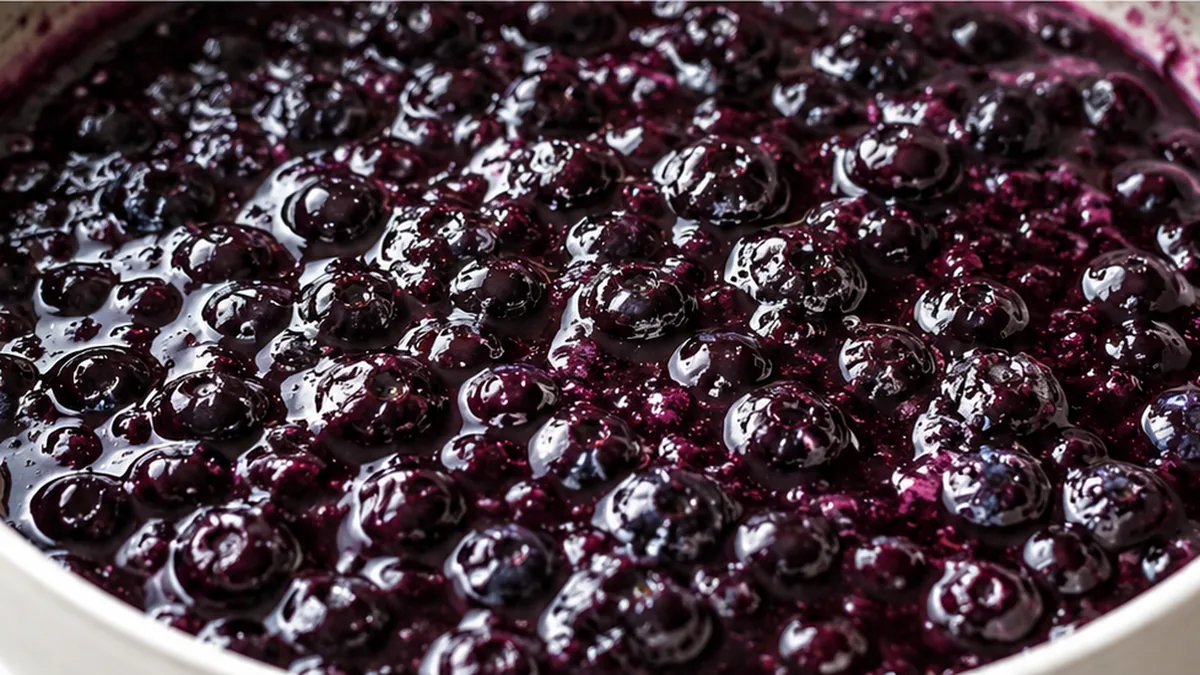
Bursting Blueberry Sauce Bliss!
Ingredients
Method
- Combine frozen blueberries, sugar, and lemon juice in a small saucepan over medium heat. Cook for 5-8 minutes, stirring often, until berries thaw and release their juices.
- Mix water and cornstarch in a tiny bowl to create a slurry. Once berries are simmering and have broken down, stir in the cornstarch mixture.
- Continue cooking and stirring until the sauce bubbles and thickens. Let it bubble for about 15 seconds.
- Immediately pour the sauce into a clean bowl. Let it cool completely at room temperature, then refrigerate for at least 1 hour until thoroughly chilled and set.
Video
Notes
Choosing the Right Blueberries for Your Sauce
For the best blueberry sauce, frozen blueberries are often preferred due to their convenience and consistent sweetness. When selecting frozen blueberries, look for ones that are plump and have minimal ice crystals. Fresh blueberries can also be used, but they may require adjustments in sugar levels due to their varying sweetness.
Balancing Sweetness and Acidity
Achieving the perfect balance between sweetness and acidity is crucial in blueberry sauce. The granulated sugar (50g) enhances the natural sweetness of the blueberries while the fresh lemon juice (15ml) adds acidity, which brightens the overall flavor. If your blueberries are particularly tart, consider increasing the sugar slightly, but be cautious not to overpower the sauce.
The Role of Cornstarch in Thickening
Cornstarch (6g) plays a vital role in achieving the desired consistency of your blueberry sauce. When mixed with water (15ml) and heated, cornstarch gelatinizes, thickening the sauce. It’s essential to mix the cornstarch with cold water before adding it to the heated blueberries to prevent clumping. The sauce should simmer for about 5-10 minutes after adding the cornstarch to ensure it thickens properly.
Common Issues and Their Solutions
- Issue: Sauce is too runny. Fix: Add more cornstarch mixed with a bit of water and simmer until thickened.
- Issue: Sauce is too sweet. Fix: Add a splash more lemon juice to balance the sweetness.
- Issue: Blueberries are tough or not bursting. Fix: Ensure they are cooked long enough to break down, typically around 10 minutes.
- Issue: Sauce is too tart. Fix: Increase the sugar slightly, but do so gradually to avoid over-sweetening.
Ingredient Substitutions and Their Effects
- Granulated sugar: Can be replaced with honey or maple syrup; expect a different flavor profile and a slightly darker color.
- Lemon juice: Lime juice can be used as a substitute; it will impart a different citrus flavor, which may be more or less appealing depending on personal taste.
- Cornstarch: Arrowroot or tapioca starch can be used instead; these alternatives may yield a slightly different texture but will still thicken the sauce effectively.
- Sea salt: Table salt can be used in place of sea salt; however, it may impart a different level of saltiness due to grain size.
How to Properly Store Blueberry Sauce for Maximum Freshness
To ensure your blueberry sauce maintains its vibrant flavor and texture, proper storage is essential. After cooking, allow the sauce to cool to room temperature, then transfer it to an airtight container. It can be refrigerated for up to one week. For longer storage, consider freezing the sauce. Use freezer-safe containers or bags, leaving some space for expansion. Frozen blueberry sauce can be stored for up to six months. When ready to use, thaw it in the refrigerator overnight or warm it gently on the stovetop.
Scaling the Recipe Without Compromising Flavor
Scaling the blueberry sauce recipe is straightforward, but attention to detail is crucial. To double the recipe, simply double all ingredients: 3 cups of blueberries, ½ cup of sugar, and so forth. However, be mindful of cooking time; larger batches may require a few extra minutes to reach the desired thickness. If increasing the recipe significantly (e.g., to quadruple), consider cooking in smaller batches to maintain even heat distribution and prevent burning.
Choosing the Right Equipment for Optimal Results
The equipment you use can significantly impact the final result of your blueberry sauce. A heavy-bottomed saucepan is ideal as it distributes heat evenly, preventing hot spots that can cause burning. A wooden spoon or silicone spatula is recommended for stirring, as these materials are gentle on your cookware. If you prefer a smoother sauce, an immersion blender can be used after cooking to achieve the desired consistency without transferring to a blender.
Seasonal Variations and Ingredient Quality Impact
Seasonality affects the flavor and quality of blueberries, which in turn influences your sauce. Fresh blueberries in summer are often sweeter and more flavorful than those available in winter. If using fresh blueberries, adjust the sugar based on their sweetness. Additionally, consider adding seasonal spices like cinnamon or nutmeg for a unique twist. When using frozen blueberries, ensure they are high-quality, as lower-grade berries may yield a sauce that lacks depth and richness.
Understanding the Impact of Ingredient Quality on Flavor
The quality of your blueberries significantly affects the overall flavor of the sauce. Fresh, ripe blueberries are naturally sweeter and more flavorful, while frozen blueberries may vary in taste. When using frozen blueberries, ensure they are high-quality, as lower-grade berries can introduce undesirable flavors. Additionally, the type of sugar used can alter the sweetness profile; for example, using brown sugar instead of granulated sugar will impart a deeper, caramel-like flavor. The lemon juice should be freshly squeezed for optimal acidity, enhancing the sauce’s brightness. Aim for a balance where the natural sweetness of the blueberries shines through without being overwhelmed by added sugars.
Batch Scaling Without Sacrificing Texture
When scaling the recipe for larger batches, maintaining the right proportions is crucial to avoid altering the texture of the sauce. For every additional cup of blueberries, increase the sugar by approximately 2 tablespoons to maintain sweetness. The cornstarch should also be adjusted; for each additional cup of blueberries, add 1 teaspoon of cornstarch to ensure the sauce remains thick and cohesive. Remember that cooking time may need to be extended slightly for larger quantities, so monitor the sauce closely to achieve the desired thickness without overcooking.
Choosing the Right Equipment for Optimal Cooking
The equipment you use can affect the outcome of your blueberry sauce. A heavy-bottomed saucepan is ideal for even heat distribution, preventing hot spots that can lead to burning. Using a wooden spoon or silicone spatula is recommended for stirring, as these materials are gentle and won’t scratch your cookware. A fine mesh strainer can be handy for those who prefer a smoother sauce, allowing you to remove any skins or seeds. Additionally, an immersion blender can be utilized if you want a more homogenous texture without transferring the sauce to a traditional blender.
Serving Suggestions to Enhance Your Blueberry Sauce
Blueberry sauce is versatile and can elevate various dishes. It pairs beautifully with pancakes, waffles, or French toast, adding a burst of flavor and color. For a sophisticated dessert, serve it over cheesecake or vanilla ice cream. It can also complement savory dishes, such as grilled pork or chicken, where the sweetness contrasts with the savory flavors. To enhance the presentation, consider garnishing with fresh mint or a dollop of whipped cream. The sauce can be served warm or chilled, depending on your preference and the dish it accompanies.
Understanding the Impact of Cooking Time on Blueberry Sauce Texture
The cooking time of your blueberry sauce is crucial for achieving the desired texture. Generally, simmering the sauce for about 10-15 minutes allows the blueberries to break down and release their natural juices, creating a rich consistency. If cooked for too long, the sauce can become overly thick and lose its fresh fruit flavor. Conversely, undercooking may result in a watery sauce. Keep an eye on the bubbles; a gentle simmer is ideal, ideally around 90-95°C (194-203°F). This temperature range helps to activate the pectin in the blueberries, which contributes to thickening without the need for excessive cornstarch.
How to Adjust Blueberry Sauce for Different Sweetness Levels
Adjusting the sweetness of your blueberry sauce can greatly enhance its flavor profile. If your sauce turns out too sweet, consider adding a bit more lemon juice to balance the flavors. Conversely, if it’s too tart, gradually incorporate additional sugar, no more than 1 tablespoon at a time, until you reach your preferred sweetness. Remember that the natural sweetness of blueberries can vary by season; fresh blueberries in peak summer may require less sugar compared to those harvested in late spring or early fall. Always taste as you go, and keep in mind that the sauce will taste slightly less sweet once it cools.
Pro tips
- Use frozen blueberries for ease and consistent results.
- Ensure the cornstarch is fully dissolved in water to prevent clumps.
- For a smoother sauce, you can blend it briefly after cooling.
Enjoy this versatile blueberry sauce on everything from pancakes to cheesecakes!
Frequently asked questions
Can I use fresh blueberries instead of frozen?
Yes, fresh blueberries can be used, but you may need to adjust the sugar content based on their sweetness. Fresh berries may also require a longer cooking time to break down properly.
How long can I store blueberry sauce?
Blueberry sauce can be stored in an airtight container in the refrigerator for up to one week. For longer storage, consider freezing it, where it can last for several months.
What can I serve blueberry sauce with?
Blueberry sauce pairs wonderfully with pancakes, waffles, yogurt, ice cream, or even savory dishes like grilled meats. Its versatility makes it an excellent addition to various meals.
Why is my blueberry sauce not thickening?
If your sauce isn’t thickening, it may be due to insufficient cornstarch or not cooking it long enough after adding the cornstarch. Ensure you simmer it for about 5-10 minutes after thickening agents are added.
More from Sweet & Dessert Sauces →