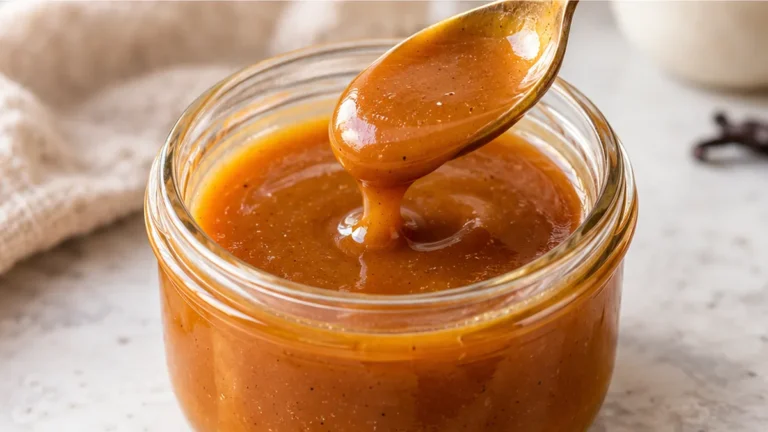
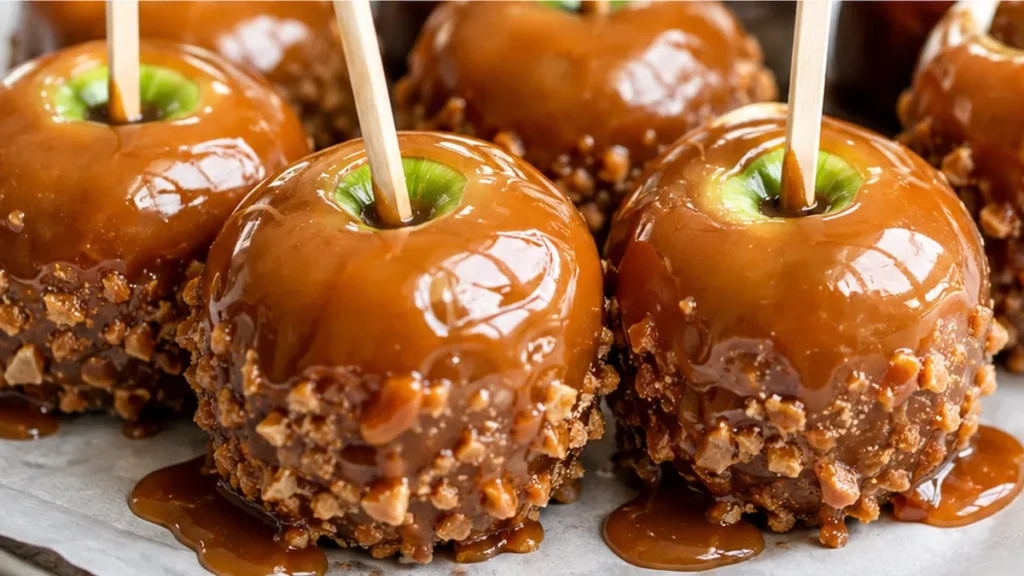
Caramel apples are a classic treat that can be elevated with the perfect gooey caramel. Our recipe ensures a luscious coating that clings beautifully to crisp Granny Smith apples, creating that iconic fall treat. Forget store-bought; this homemade version is simpler than you think and infinitely more satisfying.
Key takeaways
- Choose Granny Smith apples for the best balance of tartness and crunch.
- Heat the caramel mixture to 240°F (115°C) for the right consistency.
- Ensure apples are thoroughly dry to prevent caramel from sliding off.
- Adding marshmallows creates a uniquely gooey texture not found in traditional recipes.
Gooey Caramel Apples!
Ingredients
- 9 Granny Smith apples
- 9 wooden caramel apple sticks
- 1/2 cup butter
- 2 cups brown sugar
- 1 can sweetened condensed milk
- 1 cup corn syrup
- 13 large marshmallows
Instructions
- Wash and dry the apples thoroughly. Twist off the stems until they pop out, then insert a wooden stick into each apple.
- In a heavy-bottomed saucepan, melt butter with brown sugar, sweetened condensed milk, and corn syrup over medium-low heat until smooth.
- Increase heat to medium-high and bring to a rolling boil, stirring constantly. Continue stirring until the mixture reaches 240°F (115°C).
- Immediately remove the caramel from heat and stir in the marshmallows until completely melted and combined.
- Dip each apple into the caramel mixture. Tilt the pan and twist the apple slowly to coat evenly.
- Lift the apple and twirl gently over the saucepan to let excess caramel drip off, creating a smooth coating.
- Place coated apples on parchment paper to set. Let them cool completely before enjoying the gooey goodness!
Video
Notes
The Importance of Choosing the Right Apples
For caramel apples, Granny Smith apples are ideal due to their tartness, which balances the sweetness of the caramel. Their firm texture holds up well against the heat of the caramel, providing a satisfying crunch. Each apple should weigh around 150-200 grams for optimal caramel coverage.
Understanding Caramel Consistency
The caramel’s texture is crucial for achieving that gooey finish. The combination of butter, brown sugar, sweetened condensed milk, and corn syrup creates a smooth caramel. Heat the mixture to a precise temperature of 240°F (115°C) to reach the soft ball stage, which is essential for the right consistency. Stir continuously to avoid burning and ensure even melting.
Common Issues with Caramel Coating
One common issue is caramel not sticking to the apple. This can happen if the apples are wet or not properly prepped. Make sure to wash and dry the apples thoroughly, removing any waxy coating. If the caramel is too thick, it may not adhere well; adjust the cooking time or add a little more corn syrup to achieve the desired fluidity.
Ingredient Substitutions and Their Effects
- Brown Sugar: Using white sugar instead will yield a less rich flavor but a similar texture.
- Corn Syrup: Substituting with honey can add a floral note, but it may alter the caramel’s consistency.
- Marshmallows: Omit them for a firmer caramel; however, this will reduce the gooeyness.
- Butter: Margarine can be used, but it may affect the flavor and richness of the caramel.
The Unique Texture of Gooey Caramel Apples
This recipe stands out because of the marshmallows, which contribute to the gooey texture that traditional caramel apples lack. The marshmallows melt into the caramel, creating a chewy layer that enhances the overall experience. This addition is less common in standard caramel apple recipes, making these apples uniquely indulgent.
How to Ensure Your Caramel Coats Evenly
Achieving an even coating of caramel on your apples is crucial for both appearance and taste. Start by ensuring your apples are thoroughly washed and dried; moisture can prevent the caramel from adhering properly. When dipping the apples, submerge them fully in the caramel for a few seconds, allowing the excess to drip off. This ensures a uniform layer. A temperature of about 240°F (115°C) for the caramel is ideal; this is the soft ball stage where the caramel will coat without being too runny. If the caramel is too thick, reheat it gently while stirring to maintain consistency.
Understanding the Importance of Temperature Control
Temperature control is vital when making gooey caramel apples. The caramel should be cooked to the soft ball stage, around 240°F (115°C). If the temperature is too low, the caramel will not set properly, resulting in a sticky mess. Conversely, cooking it too high (above 250°F or 121°C) can lead to a hard, brittle coating. Use a candy thermometer for accuracy. Additionally, let the caramel cool slightly before dipping to avoid burning yourself and to help it adhere better to the apples.
Scaling the Recipe Without Compromise
If you want to scale the recipe, maintain the same ratios of ingredients for consistency. For instance, if you double the recipe, use 1 cup of butter, 4 cups of brown sugar, and adjust the sweetened condensed milk and corn syrup accordingly. However, keep in mind that cooking time may increase. Monitor the temperature closely as larger batches can take longer to reach the desired consistency. Scaling can also affect the cooling time; larger batches may require more time to set properly.
Choosing Seasonal Ingredients for Optimal Flavor
The quality of ingredients can greatly affect the flavor of your caramel apples. Using fresh, seasonal apples like Granny Smith during fall ensures a crisp, tart base that contrasts beautifully with the sweet caramel. Additionally, consider using high-quality butter and brown sugar for a richer flavor. If using marshmallows, opt for fresh ones as they melt more smoothly into the caramel. Seasonal variations in apples can also influence sweetness and tartness, so taste your apples before committing to the recipe.
How to Make Caramel Apples Ahead of Time
Preparing caramel apples in advance can save you time, especially for gatherings. To do this, follow these steps: After coating the apples with caramel, allow them to cool completely at room temperature. Once cooled, place them in the refrigerator. Properly wrap each apple in wax paper or plastic wrap to prevent moisture loss. They can be stored this way for up to 2 days without losing their gooey texture. However, avoid freezing them, as the caramel may become grainy upon thawing.
Understanding Equipment for Caramel Making
The equipment used to make caramel can significantly impact the final product. A heavy-bottomed saucepan is essential for even heat distribution, preventing hotspots that can lead to burning. A candy thermometer is highly recommended to achieve the ideal caramel consistency, which should reach between 240°F to 250°F (115°C to 120°C). Wooden spoons or silicone spatulas are best for stirring, as they withstand higher temperatures without melting. If using a microwave, be cautious with cooking times, as uneven heating can lead to inconsistent caramel.
Adjusting Recipe Size for Events
Scaling the recipe for larger gatherings requires careful consideration. Doubling or tripling the ingredients is straightforward, but pay attention to cooking times. For larger batches, increase the cooking time by a few minutes, and monitor the caramel temperature closely. Ensure you have enough space to cool the apples without overcrowding, as this can affect the caramel’s set. Additionally, consider using multiple pots to speed up the process if you’re making a significant amount.
Seasonal Variations in Caramel Apples
The quality of ingredients can vary with the seasons, affecting the overall taste and texture of your caramel apples. For instance, apples harvested in the fall tend to be crisper and have a more robust flavor, making them ideal for caramel coating. In contrast, apples in the spring may be softer and less flavorful. Additionally, consider incorporating seasonal spices like cinnamon or nutmeg into the caramel for a festive twist. Using high-quality butter and fresh marshmallows will also enhance the flavor profile, making your caramel apples stand out.
How to Achieve the Perfect Caramel Texture
The texture of your caramel is crucial for creating that gooey, sticky coating on your apples. To achieve this, you need to cook the caramel mixture to the right temperature. Aim for between 240°F and 245°F (115°C to 118°C) on a candy thermometer. This temperature range allows the sugar to reach the soft-ball stage, which provides the desired consistency. If the caramel is too thin, it will slide off the apple; if it’s too thick, it will crack when bitten into. To test, drop a small amount into cold water; it should form a soft ball that holds its shape but can be flattened easily. Adjusting the cooking time and temperature is key to mastering this balance.
Understanding the Impact of Apple Preparation on Flavor
The preparation of your apples significantly influences the final flavor and texture of your gooey caramel apples. Start by thoroughly washing and drying the Granny Smith apples to remove any wax or residue that could prevent the caramel from adhering properly. Additionally, consider chilling the apples in the refrigerator for about 30 minutes before dipping them. This helps the caramel to set more quickly, resulting in a thicker layer. If you prefer a more complex flavor, you can also try lightly toasting the wooden sticks in the oven for a few minutes before inserting them into the apples. This subtle change can enhance the overall taste experience, complementing the tartness of the Granny Smith apples with a hint of smokiness.
Understanding the Storage and Shelf Life of Caramel Apples
Caramel apples can be stored effectively to maintain their gooey texture and flavor. When properly wrapped in wax paper or plastic wrap and stored in an airtight container, they can last for about 1 week at room temperature. However, refrigeration can alter the texture of the caramel, making it less gooey and more firm. If you want to enjoy the best texture, it’s advisable to consume them within the first few days of making them. If you’re preparing them ahead of time, consider making the caramel and apple assembly fresh, storing the caramel separately in an airtight container at room temperature for up to 2 weeks, and then dipping the apples just before serving.
Scaling the Recipe for Larger Gatherings
Scaling the gooey caramel apples recipe is straightforward but requires careful adjustments to maintain the caramel’s consistency and flavor. For every additional batch of 9 apples, increase the butter to 1/4 cup, brown sugar to 1 cup, sweetened condensed milk to 1/2 can, corn syrup to 1/2 cup, and marshmallows to 4.5 large marshmallows. This scaling ensures that the caramel maintains its gooey texture and flavor profile. When scaling, ensure your cooking pot is large enough to accommodate the increased volume, as overcrowding can lead to uneven cooking. Additionally, monitor the temperature closely, as larger batches may require slightly longer cooking times to reach the desired caramelization.
Pro tips
- Ensure your apples are completely dry before dipping for best adhesion.
- Use a heavy-bottomed saucepan to prevent scorching.
- Don’t skip the candy thermometer; hitting 240°F is critical for chewy caramel.
- If caramel hardens too much, gently reheat with a tablespoon of water or milk.
Enjoy these homemade caramel apples as a delightful treat or share them with loved ones for a taste of autumn magic.
Frequently asked questions
Can I use other types of apples for this recipe?
While Granny Smith apples are recommended for their tartness and firmness, you can use Fuji or Honeycrisp apples. However, these will be sweeter and may not provide the same contrast to the caramel.
What should I do if my caramel is too thick?
If your caramel is too thick, it may not coat the apples properly. You can thin it by adding a small amount of corn syrup or water and gently reheating it until you reach the desired consistency.
How long do caramel apples last?
Caramel apples can be stored in the refrigerator for up to a week. However, they are best enjoyed fresh as the caramel can harden over time, affecting the texture.
Can I make caramel apples without marshmallows?
Yes, you can make caramel apples without marshmallows. However, omitting them will result in a firmer caramel that lacks the gooey texture that makes this recipe special.
More from Sweet & Dessert Sauces →