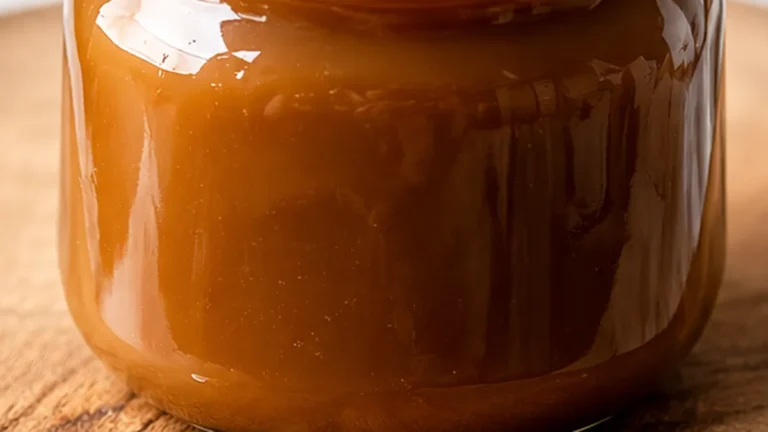
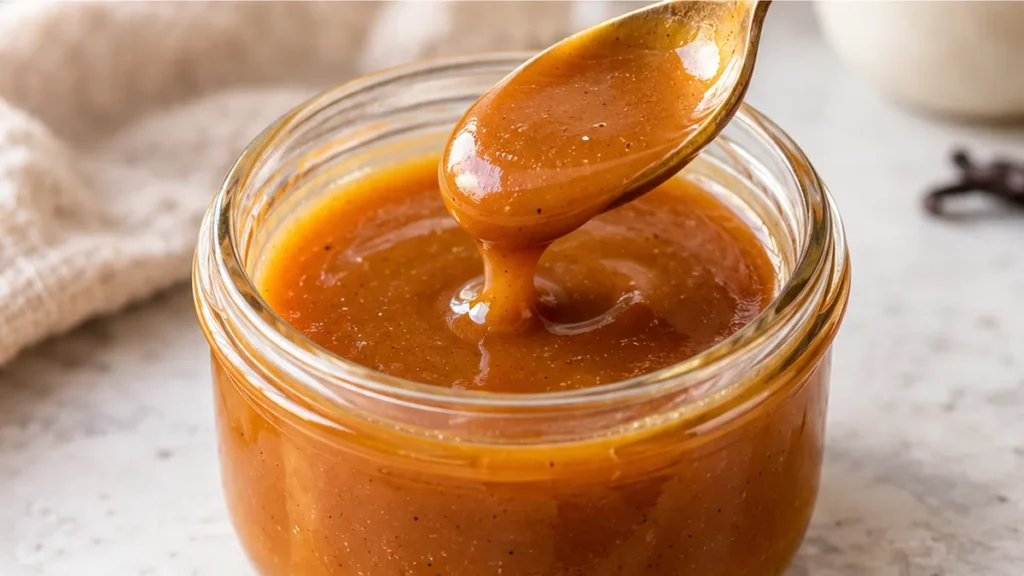
Indulge in heavenly paleo vanilla caramel sauce that enhances your favorite desserts. This recipe uses natural ingredients for a rich flavor.
Key takeaways
- Use coconut cream for a rich texture.
- Monitor temperature closely to prevent burning.
- Avoid stirring excessively to prevent crystallization.
- Experiment with flavor swaps for unique variations.
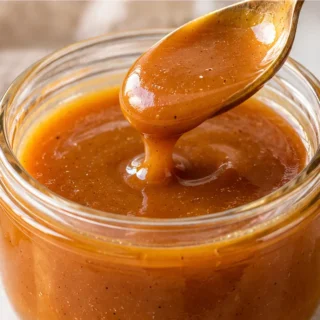
Indulge in Heavenly Paleo Vanilla Caramel Sauce!
Ingredients
- 1 (13.5 ounce) can coconut cream
- 6 tablespoons coconut sugar
- 3 tablespoons 100% pure maple syrup
- 1 tablespoon vanilla
- pinch sea salt
- 1/2-1 tablespoon coconut oil
- Heavy-bottomed saucepan
- Silicone spatula
- High-speed blender or food processor
Instructions
- To a heavy-bottomed saucepan, add the coconut cream, coconut sugar, and 100% pure maple syrup. Warm on MEDIUM-HIGH heat, stirring frequently, until bubbles begin to form. Reduce heat to MEDIUM and continue to simmer for another 30-35 minutes.
- Remove from heat and stir in the vanilla, a pinch of sea salt, and 1/2 tablespoon coconut oil. If the ingredients don’t blend together, transfer the sauce to a high-speed blender and blend on LOW to MEDIUM speed until emulsified.
- Let cool and refrigerate in a glass container for up to two weeks.
Understanding the Role of Coconut Cream in Texture
Coconut cream is a crucial component in this Paleo vanilla caramel sauce, providing a rich and creamy texture. When heated, the fats in coconut cream emulsify, creating a smooth sauce. The ideal temperature for heating coconut cream is around 85°C (185°F). This temperature allows the fats to melt without separating, ensuring a homogenous mixture. Additionally, the high-fat content helps in achieving a velvety mouthfeel that is essential for a luxurious caramel sauce.
Common Pitfalls When Preparing Paleo Caramel Sauce
One of the most common issues when making caramel sauce is crystallization. This occurs when sugar molecules form crystals instead of dissolving smoothly. To avoid this, ensure that your cooking surface is clean and avoid stirring the sauce too much once the sugar begins to dissolve. If crystallization occurs, adding a small amount of lemon juice can help break down the crystals and restore the sauce’s smoothness.
Swapping Ingredients for Flavor Variations
While the recipe calls for vanilla extract, one could experiment with other flavorings such as almond extract or even a hint of espresso. However, substituting these flavors may alter the overall profile of the sauce. For instance, almond extract can lend a nutty undertone, while espresso can deepen the sauce’s complexity. It’s essential to use these substitutes sparingly to avoid overpowering the caramel’s sweetness.
Temperature Control: The Key to Perfect Caramelization
Temperature control is vital in achieving the perfect caramelization. Ideally, the sauce should reach a temperature of 110°C (230°F) to achieve the desired caramel flavor. Use a candy thermometer to monitor the temperature accurately. Cooking at too high a temperature can lead to burnt flavors, while too low a temperature may result in a lack of depth in flavor. Keeping the heat steady and adjusting as necessary is crucial for success.
Understanding the Impact of Ingredient Quality on Flavor
The quality of ingredients used in the Paleo vanilla caramel sauce significantly influences the final flavor profile. For instance, using high-quality vanilla extract or vanilla beans will yield a more aromatic and flavorful sauce compared to artificial flavorings. Additionally, the type of coconut cream matters; opting for organic, full-fat coconut cream will provide a richer and creamier texture. Freshness is also key; older ingredients may result in a less vibrant taste. When selecting your ingredients, prioritize organic options where possible to avoid additives that could alter the intended flavor.
Scaling the Recipe for Different Occasions
Scaling your Paleo vanilla caramel sauce recipe can be straightforward, but it’s crucial to maintain the right ratios. If you wish to double or triple the recipe, ensure you adjust the cooking time accordingly; larger batches may require longer cooking to achieve the desired caramelization. However, be cautious not to overcrowd the pan, as this can lead to uneven cooking. Use a larger saucepan to allow for proper heat distribution. When scaling, also consider that the flavors may intensify, so taste as you go to adjust sweetness or saltiness as needed.
Equipment Variations and Their Effects on Cooking
The choice of equipment can greatly affect the outcome of your Paleo vanilla caramel sauce. For instance, using a heavy-bottomed saucepan helps distribute heat evenly, preventing hotspots that can lead to burning. Non-stick pans can also be beneficial, as they reduce the risk of the sauce sticking and burning. If using a thermometer, ensure it’s calibrated correctly to monitor the temperature accurately, as precision is vital in caramel making. Each piece of equipment has its quirks, so familiarize yourself with how your tools behave to optimize your cooking process.
Serving Suggestions and Pairing Ideas
This Paleo vanilla caramel sauce is versatile and can elevate various dishes. Consider drizzling it over fresh fruits like apples or pears for a simple yet elegant dessert. It pairs beautifully with dairy-free ice creams or can be used as a topping for pancakes or waffles. For a more indulgent experience, serve it alongside nut-based desserts, where the nutty flavors complement the caramel’s sweetness. Additionally, incorporating a pinch of sea salt can enhance the overall flavor, creating a delightful sweet-salty contrast that enhances the dish.
Understanding the Make-Ahead and Storage Options for Paleo Vanilla Caramel Sauce
Preparing your paleo vanilla caramel sauce in advance can save time and enhance your dessert experience. When stored correctly, this sauce can last in the refrigerator for up to two weeks. To ensure it remains fresh, use an airtight container and allow it to cool to room temperature before sealing. When reheating, do so gently over low heat, stirring frequently to restore its smooth texture. It’s essential to note that while refrigeration can prolong shelf life, it may slightly alter the sauce’s consistency. If it thickens too much, simply whisk in a small amount of coconut milk or water to reach your desired consistency.
Scaling the Recipe: Adjusting Ingredients for Larger Batches
When scaling your paleo vanilla caramel sauce recipe for larger gatherings, it’s crucial to maintain the ingredient ratios to ensure consistent flavor and texture. For instance, if doubling the recipe, use twice the amount of all ingredients, but be mindful that cooking times may vary. A larger batch may require a longer cooking time to achieve the perfect caramelization. Always monitor the sauce closely and use a candy thermometer to check for the desired temperature, which should reach around 115°C (240°F) for a thick, pourable consistency. Adjusting the cooking time based on the batch size helps prevent burning and ensures the sauce remains delicious.
How Equipment Differences Affect the Outcome of Your Sauce
The equipment you use can significantly influence the final result of your paleo vanilla caramel sauce. For instance, a heavy-bottomed saucepan distributes heat more evenly, reducing the risk of hot spots that can lead to burning. Non-stick pans can also make for easier cleanup but may not provide the same level of caramelization as stainless steel or cast iron. Additionally, using a whisk instead of a spoon can help incorporate air into the sauce, leading to a lighter texture. If you have an immersion blender, it can be used to achieve a smoother consistency after cooking, especially if you desire a creamier sauce.
Seasonal Variations and Ingredient Quality Impacting Flavor
The quality of your ingredients can significantly influence the flavor profile of your paleo vanilla caramel sauce. Using fresh, high-quality vanilla extract or vanilla beans can enhance the sauce’s aroma and taste. Additionally, seasonal variations in coconut cream can affect the sauce’s creaminess. In warmer months, coconut cream tends to be softer and easier to blend, while in cooler months, it may solidify, requiring gentle warming. Furthermore, incorporating seasonal flavors, such as a hint of cinnamon in the fall or a splash of citrus in spring, can elevate your caramel sauce, making it a versatile addition to various dishes throughout the year.
Understanding the impact of coconut cream on the final texture
Coconut cream is a key ingredient in paleo vanilla caramel sauce, serving both as a sweetener and a thickening agent. The fat content in coconut cream, which typically ranges from 20-30%, plays a crucial role in achieving the desired creamy texture. When heated, the fat melts and emulsifies with the other ingredients, creating a smooth and rich sauce. If the coconut cream is too cold or not fully integrated, it can lead to a lumpy sauce. To prevent this, ensure that the coconut cream is at room temperature before adding it to the mixture. Additionally, using full-fat coconut cream rather than light versions can enhance the sauce’s richness. The quality of coconut cream can vary significantly; brands with higher fat content will yield a thicker sauce, while lower-fat options may result in a thinner consistency.
Adjusting sweetness levels for personal preference
The sweetness of your paleo vanilla caramel sauce can be adjusted to suit individual tastes, which is particularly important for those following a paleo diet. Natural sweeteners like maple syrup or honey can be used, but the quantity may need to be altered based on personal preference and the sweetness of the coconut cream used. Generally, starting with a smaller amount of sweetener and tasting as you go is advisable. For a less sweet sauce, consider reducing the sweetener by about 25% and gradually add more if needed. Keep in mind that the flavor profile will also change slightly depending on the sweetener chosen; for instance, maple syrup imparts a distinct flavor that differs from honey or coconut sugar. Experimenting with different sweeteners can lead to a unique caramel sauce that perfectly matches your palate.
Pro tips
Pro tip: Best served immediately while hot!
Frequently asked questions
Can I use regular cream instead of coconut cream?
Yes, regular cream can be used, but it will alter the recipe’s Paleo aspect. Coconut cream provides a unique flavor and texture that regular cream may not replicate.
What should I do if my caramel sauce is too thick?
If your sauce is too thick, you can thin it by adding a small amount of water or coconut milk, then gently reheating while stirring until the desired consistency is achieved.
How do I store leftover caramel sauce?
Store leftover caramel sauce in an airtight container in the refrigerator for up to two weeks. Reheat gently on the stove or in the microwave before using.
Can I make this sauce ahead of time?
Yes, this sauce can be made ahead of time. Just ensure it is stored properly in the refrigerator and reheated gently before serving.
More from Sweet & Dessert Sauces →