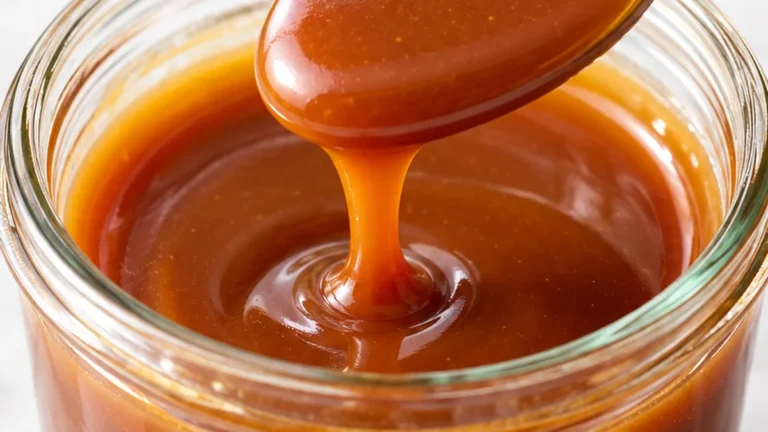
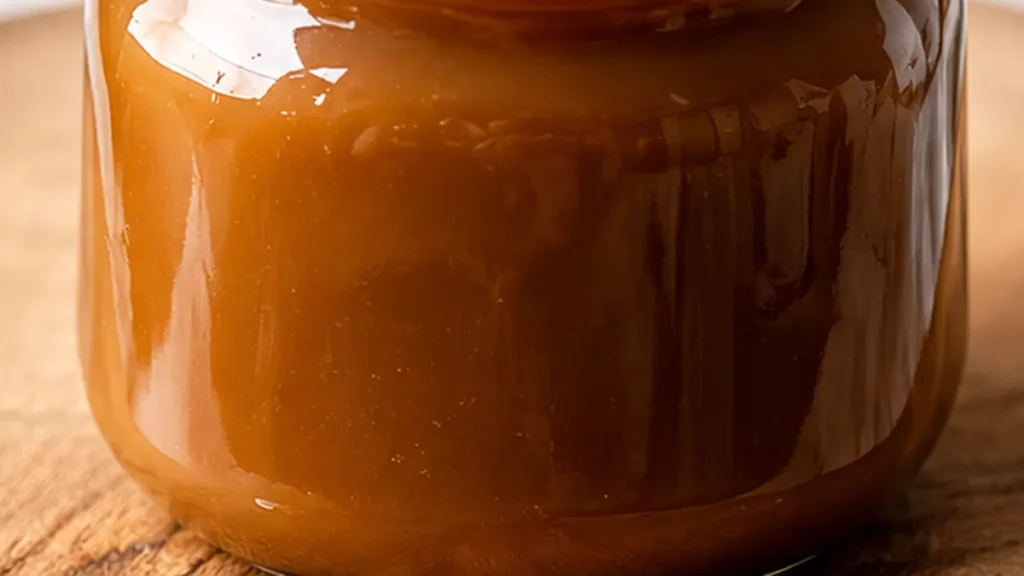
This homemade apple cider caramel sauce combines fresh apples with sugar and cream. It’s a simple recipe that enhances desserts and snacks.
Key takeaways
- Monitor the temperature closely to prevent burning.
- Avoid stirring sugar too much to prevent crystallization.
- Consider ingredient swaps for different flavor profiles.
- Apple cider adds unique fruity notes to the caramel sauce.
Homemade Apple Cider Caramel Sauce
Ingredients
- 2 cups apple cider
- 1 teaspoon cinnamon
- 1 cup granulated sugar
- 6 tablespoons unsalted butter
- ⅓ cup heavy whipping cream
- ½ teaspoon vanilla extract
- 1 pinch kosher salt
Instructions
- In a saucepan, combine 2 cups apple cider and 1 teaspoon cinnamon. Cook over medium-high heat for 18-20 minutes until reduced to about ¼ cup.
- In a separate, dry saucepan, add 1 cup granulated sugar over medium-low heat. Spread evenly and do not stir initially.
- As sugar melts, gently tilt the pan. Once liquid sugar appears, stir carefully until all sugar is melted and smooth.
- Continue cooking and stirring gently until the sugar reaches a deep amber color, about 5-10 minutes.
- Carefully whisk in 6 tablespoons unsalted butter, one tablespoon at a time, until fully melted.
- Slowly pour in ⅓ cup heavy whipping cream while whisking constantly. Be cautious as the mixture will bubble up.
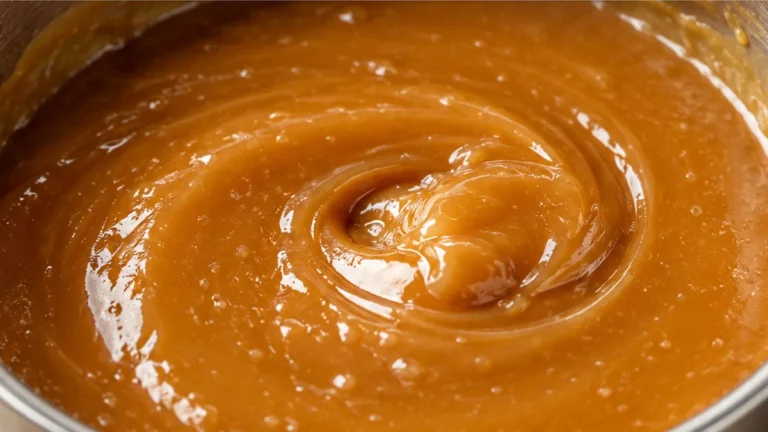
- Whisk in ½ teaspoon vanilla extract and 1 pinch kosher salt. Cook for another minute until smooth.
Understanding the Science Behind Caramelization
Caramelization is a complex chemical reaction that occurs when sugar is heated. The process begins around 160°C (320°F) and can reach temperatures as high as 180°C (356°F). During this time, the sugar molecules break down and form new compounds, resulting in the rich, deep flavors characteristic of caramel. For homemade apple cider caramel sauce, it’s crucial to monitor the temperature closely to prevent burning, which can happen quickly if the heat is too high.
Common Pitfalls and How to Avoid Them
One common issue when making caramel sauce is crystallization. This can occur if sugar is stirred too much or if impurities are present. To avoid this, ensure that your utensils and cooking surface are clean, and refrain from stirring the sugar until it has melted. If crystallization does occur, adding a small amount of water can help dissolve the sugar back into the mixture.
Another potential failure point is the sauce being too thin or too thick. If the sauce is too thin, it may not have cooked long enough to achieve the desired consistency. Conversely, if it’s too thick, it may have been cooked for too long or at too high a temperature. Aim for a temperature of around 115°C (240°F) for a smooth, pourable consistency.
Ingredient Swaps and Their Impacts
Using different types of sugar can yield varying results in your caramel sauce. For instance, substituting white sugar with brown sugar will impart a deeper, molasses-like flavor due to the presence of molasses in brown sugar. However, it may also result in a slightly darker color and a more complex flavor profile. Similarly, using apple cider vinegar instead of apple cider can add a tangy note, but it may alter the sweetness balance.
Unique Aspects of Apple Cider Caramel Sauce
This homemade apple cider caramel sauce stands out from traditional caramel sauces due to the infusion of apple cider, which adds a fruity dimension to the flavor. The acidity in the cider helps to balance the sweetness of the sugar, creating a more nuanced taste. Additionally, the apple notes can complement a variety of desserts, making this sauce versatile for drizzling over ice cream, pancakes, or even as a dip for fresh fruits.
How to Properly Store Homemade Apple Cider Caramel Sauce
Storing homemade apple cider caramel sauce correctly is essential to maintaining its flavor and texture. After preparing the sauce, allow it to cool to room temperature before transferring it to an airtight container. It can be stored in the refrigerator for up to two weeks. For longer storage, consider freezing the caramel sauce. Use freezer-safe containers or ice cube trays for portioning. When ready to use, thaw it in the refrigerator overnight and gently reheat it on the stove over low heat, stirring until smooth.
Scaling the Recipe for Larger Gatherings
If you’re planning to serve homemade apple cider caramel sauce for a larger group, scaling the recipe is straightforward. However, it’s important to maintain the same ratios of ingredients to ensure consistent flavor and texture. When doubling or tripling the recipe, use a larger pot to prevent overflow during cooking. Keep an eye on the cooking time, as larger batches may take a bit longer to reach the desired consistency. Always test the sauce by dropping a small amount into cold water to check if it reaches the soft-ball stage.
Choosing the Right Equipment for Caramelization
The type of equipment you use can significantly affect the outcome of your homemade apple cider caramel sauce. A heavy-bottomed saucepan is ideal, as it distributes heat evenly and prevents hot spots that can lead to burning. A candy thermometer is also highly recommended for precise temperature control, especially when aiming for the perfect caramel consistency. If you don’t have a thermometer, you can use the cold water test, but a thermometer will provide more reliable results.
Pairing Suggestions for Serving Apple Cider Caramel Sauce
Homemade apple cider caramel sauce is incredibly versatile and pairs well with a variety of desserts. Drizzle it over vanilla ice cream for a classic treat, or use it as a dip for fresh apple slices. It also complements baked goods like apple pie or pumpkin bread, adding a rich, sweet flavor. For a more sophisticated pairing, consider serving it with cheese, such as sharp cheddar or creamy Brie, to create a delightful contrast of flavors.
Understanding the Impact of Ingredient Quality on Flavor
The flavor profile of homemade apple cider caramel sauce is heavily influenced by the quality of the ingredients used. Fresh, high-quality apples will yield a more vibrant and complex flavor in the cider, which translates directly into the caramel sauce. For instance, using a mix of sweet and tart apples can create a well-rounded cider that enhances the overall taste of the caramel. It’s also essential to consider the sweetness of the apple cider; a more robust cider will result in a richer caramel. Aim for apple cider with no added sugars or preservatives, as these can interfere with the caramelization process and the final flavor profile.
Adjusting for Seasonal Variations in Apples
Apples vary significantly in flavor and sweetness depending on the season. In the fall, you may find a wide variety of apples that are at their peak flavor, such as Honeycrisp or Fuji. In contrast, during spring or summer, the available apples may not have the same depth of flavor. This seasonal variation means that you may need to adjust your recipe slightly based on the apples you have. For example, if using less sweet apples, consider increasing the sugar content in your caramel sauce to balance the flavors. Additionally, experimenting with local varieties can lead to unique flavor profiles that enhance your homemade apple cider caramel sauce.
Batch Scaling and Adjustments for Larger Quantities
When scaling your homemade apple cider caramel sauce recipe for larger gatherings, it’s crucial to maintain the correct ratios of ingredients to ensure consistent flavor and texture. Doubling or tripling the recipe might seem straightforward, but the cooking time and temperature may need adjustment. A larger batch may take longer to reach the desired temperature during the caramelization process, so use a candy thermometer to monitor the temperature closely. Additionally, consider using a larger, wider pot to allow for even heat distribution, which can prevent the sauce from burning. Always taste and adjust the sweetness or acidity after scaling, as larger quantities can sometimes alter the balance of flavors.
Understanding the Make-Ahead Benefits of Homemade Apple Cider Caramel Sauce
Homemade apple cider caramel sauce can be prepared ahead of time, making it a convenient addition to your culinary repertoire. When made in advance, the sauce can be stored in the refrigerator for up to two weeks. To ensure optimal texture and flavor, allow the sauce to cool completely before transferring it to an airtight container. When ready to use, gently reheat the sauce over low heat, stirring continuously to restore its smooth consistency. This method not only saves time during busy cooking sessions but also allows the flavors to meld and deepen, enhancing the overall taste experience.
Exploring Equipment Variations for Caramelization
The equipment used for making homemade apple cider caramel sauce can significantly affect the final product. A heavy-bottomed saucepan is ideal for even heat distribution, preventing hot spots that can lead to burning. Non-stick pans may seem convenient, but they can affect the caramel’s texture. Additionally, using a candy thermometer can help in achieving the perfect temperature for caramelization, typically around 170°C (340°F). If you prefer a more rustic approach, a cast-iron skillet can add a unique depth of flavor, though it requires more attention to prevent scorching. Each piece of equipment brings its own characteristics to the sauce, influencing both its texture and flavor profile.
Understanding the Best Ways to Store Homemade Apple Cider Caramel Sauce
Storing homemade apple cider caramel sauce properly is essential to maintain its rich flavor and smooth texture. Ideally, it should be refrigerated in an airtight container, where it can last for up to two weeks. For longer storage, consider freezing the sauce in small portions. Use freezer-safe containers or silicone ice cube trays to make thawing easier. When ready to use, thaw the sauce in the refrigerator overnight and gently reheat it on the stove or in the microwave, stirring to restore its creamy consistency. Avoid refreezing thawed caramel, as this can alter its texture and flavor.
Adjusting the Recipe for Seasonal Apple Varieties
The flavor profile of your homemade apple cider caramel sauce can vary significantly depending on the apple varieties used. In the fall, opt for tart and crisp apples like Granny Smith or Honeycrisp to create a more balanced sauce, while sweeter varieties like Fuji or Gala can be used in spring and summer for a sweeter outcome. Adjusting the sugar content in the recipe may also be necessary based on the sweetness of the apples. Additionally, consider incorporating spices like cinnamon or nutmeg for seasonal flair, enhancing the overall flavor without overpowering the apple cider base.
Pro tips
Pro tip: Best served immediately while hot!
Frequently asked questions
What can I use if I don’t have apple cider?
If you don’t have apple cider, you can substitute it with apple juice or a mixture of water and a splash of vinegar for acidity. However, this may alter the flavor slightly.
Can I make this sauce ahead of time?
Yes, you can make the apple cider caramel sauce ahead of time. Store it in an airtight container in the refrigerator for up to two weeks. Reheat gently before serving.
Why did my caramel sauce crystallize?
Caramel sauce can crystallize if the sugar is disturbed while melting or if impurities are present. To prevent this, avoid stirring until the sugar has fully melted and ensure all utensils are clean.
How can I thicken my caramel sauce?
If your caramel sauce is too thin, continue to cook it over low heat until it reaches the desired thickness. Be cautious not to overcook, as this can lead to burning.
More from Sweet & Dessert Sauces →