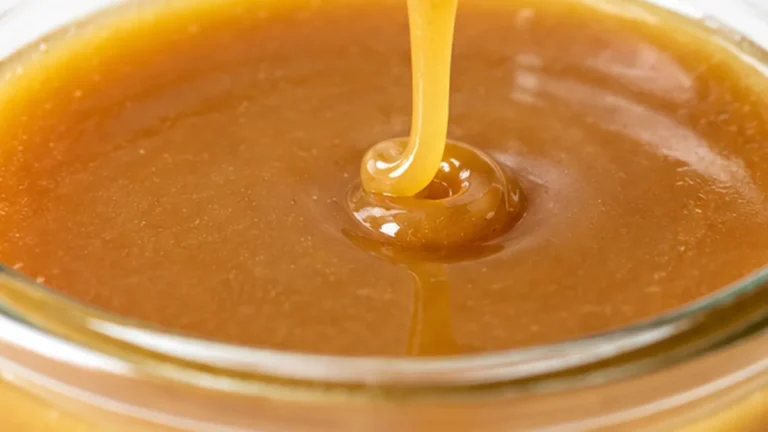
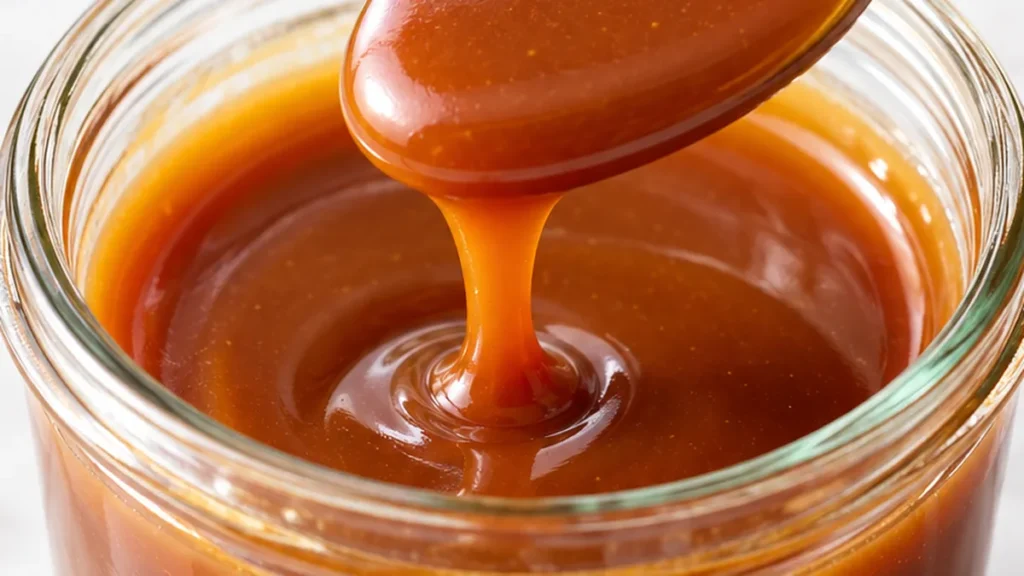
This drip worthy caramel sauce is easy to make at home. With just a few ingredients, you can create a rich sauce perfect for drizzling over desserts.
Key takeaways
- Control the temperature to avoid burning the sugar.
- Use a wet pastry brush to prevent sugar crystallization.
- Experiment with different sugars for varied flavors.
- Caramel sauce has a unique flavor profile unlike other dessert sauces.
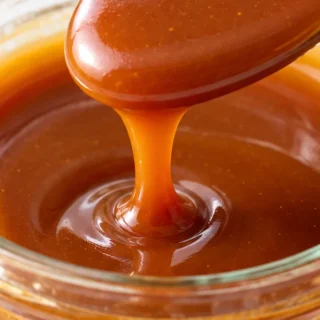
Drip-Worthy Caramel Sauce Magic!
Ingredients
- 1 cup (200 grams) granulated sugar
- 5 tablespoons (71 grams) unsalted butter
- ½ cup plus 1 tablespoon heavy cream
- 1 teaspoon flaky sea salt (optional)
- 1 cup granulated sugar
- 5 tablespoons unsalted butter
- ½ cup plus 1 tablespoon heavy cream
- 1 teaspoon flaky sea salt (optional)
Instructions
- In a dry, medium-sized stainless steel saucepan, cook the sugar over medium heat.
- Swirl the pan occasionally until the sugar melts and turns a deep golden color, about 5 to 6 minutes.
- Turn off the heat and whisk in the butter until melted.
- Gradually add the cream while whisking constantly until smooth.
- If the caramel seizes, continue heating on low until smooth.
- Pour through a fine mesh strainer into a heatproof container.
- Stir in the salt if using.
- Let cool until warm and thick.
Understanding the Science Behind Caramelization
Caramel sauce is primarily made through the process of caramelization, which involves heating sugar until it melts and turns into a rich, amber liquid. This process requires precise temperature control; typically, sugar should be heated to around 170°C (340°F) to achieve the perfect caramelization without burning. The Maillard reaction, which occurs when sugars and amino acids react under heat, also contributes to the flavor complexity of the sauce. The right balance of heat and timing is crucial to avoid a burnt taste.
Common Mistakes When Making Caramel Sauce and How to Avoid Them
One frequent issue is the formation of sugar crystals, which can lead to a grainy texture. This often happens if the sugar is stirred too much during melting. To prevent this, use a wet pastry brush to wash down the sides of the pan and avoid stirring until the sugar is fully melted. Another common mistake is overheating the sugar, resulting in a bitter flavor. Keeping a close eye on the temperature and removing the pot from heat as soon as the desired color is achieved can mitigate this risk.
Ingredient Alternatives and Their Impact on Flavor and Texture
While sugar is the main ingredient, alternatives like brown sugar or honey can be used to create different flavor profiles. Brown sugar adds a deeper, molasses-like flavor, while honey introduces floral notes. However, these alternatives may alter the texture slightly, as they contain additional moisture. Using unsalted butter instead of salted butter can enhance the caramel’s sweetness without introducing unexpected saltiness, allowing for a more balanced flavor.
Unique Characteristics of Caramel Sauce Compared to Other Sauces
Caramel sauce stands out from other sauces due to its unique sweet and slightly bitter flavor profile, which is a result of the caramelization process. Unlike chocolate or fruit-based sauces, which rely on their respective ingredients for flavor, caramel sauce derives its complexity from the transformation of sugar itself. This makes it versatile for pairing with a wide range of desserts, from ice cream to cakes, without overpowering other flavors.
How to Properly Store and Reheat Caramel Sauce
Storing caramel sauce correctly is crucial to maintaining its texture and flavor. Once cooled, transfer the sauce to an airtight container and refrigerate. It can last for up to two weeks in the fridge. When reheating, do so gently over low heat or in the microwave in short bursts, stirring frequently. This prevents the sauce from crystallizing or burning. If the sauce becomes too thick after refrigeration, a splash of cream or water can help restore its original consistency.
Scaling the Recipe for Different Needs
Scaling caramel sauce recipes can be straightforward, but it’s important to maintain the right ratios to ensure consistency. For instance, if you want to double the recipe, simply double each ingredient. However, keep in mind that larger batches may require slightly longer cooking times due to the increased volume. Use a larger saucepan to prevent overflow, and monitor the temperature closely to avoid overcooking.
Choosing the Right Equipment for Caramel Making
The right equipment can significantly affect the outcome of your caramel sauce. A heavy-bottomed saucepan is ideal as it distributes heat evenly, reducing the risk of hot spots that can cause burning. A candy thermometer is highly recommended for precise temperature control, especially when aiming for specific caramel stages. Additionally, a silicone spatula or wooden spoon is perfect for stirring, as they can withstand high temperatures without melting.
Seasonal Ingredients and Their Impact on Caramel Sauce
The quality of your ingredients can greatly influence the flavor of your caramel sauce. During certain seasons, fresh, high-quality butter or cream can enhance the richness of the sauce. For instance, using fresh, local butter in the fall can add a unique depth of flavor compared to standard grocery store brands. Additionally, incorporating seasonal flavors, such as pumpkin spice in autumn or citrus zest in spring, can create a delightful twist on your traditional caramel sauce.
Understanding the Impact of Sugar Quality on Caramel Flavor
The quality of sugar used in your drip-worthy caramel sauce can significantly affect the final flavor and texture. Granulated white sugar is the most common choice due to its purity and consistent results. However, using raw sugar or brown sugar can introduce subtle flavor variations. Raw sugar retains some molasses, imparting a richer taste, while brown sugar adds moisture, resulting in a softer texture. When substituting, keep in mind that brown sugar may require slight adjustments in cooking time due to its higher moisture content. As a guideline, if using brown sugar, consider reducing the water in your recipe by about 10% to maintain the desired consistency.
Batch Scaling: Adjusting Caramel Sauce for Larger Gatherings
Scaling your drip-worthy caramel sauce recipe is straightforward, but precision is key to maintaining flavor and texture. When doubling or tripling the recipe, ensure that the cooking vessel is large enough to accommodate the increased volume without overflowing. A general rule is to increase the cooking time slightly, as larger volumes will take longer to reach the desired temperature. For instance, if your original recipe takes 10 minutes to reach the right consistency, expect the scaled-up version to take an additional 2-3 minutes. Always use a candy thermometer to monitor the temperature accurately, aiming for the soft ball stage (approximately 115°C to 120°C or 240°F to 248°F) for the perfect caramel.
Choosing the Right Serving Techniques for Caramel Sauce
Serving your drip-worthy caramel sauce can elevate any dessert experience. For drizzling over desserts like ice cream or cakes, warm the caramel slightly to ensure a smooth pour. If using it as a dip for fruits or pretzels, consider serving it in small ramekins to enhance presentation. Additionally, pairing caramel sauce with contrasting flavors can create a delightful balance. For example, a sprinkle of sea salt can enhance the sweetness and add a savory note, while a splash of vanilla extract can deepen the flavor profile. Remember, the serving temperature can also influence the perception of flavor; slightly warm caramel is often more aromatic and flavorful than cold.
Seasonal Adjustments: Adapting Your Caramel Sauce for Different Ingredients
Seasonality can play a significant role in the ingredients you choose for your drip-worthy caramel sauce. For instance, during the fall, incorporating spices like cinnamon or nutmeg can add warmth and depth, making the sauce perfect for seasonal desserts. In contrast, summer might call for lighter flavors, such as citrus zest or a splash of rum for a tropical twist. Additionally, using fresh, high-quality ingredients, such as organic sugar or locally sourced butter, can enhance the sauce’s overall flavor. When adapting your recipe, start with small amounts of these additional flavors, tasting as you go to ensure a balanced outcome.
How to Ensure Your Caramel Sauce Stays Smooth and Drip-Worthy
Creating a perfectly smooth caramel sauce requires careful attention to temperature and stirring techniques. When making caramel, the sugar needs to reach a specific temperature to achieve the desired viscosity. Typically, this is around 170°C (340°F) for a light caramel and up to 180°C (356°F) for a darker version. If the sauce becomes too thick or grainy, it may have been cooked at too high a temperature or stirred too aggressively. To remedy this, gently reheat the sauce over low heat while stirring continuously, adding a splash of cream or water to restore its smooth texture. Additionally, using a candy thermometer can help maintain precision, ensuring that the caramel reaches the perfect temperature without overshooting.
Understanding the Role of Ingredients in Flavor and Texture
The quality and type of ingredients used in your caramel sauce can significantly impact its final flavor and texture. For instance, using unsalted butter instead of margarine can enhance the richness of the sauce, while different sugars can yield varying flavors. Brown sugar, for example, adds a deeper, more complex taste due to its molasses content, while white sugar provides a cleaner sweetness. Additionally, the cream’s fat content is crucial; heavy cream will yield a richer sauce compared to light cream. When scaling the recipe, be mindful that the ratios of sugar to liquid should remain consistent to achieve the same texture and flavor profile. This understanding of ingredient interactions is essential for creating a truly exceptional drip-worthy caramel sauce.
Pro tips
Pro tip: Best served immediately while hot!
Frequently asked questions
Why is my caramel sauce grainy?
Graininess in caramel sauce is usually due to sugar crystallization, which can occur if the sugar is stirred too much during melting. To avoid this, refrain from stirring until the sugar is fully melted and use a wet pastry brush to wash down the sides of the pan.
How can I fix burnt caramel sauce?
If your caramel sauce has burnt, unfortunately, there’s no way to salvage it. The best approach is to start over, ensuring you monitor the temperature closely to prevent burning during the cooking process.
Can I use brown sugar instead of white sugar?
Yes, using brown sugar instead of white sugar will give your caramel sauce a deeper flavor due to the molasses content. However, it may also change the texture slightly, so be prepared for a different consistency.
How do I store leftover caramel sauce?
Leftover caramel sauce can be stored in an airtight container in the refrigerator for up to two weeks. To reheat, gently warm it in a saucepan over low heat or in the microwave, adding a splash of water if it has thickened too much.
More from Sweet & Dessert Sauces →