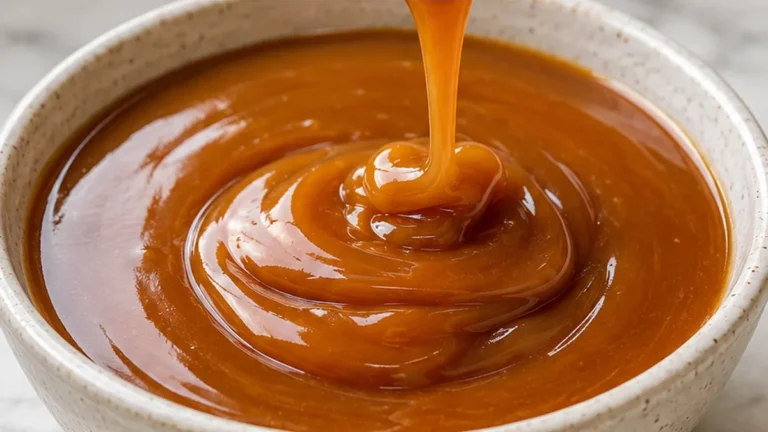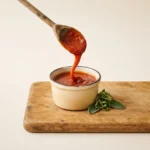
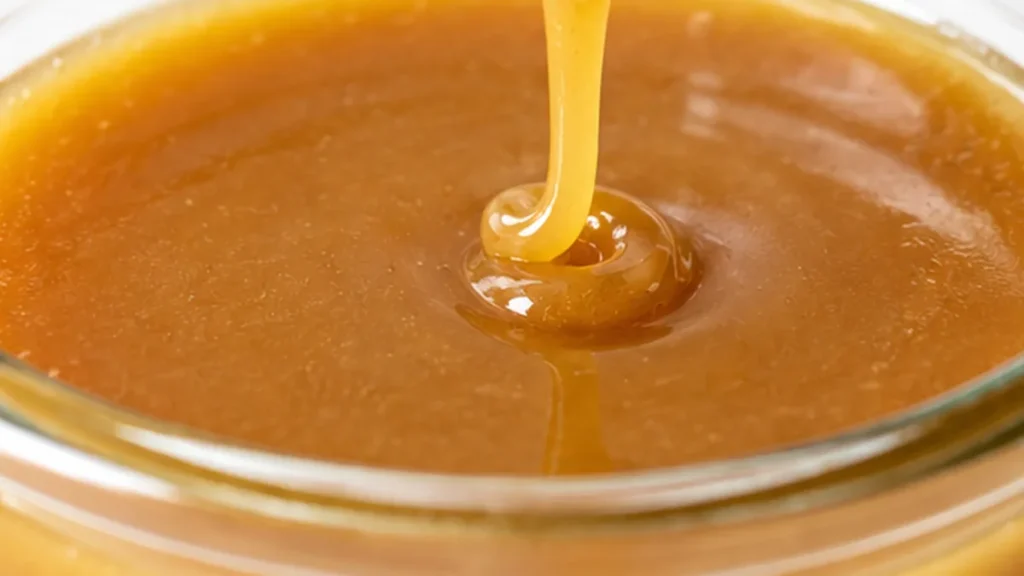
This butterscotch sauce with brown sugar is easy to prepare and requires only a few ingredients. In about 15 minutes, you can enhance your desserts.
Key takeaways
- Use light brown sugar for a classic flavor.
- Monitor the temperature closely to avoid burning.
- Experiment with dark brown sugar for a richer taste.
- Adding a pinch of salt elevates the sweetness.
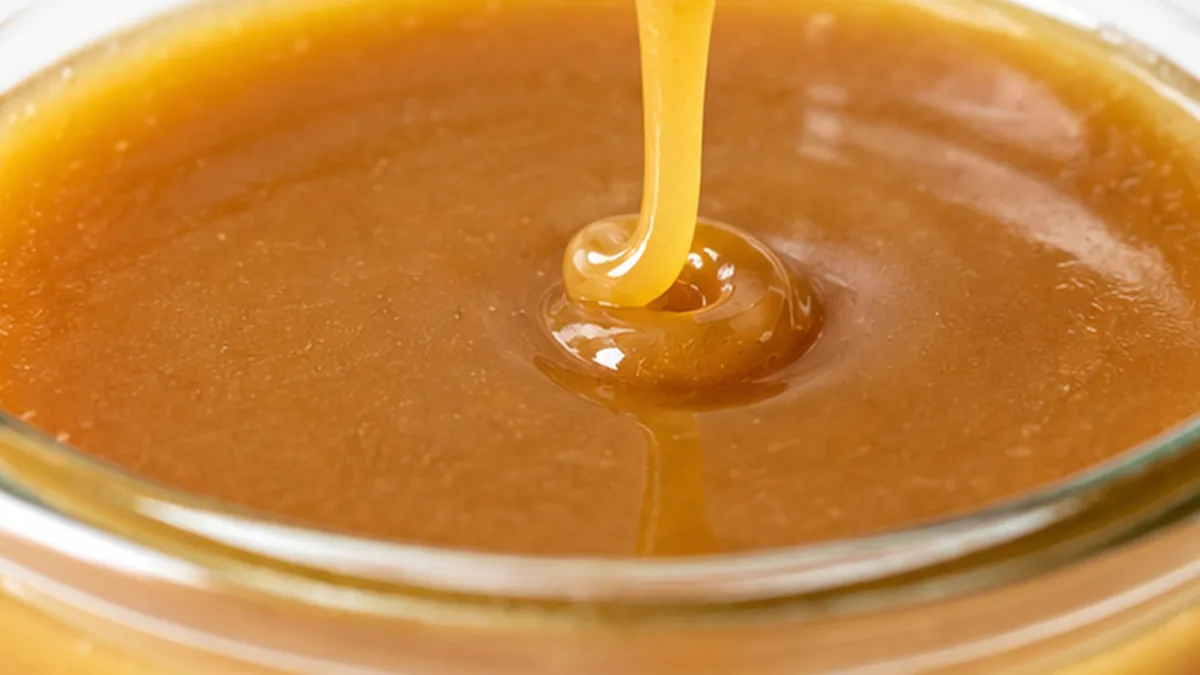
Homemade Butterscotch Sauce!
Ingredients
Method
- Combine brown sugar, salted butter, heavy cream, and corn syrup in a medium saucepan.
- Melt over medium-low heat, stirring gently until butter is completely melted and sugar has dissolved (about 8-9 minutes).
- Cook the mixture for 3-4 more minutes, stirring frequently, allowing it to thicken slightly.
- Remove from heat.
- Stir in vanilla extract and kosher salt until well combined.
- Let the butterscotch sauce cool for a few minutes; it will continue to thicken as it cools.
Video
Notes
Understanding the Chemistry of Butterscotch Sauce
Butterscotch sauce is primarily made from a combination of brown sugar and butter, which, when heated, undergoes a Maillard reaction. This is a form of non-enzymatic browning that occurs when amino acids and reducing sugars react under heat, creating complex flavors and a rich color. The ideal temperature for achieving the perfect butterscotch is around 115°C (240°F), which is the soft ball stage in candy making. This temperature allows the sugars to dissolve completely and caramelize without burning, resulting in a smooth, creamy sauce.
Addressing Common Pitfalls in Butterscotch Preparation
One frequent issue in making butterscotch sauce is achieving the right consistency. If the sauce is too runny, it may be due to insufficient cooking time or too much cream. Conversely, if it becomes too thick, it may have been cooked too long or at too high a temperature. To remedy a runny sauce, allow it to simmer for a few more minutes to thicken. For a sauce that is too thick, you can add a small amount of cream and gently reheat it, stirring continuously until the desired consistency is achieved.
Ingredient Alternatives and Their Impact on Flavor
While the traditional recipe calls for light brown sugar, using dark brown sugar will impart a deeper molasses flavor, enriching the sauce’s complexity. Alternatively, substituting part of the brown sugar with maple syrup can introduce a unique twist, but it may alter the texture slightly. If you’re looking for a dairy-free option, coconut cream can replace heavy cream, resulting in a tropical flavor while maintaining a creamy texture.
Unique Characteristics of Homemade Butterscotch Sauce
One defining feature of homemade butterscotch sauce is its ability to be customized. Unlike store-bought versions, which often contain preservatives and artificial flavors, homemade butterscotch allows for the use of high-quality ingredients, ensuring a fresher taste. Additionally, the incorporation of sea salt enhances the sweetness and complexity, creating a balance that is often lacking in commercial products.
How to Properly Store and Reheat Butterscotch Sauce
Storing butterscotch sauce correctly is crucial to maintaining its texture and flavor. Once cooled, transfer the sauce to an airtight container and refrigerate it. It can last for up to two weeks. When reheating, do so gently over low heat, stirring continuously. If the sauce thickens too much, you can add a splash of cream to restore its original consistency. Avoid microwaving, as this can lead to uneven heating and potential burning.
Scaling the Recipe for Different Occasions
When scaling your butterscotch sauce recipe, it’s important to maintain the same ratios of ingredients to ensure consistency in flavor and texture. For instance, if you double the recipe, use 2 cups of light brown sugar and adjust the butter and cream accordingly. Keep in mind that cooking times may vary slightly with larger batches, so monitor the sauce closely to prevent burning. A larger batch may also require a wider pot to facilitate even cooking.
Understanding Equipment Impact on Butterscotch Sauce
The type of equipment you use can significantly affect the outcome of your butterscotch sauce. A heavy-bottomed saucepan is ideal as it distributes heat evenly, reducing the risk of scorching. Non-stick pans can also be beneficial for easy cleanup, but they may not achieve the same depth of flavor as stainless steel or cast iron. Additionally, using a wooden spoon can help prevent scratching on your cookware while stirring.
Pairing Suggestions for Butterscotch Sauce
Butterscotch sauce is incredibly versatile and can enhance a variety of desserts. It pairs beautifully with ice cream, creating a decadent sundae. Drizzle it over bread puddings or pancakes for an indulgent breakfast. For a sophisticated touch, try it with apple pie or as a dip for fresh fruit. The sweet, buttery flavor complements both sweet and savory dishes, making it a delightful addition to your culinary repertoire.
Understanding the Impact of Ingredient Quality on Butterscotch Sauce
The quality of ingredients plays a crucial role in the final flavor and texture of butterscotch sauce. For instance, using high-quality light brown sugar enhances the caramel notes, while fresh heavy cream contributes to a richer mouthfeel. Additionally, the type of butter can affect flavor; using a higher fat content butter can result in a creamier sauce. Always opt for fresh vanilla extract instead of imitation for a more pronounced flavor. Seasonal variations in these ingredients can also impact your sauce. For example, sugar can be more humid in summer, which may require adjustments in cooking time to achieve the right consistency.
Batch Scaling for Different Occasions
Scaling your butterscotch sauce recipe can be straightforward, but it requires careful adjustments to maintain the right balance of flavors and consistency. When doubling or halving the recipe, keep the proportions of each ingredient the same. However, be cautious with cooking times; larger batches may require slightly longer cooking to reach the desired thickness. Conversely, smaller batches might cook faster. Always monitor the sauce closely as it cooks, ensuring it does not overheat or burn. If making a large batch for events, consider preparing it a day in advance and reheating gently to save time.
Equipment Variations and Their Effects on Butterscotch Sauce
The equipment used to make butterscotch sauce can significantly influence the cooking process and final product. For instance, using a heavy-bottomed saucepan provides even heat distribution, reducing the risk of scorching. Non-stick pans can also be beneficial for easier cleanup, but they may not allow for the same depth of flavor as stainless steel or cast iron. Additionally, the type of whisk or spatula can affect how well you incorporate the ingredients. A silicone spatula can help scrape down the sides of the pan effectively, ensuring all sugar dissolves evenly.
Serving Suggestions and Pairing Ideas for Butterscotch Sauce
Butterscotch sauce is incredibly versatile and can elevate a variety of desserts. It pairs beautifully with vanilla ice cream, creating a classic sundae. Drizzling it over warm bread pudding or pancakes adds a rich, sweet element. For a unique twist, consider using butterscotch sauce in savory dishes; it can complement roasted nuts or even be used as a glaze for meats. When serving, warm the sauce slightly to enhance its pourability and flavor. You can also garnish with a sprinkle of sea salt to enhance the sweetness and add complexity.
Understanding the Importance of Temperature Control in Butterscotch Sauce
Temperature control is crucial when making butterscotch sauce, as it directly affects the final texture and flavor. The caramelization of sugars begins at around 160°C (320°F) and can reach up to 180°C (356°F) for a deep, rich flavor. If the mixture is heated too quickly or to too high a temperature, it can burn, resulting in a bitter taste. To achieve the perfect balance, use a candy thermometer to monitor the temperature closely. Ideally, the mixture should be brought to a simmer and maintained at a steady temperature, stirring frequently to prevent hotspots. This technique ensures that the sugars caramelize evenly, resulting in a smooth and velvety sauce.
How Ingredient Quality Influences the Flavor Profile of Butterscotch Sauce
The quality of the ingredients used in butterscotch sauce plays a significant role in the final flavor. For instance, using high-quality light brown sugar enhances the caramel notes due to its molasses content, while a lower grade may yield a more bland taste. Similarly, the type of butter can also impact the sauce; using a high-fat content salted butter results in a richer flavor compared to margarine or low-fat alternatives. Heavy cream should also be fresh and of good quality, as it contributes to the sauce’s creaminess. Additionally, the freshness of the vanilla extract can elevate the overall flavor, providing a fragrant aroma that complements the sweetness of the sauce. Therefore, investing in quality ingredients not only improves the taste but also the texture of your butterscotch sauce.
Understanding the Impact of Cooking Time on Butterscotch Sauce Consistency
The cooking time of butterscotch sauce is crucial for achieving the right consistency. If cooked too long, the sauce can become overly thick and difficult to pour, while undercooking it may leave a runny texture. Ideally, aim for a simmering time of around 5-7 minutes after the mixture begins to bubble. This allows the sugars to fully dissolve and caramelize without burning. For a thicker sauce, extend the cooking time by 1-2 minutes, keeping a close eye on the color and aroma to avoid burning. A good visual cue is when the butterscotch turns a rich amber color and has a glossy appearance. Remember, the sauce will thicken slightly as it cools, so remove it from heat just before it reaches your desired consistency.
How Ingredient Ratios Affect Flavor and Texture in Butterscotch Sauce
The balance of ingredients in butterscotch sauce is key to its overall flavor and texture. The ratio of brown sugar to butter is particularly significant; using too much sugar can lead to a cloyingly sweet sauce, while too little can yield a less flavorful result. A typical ratio is 4:1 of brown sugar to butter, which provides a rich, caramel flavor without overwhelming sweetness. Additionally, the heavy cream adds creaminess and smoothness, so maintaining the 1:1 ratio of butter to cream is essential for achieving that luxurious mouthfeel. If you prefer a slightly more complex flavor, consider replacing a portion of the brown sugar with dark brown sugar or adding a pinch of sea salt to enhance the depth of flavor. Adjusting these ratios can create variations in sweetness and richness, allowing for personalization based on your taste preferences.
Pro tips
- Use a good quality salted butter for the best flavor.
- Don’t rush the process; medium-low heat is crucial to prevent scorching.
- The sauce will thicken considerably as it cools, so don’t overcook it.
Enjoy this versatile homemade butterscotch sauce as a sweet topping or a flavorful addition to your favorite treats.
Frequently asked questions
Can I use unsalted butter instead of salted butter?
Yes, you can use unsalted butter, but you may want to add a pinch of salt to balance the sweetness of the butterscotch sauce.
How can I store leftover butterscotch sauce?
Store leftover butterscotch sauce in an airtight container in the refrigerator for up to two weeks. Reheat gently before using.
What can I serve with butterscotch sauce?
Butterscotch sauce pairs wonderfully with ice cream, pancakes, or drizzled over desserts like bread pudding or cheesecake.
Can I make butterscotch sauce without corn syrup?
Yes, you can omit corn syrup, but it helps prevent crystallization. If you skip it, ensure to stir continuously while cooking to maintain a smooth consistency.
More from Sweet & Dessert Sauces →