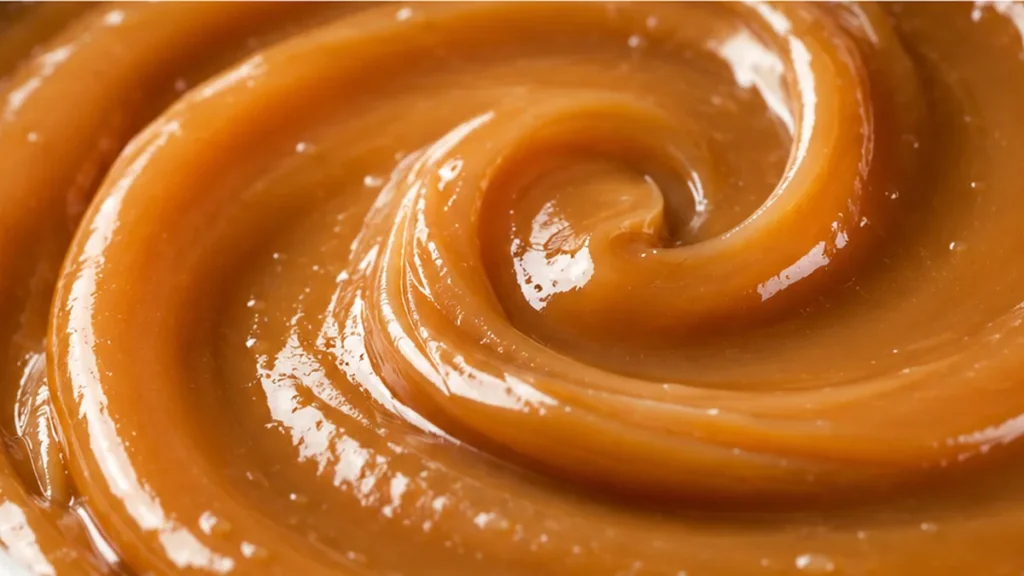
Making homemade vegan caramel sauce is surprisingly straightforward and yields a result far superior to any store-bought version. This recipe focuses on achieving a deep, rich flavor and perfect pourable consistency without any dairy. This vegan caramel sauce is versatile enough for drizzling over ice cream, cakes, or fruit, or for using as a dip. The key is patience during the simmering stage to develop that beautiful, deep amber color and complex flavor.
Key takeaways
- Use full-fat coconut milk for creaminess.
- Monitor sugar caramelization closely to avoid bitterness.
- Whisk continuously when adding ingredients for proper emulsification.
- Adjust cooking time to achieve desired thickness.
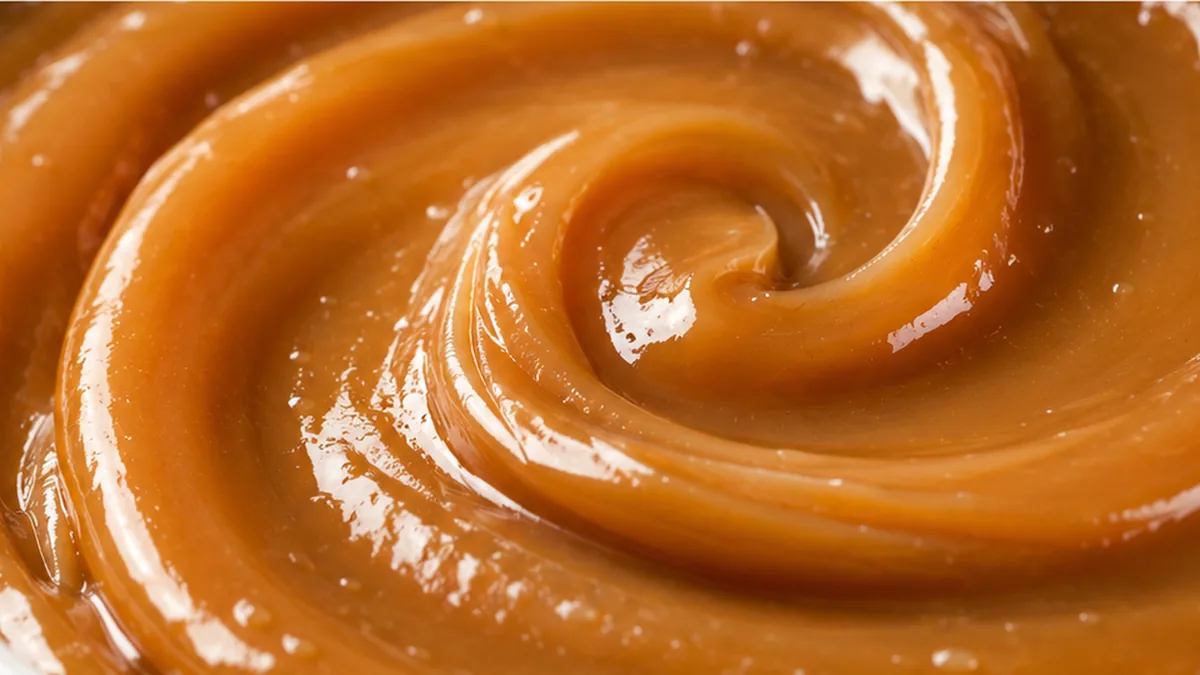
Vegan Caramel Sauce: Sweetness Without Compromise!
Ingredients
Method
- In a stockpot, whisk together the coconut milk, granulated white sugar, light brown sugar, vanilla extract, baking soda, and salt. Bring to a boil over medium heat, stirring occasionally, for about 10-12 minutes until the sugars dissolve.
- Once boiling, reduce heat to medium-low. Simmer gently, stirring occasionally, for 37-42 minutes until the caramel reaches a dark brown color.
- Remove the pot from heat and let the caramel cool completely in the pot to thicken and develop flavor.
- Strain the caramel through a fine-mesh sieve into a clean jar to ensure a smooth texture, removing any undissolved sugar bits.
Video
Notes
The Role of Coconut Milk in Vegan Caramel
Coconut milk serves as the base for this vegan caramel, providing a creamy texture and rich flavor. Full-fat coconut milk is essential due to its higher fat content, which contributes to the desired viscosity and mouthfeel of the sauce. The fat in coconut milk emulsifies with the sugars, creating a smooth and glossy finish. Aim for a mixture with approximately 20-25% fat for optimal results.
Understanding Sugar’s Role in Caramelization
The combination of granulated white sugar and light brown sugar in this recipe is crucial for achieving the right sweetness and flavor profile. Granulated sugar is responsible for the caramelization process, which begins at around 320°F (160°C). The light brown sugar adds depth with its molasses content, enhancing the overall taste. A proper ratio of sugars is necessary; too much brown sugar can lead to a gritty texture.
Common Issues and Their Solutions
- Issue: Grainy texture.
- Cause: Sugar didn’t dissolve properly.
- Fix: Ensure the mixture is stirred continuously over medium heat until fully dissolved before bringing it to a simmer.
- Issue: Sauce is too thin.
- Cause: Insufficient cooking time.
- Fix: Simmer the mixture for an additional 5-10 minutes to thicken, ensuring it reaches a temperature of at least 220°F (104°C).
- Issue: Bitter flavor.
- Cause: Overcooking the sugar.
- Fix: Monitor the heat closely and remove from heat as soon as it reaches a rich amber color.
- Issue: Sauce separates.
- Cause: Improper emulsification.
- Fix: Whisk continuously while adding the baking soda and vanilla extract to ensure a stable emulsion.
Ingredient Swaps and Their Impact
- Swap: Use almond milk instead of coconut milk.
- Result: The sauce will be thinner and less creamy, lacking the rich flavor profile of coconut milk.
- Swap: Substitute maple syrup for granulated sugar.
- Result: The caramel will have a distinct maple flavor but may not achieve the same consistency.
- Swap: Use agave nectar instead of light brown sugar.
- Result: This will produce a sweeter sauce with a different flavor profile, but it may not caramelize in the same way.
- Swap: Replace baking soda with cornstarch.
- Result: The sauce may thicken differently, potentially resulting in a less stable emulsion.
Unique Characteristics of Vegan Caramel
This vegan caramel sauce stands out due to its use of coconut milk instead of traditional dairy, making it suitable for those following a plant-based diet. The natural sweetness from the sugars combined with the creamy texture of coconut milk creates a unique flavor profile that is both indulgent and guilt-free. Unlike conventional caramel, this version has a subtle tropical note, enhancing its versatility in various desserts.
Understanding the Importance of Proper Storage for Vegan Caramel
Vegan caramel sauce can be stored for up to two weeks in the refrigerator when kept in an airtight container. Proper storage is essential to maintain its creamy texture and rich flavor. If the sauce thickens upon cooling, simply reheat it gently in a saucepan over low heat, stirring frequently to restore its pourable consistency. Avoid freezing the caramel, as the texture may separate upon thawing, leading to an undesirable grainy finish.
Scaling the Recipe: Adjusting Ratios for Different Batch Sizes
This vegan caramel recipe can easily be scaled up or down depending on your needs. To maintain the right balance of flavors and texture, keep the ratios consistent. For instance, if you want to make half the batch, use one can of coconut milk, 1/2 cup of granulated sugar, and 3/8 cup of light brown sugar. Conversely, if doubling the recipe, use four cans of coconut milk and adjust the sugars accordingly. Always ensure the cooking time is adjusted to avoid burning, as larger batches may require slightly longer simmering times.
Choosing the Right Equipment for Optimal Results
The choice of cookware can significantly affect the outcome of your vegan caramel. A heavy-bottomed saucepan is ideal as it distributes heat evenly, preventing hot spots that can cause the sugar to burn. Avoid using non-stick pans, as they can hinder the caramelization process. A wooden spoon or silicone spatula is best for stirring, as they won’t react with the sugars. Additionally, a candy thermometer can help monitor the temperature, ensuring that the caramel reaches the perfect consistency without burning.
Pairing Suggestions to Enhance Your Vegan Caramel Experience
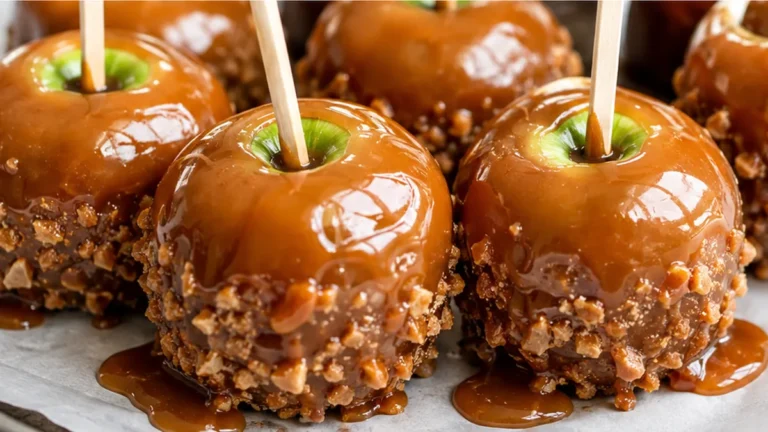
This vegan caramel sauce is versatile and can elevate a variety of desserts. It pairs beautifully with vegan ice cream, drizzled over brownies, or used as a filling for cakes. For a sophisticated touch, consider adding a pinch of sea salt to enhance the flavor profile. Seasonal ingredients, such as fresh apples or pears in the fall, can also be complemented with vegan caramel, creating a delightful contrast between the fruit’s acidity and the sauce’s sweetness.
How to Achieve the Perfect Consistency for Vegan Caramel
Consistency is crucial for vegan caramel, and it can be influenced by cooking time and temperature. Aim for a simmering point of around 220°F (104°C) to 240°F (116°C). This range allows the sugars to dissolve and thicken properly without burning. Stir the mixture continuously to prevent sticking and ensure even cooking. If the caramel is too runny, it likely hasn’t cooked long enough; simmer for an additional 5-10 minutes. Conversely, if it becomes too thick, you can add a tablespoon of warm coconut milk to loosen it up. The ideal vegan caramel should have a pourable yet thick texture, similar to traditional caramel.
The Impact of Ingredient Quality on Flavor and Texture
Ingredient quality can significantly affect the flavor and texture of your vegan caramel. Full-fat coconut milk is essential; it provides creaminess and richness. Opt for organic brands if possible, as they tend to have fewer additives and a more pronounced coconut flavor. The type of sugars used also influences the final taste. Granulated white sugar offers sweetness, while light brown sugar adds a hint of molasses, contributing to a deeper flavor profile. If using less refined sugars, such as coconut sugar, expect a darker color and a more complex taste, but it may alter the caramel’s texture slightly.
Adjusting for Seasonal Ingredients and Freshness
Seasonal changes can affect the quality of your ingredients, particularly coconut milk and sugars. In warmer months, coconut milk may separate more easily, so ensure you shake or stir well before measuring. Additionally, fresh sugars can clump or harden; store them in a cool, dry place to maintain their quality. Consider using fresh, seasonal fruits as toppings for your vegan caramel to enhance its flavor. For example, pairing it with ripe apples in the fall or fresh berries in the summer can elevate your dish and provide a delightful contrast to the rich caramel.
Understanding the Best Storage Practices for Vegan Caramel Sauce
Proper storage is crucial for maintaining the flavor and texture of vegan caramel sauce. Once prepared, allow the caramel to cool to room temperature before transferring it to an airtight container. Store it in the refrigerator, where it can last for up to two weeks. The cold environment helps prevent spoilage while maintaining its rich flavor. When ready to use, gently reheat the caramel in a saucepan over low heat, stirring frequently to restore its smooth consistency. If the caramel becomes too thick after refrigeration, adding a splash of coconut milk can help return it to the desired pourable state.
Scaling the Recipe for Different Occasions
This vegan caramel sauce recipe can easily be scaled up or down depending on your needs. To double the recipe, simply use four cans of coconut milk, two cups of granulated sugar, and one and a half cups of light brown sugar, keeping the ratios consistent. However, when scaling, be mindful of the cooking time; larger batches may require a longer simmer to achieve the same depth of flavor and consistency. Conversely, if halving the recipe, maintain the same cooking temperature and time to ensure the sugars properly caramelize without burning. Adjustments may be necessary to achieve the same rich flavor, particularly when reducing the batch size.
Pro tips
- Use full-fat canned coconut milk for the creamiest texture and richest flavor.
- Be patient during the simmering process; don’t rush it, as this develops the deep caramel color and taste.
- Stir occasionally, but avoid constant stirring to prevent crystallization. – Straining the cooled sauce ensures a silky-smooth finish.
Enjoy your homemade vegan caramel sauce! It’s a versatile treat that improves any dessert.
Frequently asked questions
Can I use low-fat coconut milk for this recipe?
While you can use low-fat coconut milk, the sauce may not achieve the same creamy texture and richness. Full-fat coconut milk is recommended for the best results.
How can I store leftover vegan caramel sauce?
Store the vegan caramel sauce in an airtight container in the refrigerator for up to two weeks. Reheat gently on the stove or in the microwave before using.
What can I use vegan caramel sauce for?
This vegan caramel sauce is versatile and can be drizzled over desserts like ice cream, pancakes, or fruit. It can also be used as a filling for cakes or to enhance the flavor of smoothies.
Is there a way to make this recipe sugar-free?
Yes, you can substitute the sugars with sugar alternatives like erythritol or monk fruit sweetener. However, the flavor and texture may differ, and you may need to adjust the cooking method.
More from Sweet & Dessert Sauces →