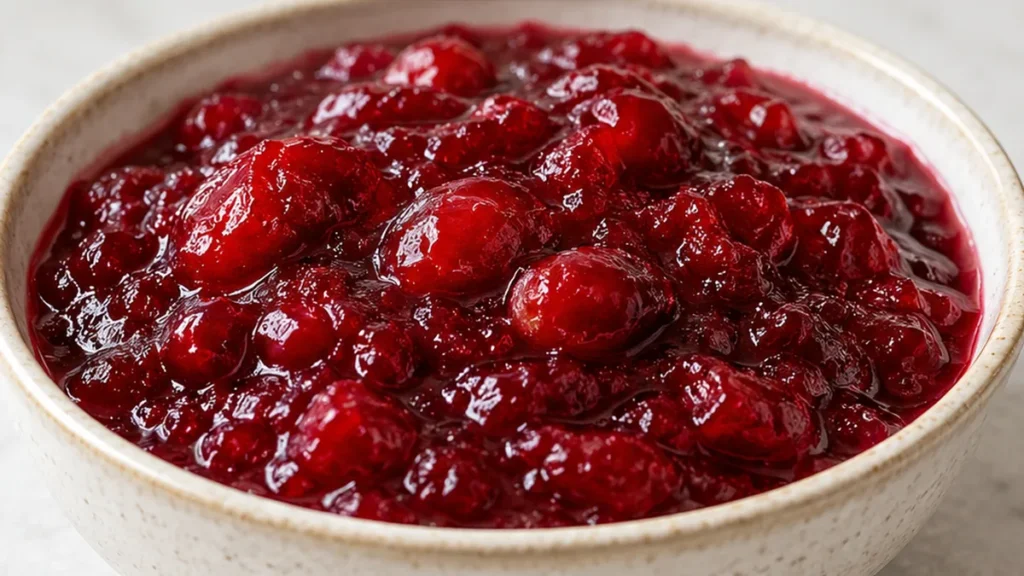
This homemade cranberry sauce recipe features fresh oranges for added flavor. It’s a simple and quick way to elevate your holiday meals.
Key takeaways
- Fresh cranberries are essential for flavor and texture.
- Simmer for 10-15 minutes to achieve the right consistency.
- Adjust sweetness to taste, balancing tartness with sugar or natural juices.
- Experiment with spices and fruits for unique flavor profiles.
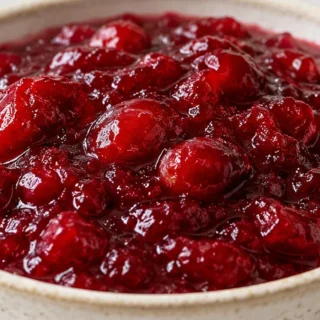
Easy Homemade Cranberry Sauce Recipe
Ingredients
- 12 oz fresh cranberries
- ¾ cup sugar
- ½ cup fresh orange juice
- ½ cup 100% pomegranate juice
- 1 large saucepan
- ¼ teaspoon ground cinnamon
Instructions
- In a saucepan over medium heat, add cranberries, sugar, orange juice and pomegranate juice.
- Stir to dissolve the sugar completely.
- Let simmer over medium heat until almost all of the cranberries have popped (about 10-15 minutes).
- Stir occasionally and continue cooking until sauce has thickened and most of the liquid has evaporated.
- Pour into a serving dish and let cool.
- Refrigerate for at least 2 hours to allow the sauce to thicken and set.
- Serve chilled.
The Importance of Fresh Cranberries
Using fresh cranberries is crucial for achieving the best flavor and texture in your homemade cranberry sauce. Fresh cranberries contain more moisture and acidity than dried ones, which helps balance the sweetness of added sugars. Ensure your cranberries are bright and firm, avoiding any that are soft or shriveled. Typically, fresh cranberries are harvested in the fall, making them readily available during the holiday season.
Understanding Cooking Times and Techniques
Cooking cranberry sauce is a delicate balance between achieving the right texture and flavor. Generally, simmering the cranberries for about 10-15 minutes allows them to burst and release their natural pectin, which helps thicken the sauce. Monitor the heat closely; too high a temperature can lead to a sauce that is too thick and potentially burnt. Stirring occasionally ensures even cooking and prevents sticking.
Sweetness and Flavor Balance
The sweetness of your cranberry sauce is adjustable based on personal preference and the tartness of the cranberries. A common ratio is about 1 cup of sugar for every 4 cups of cranberries, but this can be modified. If you prefer a less sweet sauce, consider reducing the sugar or adding a splash of orange juice for natural sweetness and acidity. Additionally, spices like cinnamon or nutmeg can enhance the flavor profile without overpowering the cranberries.
Common Issues and Their Solutions
- Issue: Sauce is too bitter.
- Solution: This often occurs from overcooking or using unripe cranberries. Adjust by adding more sugar or a sweetener.
- Issue: Sauce is too thick.
- Solution: If your sauce thickens too much, add a small amount of water or orange juice to loosen it up.
- Issue: Sauce is too runny.
- Solution: Simmer longer to allow more evaporation, or add a bit of cornstarch mixed with water to thicken it.
Creative Variations to Enhance Your Sauce
While the basic homemade cranberry sauce recipe is delicious on its own, you can experiment with various additions for unique flavors. Consider adding chopped apples or pears for sweetness and texture. A splash of port or red wine can introduce depth, while fresh herbs like rosemary or thyme can add a savory twist. Each of these variations can transform your sauce into a signature dish for your holiday table.
Maximizing Flavor with Ingredient Quality
The quality of your ingredients can significantly impact the final flavor of your homemade cranberry sauce. Fresh cranberries are the star of the dish, and their tartness can vary based on the season. When selecting cranberries, look for firm, plump berries with a deep red color. Avoid any that are soft or have blemishes. Additionally, the choice of sweeteners, such as brown sugar, maple syrup, or honey, can alter the flavor profile. Brown sugar adds a rich, molasses-like depth, while maple syrup introduces a unique earthiness. Experimenting with different sweeteners can create a sauce that perfectly complements your palate and enhances the overall dish.
Understanding the Role of Cooking Time and Temperature
Cooking time and temperature are crucial in achieving the desired consistency and flavor in your cranberry sauce. Typically, simmering the sauce for about 10-15 minutes allows the cranberries to burst and release their natural pectin, which thickens the sauce. If the sauce is cooked for too long, it may become overly thick and lose its vibrant flavor. Conversely, undercooking may leave the cranberries too chunky. Monitoring the sauce closely while it simmers and adjusting the heat as necessary will help you achieve a perfect balance of texture and flavor. A gentle simmer is ideal, as it allows the flavors to meld without burning.
Scaling Your Recipe for Large Gatherings
When preparing cranberry sauce for larger gatherings, scaling your recipe requires careful consideration of both ingredient ratios and cooking equipment. Doubling or tripling the recipe can be straightforward, but ensure you have a pot large enough to accommodate the increased volume. A larger pot will help maintain even cooking and prevent the sauce from boiling over. Additionally, when scaling up, taste as you go; the balance of sweetness and tartness may shift with larger quantities. You might find that you need slightly less sugar than the original recipe calls for, as the flavors can intensify with increased volume.
Perfect Pairings: Serving Suggestions for Your Sauce
Your homemade cranberry sauce can elevate a variety of dishes beyond the traditional turkey dinner. Consider serving it alongside roasted meats like pork or duck, where the tartness can cut through the richness. It also pairs beautifully with cheeses, particularly sharp cheddar or creamy goat cheese, making it an excellent addition to a cheese platter. For a refreshing twist, spoon it over yogurt or ice cream for a unique dessert. Experimenting with these pairings can inspire new culinary experiences and highlight the versatility of your cranberry sauce.
Understanding the Impact of Cooking Time on Consistency
The cooking time for your homemade cranberry sauce is crucial as it directly influences the sauce’s texture and consistency. Generally, cooking cranberries for about 10 to 15 minutes will yield a sauce that is thick yet pourable. If cooked too long, the sauce may become overly thick and gelatinous, while undercooking can leave the cranberries too chunky. For optimal results, aim for a temperature of around 95°C (203°F), which allows the cranberries to burst and release their natural pectin, aiding in thickening. Adjust the cooking time based on your desired consistency; for a smoother sauce, consider blending it after cooking.
Choosing the Right Equipment for Ideal Results
The equipment you use can greatly affect the outcome of your homemade cranberry sauce. A heavy-bottomed saucepan is ideal as it distributes heat evenly, preventing the sauce from scorching. Avoid using non-stick pans, as they may not allow for proper caramelization of any added sugars. Additionally, using a wooden spoon for stirring can help avoid scratching the pan while ensuring that the cranberries break down effectively. If you prefer a smoother texture, consider using an immersion blender after cooking to achieve your desired consistency without transferring to a blender.
Seasonal Variations and Ingredient Quality Effects
The flavor profile of your cranberry sauce can change significantly based on the season and the quality of your ingredients. Fresh cranberries are typically available in late fall, and using them during this time ensures the best flavor and tartness. If using frozen cranberries, ensure they are thawed and drained well to prevent excess water from diluting the sauce. Additionally, consider incorporating seasonal spices like cinnamon or nutmeg in the fall to enhance the sauce’s warmth and complexity. The quality of added sweeteners, such as honey or maple syrup, can also affect the final taste, so opt for pure, high-quality products whenever possible.
Understanding the Make-Ahead Potential of Cranberry Sauce
One of the most appealing aspects of homemade cranberry sauce is its make-ahead potential. This sauce can be prepared up to a week in advance, allowing flavors to meld and deepen over time. When stored properly in an airtight container in the refrigerator, it maintains its flavor and texture. However, it’s essential to allow the sauce to cool completely before refrigerating to prevent condensation, which can lead to a watery consistency. If you plan to freeze your sauce, ensure it is in a freezer-safe container, leaving some space for expansion. Thawing should be done in the refrigerator overnight for best results, and a quick stir can help restore its original consistency. This make-ahead feature not only saves time on busy cooking days but also enhances the overall flavor profile, making it a perfect choice for holiday gatherings.
How Ingredient Quality Affects the Final Taste of Your Sauce
The quality of ingredients significantly impacts the taste of your homemade cranberry sauce. Fresh, high-quality cranberries are crucial, as they provide the primary flavor. When selecting cranberries, look for firm, plump berries without blemishes. The type of sweetener used also plays a vital role; for instance, using raw sugar or maple syrup can impart a different flavor profile compared to standard granulated sugar. Additionally, the choice of spices and zests, such as orange zest or cinnamon, can elevate the sauce’s complexity. Seasonal variations in ingredient quality, such as the ripeness of citrus fruits, can also affect the acidity and sweetness balance. Thus, sourcing the best ingredients available will yield a sauce that is vibrant and flavorful, enhancing your dish significantly.
Pro tips
Pro tip: Best served immediately while hot!
Frequently asked questions
Can I use frozen cranberries for this recipe?
Yes, frozen cranberries can be used in place of fresh cranberries. However, they may require a slightly longer cooking time to break down fully, and ensure to thaw them before cooking for even results.
How long can I store homemade cranberry sauce?
Homemade cranberry sauce can be stored in the refrigerator for up to two weeks. For longer storage, consider freezing it in an airtight container for up to six months.
What can I serve with cranberry sauce?
Cranberry sauce pairs well with turkey, ham, and other roasted meats. It can also be used as a topping for desserts like cheesecake or ice cream, adding a tart contrast to sweet flavors.
Can I make cranberry sauce ahead of time?
Absolutely! Cranberry sauce can be made several days in advance. In fact, making it ahead allows the flavors to meld together, enhancing the overall taste when served.
More from Sweet & Dessert Sauces →