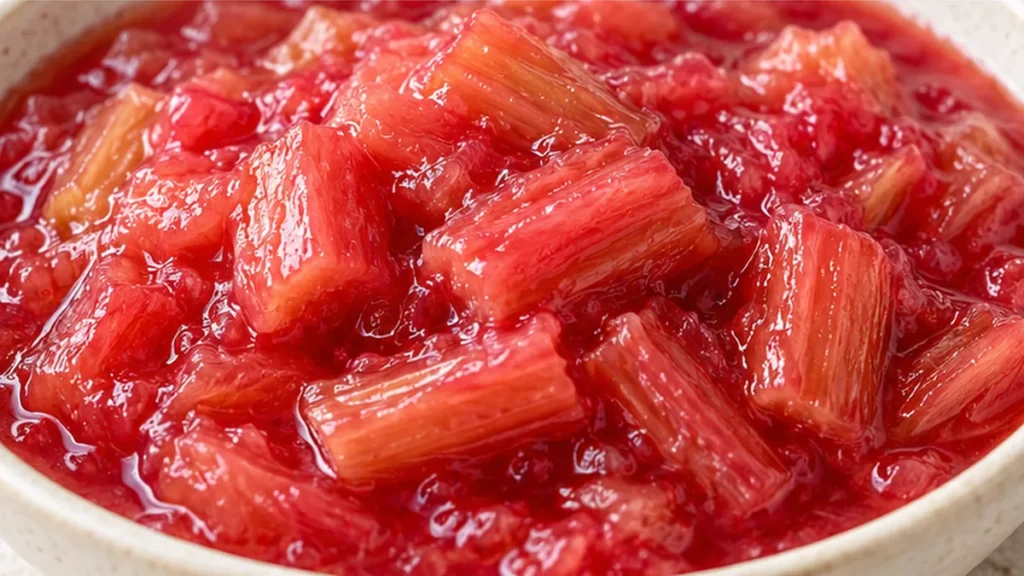
Rhubarb sauce showcases the tangy, distinct flavor of rhubarb, a perennial favorite in American households. The balance of sweet and tart is key to making this sauce a delightful addition to your desserts and breakfast dishes. This simple recipe requires only four ingredients, making it accessible for even the busiest cooks. Plus, it’s a great way to use up fresh rhubarb during the growing season, so don’t miss out on this sweet treat!
Key takeaways
- Rhubarb’s tartness requires careful balancing with sugar for the perfect sauce.
- Overcooking can lead to a mushy texture; monitor cooking time closely.
- Ingredient swaps like honey or maple syrup can alter the flavor profile.
- Rhubarb sauce is uniquely tart and pairs well with sweet desserts.
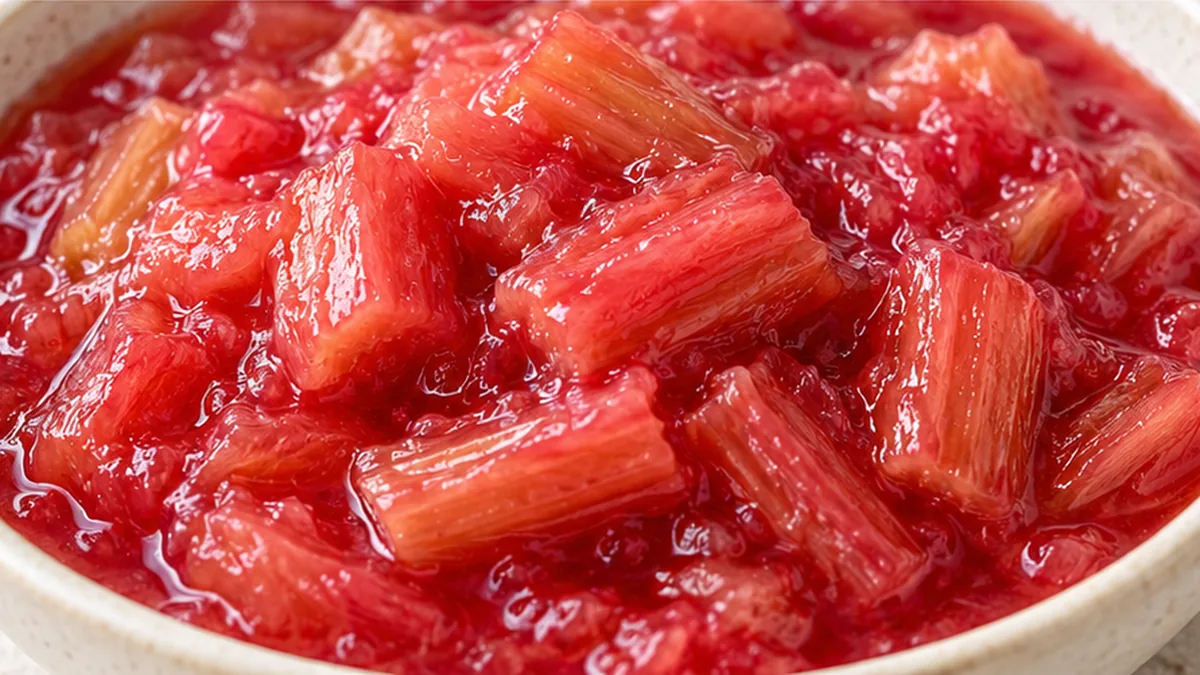
Sweet & Tart Rhubarb Sauce You’ll Love!
Ingredients
Method
- In a medium bowl, combine the rhubarb, sugar, and salt. Let sit at room temperature for 30 minutes.
- Transfer to a medium saucepan and cook over medium heat, covered, stirring occasionally, for 20 minutes or until soft.
- Remove from heat and purée until smooth (or leave chunky). Stir in vanilla extract.
- Cool completely and store in an airtight jar in the fridge for up to 3 weeks.
Video
Notes
Understanding the Role of Rhubarb in Sauce Preparation
Rhubarb is a unique vegetable often mistaken for a fruit, and its high acidity and tartness are what define its flavor profile in sauces. The balance between the tartness of rhubarb and the sweetness of sugar is crucial in creating a harmonious sauce. The ideal sugar-to-rhubarb ratio is typically around 1:3, depending on the ripeness of the rhubarb and the desired sweetness level. Cooking rhubarb at a gentle simmer allows it to break down properly, usually taking about 10-15 minutes. This process releases its natural juices, which combine with the sugar to create a syrupy consistency.
Common Issues and Their Solutions in Rhubarb Sauce
One frequent issue when making rhubarb sauce is the inconsistency in texture. If the rhubarb is overcooked, it can turn mushy and lose its shape. To prevent this, monitor the cooking time closely and remove the sauce from heat as soon as the rhubarb is tender but still holds some structure. Another problem is achieving the right sweetness; if the sauce ends up too tart, adding a bit more sugar can help balance it out. Conversely, if it becomes too sweet, a splash of lemon juice can reintroduce acidity.
Ingredient Swaps and Their Effects on Flavor
While the recipe calls for granulated sugar, alternatives like honey or maple syrup can be used, each imparting a distinct flavor. For instance, honey will add floral notes, while maple syrup provides a deeper, caramel-like sweetness. If you’re looking to reduce sugar intake, using a sugar substitute designed for cooking can work, but be aware that this might affect the sauce’s texture and sweetness level. Additionally, experimenting with spices such as cinnamon or ginger can enhance the sauce’s flavor profile without adding extra sugar.
Unique Characteristics of Rhubarb Sauce
Unlike many fruit-based sauces, rhubarb sauce has a distinct tartness that can be both refreshing and complex. This tartness makes it an excellent companion for sweet desserts, such as vanilla ice cream or cheesecake, providing a contrast that enhances both components. Moreover, rhubarb is high in dietary fiber and low in calories, making this sauce a guilt-free indulgence. It is also versatile enough to be used as a topping for breakfast items like yogurt or pancakes, adding a burst of flavor to your morning routine.
How to Properly Store Rhubarb Sauce for Maximum Freshness
Storing rhubarb sauce correctly is essential to maintain its flavor and texture. Once prepared, allow the sauce to cool to room temperature before transferring it to an airtight container. It can be stored in the refrigerator for up to one week. For longer storage, consider freezing the sauce. When freezing, use freezer-safe containers or heavy-duty freezer bags, leaving some space for expansion. Properly stored, rhubarb sauce can last for up to six months in the freezer. Thaw it overnight in the refrigerator before reheating on the stovetop or microwave, stirring to restore its consistency.
Scaling the Recipe: Adjusting Quantities for Different Needs
Scaling your rhubarb sauce recipe can be straightforward, but it requires careful consideration of ingredient ratios to maintain flavor and texture. If you want to double the recipe, simply use 10-14 stalks of rhubarb and adjust the sugar to 1 1/3 cups. For smaller batches, halve the ingredients while ensuring the cooking time remains similar, as rhubarb cooks down quickly regardless of the quantity. Always taste and adjust sugar levels, as the tartness of rhubarb can vary. This flexibility allows you to create just the right amount for your needs, whether for a small family dessert or a large gathering.
Choosing the Right Equipment for Optimal Cooking Results
The equipment used to make rhubarb sauce can significantly impact the final product. A heavy-bottomed saucepan is ideal, as it distributes heat evenly and prevents scorching. If you prefer a smoother sauce, an immersion blender can be used after cooking to puree the mixture directly in the pot. For a chunkier texture, simply mash the rhubarb with a fork or potato masher. Additionally, using a lid during cooking can help retain moisture, while stirring regularly ensures even cooking. Selecting the right tools can enhance your cooking experience and improve the quality of your rhubarb sauce.
Seasonal Variations: Adapting Rhubarb Sauce Throughout the Year
Rhubarb sauce can be adapted based on the season and the quality of ingredients available. During peak rhubarb season, which typically runs from late spring to early summer, the stalks are tender and flavorful, requiring less sugar. In contrast, off-season rhubarb may be tougher and more tart, necessitating a higher sugar content to balance the flavors. Additionally, consider incorporating seasonal spices or fruits, such as ginger or strawberries, to enhance the sauce. These variations not only add depth to the flavor but also allow for creative culinary experimentation throughout the year.
Understanding the Impact of Seasonal Quality on Rhubarb Sauce
The quality of rhubarb can significantly affect the flavor and texture of your sauce. In spring, when rhubarb is in season, it tends to be sweeter and more tender, making it ideal for sauces. Conversely, rhubarb harvested later in the year may be tougher and more tart. This can lead to a sauce that requires more sugar to balance the acidity. A good rule of thumb is to taste the rhubarb before cooking; if it’s overly tart, you may need to adjust the sugar content accordingly. Additionally, older rhubarb stalks can develop a stringy texture, which may require more cooking time to soften properly. Aim to use rhubarb with a vibrant color and firm texture for the best results.
Batch Scaling: Adjusting Quantities for Rhubarb Sauce
When scaling your rhubarb sauce recipe, it’s essential to maintain the correct ratios of sugar and salt to ensure consistent flavor. For every additional stalk of rhubarb, increase the sugar by approximately 1 to 2 tablespoons, depending on the tartness of the rhubarb. The sea salt can be adjusted slightly to enhance flavor, but it’s best to keep it minimal to avoid overpowering the sweetness. If you’re making a larger batch, consider cooking the sauce in a wider pot; this allows for better evaporation and a thicker consistency. Be mindful of the cooking time, as larger quantities may require additional time to reach the desired thickness.
Serving Suggestions: Pairing Rhubarb Sauce with Other Dishes
Rhubarb sauce is versatile and can complement a variety of dishes. It pairs beautifully with savory items like roasted meats, particularly pork and chicken, where its acidity can cut through the richness. For a sweet touch, serve it over desserts such as vanilla ice cream, yogurt, or pancakes. Additionally, consider incorporating it into baked goods, like cakes or muffins, where it can add moisture and a tart flavor. Experimenting with spices like cinnamon or ginger can also elevate the sauce, making it a delightful addition to breakfast or dessert menus.
Understanding the Role of Sweetness in Rhubarb Sauce
Sweetness is a crucial component in balancing the tartness of rhubarb, which is naturally high in acidity. The amount of sugar you add can significantly impact the final flavor profile. For this recipe, using ⅔ cup of granulated sugar helps to mellow the sharpness of the rhubarb while allowing its unique flavor to shine through. If you prefer a less sweet sauce, consider reducing the sugar to ½ cup; however, be aware that this will enhance the tartness, which may be desirable for some but overpowering for others. Additionally, if you’re using particularly sweet varieties of rhubarb or adding other sweet ingredients, such as berries, you may want to adjust the sugar accordingly. The key is to taste as you go, ensuring a balanced flavor that suits your palate.
Batch Scaling and Adjustments for Rhubarb Sauce
When scaling the recipe for rhubarb sauce, it’s essential to maintain the right balance of ingredients to preserve flavor and texture. If you choose to double the recipe, use 10-14 stalks of rhubarb, 1 ⅓ cups of sugar, and adjust the sea salt and vanilla extract proportionally. Keep in mind that larger batches may require slightly longer cooking times to achieve the desired consistency. Monitor the sauce closely as it cooks; you may find that it needs an additional 5-10 minutes. For smaller batches, feel free to halve the ingredients, but be cautious with cooking times as well. The sauce can also be made in advance and stored in the refrigerator for up to a week, making it a convenient option for meal prep or seasonal gatherings.
Pro tips
- Always use fresh rhubarb for a bright color and taste.
- Feel free to adjust the sugar based on your sweetness preference.
- This sauce pairs wonderfully with vanilla ice cream or yogurt.
Try this rhubarb sauce and improve your dessert game! It’s versatile and delicious, perfect for any occasion.
Frequently asked questions
Can I use frozen rhubarb for this sauce?
Yes, frozen rhubarb can be used, but it may release more water during cooking. Adjust the sugar accordingly to maintain the desired sweetness.
How long can I store rhubarb sauce?
Rhubarb sauce can be stored in the refrigerator for up to one week. For longer storage, consider freezing it in airtight containers for up to six months.
What desserts pair well with rhubarb sauce?
Rhubarb sauce pairs excellently with vanilla ice cream, cheesecake, or even pancakes, adding a delightful contrast of flavors.
Can I make rhubarb sauce without sugar?
While sugar enhances the flavor, you can experiment with sugar substitutes or natural sweeteners like honey or agave syrup, but this may alter the sauce’s final taste and texture.
More from Sweet & Dessert Sauces →