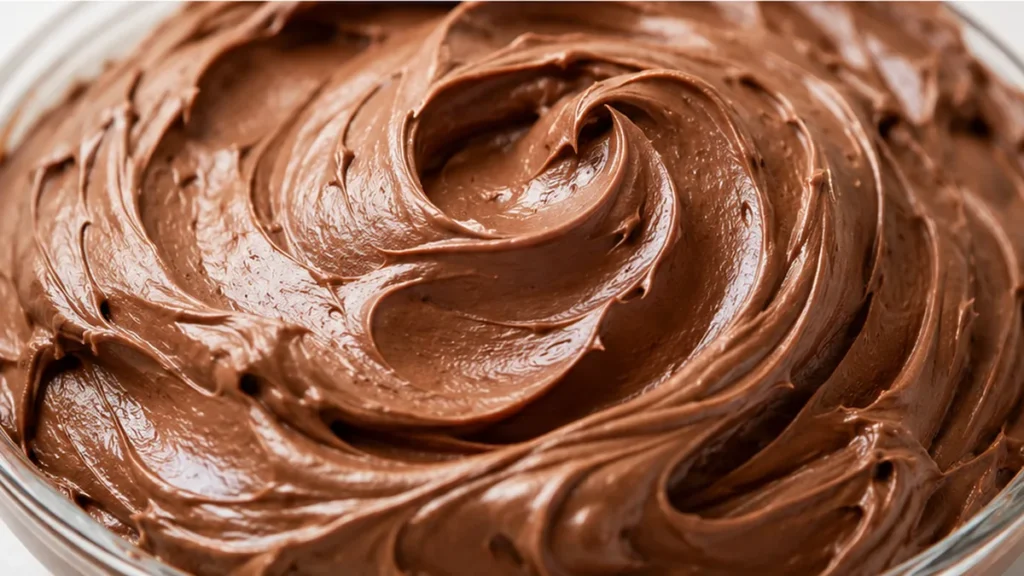
The secret to a truly decadent cake often lies in its frosting, and this milk chocolate fudge frosting is pure indulgence. Forget grainy, overly sweet store-bought options; this recipe yields a luxuriously smooth, deeply chocolatey, and perfectly rich topping that will improve any dessert. It’s surprisingly simple to make, requiring just a few key ingredients and a little patience during the chilling phase. This is the frosting you’ve been dreaming of for your next celebration or just a Tuesday treat. This milk chocolate fudge frosting is designed for ease and maximum flavor impact. We use pure milk chocolate for a classic, comforting taste, balanced by the tang of sour cream and the depth of cocoa powder. The key is in the technique – gentle heating and careful whisking to achieve that signature glossy, fudge-like consistency. Perfect for home bakers looking to impress without spending hours in the kitchen.
Key takeaways
- Achieving a smooth emulsion is crucial for a creamy texture.
- Use sour cream to balance sweetness and add richness.
- Refrigerate to thicken if the frosting is too thin.
- Milk chocolate gives a unique sweetness that distinguishes this frosting from dark chocolate varieties.
Milk Chocolate Fudge Frosting
Ingredients
- 16 oz (454g) pure milk chocolate
- ½ cup (120ml) heavy 35% whipping cream
- 3 tablespoon (18g) cocoa powder
- ½ cup (120ml) full fat sour cream
- ⅛ teaspoon salt
- 1 teaspoon vanilla extract
Instructions
- Finely chop the milk chocolate and place it in a heatproof bowl.
- Heat the cream in a saucepan over low-medium heat until it gently boils, then pour over the chocolate.
- Cover and let stand for 2 minutes, then stir gently until smooth.
- Sift in cocoa powder, add sour cream and salt, and whisk gently to combine.
- Chill the bowl in the fridge for about 10 minutes, then stir gently.
- Whisk vigorously for a few seconds until it lightens slightly, ensuring it remains glossy.
- Use a large offset spatula to spread the frosting over cooled cake layers.
Video
Notes
How to Achieve the Perfect Emulsion for Your Frosting
The key to a silky smooth chocolate fudge frosting lies in achieving a stable emulsion between the chocolate and the cream. Begin by gently melting the 16 oz of pure milk chocolate at a low temperature (around 120°F or 49°C) to prevent burning. Gradually whisk in the ½ cup of heavy whipping cream until fully incorporated. This process ensures that the fat from the chocolate and cream blend seamlessly, resulting in a creamy texture.
Why Your Frosting Might Turn Grainy
A common issue with chocolate fudge frosting is graininess, often caused by overheating the chocolate or not properly emulsifying the ingredients. If your frosting appears grainy, it may be due to the chocolate seizing. To fix this, gently reheat the mixture over a double boiler while stirring continuously until smooth. Ensure that no water comes into contact with the chocolate, as moisture can lead to seizing.
Balancing the Sweetness with Sour Cream
Incorporating ½ cup of full-fat sour cream into your frosting not only adds creaminess but also balances the sweetness of the chocolate. The acidity in sour cream cuts through the richness, enhancing the overall flavor profile. If you prefer a different tang, you can substitute with Greek yogurt, but expect a slightly thicker texture and a more pronounced tanginess.
What to Do When Your Frosting Is Too Thin
If your chocolate fudge frosting is too thin, it may be due to the ratio of cream to chocolate or insufficient cooling time. To thicken it, you can add 3 tablespoons of cocoa powder, which will absorb excess moisture and enhance the chocolate flavor. Alternatively, refrigerate the frosting for about 30 minutes to allow it to firm up before using.
Unique Characteristics of Milk Chocolate Fudge
This milk chocolate fudge frosting stands out due to its use of milk chocolate instead of dark chocolate, resulting in a sweeter, creamier flavor. The milk chocolate’s higher sugar content and lower cocoa percentage provide a softer texture compared to dark chocolate frostings. This unique quality makes it ideal for pairing with rich cakes, as it complements rather than overpowers the dessert.
How to Store Milk Chocolate Fudge Frosting for Maximum Freshness
Proper storage is crucial for maintaining the quality of your milk chocolate fudge frosting. After preparing the frosting, allow it to cool to room temperature before transferring it to an airtight container. This prevents condensation, which can lead to a watery texture. The frosting can be stored in the refrigerator for up to one week. For longer storage, consider freezing it; it can last up to three months. To freeze, scoop the frosting into a freezer-safe container, leaving some space for expansion. When ready to use, thaw it overnight in the refrigerator and re-whip to restore its creamy consistency.
Scaling the Batch for Different Needs
Scaling your milk chocolate fudge frosting recipe can be straightforward, but it’s essential to maintain the correct ratios for consistent results. If you want to double or halve the recipe, keep the proportions of milk chocolate, cream, cocoa powder, sour cream, salt, and vanilla extract the same. For instance, doubling the recipe means using 32 oz of chocolate and 1 cup of cream. However, be mindful that the mixing time may increase or decrease slightly, depending on the batch size. Larger batches may require more time to achieve the right texture, while smaller batches may come together more quickly.
Choosing the Right Equipment for Optimal Results
The equipment you use can significantly impact the texture and consistency of your milk chocolate fudge frosting. A heatproof bowl is essential when melting the chocolate; glass or metal bowls work best. For mixing, a stand mixer is preferable as it provides consistent whipping and aeration, leading to a smoother frosting. If using a hand mixer, be prepared for a bit more effort, especially with larger batches. Additionally, a spatula or rubber scraper is invaluable for folding in the sour cream and ensuring an even mixture without deflating the frosting.
Adapting to Seasonal Ingredient Variability
Seasonal changes can affect the quality of your ingredients, which in turn impacts your milk chocolate fudge frosting. For instance, chocolate can vary in cocoa butter content depending on the brand and season, altering the melting point and texture. During warmer months, you may find chocolate melts more quickly, leading to a thinner consistency. In contrast, colder months might require additional warming to achieve the same melting behavior. Additionally, the freshness of the cream and sour cream can change with seasons, affecting the overall flavor and texture. Always taste your ingredients before use to ensure the best outcome.
How to Make Milk Chocolate Fudge Frosting Ahead of Time
Preparing milk chocolate fudge frosting in advance can save time when you are ready to assemble your dessert. To make ahead, prepare the frosting as directed, then allow it to cool to room temperature. Store it in an airtight container in the refrigerator for up to one week. When ready to use, allow it to come to room temperature, then re-whip it for a smooth consistency. This method preserves the texture and flavor, but be cautious of the frosting’s stability; if stored too long, it may lose some of its creamy richness.
Why Your Fudge Frosting Might Seize Up
Seizing can occur if the chocolate is overheated or if moisture is introduced. When melting the chocolate, ensure that the temperature does not exceed 120°F (49°C) to maintain a smooth texture. If your frosting seizes, try adding a small amount of warm heavy cream to the mixture, stirring vigorously to re-emulsify. This can help to restore the desired consistency. Always keep utensils dry and clean to avoid introducing moisture that can lead to seizing.
Choosing Equipment for Optimal Mixing and Application
The type of equipment you use can significantly impact the final texture of your milk chocolate fudge frosting. A heatproof bowl made of glass or metal is ideal for melting chocolate, as it provides even heat distribution. For mixing, a stand mixer with a paddle attachment is recommended, as it efficiently incorporates air into the frosting, creating a light texture. A silicone spatula is perfect for scraping down the sides of the bowl and ensuring all ingredients are well combined. For application, a piping bag can create decorative swirls, while an offset spatula is excellent for spreading an even layer on cakes.
How to Achieve the Right Consistency for Spreading
The consistency of milk chocolate fudge frosting is crucial for achieving a smooth application. The ideal texture should be thick enough to hold its shape but soft enough to spread easily. To achieve this, closely monitor the temperature of your ingredients. The heavy cream should be heated gently to around 160°F (71°C) to help melt the chocolate without burning it. If the mixture is too thick, you can add a little more warm cream, one tablespoon at a time, until the desired consistency is reached. Conversely, if it becomes too runny, refrigerate the frosting for a few minutes to allow it to firm up.
Understanding the Role of Ingredients in Flavor Development
The balance of ingredients in milk chocolate fudge frosting significantly impacts its flavor profile. Milk chocolate, being sweeter and creamier than dark chocolate, provides a rich base. The addition of cocoa powder enhances the chocolate flavor without overpowering it, while sour cream adds a tangy note that balances the sweetness. The salt is essential; it amplifies the flavors and rounds out the sweetness. If you decide to substitute any of these ingredients, be aware that the overall taste and texture will change. For instance, using low-fat sour cream will reduce creaminess, resulting in a less luxurious mouthfeel.
How to Adapt Milk Chocolate Fudge Frosting for Different Cake Sizes
When scaling your milk chocolate fudge frosting recipe, it’s essential to maintain the correct ratios of ingredients to ensure consistent flavor and texture. For a standard 9-inch cake, the original recipe suffices, but for larger cakes, like a 12-inch, increase the ingredients by 1.5 times. This means using 24 oz of milk chocolate, ¾ cup of heavy cream, 4.5 tablespoons of cocoa powder, ¾ cup of sour cream, and adjusting the salt and vanilla extract proportionally. For smaller cakes, such as a 6-inch, halve the ingredients. Be aware that the mixing time may vary; larger batches may require longer to achieve a smooth consistency, while smaller batches may come together quickly. Always taste as you go to ensure the balance remains intact.
Understanding the Impact of Ingredient Quality on Frosting Flavor
The quality of ingredients significantly affects the flavor profile of your milk chocolate fudge frosting. Using high-quality, pure milk chocolate will yield a richer, more decadent taste. Look for chocolate with a cocoa content of around 30-40% for a balanced sweetness and creaminess. Similarly, the freshness of the heavy cream and sour cream plays a crucial role; expired or low-fat versions can lead to off-flavors and a less creamy texture. For cocoa powder, choose Dutch-processed for a smoother, less acidic flavor. Seasonal variations in dairy products can also affect the overall taste; for instance, cream from grass-fed cows might impart a richer flavor. Always opt for the best quality ingredients available to ensure your frosting stands out.
Pro tips
- For the smoothest texture, use high-quality milk chocolate. Couverture chocolate chips melt exceptionally well.
- Gently heat the cream; boiling too hard can cause it to separate.
- Whisk gently when adding cocoa, sour cream, and salt to avoid incorporating too much air, which can cause splitting.
- Don’t over-chill the frosting; it should be thick but spreadable, like pudding. If it sets too firmly, a brief return to gentle double boiler heat can soften it.
Whip up this luscious milk chocolate fudge frosting for your next baking project and experience pure chocolate bliss!
Frequently asked questions
How can I make my frosting less sweet?
To reduce sweetness, consider adding a bit more cocoa powder or a pinch of salt. Both will help balance the flavors without compromising the overall texture.
Can I use dark chocolate instead of milk chocolate?
Yes, you can use dark chocolate, but it will result in a richer, less sweet frosting. Adjust sugar levels to taste, as dark chocolate has a higher cocoa content.
Why is my frosting too runny?
If your frosting is too runny, it may be due to excess cream or not allowing the chocolate to cool sufficiently. Adding cocoa powder or refrigerating the frosting can help thicken it.
How long can I store the chocolate fudge frosting?
The frosting can be stored in an airtight container in the refrigerator for up to one week. Before using, allow it to come to room temperature and re-whip for the best consistency.
More from Sweet & Dessert Sauces →