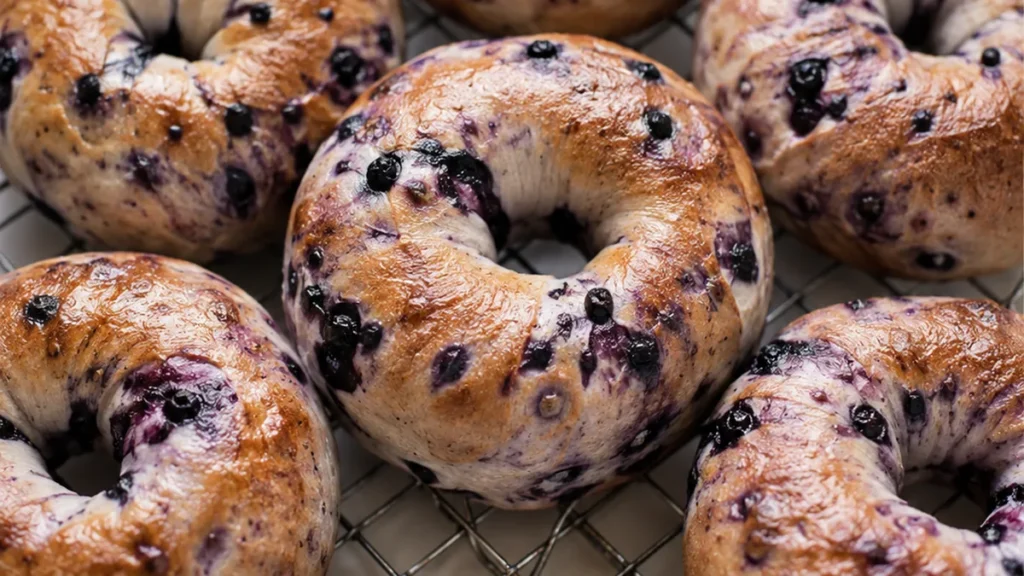
The secret to truly amazing homemade blueberry bagels lies in a two-part blueberry punch – a bright sauce cooked into the dough and plenty of plump dried berries. Achieving that perfect chewy interior and slightly crisp exterior requires careful hydration and just the right amount of kneading. This recipe demystifies the process, guiding you through creating bagels that rival your favorite bakery, all within the comfort of your own kitchen. Perfect for weekend brunches or a special weekday treat.
Key takeaways
- Use a balance of fresh and dried blueberries for optimal moisture and flavor.
- Activate yeast with warm water between 100–110°F for best results.
- Knead dough until smooth and elastic for the right texture.
- Boil bagels before baking to achieve a chewy crust.
Bursting Blueberry Bagels
Ingredients
- 1 and 1/2 cups (about 200g) fresh or frozen blueberries
- 1/4 cup (50g) granulated sugar, divided
- 1 cup (240g/ml) warm water (between 100–110°F/38–43°C)
- 1 tablespoon instant or active dry yeast
- 1 teaspoon pure vanilla extract
- 3/4 cup (120g) dried blueberries
- 3 and 3/4 cups (488g) bread flour (spooned & leveled)
- 2 teaspoons salt
- for coating the bowl: nonstick spray or 2 teaspoons butter or olive oil
- 2 quarts (1.9L) water
Instructions
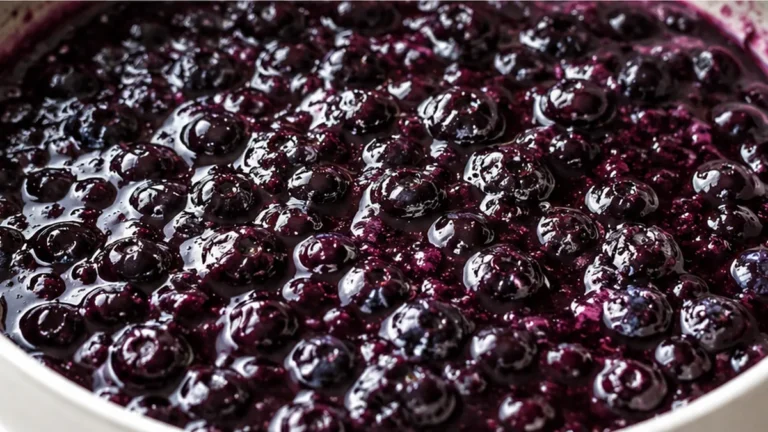
- Cook the blueberries: Combine fresh/frozen blueberries and half the sugar in a small saucepan. Cook over medium-low heat for 10 minutes, stirring, until a slightly thinner-than-jam sauce forms.
- Prepare the dough: In a stand mixer bowl, whisk warm water, remaining sugar, and yeast. Let sit for 5-10 minutes until foamy.
- Mix ingredients: Add 1/2 cup of the cooled blueberry sauce, vanilla extract, dried blueberries, 1 cup bread flour, and salt to the yeast mixture. Beat until incorporated.
- Knead the dough: Beat on low speed for 6-8 minutes until smooth and elastic. The dough should be soft and slightly tacky.
Video
Notes
Understanding the Role of Blueberries in Bagels
Blueberries add both flavor and moisture to bagels, but they can also introduce challenges. The presence of fresh or frozen blueberries can affect the dough’s hydration levels. When using fresh blueberries, the moisture content is higher, which may require adjustments to the flour ratio. Dried blueberries, on the other hand, are less hydrating but provide concentrated sweetness. Aim for a balance of 1 and 1/2 cups of fresh or frozen blueberries and 3/4 cup of dried blueberries to achieve a perfect blend of moisture and flavor.
The Importance of Yeast Activation
Yeast is crucial for the bagel’s rise and texture. Activating yeast properly is essential; use warm water between 100–110°F (38–43°C) to ensure optimal yeast activity. If the water is too hot (over 130°F/54°C), it can kill the yeast, while water that is too cool won’t activate it effectively. Allow the yeast to sit in the water with a teaspoon of sugar for about 5-10 minutes until it becomes frothy. This indicates that the yeast is alive and ready to work.
Achieving the Right Dough Consistency
The dough for blueberry bagels should be firm yet pliable. Using 3 and 3/4 cups of bread flour creates the necessary gluten structure for a chewy texture. If the dough is too sticky, add flour gradually, one tablespoon at a time, until the desired consistency is reached. Knead the dough for about 10 minutes until it becomes smooth and elastic. A well-kneaded dough should spring back when pressed lightly.
Boiling Bagels for Optimal Texture
Boiling bagels before baking is a crucial step that contributes to their characteristic chewy crust. Use a large pot with 2 quarts of water and bring it to a gentle boil. For added flavor and shine, you can add 1-2 tablespoons of honey or malt syrup to the boiling water. Boil the bagels for about 1-2 minutes on each side. This process gelatinizes the outer layer of the dough, creating a barrier that helps retain moisture during baking.
Common Issues and Solutions
- Issue: Bagels are too dense.
- Cause: Insufficient kneading or yeast activation.
- Solution: Ensure the dough is kneaded for at least 10 minutes and the yeast is properly activated.
- Issue: Bagels are too soft.
- Cause: Too much moisture from blueberries.
- Solution: Adjust the flour ratio to compensate for the moisture or reduce the amount of fresh blueberries.
- Issue: Bagels lack flavor.
- Cause: Insufficient sugar or salt.
- Solution: Ensure you use the full amount of sugar and salt in the recipe to enhance flavor.
- Issue: Bagels are too chewy.
- Cause: Over-kneading or too much gluten development.
- Solution: Knead just until smooth and elastic, and avoid excessive handling after the first rise.
How to Store Blueberry Bagels for Maximum Freshness
To keep your blueberry bagels fresh, store them in an airtight container at room temperature for up to 2 days. For longer storage, freeze them individually in plastic wrap and then place them in a freezer-safe bag, where they can last for up to 3 months. When ready to eat, thaw at room temperature or toast directly from the freezer for a warm, fresh taste.
Scaling the Recipe for Larger or Smaller Batches
This blueberry bagel recipe can be easily scaled up or down depending on your needs. To maintain the right texture, ensure that the ratios of ingredients remain consistent. For example, if you double the recipe, use 6 cups of bread flour and 3 cups of warm water. Adjust the yeast accordingly, keeping the proportion of yeast to flour around 1:120 for optimal fermentation. Always remember to keep an eye on the dough’s consistency and adjust hydration levels if necessary.
Choosing the Right Equipment for Bagel Making
The equipment you use can significantly affect the outcome of your blueberry bagels. A stand mixer with a dough hook is ideal for kneading, as it allows for consistent gluten development. If you don’t have one, a sturdy wooden spoon and some elbow grease will suffice. Additionally, using a large pot for boiling ensures that the bagels have enough space to float freely, which is crucial for achieving that perfect bagel texture.
Serving Suggestions to Enhance Your Blueberry Bagels
Blueberry bagels can be enjoyed in various ways. For a delightful breakfast, spread cream cheese or mascarpone on a toasted bagel and top with fresh blueberries for added texture and flavor. Pair them with a side of yogurt or a fruit salad for a balanced meal. Drizzling honey or maple syrup can also enhance the sweetness, making them a perfect treat for brunch gatherings or afternoon snacks.
How to Make Blueberry Bagels Ahead of Time
Preparing blueberry bagels in advance can be a great time-saver. After shaping the bagels, you can refrigerate them overnight. This slow fermentation allows the flavors to develop further. To do this, place the shaped bagels on a parchment-lined baking sheet, cover them with plastic wrap, and refrigerate. When ready to bake, remove them from the fridge, let them sit at room temperature for about 30 minutes to 1 hour, until they are slightly puffy, and then proceed with the boiling and baking steps.
Understanding the Impact of Ingredient Quality on Blueberry Bagels
The quality of your ingredients can significantly influence the taste and texture of blueberry bagels. Fresh blueberries will yield a juicier and more vibrant flavor compared to frozen ones, which may introduce extra moisture. When using dried blueberries, choose ones that are plump and moist, as they will rehydrate better during the mixing process. Additionally, using high-quality bread flour, with a protein content of around 12-14%, helps develop the gluten structure necessary for a chewy bagel. Always check the expiration dates on your yeast and flour, as stale ingredients can lead to poor rise and texture.
Choosing the Right Toppings and Pairings for Blueberry Bagels
Blueberry bagels can be enjoyed in various ways, enhancing their flavor profile with thoughtful toppings and pairings. Cream cheese is a classic choice, and for a twist, consider flavored varieties like honey or cinnamon. For a more savory option, a spread of ricotta cheese with a drizzle of honey can complement the sweetness of the blueberries. Fresh fruits, such as sliced strawberries or bananas, also work well. Additionally, serving blueberry bagels with a side of fresh fruit or a fruit compote can create a delightful breakfast or brunch experience.
Understanding the Role of Fresh vs. Frozen Blueberries in Bagels
When making blueberry bagels, the choice between fresh and frozen blueberries can significantly affect the final product. Fresh blueberries tend to have a firmer texture and a more vibrant flavor, which can enhance the overall taste of the bagel. However, they are more perishable and can spoil quickly. On the other hand, frozen blueberries are convenient and can be stored for longer periods. They may release more moisture during baking, which can affect the dough’s hydration level. If using frozen blueberries, it’s advisable to thaw and drain them before incorporating them into the dough to prevent excess moisture from altering the bagel’s texture.
Timing the Proofing Process for Optimal Flavor Development
The proofing stage is crucial for developing the flavor and texture of blueberry bagels. After mixing the dough, allow it to rest for about 1 to 1.5 hours until it doubles in size. This resting period enables the yeast to ferment the sugars in the dough, creating carbon dioxide that contributes to the bagel’s chewy texture. If you prefer a more complex flavor, consider a cold proof in the refrigerator for 12 to 24 hours. This slower fermentation process enhances the bagel’s taste and allows for better gluten development, resulting in a more satisfying chew. Be mindful that longer proofing times may require adjustments in the amount of yeast used to prevent over-fermentation.
How to Scale Blueberry Bagels for Any Occasion
Scaling the recipe for blueberry bagels is straightforward, but attention to detail is essential to maintain texture and flavor. When doubling or halving the recipe, keep the yeast and salt ratios consistent. For instance, if you double the recipe, use 2 tablespoons of yeast and 4 teaspoons of salt. The hydration level should remain around 60% to achieve the right dough consistency. This means for every 100 grams of flour, you should use about 60 grams of water. Adjusting the water slightly based on the humidity of your environment can also help. Remember that proofing times may vary; larger batches may take longer to rise, while smaller batches might proof more quickly. Always monitor the dough’s volume rather than relying solely on time.
Understanding the Role of Blueberry Quality in Flavor and Texture
The quality of blueberries significantly impacts the flavor and texture of your blueberry bagels. Fresh blueberries offer a burst of flavor and moisture, while frozen blueberries may release more juice during baking, potentially altering the bagel’s texture. When using frozen blueberries, it’s advisable to thaw and drain them to minimize excess moisture. Additionally, the season can affect flavor; summer blueberries are often sweeter and more flavorful than those available in winter. If using dried blueberries, consider soaking them in warm water or juice for about 10 minutes to enhance their moisture content before incorporating them into the dough. This ensures a more balanced distribution of flavor and prevents them from absorbing too much moisture from the bagel dough during baking.
Pro tips
- Cook the blueberry sauce gently to avoid scorching the sugars.
- Ensure your yeast is active by checking for foam after 5-10 minutes.
- Don’t over-flour the dough; a slightly tacky texture is key for chewiness.
- A rapid boil is crucial for the bagel’s characteristic texture.
Enjoy these delightful blueberry bagels warm or toasted with your favorite spread. Experiment with cream cheese or butter for the ultimate treat!
Frequently asked questions
Can I use only fresh blueberries for the bagels?
Yes, you can use only fresh blueberries, but be mindful that they add more moisture to the dough. You may need to adjust the flour amount to achieve the right consistency.
How long should I knead the dough?
Knead the dough for about 10 minutes until it becomes smooth and elastic. Proper kneading develops the gluten necessary for a chewy bagel texture.
What if my bagels don’t puff up while boiling?
If your bagels don’t puff up during boiling, it may indicate that the dough wasn’t kneaded enough or the yeast was not properly activated. Ensure both steps are done correctly for the best results.
Can I make these bagels ahead of time?
Yes, you can prepare the dough in advance and let it rise in the refrigerator overnight. Just allow it to come to room temperature before shaping and boiling the bagels.
More from Sweet & Dessert Sauces →