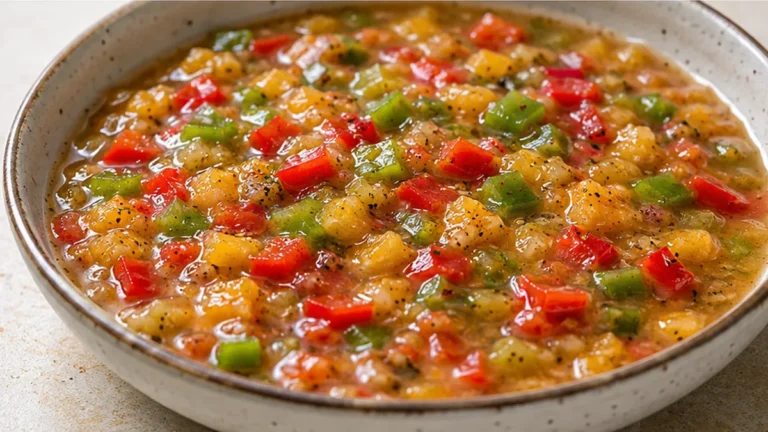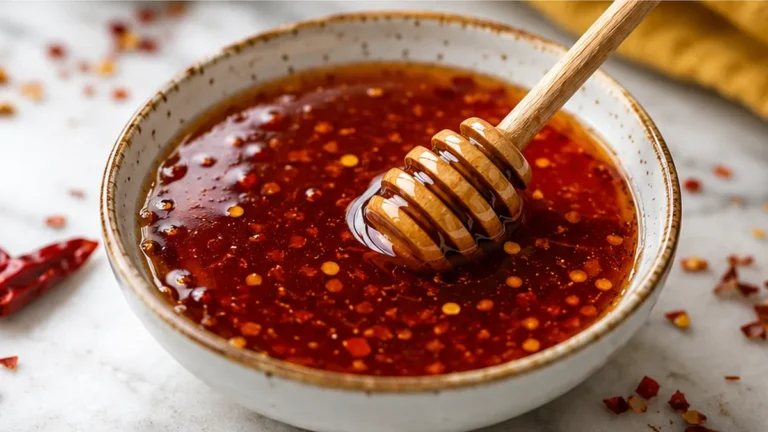
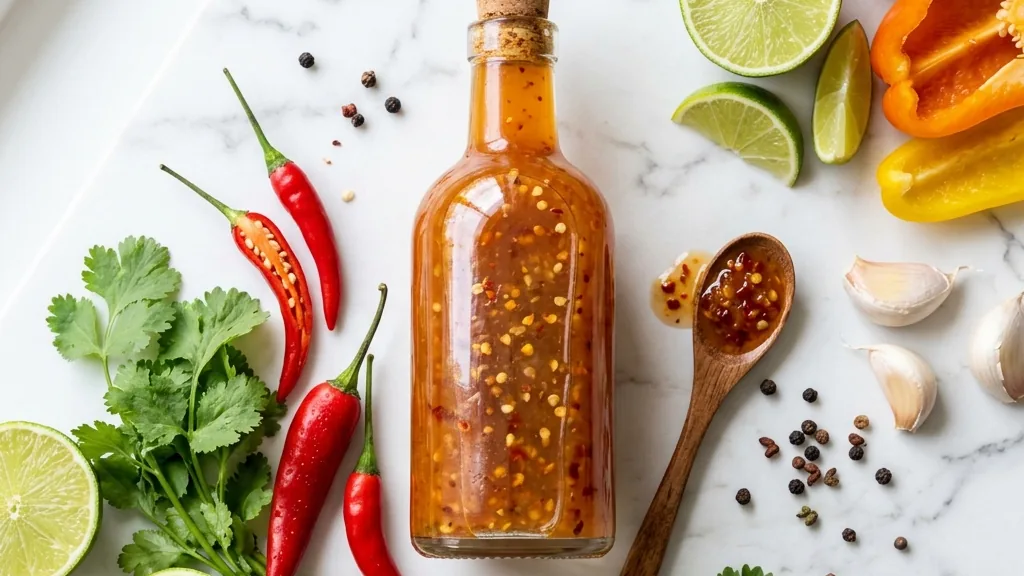
Is hot sauce healthy for you? For most people, yes, hot sauce is a genuinely healthy way to season food, and in some ways it beats almost every other bottle in the door of your fridge. A classic vinegar-and-pepper hot sauce is nearly calorie-free, has no sugar, and carries capsaicin, the compound that gives chilies their burn and most of their benefits. The catch is sodium, and the catch is your own gut. The line between helpful and harmful is fairly clear.
Here is the straight answer, then what actually helps you, what to watch, and which bottle to reach for.
The Short, Honest Answer
A few shakes of a simple hot sauce is one of the lowest-cost upgrades you can make to a plate of food. You add big flavor, a little capsaicin, and almost nothing else. Compared with ketchup, barbecue sauce, or a creamy dressing, hot sauce gives you flavor without the sugar and fat. The two real downsides are salt, since many bottles run high in sodium, and irritation, since spice can aggravate certain stomach and gut conditions. For a healthy adult who keeps the amount reasonable, the benefits outweigh the risks. For someone with reflux, IBS, or an ulcer, the math changes.
So it is not a health food in the way spinach is. It is a smart flavor tool with a couple of real caveats.
What Capsaicin Actually Does
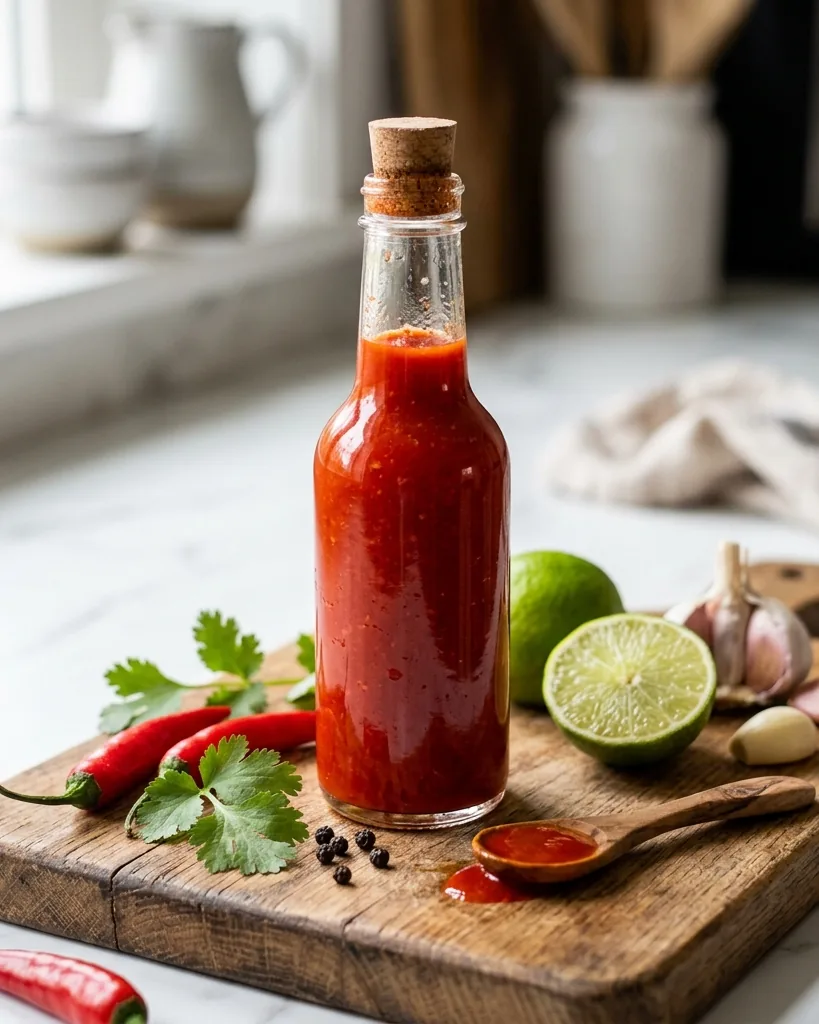
Capsaicin is the active ingredient, and it does more than make your mouth burn. When it hits the heat and pain receptors in your mouth, your body responds as if it needs to cool down. That triggers a small, temporary bump in metabolism and gets your endorphins going, which is part of why a spicy meal can feel weirdly good. The endorphin rush is real, and it is the reason chili heads keep chasing bigger burns.
Research summarized by Healthline connects capsaicin to a handful of effects. It can slightly raise the rate at which you burn calories for a short window after eating. It has anti-inflammatory and antioxidant activity in lab and animal studies. Topical capsaicin is used in actual pain creams for arthritis and nerve pain, which tells you the compound is potent enough to matter. There is also early work on insulin sensitivity and blood sugar, though that is far from settled in humans.
There is also a comfort angle that rarely makes the health lists. Capsaicin can act as a mild decongestant. If you have ever eaten something fiery while stuffed up and felt your sinuses suddenly drain, that is the capsaicin at work, thinning mucus and opening the airways for a short stretch. It will not cure a cold, but a bowl of spicy soup when you are congested is a small, pleasant kind of relief that has some real mechanism behind it.
Here is an honest read, from a desk that is not a doctor but reads the labels and the studies. The benefits are plausible and lean positive, but the doses in these studies often exceed what you get from a few dashes on your eggs. Do not eat hot sauce as medicine. Eat it because it makes vegetables and lean protein taste good enough that you actually eat them. The healthiest thing hot sauce does is unglamorous: it makes plain, good food worth finishing, meal after meal, without sugar or cream doing the persuading.
The Big Population Studies Are Encouraging
This is the part the brand blogs skip, and it is the most interesting piece of evidence. Large population studies have looked at people who eat chili regularly versus people who almost never do. The PURE study, which tracked a very large international group, found that regular chili eaters had a lower risk of death over the study period. A separate analysis pulling together several cohorts pointed in the same direction, with chili eaters showing roughly a 12 to 14 percent lower risk of all-cause mortality compared with non-eaters.
Care is needed here, because this is exactly where health writing goes wrong. These are observational studies. They show an association, not proof that the chili caused the longer life. People who eat a lot of chili might also cook more at home, eat more vegetables, or move more. Still, the signal keeps showing up across different countries and diets, which is more than you can say for most condiment claims. It is a reasonable point in hot sauce’s favor, not a guarantee. What makes it a touch more convincing than the usual food headline is that consistency: the effect turns up in populations from Italy to China that share almost nothing else on the plate, which is unusual and raises the floor on how seriously to take it.
The Sodium Problem, by Bottle
This is where hot sauce can quietly work against you. A teaspoon of a typical Louisiana-style hot sauce carries somewhere around 120 mg of sodium. That sounds small until you remember the daily target sits near 2,300 mg, and that most people are already over it from packaged food. The thicker, sweeter, garlicky sauces tend to carry more. Here is a rough ranking.
| Sauce | Approx. Sodium per Tbsp | Sugar | Notes |
|---|---|---|---|
| Classic Louisiana (cayenne, vinegar, salt) | Low to moderate (~180-200 mg) | None | Cleanest profile, very few ingredients |
| Sriracha | High (~300+ mg) | Yes, several grams | Sugar and garlic raise both numbers |
| Buffalo sauce | High (~400+ mg) | Low | Butter and salt push calories up too |
| Sambal oelek | Moderate to high | None to low | Mostly chili, salt, vinegar |
| Chili crisp | High, plus oil calories | Some | Delicious but not low-cal; it is fried in oil |
The takeaway is not to fear hot sauce. It is to read the label like you would for soy sauce. A few dashes of a clean cayenne sauce barely registers. Half a cup of buffalo sauce on wings is a different conversation. If sodium is your concern, the same label-reading habit applies to salty staples, which is why our guide on a substitute for soy sauce spends so much time on lower-sodium swaps.
Fermented vs Vinegar Hot Sauce: A Gut Angle Nobody Mentions
Not all hot sauces are made the same way, and the method changes more than the flavor. Vinegar hot sauces, the classic style, are mostly chili, vinegar, and salt, often cooked or bottled with the acid doing the preserving. Fermented hot sauces are made by letting chilies sit in a salt brine for days or weeks, where natural bacteria sour the mash before it gets blended. Think of the difference between quick-pickled cucumbers and real sour pickles.
Here is the part the big sites miss. A truly raw, unpasteurized fermented hot sauce can carry live lactic-acid bacteria, the same family found in yogurt and kimchi, which may support a healthier gut. The honest caveat: most commercial fermented hot sauces are pasteurized or hot-filled for shelf stability, which kills those cultures. So the gut benefit applies mainly to small-batch, refrigerated, raw ferments, not the heat-treated bottle on a grocery shelf. The flavor of a ferment is also deeper and rounder, which makes it the better choice when you want complexity rather than pure heat.
Hot Sauce vs Other Condiments
The fairest way to judge whether hot sauce is healthy is to compare it with what it usually replaces. Most people do not eat hot sauce instead of broccoli. They eat it instead of ketchup, ranch, barbecue sauce, or mayo. On that scoreboard, hot sauce wins almost every round. A tablespoon of ketchup carries around 4 grams of sugar. Barbecue sauce can hit 6 to 9 grams of sugar plus a heavy sodium load. Ranch dressing brings roughly 130 to 140 calories and a lot of fat per two tablespoons. A classic hot sauce, by contrast, gives you flavor for almost no calories, no sugar, and no fat.
That swap is the real health story. If reaching for hot sauce means you skip the sugary glaze or the creamy dip, you are quietly cutting calories and added sugar from your week without feeling deprived. Some people lose their taste for sweet condiments entirely once they get hooked on heat, and their plates get better for it. The flavor payoff is high and the cost is low, which is exactly the trade you want from a condiment.
There is one place where this flips. Buffalo sauce and chili crisp are hot sauces in spirit but carry real butter or oil, so they are closer to a dressing on the calorie sheet. Enjoy them, just count them honestly rather than treating them like a free shake of cayenne sauce.
Reading a Hot Sauce Label Like a Pro
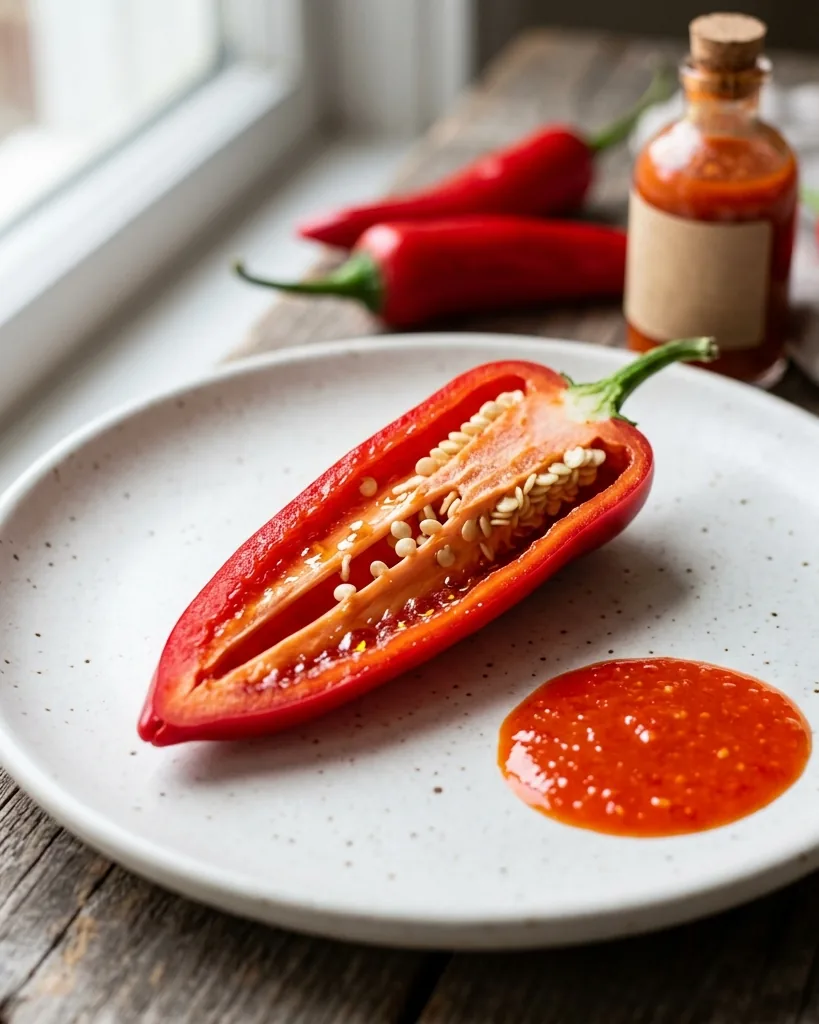
Read hot sauce labels the way you would read a wine list, quickly and with a few rules. The shorter the ingredient list, the better, as a general rule. The classic trio of peppers, vinegar, and salt is hard to beat. When you see sugar, corn syrup, or “natural flavors” near the top, the bottle is leaning on sweetness or manufactured taste rather than the chili itself.
Check the serving size, because it is sneaky. Many labels list a teaspoon as a serving, then the sodium number looks tiny. If you actually use a tablespoon, triple it in your head. Watch for thickeners and gums, which are not harmful but often signal a cheaper sauce padded for body. And if gut health is your goal, look for the words raw, unpasteurized, or live cultures, and check that the bottle is sold from a refrigerated case rather than a warm shelf. Those small label habits separate a clean, useful condiment from a sugar-and-salt delivery system wearing a chili costume.
Who Should Go Easy on Hot Sauce
Spice is not a problem for most people. For some, it genuinely is. Capsaicin does not cause ulcers or reflux, but it can irritate tissue that is already inflamed and make existing symptoms worse. Use this as a quick gut-check before you drown your eggs.
- Acid reflux or GERD: spice can worsen heartburn for many people. Test small amounts.
- IBS: capsaicin can speed gut motility and trigger cramping or urgency in sensitive people.
- Active stomach ulcer or gastritis: ask your doctor; irritation can aggravate symptoms.
- Hemorrhoids or anal fissures: undigested capsaicin can sting on the way out.
- On certain medications: spicy food can interact with how some drugs sit in the stomach; check with a pharmacist if you take stomach-sensitive meds.
If none of those apply to you, the practical risk is mostly a burning mouth and the occasional regret the next morning. That is a tolerance issue, not a health issue.
How to Build Heat Tolerance Without Wrecking Your Stomach
People assume tolerance is fixed. It is not. The receptors that sense capsaicin get less reactive with repeated exposure, which is why your first season of eating spicy food feels brutal and the third feels easy. If you want to enjoy hotter sauces without paying for it, ramp slowly. Start with a milder cayenne-based sauce, use it a few times a week, and only step up the Scoville rating once the current level feels comfortable. Always pair heat with food rather than taking it straight, since fat and starch buffer the burn. Dairy, not water, is what actually cuts the heat, because the casein in milk binds capsaicin and washes it off the receptors. Water just spreads the oil-based burn around, which is why chugging a glass after a too-hot bite makes things worse, not better. Keep a little yogurt or whole milk nearby when you push your limit.
One useful technique: layer heat rather than dumping it. A little hot sauce early in cooking, then a fresh hit at the end, gives depth without a single scorching note. Test kitchens like America’s Test Kitchen use the same layering idea when they build heat into chili and braises. The same logic applies to balancing any bold sauce, the way you balance acid and salt when you build a savory base with tamari or soy.
The Bottom Line
Hot sauce earns its spot. For a healthy person, a clean vinegar-and-pepper sauce adds flavor, a dose of capsaicin, and almost no calories or sugar, and the population data on regular chili eaters leans encouraging. The two things to watch are sodium, which varies a lot by bottle and can climb fast in sweet or buttery styles, and your own gut, since spice can aggravate reflux, IBS, and a few other conditions. Read the label, favor simple ingredient lists, and if you want a possible gut perk, seek out a raw, refrigerated ferment. Used with a little sense, hot sauce is one of the easier wins in your kitchen.
FAQ
Is hot sauce good for weight loss?
Hot sauce can play a small supporting role. It is nearly calorie-free and the capsaicin causes a slight, temporary rise in calorie burn, but the effect is modest. The bigger benefit is practical: a flavorful, low-calorie sauce makes lean protein and vegetables tasty enough to choose over richer options.
Does hot sauce raise or lower blood pressure?
It can go either way depending on the bottle. Capsaicin has been linked to relaxed blood vessels and lower blood pressure in some studies, but many hot sauces are high in sodium, which pushes blood pressure up. If you watch your blood pressure, choose a low-sodium, simple-ingredient sauce and keep the amount modest.
Is hot sauce bad for your stomach?
For most people, no. Capsaicin does not cause ulcers and may even have protective effects on the stomach lining at normal amounts. It can, however, irritate tissue that is already inflamed, so people with reflux, IBS, gastritis, or an active ulcer may notice worse symptoms and should test small amounts.
Is fermented hot sauce healthier than regular hot sauce?
It can be, but only if it is raw and unpasteurized. A live, refrigerated fermented hot sauce may carry beneficial lactic-acid bacteria similar to those in yogurt. Most shelf-stable fermented sauces are heat-treated, which kills those cultures, so check that it is sold cold and labeled raw or unpasteurized.
How much hot sauce per day is safe?
There is no fixed limit for a healthy adult, but sodium is the practical guardrail. A teaspoon of classic hot sauce adds around 120 mg of sodium, so a few teaspoons a day is fine for most people within a 2,300 mg daily target. Scale back if you have high blood pressure or a sensitive gut.
Does hot sauce lose its health benefits when cooked?
Mostly no. Capsaicin is heat-stable and survives cooking, so its effects carry through into a finished dish. Vitamin C can degrade with prolonged heat, but you were never getting a meaningful vitamin dose from a few dashes anyway. The main reason to add a fresh hit at the end is flavor brightness, not nutrition.