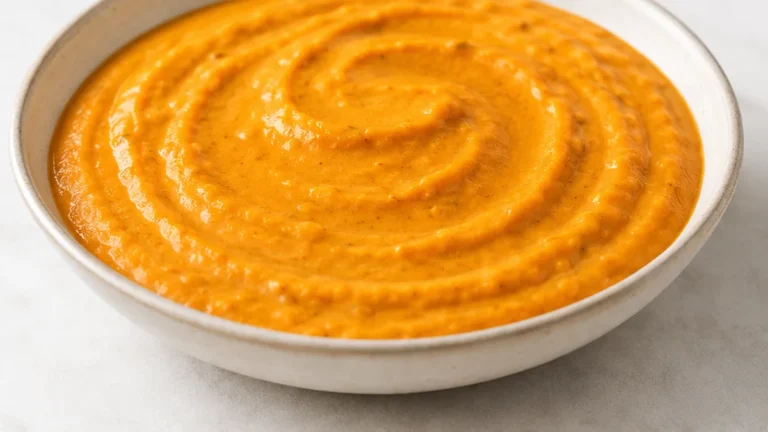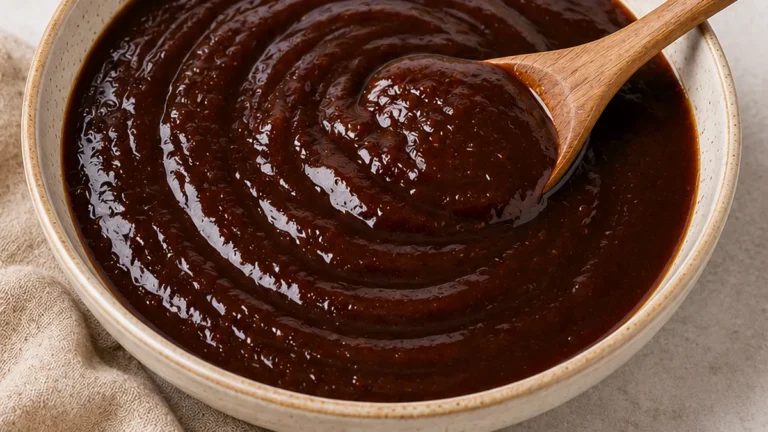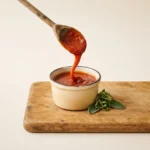
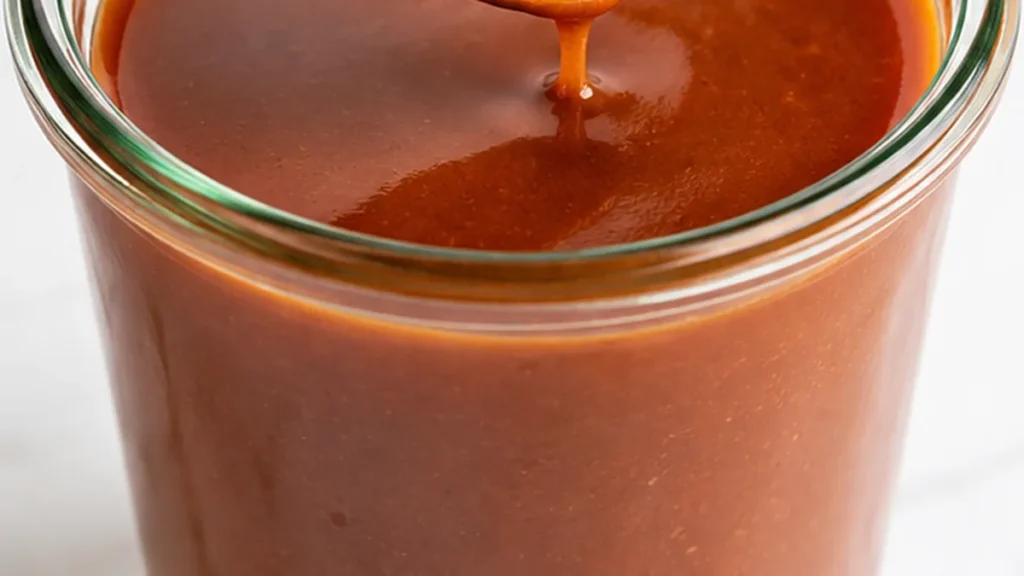
This red enchilada sauce is simple to make and packed with flavor. Using roasted tomatoes enhances the taste, making it a great addition to your meals.
Key takeaways
- Use a blend of dried chilies for a complex flavor.
- Toast chilies lightly to avoid bitterness.
- Balance acidity with vinegar or lime juice.
- Store sauce for easy meal prep and versatility.
Easy Red Enchilada Sauce
Ingredients
- 2 tbsp oil (vegetable or canola)
- 3 tbsp all-purpose flour
- 4 tbsp red chili powder
- 1 cup chicken stock
- 1 cup water
- 1 tsp garlic powder
- 1 tsp salt
Instructions
- Heat oil in a large pan over medium heat.
- Add flour and whisk together, cooking until starting to brown.
- Add chili powder and whisk together with flour and oil mixture until thick.
- Gradually add water and chicken stock, whisking until lumps are dissolved.
- Stir in garlic powder and salt, whisk until combined.
- Simmer over medium heat for 10-15 minutes until sauce thickens.
- The sauce should coat a spoon when ready.
- Serve immediately or store in an airtight container.
The Importance of Chili Peppers in Red Enchilada Sauce
At the core of any red enchilada sauce is the chili pepper, which provides the essential flavor and heat. The type of chili used can significantly affect the sauce’s overall taste profile. Common choices include dried red chilies like guajillo, ancho, or chipotle, each contributing unique flavor notes. For instance, guajillo peppers offer a mild heat with a hint of berry-like sweetness, while chipotle peppers bring a smoky depth. When preparing your sauce, consider using a blend of these peppers to achieve a more complex flavor. Aim for a ratio of about 50-70 grams of dried chilies per liter of sauce for optimal flavor extraction.
Common Mistakes When Making Red Enchilada Sauce
One frequent issue encountered when making red enchilada sauce is an overly bitter taste. This can occur if the chilies are over-toasted or if the sauce is simmered for too long. To avoid this, toast the chilies just until fragrant—typically around 30 seconds to 1 minute—and then rehydrate them in hot water for about 15-20 minutes before blending. Another common mistake is not balancing the acidity; adding a splash of vinegar or lime juice can help brighten the flavors. If you find your sauce too thick, consider thinning it with a bit of chicken or vegetable broth, maintaining a ratio of 1 part broth to 2 parts sauce for a smooth consistency.
Essential Ingredients and Their Roles
Each ingredient in red enchilada sauce plays a crucial role in the final flavor and texture. Tomatoes, whether fresh or canned, provide sweetness and body. When using fresh tomatoes, aim for about 500 grams, as they will break down to create a rich base. Onions and garlic add depth; sautéing them until translucent before adding to the sauce enhances their sweetness. Additionally, spices like cumin and oregano are vital; about 1 teaspoon of each can bring warmth and earthiness to the sauce. Finally, don’t forget the salt—start with 1 teaspoon and adjust to taste, as it enhances all the other flavors.
Swaps and Trade-offs for Red Enchilada Sauce
When making red enchilada sauce, substitutions can be made based on availability or dietary preferences. For instance, if you cannot find dried chilies, you can use chili powder as a substitute, but it may lack the depth of flavor; use about 2 tablespoons of chili powder for every 30 grams of dried chilies. Alternatively, for a milder sauce, you can replace some of the chili peppers with roasted red bell peppers, which will add sweetness without much heat. If you’re looking for a gluten-free option, ensure that any thickeners used, like flour, are replaced with cornstarch or arrowroot powder, maintaining a 2:1 ratio of liquid to thickener.
Unique Characteristics of Red Enchilada Sauce
Red enchilada sauce is distinct from other sauces due to its deep, rich color and complex flavor profile, which comes from the combination of various dried chilies and spices. Unlike green enchilada sauce, which relies on tomatillos and green chilies, red sauce offers a more robust and hearty taste. This versatility allows it to pair well with a variety of fillings, from cheese to meat, making it a staple in many Mexican dishes. Additionally, the sauce can be prepared ahead of time and stored in the refrigerator for up to one week or frozen for up to three months, allowing for quick meal prep.
How to Properly Store and Reheat Red Enchilada Sauce
Red enchilada sauce can be made ahead of time and stored for later use, making it a convenient option for meal prep. To store, allow the sauce to cool completely, then transfer it to an airtight container. It can be refrigerated for up to one week or frozen for up to three months. When reheating, gently warm the sauce over low heat on the stovetop, stirring occasionally to prevent sticking. If the sauce thickens during storage, add a splash of water or broth to achieve the desired consistency.
Scaling Your Recipe for Red Enchilada Sauce
Scaling your red enchilada sauce recipe is straightforward, whether you need to feed a crowd or just want to make a smaller batch. For larger quantities, simply multiply each ingredient proportionally. However, keep in mind that cooking times may vary slightly. For instance, if you double the recipe, you may need to simmer the sauce a bit longer to develop the flavors fully. Conversely, for smaller batches, be cautious with spices, as reducing them too much can lead to a less flavorful sauce.
Equipment Choices That Impact Sauce Texture and Flavor
The equipment you use can significantly affect the texture and flavor of your red enchilada sauce. A blender or food processor can create a smoother sauce, while a mortar and pestle can give a more rustic texture, enhancing the overall mouthfeel. Additionally, using a heavy-bottomed saucepan can help distribute heat evenly, preventing scorching. If you prefer a chunkier sauce, consider using a hand blender directly in the pot for more control over consistency.
Seasonal Ingredients and Their Effects on Red Enchilada Sauce
The quality of ingredients can vary with the seasons, impacting the final flavor of your red enchilada sauce. Fresh tomatoes, for instance, are at their peak during summer months and can add a vibrant flavor that canned tomatoes may lack. Similarly, the heat level of chili peppers can fluctuate based on the season and growing conditions. When using fresh ingredients, taste the sauce as you go, adjusting spices and acidity to maintain balance, especially if you’re using seasonal produce.
Understanding the Role of Chili Varieties in Flavor Depth
The choice of chili peppers in red enchilada sauce significantly impacts the overall flavor profile. Different varieties, such as ancho, guajillo, and chipotle, bring unique characteristics. For instance, ancho peppers offer a mild sweetness with a rich, dark fruitiness, while guajillo peppers add a tangy note with moderate heat. Chipotle, being smoked, introduces an earthy and smoky flavor. When combining these chilies, aim for a balance: a ratio of 2:1 ancho to guajillo can create a well-rounded sauce. Experimenting with different combinations can yield variations in heat and sweetness, allowing for a personalized touch to your enchilada sauce.
How to Enhance the Sauce with Cooking Techniques
The cooking technique used when preparing red enchilada sauce can greatly influence its final taste and texture. Sautéing onions and garlic before adding the chilies can develop a deeper flavor through the Maillard reaction, which occurs when proteins and sugars in food are heated. Aim for a medium heat and sauté until the onions are translucent, about 5-7 minutes. Additionally, simmering the sauce for at least 20-30 minutes allows the flavors to meld and intensify. If you prefer a smoother sauce, consider blending it after simmering, which can create a velvety texture, perfect for coating enchiladas.
How to Adjust Red Enchilada Sauce for Different Serving Sizes
Scaling your red enchilada sauce is straightforward, but it requires attention to ingredient ratios. When increasing the batch size, maintain the proportions of your spices and liquids to ensure a consistent flavor profile. For example, if you double the recipe, use twice the amount of tomatoes, chili powder, and other spices. However, be cautious with salt; it’s better to add it gradually to taste as you scale up. This method prevents over-seasoning, which can easily happen with larger quantities. Additionally, consider the cooking time. A larger batch may require a longer simmering period to allow the flavors to meld properly, so monitor the sauce closely. If you’re making a smaller batch, you can still achieve deep flavors by using a concentrated cooking method, such as sautéing the onions and garlic longer before adding the tomatoes. This enhances the sauce’s complexity without needing to adjust the recipe significantly.
The Impact of Ingredient Quality on Red Enchilada Sauce Flavor
The quality of your ingredients can significantly influence the final taste of your red enchilada sauce. Fresh, high-quality chili peppers provide a vibrant flavor that dried or lower-quality options cannot replicate. When selecting tomatoes, opt for ripe, in-season varieties, as they yield a sweeter and more robust sauce. Additionally, the freshness of spices plays a crucial role; older spices can lose potency and affect the sauce’s depth. To maximize flavor, consider toasting your spices before adding them to the sauce. This technique releases essential oils and enhances their aroma, leading to a more flavorful dish. Furthermore, using homemade stock instead of water can add an extra layer of richness. Each ingredient contributes to the overall profile, making it essential to choose wisely for a successful red enchilada sauce.
Pro tips
Pro tip: Best served immediately while hot!
Frequently asked questions
Can I make red enchilada sauce ahead of time?
Yes, you can prepare red enchilada sauce in advance. It can be stored in the refrigerator for up to one week or frozen for up to three months, which makes it convenient for meal prep.
What type of chili peppers should I use?
A blend of dried chili peppers like guajillo, ancho, and chipotle is recommended for depth of flavor. Each type contributes its unique taste, so experimenting with ratios can yield delicious results.
How can I adjust the heat level of my sauce?
To control the heat of your red enchilada sauce, adjust the type and amount of chili peppers used. For a milder sauce, use fewer spicy varieties or substitute with roasted red bell peppers for sweetness without heat.
What can I do if my sauce turns out too thick?
If your red enchilada sauce is too thick, you can thin it out by adding a little chicken or vegetable broth. Start with a ratio of 1 part broth to 2 parts sauce until you reach your desired consistency.
More from Asian Sauces →