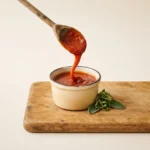
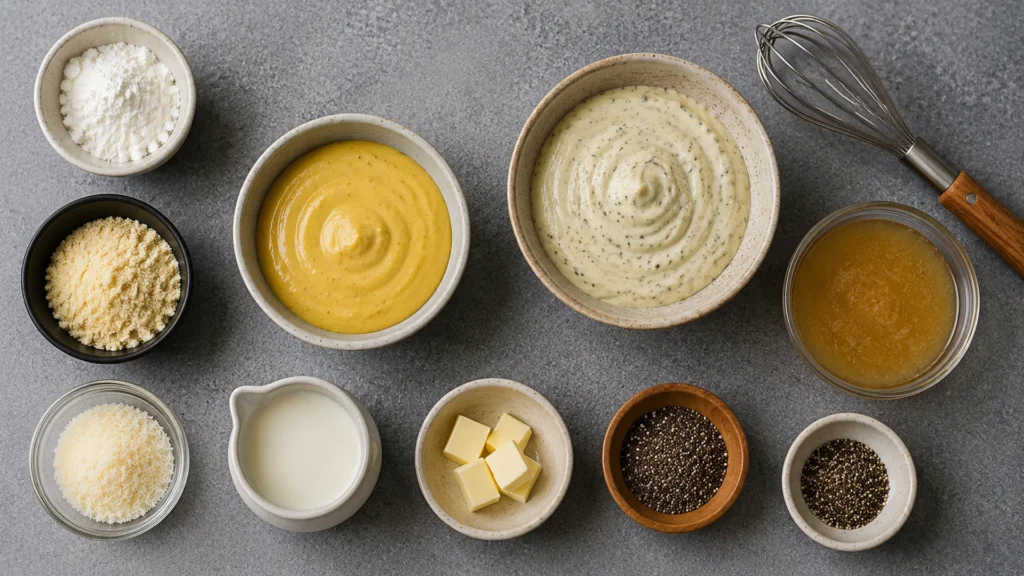
Learning how to thicken sauce is mostly about matching the method to the sauce in front of you. A quick cornstarch slurry rescues a thin stir-fry in seconds, a slow reduction concentrates a pan sauce into something glossy and deep, and a roux gives a cheese sauce or gravy its rich, clingy body. There is no single best thickener, only the right one for the job, and once you know the handful of techniques and what each does, you will never serve a watery sauce again. The good news is that almost all of them use ingredients you already have, and most take only a few minutes.
This guide covers every reliable way to thicken a sauce, from the fast starch slurries to roux, reduction, cream, egg yolks, and pureeing, with the exact ratios and the sauces each method suits best. There is a comparison table, a section on thickening specific sauces like tomato, cheese, and gravy, and the common mistakes that leave sauces lumpy or starchy, so you can fix a thin sauce no matter what you are cooking.
The Quick Answer: Match the Method to the Sauce
Before reaching for a thickener, it helps to know the two broad approaches. You can remove water, by simmering the sauce down so it naturally concentrates, or you can add a thickening agent, like starch, flour, cream, or egg. Reduction deepens flavor but takes time and is not for delicate sauces; starches are fast and neutral; roux and cream add richness and body; egg yolks give a luxurious finish but need care. The fastest fix is a cornstarch slurry, the most flavorful is a reduction, and the most classic for rich sauces is a roux. Pick based on how much time you have, whether you want to add richness, and what the sauce can tolerate.
Method 1: Reduction
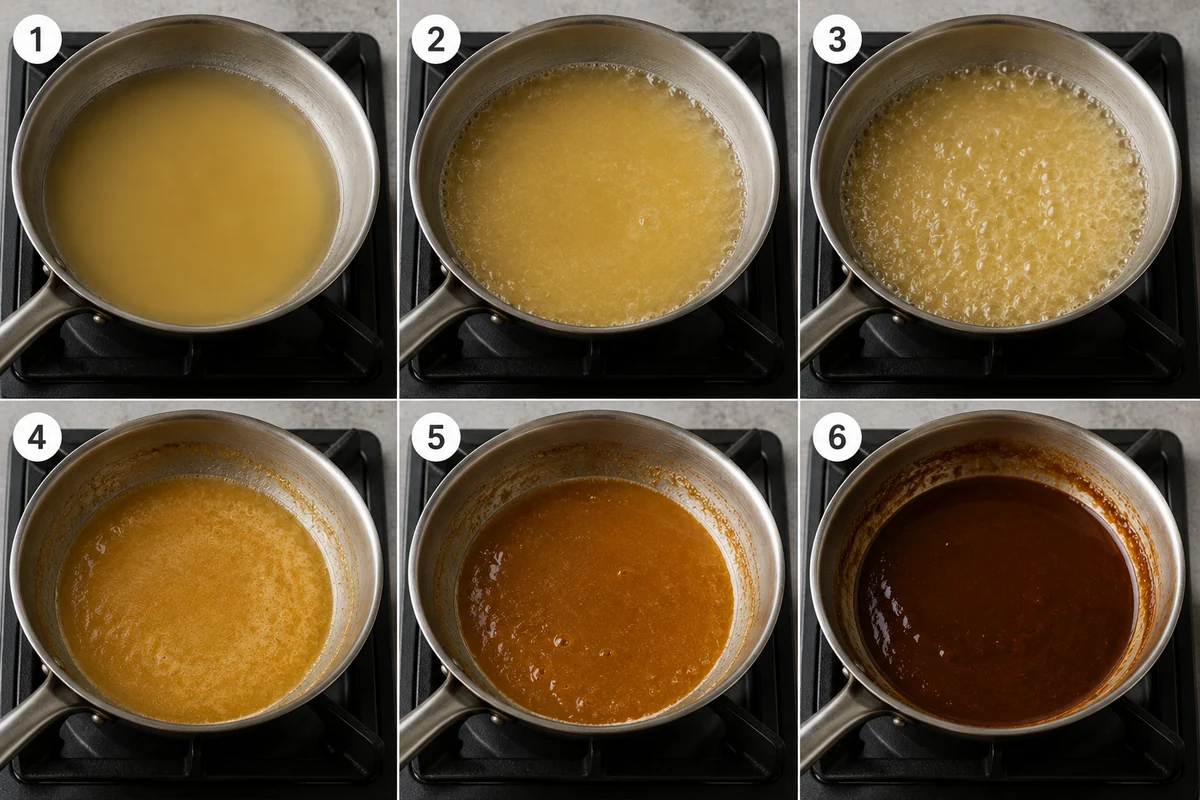
The simplest thickener adds nothing at all. Simmering a sauce over medium or medium-low heat evaporates water, concentrating both the body and the flavor, which is why reduction makes sauces taste richer as well as thicker. It works beautifully for pan sauces, tomato sauces, and anything where intensifying flavor is welcome. The trade-offs are time and volume, since you end up with less sauce, and it is not suitable for dairy-heavy sauces that can break or anything you do not want more concentrated, like an already-salty sauce that would become too salty. Stir occasionally, keep it at a gentle simmer rather than a hard boil, and check the consistency every few minutes. A long, slow reduction is exactly what gives a good marinara sauce its thick, clingy texture.
Method 2: Cornstarch Slurry
This is the fastest, most reliable method and the one to learn first. Mix about one tablespoon of cornstarch with an equal amount of cold water per cup of sauce to make a smooth slurry, then whisk it into the simmering sauce. It will thicken within a minute or two as it comes back to a simmer. The two rules that matter: always mix the cornstarch with cold liquid first, because adding dry starch straight to hot sauce makes lumps, and always let the sauce simmer for a minute after adding it, because raw starch tastes chalky and needs heat to lose that flavor and reach full thickening power. Cornstarch gives a glossy, slightly translucent finish that is perfect for stir-fries, Asian sauces, and gravies. Add it gradually, since you can always add more but cannot easily remove it.
Method 3: Roux
A roux is the classic French thickener and the backbone of cream sauces, cheese sauces, and gravy. Melt equal parts butter and flour together over medium-low heat, whisking, and cook the paste for a minute or two for a white roux or longer for a deeper, nuttier brown one. Then whisk in your liquid gradually, using roughly two tablespoons of roux per cup of liquid, and simmer until it thickens. Roux gives a rich, smooth, clingy body that starches cannot match, which is why a garlic cream sauce or a cheese sauce starts with one. Cook the flour long enough to lose its raw taste, add the liquid slowly while whisking to avoid lumps, and you get a velvety sauce every time.
Method 4: Beurre Manie
Beurre manie, French for kneaded butter, is the quick cousin of roux and the perfect last-minute fix. Knead together equal parts softened butter and flour into a smooth paste, then whisk small pieces into a simmering sauce until it reaches the body you want. Unlike a roux, the flour is raw, so the sauce needs to simmer for a few minutes to cook it out, but the advantage is that you can make it on the spot and add it to a finished sauce without starting over. It is ideal for thickening a stew or pan sauce at the end of cooking, and you can keep a batch in the fridge for whenever a sauce comes out thin.
Method 5: Other Starches
Cornstarch is not the only starch. Arrowroot gives a clearer, glossier finish and works at lower temperatures, making it good for delicate or acidic sauces, though it does not reheat as well. Tapioca starch is similar and freezer-stable, which suits sauces you plan to freeze. Potato starch thickens fast at high heat and is common in some cuisines. All of them are used like cornstarch, mixed with cold liquid into a slurry first, in roughly the same one-tablespoon-per-cup ratio, and all need a brief simmer to activate. The main reason to choose one over another is the finish and stability you want: arrowroot for clarity, tapioca for freezing, cornstarch for everyday convenience.
Method 6: Cream, Cheese, and Dairy
Sometimes the best way to thicken is to add richness. Stirring in heavy cream, creme fraiche, or a handful of grated cheese both thickens a sauce and makes it more luxurious, which is ideal for pasta sauces and pan sauces. Cheese melts into the sauce and adds body along with flavor, while cream reduces and thickens as it simmers. The caution with dairy is heat: add it toward the end, keep the sauce below a hard boil, and avoid boiling cheese sauces aggressively, since high heat can make them break or turn grainy. Used gently, dairy is one of the most delicious thickeners there is.
Method 7: Egg Yolk
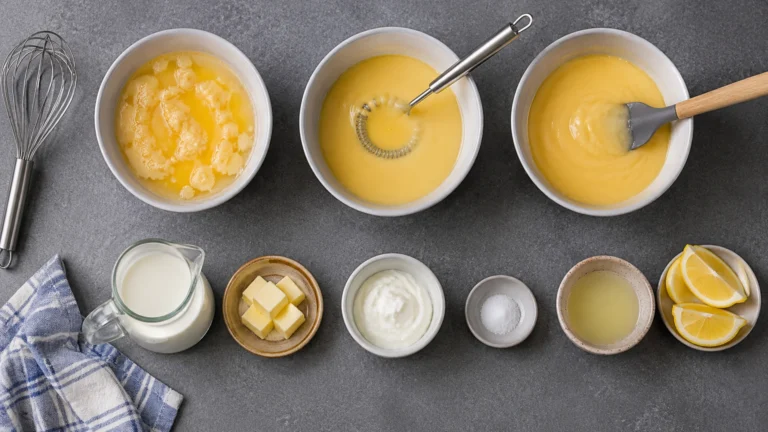
Egg yolks give the silkiest, most luxurious body of any thickener, used in classics like carbonara and hollandaise. The technique is to temper them: whisk the yolks in a bowl, slowly add a ladle of the hot sauce while whisking to warm them gradually, then stir that mixture back into the sauce off or over very low heat. The critical rule is to never let an egg-thickened sauce boil, because the yolks will scramble and the sauce will curdle. It takes a little care, but the result is a glossy, rich sauce that no starch can imitate. This is the method for special-occasion sauces where texture is everything.
Method 8: Pureeing and Pantry Tricks
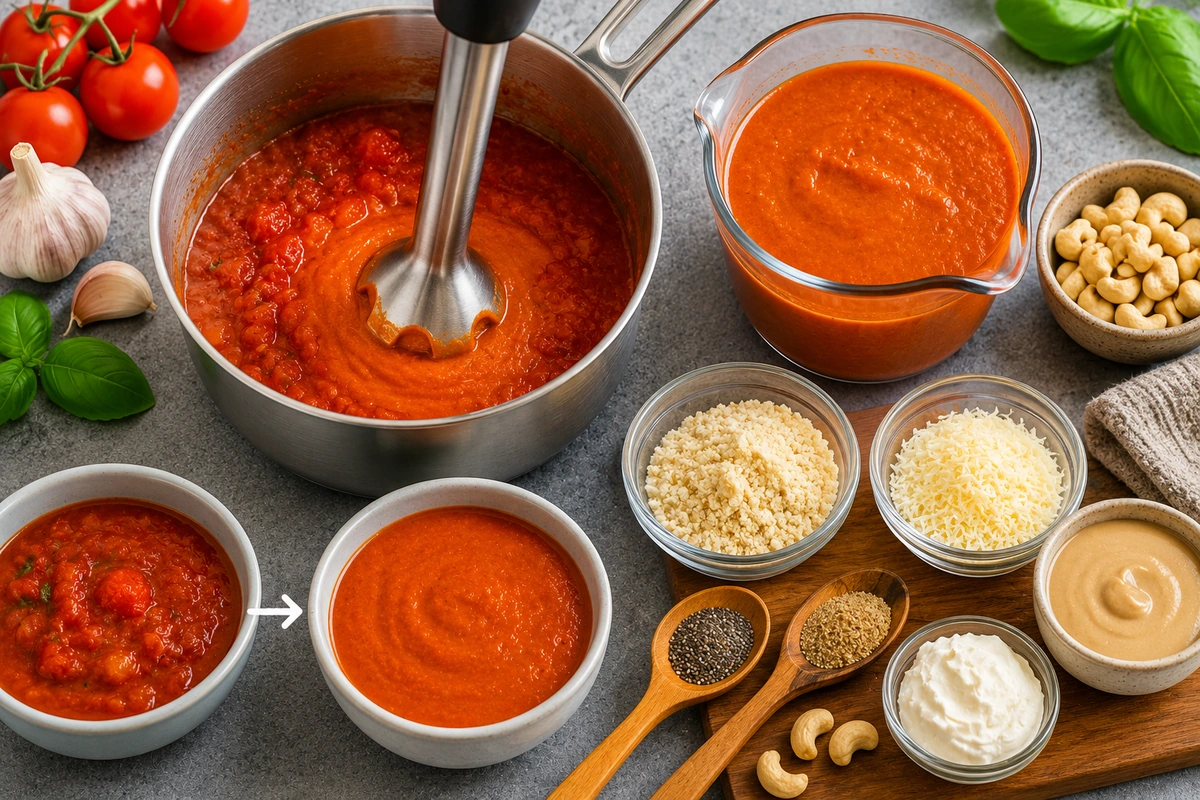
A few more options round out the toolkit. Pureeing part of the sauce, especially one with vegetables, with a blender or immersion blender thickens it using its own ingredients, with no added starch or fat, which is great for tomato and vegetable sauces. A spoonful of tomato paste both thickens and deepens a tomato-based sauce. Mashed potato, breadcrumbs, or a little gelatin can also thicken in specific dishes. These methods are handy when you want to avoid starch or add flavor at the same time, and pureeing in particular keeps a sauce thick without thinning its taste.
| Method | How | Best for |
|---|---|---|
| Reduction | Simmer to evaporate water | Pan and tomato sauces |
| Cornstarch slurry | 1 tbsp + cold water per cup | Stir-fries, gravies, Asian sauces |
| Roux | Cook equal butter and flour | Cheese, cream sauces, gravy |
| Beurre manie | Raw butter-flour paste, stirred in | Last-minute fixes, stews |
| Cream or cheese | Stir in near the end | Pasta and pan sauces |
| Egg yolk | Temper, never boil | Carbonara, hollandaise |
| Puree | Blend part of the sauce | Vegetable and tomato sauces |
How to Thicken Specific Sauces
The right method shifts a little depending on what you are making. For tomato and spaghetti sauce, reduction and a spoonful of tomato paste are the natural choices, since they thicken while deepening the flavor. For cheese sauce, a roux gives the smoothest, most stable body, and gentle heat keeps it from breaking. For gravy, either a cornstarch slurry or a roux works, with roux giving a richer result. For stir-fry and Asian sauces, a cornstarch slurry is the standard, prized for its glossy finish. For cream sauces, reduction plus the cream itself usually does the job. Matching the thickener to the sauce, rather than forcing one method everywhere, is what separates a good sauce from a gluey one.
Common Mistakes and How to Avoid Them
- Lumpy sauce. Dry starch or flour hit hot liquid directly. Always make a slurry with cold liquid first, or whisk liquid slowly into a roux.
- Starchy, chalky taste. The starch was not cooked. Simmer the sauce for a minute or two after adding any starch.
- Broken or grainy dairy sauce. The heat was too high. Add cream and cheese near the end and keep the sauce below a hard boil.
- Curdled egg sauce. It boiled. Temper the yolks and keep an egg-thickened sauce off the boil entirely.
- Over-thickened sauce. Too much thickener at once. Add gradually and thin with a splash of stock, water, or cream if needed.
How to Thin a Sauce That Is Too Thick
Thickening is only half the skill, because it is just as common to overshoot and end up with a sauce that is too thick or gluey. The fix is the mirror image: whisk in a splash of the right liquid until it loosens to the consistency you want. For most savory sauces, warm stock or water works, added a little at a time so you do not overdo it. For cream and cheese sauces, a splash of warm milk or cream thins while keeping the richness. For tomato sauces, a ladle of pasta water or stock loosens them without watering down the flavor too much. The key is to add the liquid gradually and off a hard boil, whisking as you go, since you can always add more but cannot take it back out. Thinning is exactly why you should add thickeners gradually in the first place, leaving yourself room to adjust in either direction rather than committing to a too-thick sauce you then have to rescue.
Gluten-Free and Lighter Thickeners
Not every thickener relies on wheat flour, which matters for gluten-free cooking and for anyone wanting a lighter sauce. Cornstarch, arrowroot, tapioca, and potato starch are all naturally gluten-free and thicken powerfully, making them the easy swaps for a roux when flour is off the table. Pureeing vegetables thickens with no starch or flour at all, which is both gluten-free and a way to add nutrition and flavor. A spoonful of tomato paste or a reduction thickens tomato sauces without any added thickener. For dairy-free cooking, a puree or a starch slurry avoids the cream route entirely. These options mean a thin sauce is fixable on almost any diet, and the gluten-free starches behave just like cornstarch, mixed into a cold slurry and simmered briefly. The same approach carries over to a rotation of gluten-free dinners where a reliable sauce often makes the dish.
The Science of Why Thickeners Work
A little understanding makes every method more reliable. Starches like cornstarch and flour thicken because their granules absorb water and swell when heated, a process called gelatinization, which is why a starch-thickened sauce needs heat to reach full thickness and why raw starch tastes chalky before it cooks. Reduction thickens by removing water so the existing solids and fats concentrate. Egg yolks and butter thicken through emulsion and the proteins and fats they contain. Knowing that starches need heat, that dairy and egg break under high heat, and that reduction concentrates everything including salt explains the rules in this guide rather than asking you to memorize them. For deeper, tested explanations of how these techniques behave, America’s Test Kitchen and Cook’s Illustrated are dependable references that break down the science behind a good sauce.
Frequently Asked Questions
What is the easiest way to thicken a sauce?
A cornstarch slurry is the easiest and fastest. Mix about one tablespoon of cornstarch with an equal amount of cold water per cup of sauce, whisk it into the simmering sauce, and let it cook for a minute. It thickens almost immediately and works for most savory sauces.
How do you thicken sauce without cornstarch?
You have many options: reduce the sauce by simmering, make a roux or beurre manie with butter and flour, stir in cream or cheese, temper in an egg yolk, or puree part of the sauce. Other starches like arrowroot, tapioca, and potato starch also work like cornstarch.
How much cornstarch do you use to thicken sauce?
Use about one tablespoon of cornstarch per cup of liquid, mixed with an equal amount of cold water to make a slurry first. Add it gradually and simmer for a minute, since you can always add more but cannot easily remove it once the sauce is too thick.
Why is my sauce still watery?
Usually the thickener was not cooked long enough, not enough was added, or a starch was added dry and clumped instead of dispersing. Make a proper slurry, simmer for a minute or two to activate it, and add more gradually until the sauce coats the back of a spoon.
How do you thicken a sauce quickly?
A cornstarch slurry is fastest, thickening in a minute or two. For a no-ingredient option, raise the heat slightly and simmer to reduce, or whisk in a little beurre manie. Cream or grated cheese also thickens quickly while adding richness to the right sauces.
Can you thicken sauce by boiling it?
Yes, simmering or gently boiling reduces a sauce by evaporating water, which thickens and concentrates it. This works well for pan and tomato sauces, but avoid hard boiling dairy or egg-based sauces, which can break or curdle at high heat.
Bottom Line
Thickening a sauce comes down to choosing the right tool: a cornstarch slurry for speed, a reduction for flavor, a roux for rich cream and cheese sauces, and an egg yolk for silky luxury. Whatever method you use, make starches into a slurry first, cook them out for a minute, add thickener gradually, and keep dairy and egg sauces off a hard boil. Match the technique to the sauce and you can turn any thin, watery sauce into one that clings to a spoon, every single time. With a little practice, choosing the right thickener becomes second nature, and you will reach for a slurry, a roux, or a reduction without thinking, knowing exactly what each one will do to the sauce in your pan.