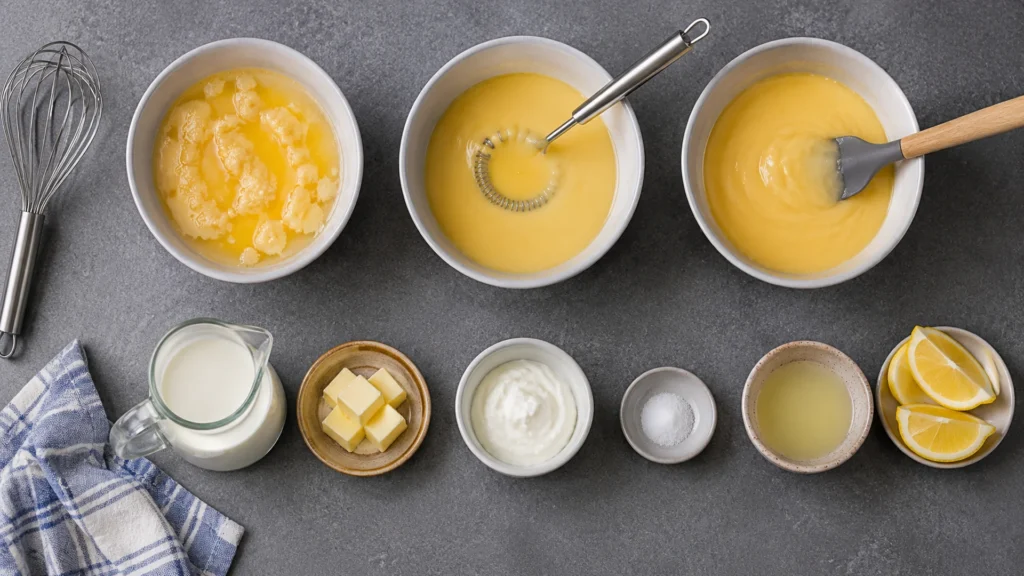
Knowing how to fix a broken sauce can save dinner in under a minute, and the rescue is far easier than most people expect. A broken sauce is one whose emulsion has split, so instead of a smooth, unified sauce you get a greasy, separated, or curdled mess with the fat pooling out. It happens to everyone, usually from too much heat or adding fat too quickly, but it is almost always reversible. The trick is to stop the separation, then gently bring the sauce back together by whisking in a little liquid or building a fresh emulsion around what broke. Once you know the moves, a broken hollandaise or pan sauce is a quick fix rather than a ruined dinner.
This guide explains what breaking actually is, why sauces break in the first place, the fast fix for a sauce that is just starting to separate, the egg yolk and blender methods for a fully broken one, how to handle specific broken sauces, and how to keep it from happening again. With these techniques, a split sauce becomes one of the most fixable problems in the kitchen.
What Does a Broken Sauce Mean?
Many sauces are emulsions, mixtures of fat and water-based liquid that do not naturally combine, held together in a smooth suspension by whisking and sometimes an emulsifier like egg yolk or mustard. When that suspension fails, the sauce breaks: the fat separates out, leaving the sauce looking oily, grainy, curdled, or split into layers. A broken hollandaise turns from velvety to greasy and lumpy; a broken vinaigrette separates back into oil and vinegar; a broken cream or cheese sauce goes grainy. Understanding that breaking is just the emulsion coming apart is the key to fixing it, because the fix is simply rebuilding that emulsion. The sauce is not spoiled and the ingredients are not wasted; they have just stopped holding hands, and your job is to reintroduce them gently.
Why Sauces Break
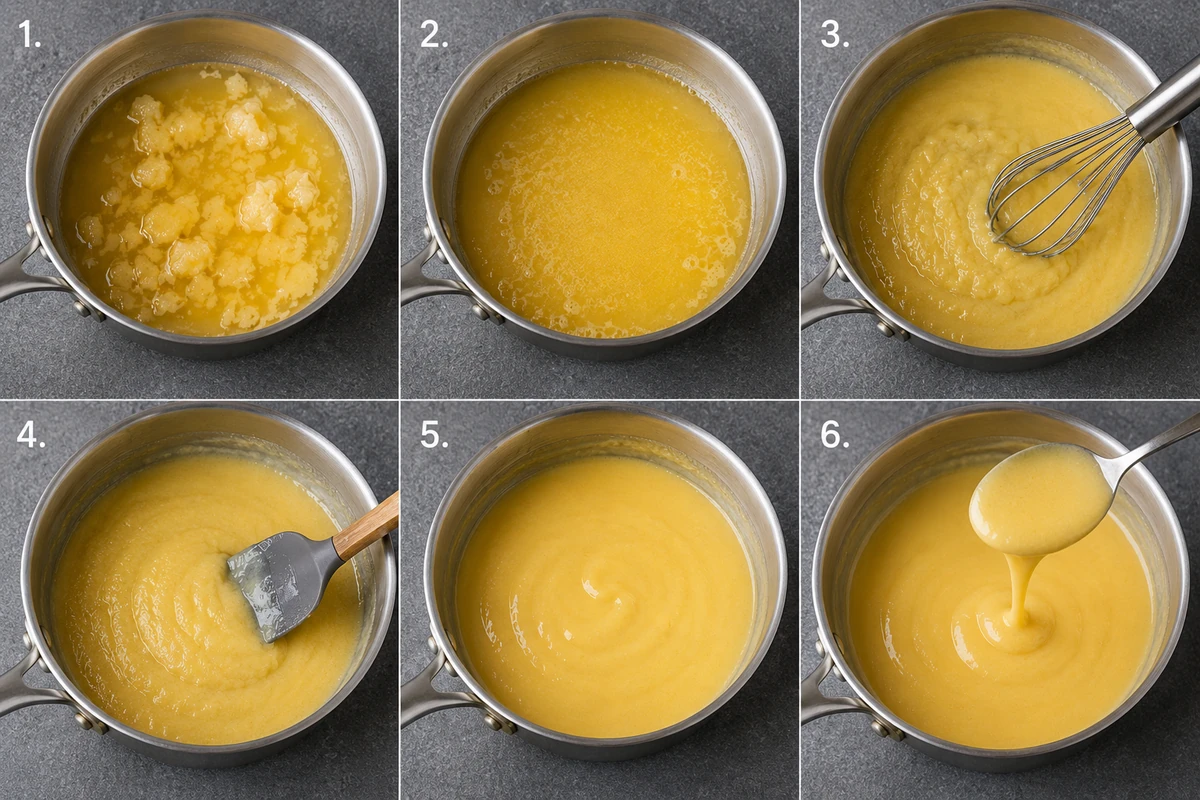
A few culprits cause most broken sauces, and knowing them helps you both fix and prevent the problem. Too much heat is the biggest, because high heat causes the fat to separate out and, in egg-based sauces, can scramble the yolks. Adding fat too quickly is the second, since an emulsion needs the fat worked in gradually so it can disperse; dump it in and it pools. An off ratio, too much fat for the liquid and emulsifier to hold, also breaks a sauce. Temperature shock, like adding cold butter to a hot sauce all at once or refrigerating and reheating, can split it too. And simply letting a sauce sit too long or over-reducing it can cause separation. Almost every break traces back to heat, speed, or ratio, which is good news, because all three are easy to control.
The Quick Fix: Catch It Early
If you notice a sauce starting to look greasy or separate, act fast, because an early break is the easiest to fix. First, take the pan off the heat immediately to stop the separation from getting worse, since continued heat will only drive it further apart. Then whisk in a tablespoon or two of warm liquid, such as stock, wine, cream, or even water, which helps the emulsion come back together as you whisk. For sauces that broke from overheating, a surprisingly effective trick is to whisk in a tablespoon of cold water or even a small ice cube, which drops the temperature and helps the fat re-emulsify. Whisk steadily over low or no heat, and a sauce caught early usually comes right back to smooth within a minute. The faster you respond, the simpler the rescue.
The Egg Yolk Method: For a Fully Broken Sauce
When a sauce has broken completely, the most reliable fix is to build a fresh emulsion around it. In a clean bowl, whisk together one egg yolk with a tablespoon of warm water or whatever liquid base the sauce uses. Then, whisking constantly, add the broken sauce to the yolk a teaspoon at a time at first, letting each addition emulsify before adding more, gradually speeding up as the new sauce stabilizes. The egg yolk acts as a fresh emulsifier, pulling the separated fat and liquid back into a smooth suspension. This is the classic rescue for a broken hollandaise or bearnaise, and it works because you are not trying to repair the broken emulsion directly but starting a new, stable one and feeding the broken sauce into it. It takes a couple of minutes of patient whisking, but it almost never fails.
The Blender Method
For many broken sauces, a blender does the work for you. Pour the broken sauce into a blender or use an immersion blender, add a tablespoon of very hot water, and blend until it comes back together smooth and creamy. The high-speed blending re-disperses the fat into a fresh emulsion, and the hot water helps loosen and recombine everything. This method is especially good for sauces that broke from sitting out or being refrigerated, and it is faster and more forgiving than whisking by hand. An immersion blender right in the pan or jar is the easiest tool. If the first blend does not fully bring it together, a touch more hot water and another blend usually finishes the job.
The Cold Butter Method
Cold butter is a quiet hero for fixing certain broken sauces, particularly ones that broke from over-reduction or an off ratio. Because cold butter is itself an emulsion of fat and water, whisking small cubes of it into a broken sauce off the heat can pull the sauce back together while adding richness and shine. Add the butter a cube at a time, whisking each one in fully before the next, and keep the sauce warm but not hot. This mounting technique, called monter au beurre, is also how chefs finish and stabilize pan sauces in the first place, so it doubles as both a fix and a finishing move. It works best on butter-based and pan sauces rather than delicate egg emulsions.
How to Fix Specific Broken Sauces
The best rescue shifts a little by sauce. A broken hollandaise or bearnaise responds best to the egg yolk method, starting a fresh yolk emulsion and whisking the broken sauce in slowly. A broken vinaigrette is the easiest of all, often fixed by simply whisking hard again or adding a little mustard, which is a natural emulsifier, and whisking the oil back in. A broken cream or cheese sauce, which usually goes grainy from overheating, can often be rescued by pulling it off the heat and whisking in a splash of cold cream or a little warm liquid; a smooth garlic cream sauce comes back with gentle heat and patience. A broken butter sauce like beurre blanc responds to the cold butter method or a splash of cream. Matching the rescue to the sauce makes the fix faster and more reliable.
How to Prevent Sauces From Breaking
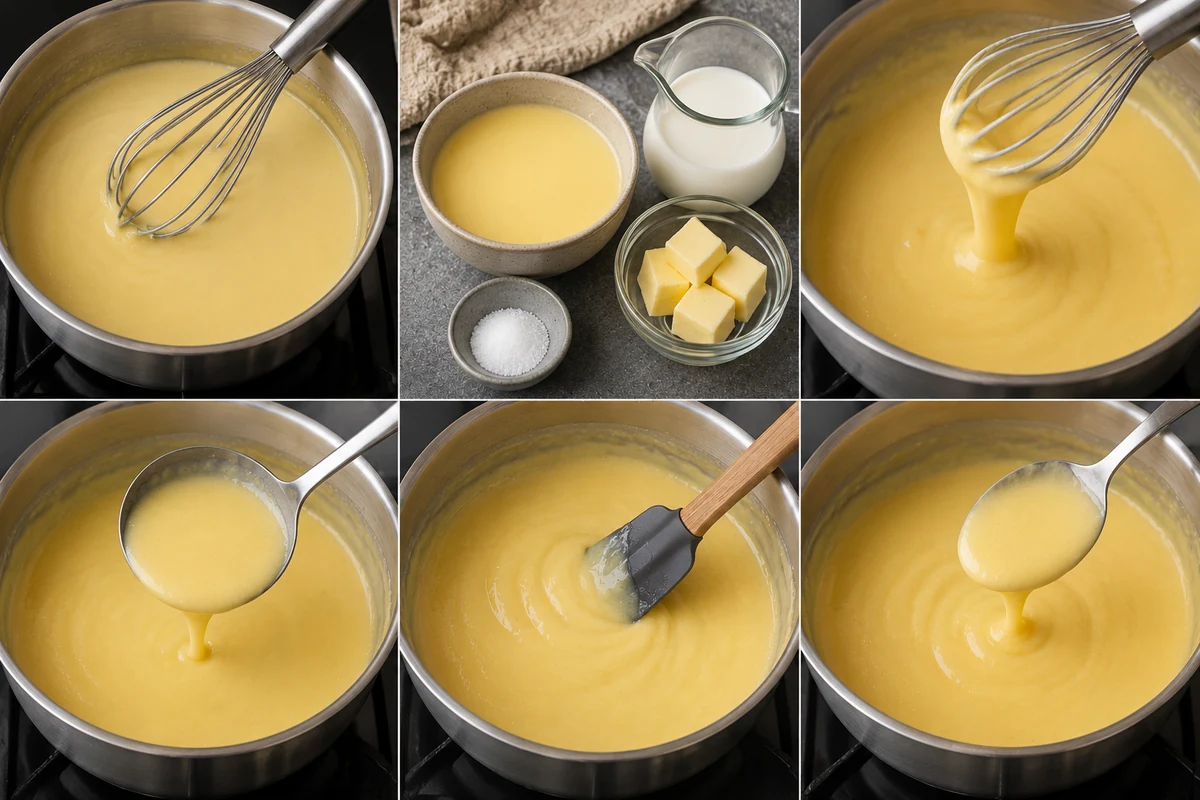
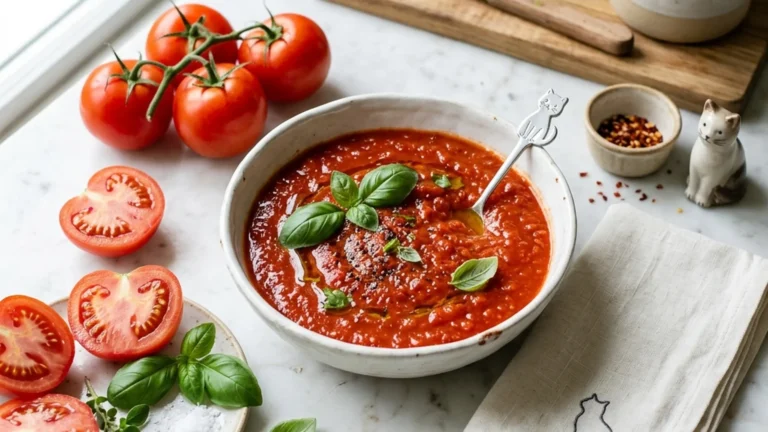
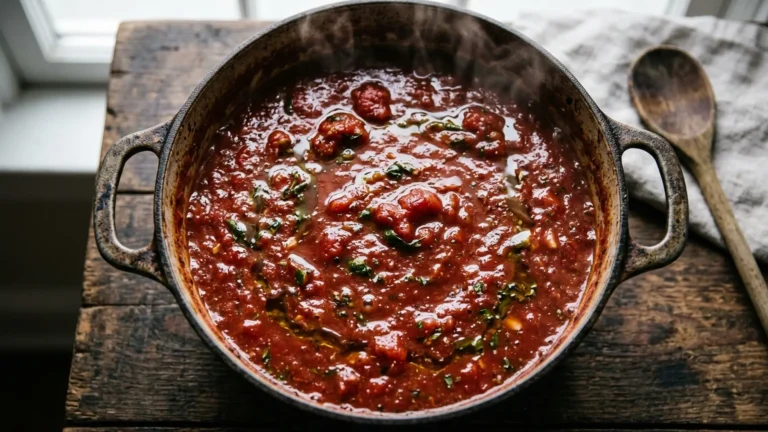
Prevention is easier than rescue, and a few habits keep your sauces stable. Control the heat above all, keeping emulsified and dairy sauces over low or medium-low heat and never letting them boil hard. Add fat gradually, whether it is oil into a vinaigrette, butter into a pan sauce, or cream into a hot sauce, so the emulsion has time to absorb it. Use an emulsifier when you can, since a little mustard, egg yolk, honey, garlic, or tomato paste helps hold a sauce together. Keep your ratios sensible rather than overloading a sauce with fat. And whisk steadily, because constant motion is what keeps an emulsion suspended. The same gentle, gradual approach that builds a good marinara sauce or pan sauce in the first place is what keeps it from breaking. Reliable technique references like America’s Test Kitchen and Cook’s Illustrated are good places to read the science of emulsions in more depth.
Which Sauces Break Most Often?
Some sauces are simply more fragile than others, and knowing which ones helps you stay alert. The classic warm emulsions are the most break-prone: hollandaise and bearnaise rely on a delicate balance of egg yolk and butter held at just the right temperature, so a moment too hot or butter added too fast splits them. Beurre blanc, an emulsion of butter and reduced wine, is similarly touchy. Mayonnaise and aioli, cold emulsions of oil and egg yolk, break when the oil goes in too quickly. Cream and cheese sauces break or turn grainy under high heat. Vinaigrettes are the most forgiving, separating gently and re-combining with a quick whisk. The pattern is that the richer and more fat-heavy the emulsion, and the more it depends on precise temperature, the more easily it breaks, which is why these sauces reward a gentle, patient hand and punish a rushed or overheated one.
Can You Save Mayonnaise or Aioli?
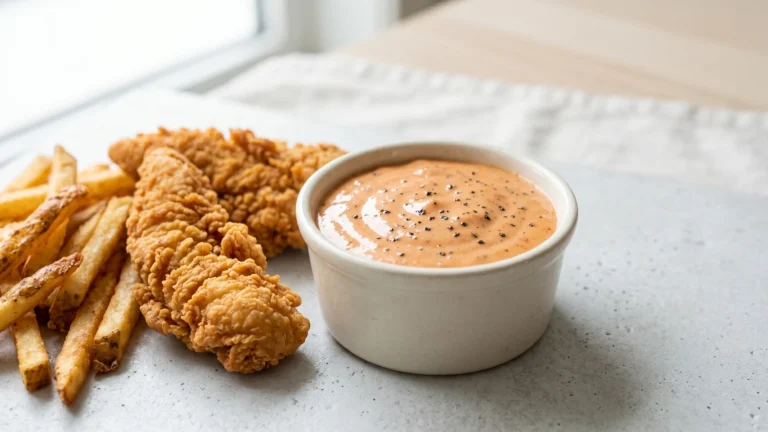
A broken mayonnaise or aioli is one of the most satisfying saves because the fix is so reliable. These cold emulsions usually break when the oil was added too fast for the yolk to absorb. To rescue them, put a fresh egg yolk, or a teaspoon of the existing broken mayo plus a little water or mustard, in a clean bowl, then whisk the broken mixture into it a few drops at a time, exactly as you would build the sauce from scratch. As the new emulsion takes hold you can add the broken sauce faster, and within a couple of minutes you have smooth mayonnaise again with nothing wasted. A teaspoon of mustard is especially helpful here, since mustard is a strong natural emulsifier that stabilizes the rebuilt sauce. The same drop-by-drop principle that makes mayonnaise in the first place is what brings a broken batch back.
When a Sauce Cannot Be Saved
Almost every broken sauce is fixable, but a few situations are genuinely beyond rescue, and it helps to recognize them so you do not waste time. If an egg-based sauce has fully scrambled, with cooked bits of egg throughout from serious overheating, no amount of whisking will make it smooth again, since the proteins have set. A sauce that has scorched and tastes burnt cannot be un-burned, even if you re-emulsify the texture. And a sauce that has curdled from a strong acid reaction, rather than just separated, may not come back. In these cases the honest move is to start over, ideally straining off any salvageable liquid to reuse the flavor. The good news is that these are the exceptions; the everyday greasy, separated, or grainy break that happens from a little too much heat is almost always fixable with the methods above, so try to rescue first and only start over when the sauce is truly cooked or burnt.
Tools That Make Fixing Easier
A few simple tools turn a stressful save into a quick one. A good whisk is the essential one, since constant whisking is what rebuilds nearly every emulsion. An immersion blender is the secret weapon for broken sauces, powering through a separation that hand-whisking would struggle with, and it is ideal for the blender rescue method. A heatproof bowl set over a pan of warm water gives you the gentle, controllable heat that fragile emulsions need, keeping a sauce warm without the direct, fierce heat that breaks it. And an instant-read thermometer helps with temperature-sensitive sauces like hollandaise, letting you keep them in the safe zone rather than guessing. None of these are required, but together they make both preventing and fixing broken sauces far easier, and the immersion blender in particular has saved many a dinner. A smooth spaghetti sauce rarely breaks, but the same whisking instincts keep every sauce you make on the right side of smooth.
Frequently Asked Questions
Can you fix a broken sauce?
Yes, almost always. Take it off the heat, then whisk in a little warm liquid or a tablespoon of cold water to bring it back together. For a fully broken sauce, build a fresh emulsion by whisking the broken sauce slowly into an egg yolk, or blend it with a little hot water until smooth.
How do you fix a sauce that has separated?
Remove it from the heat to stop the separation, then whisk vigorously while adding a tablespoon of warm stock, cream, or water. If that does not work, whisk the broken sauce a little at a time into a fresh egg yolk in a clean bowl, or blend it with a splash of hot water to re-emulsify.
Why did my sauce break?
The most common reasons are too much heat, adding fat too quickly, an off ratio with too much fat, or temperature shock from adding cold ingredients or reheating. High heat and speed are the biggest culprits, which is why gentle heat and gradual additions prevent most breaks.
Can you fix a broken sauce with an egg yolk?
Yes, this is one of the most reliable methods, especially for hollandaise and other egg emulsions. Whisk a fresh egg yolk with a little warm water in a clean bowl, then whisk the broken sauce into it a teaspoon at a time so the yolk forms a new, stable emulsion.
How do you fix a broken cheese sauce?
A cheese sauce usually breaks or turns grainy from overheating. Pull it off the heat, then whisk in a splash of cold cream or a little warm liquid to bring it back together. Adding the cheese off the heat in future, and keeping the sauce below a boil, prevents it.
Does cold water really fix a broken sauce?
Often, yes, for sauces that broke from overheating. Whisking in a tablespoon of cold water or a small ice cube lowers the temperature and helps the fat re-emulsify. It is a simple first thing to try before moving on to the egg yolk or blender methods.
Bottom Line
A broken sauce looks like a disaster but is one of the easiest kitchen problems to fix. The moment a sauce starts to separate, pull it off the heat and whisk in a little warm liquid or cold water. If it has fully broken, build a new emulsion by whisking it slowly into a fresh egg yolk, or blend it with a splash of hot water until smooth. Control the heat, add fat gradually, and use an emulsifier to keep it from breaking in the first place, and you will turn separated, curdled sauces back into silky ones with confidence. The next time a sauce splits on you, resist the urge to panic or start over, because in the time it takes to grab a whisk and a spoonful of warm liquid, the sauce you thought you ruined is usually back to smooth, and what felt like a kitchen disaster becomes just another quick save. Mastering this one skill changes how you cook, because the fear of a sauce breaking is what stops many people from attempting hollandaise, beurre blanc, and other rich emulsions in the first place, and once you know they can be rescued, the whole world of silky, restaurant-style sauces opens up at home.