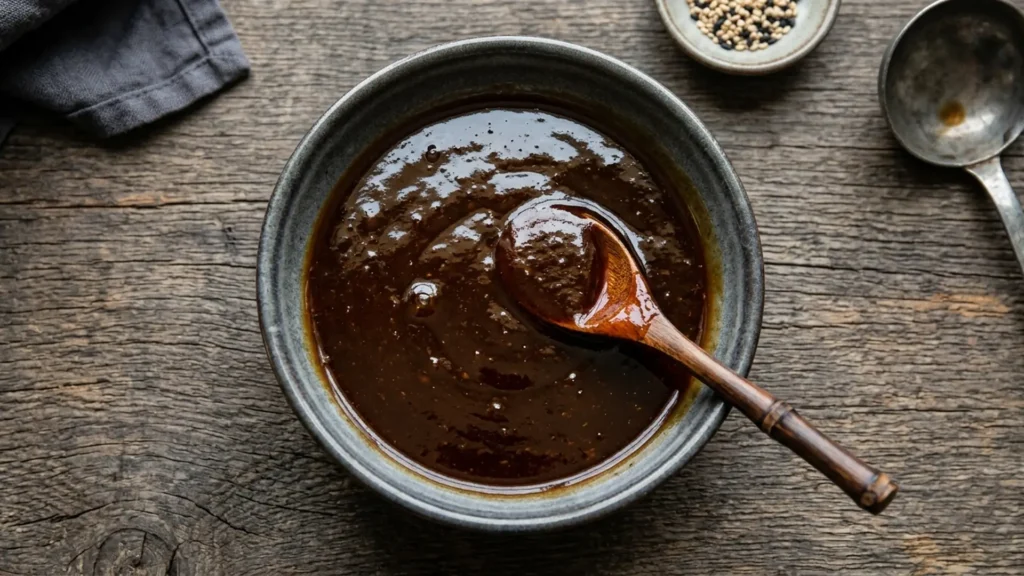
How to make teriyaki sauce depends on which version you want, and the two are genuinely different. The authentic Japanese sauce is a thin, glossy glaze built from just soy sauce, mirin, sake, and sugar in a simple ratio, reduced in the pan until it shines. The American-style sauce most people picture is thicker, sweeter, and stabilized with a cornstarch slurry, with garlic and ginger added for extra punch. Both take about ten minutes and use ingredients you can keep on hand, and once you know the base ratio for each you can adjust the sweetness, salt, and thickness to taste without a recipe.
This guide covers both versions with exact ratios, explains the role of every ingredient including the often-misunderstood mirin and sake, shows the cornstarch technique for a thick glaze and the reduction technique for the traditional one, and walks through how to use the sauce as a marinade, glaze, or stir-fry sauce. There is a comparison table and a full FAQ at the end.
What Teriyaki Actually Means
Teriyaki is not really a sauce in the traditional Japanese sense; it is a cooking method. The word combines teri, meaning shine or luster, and yaki, meaning grilled or broiled. Traditionally, the sauce is brushed onto fish or meat as it cooks, building up a glossy lacquer through repeated glazing. The thick bottled sauce sold as teriyaki in the United States is an American adaptation, useful and tasty in its own right but distinct from the authentic glaze. Knowing this distinction helps you understand why the two recipes look so different: one is meant to be reduced and brushed on, the other to be a ready-to-pour thick sauce.
The Authentic Japanese Version
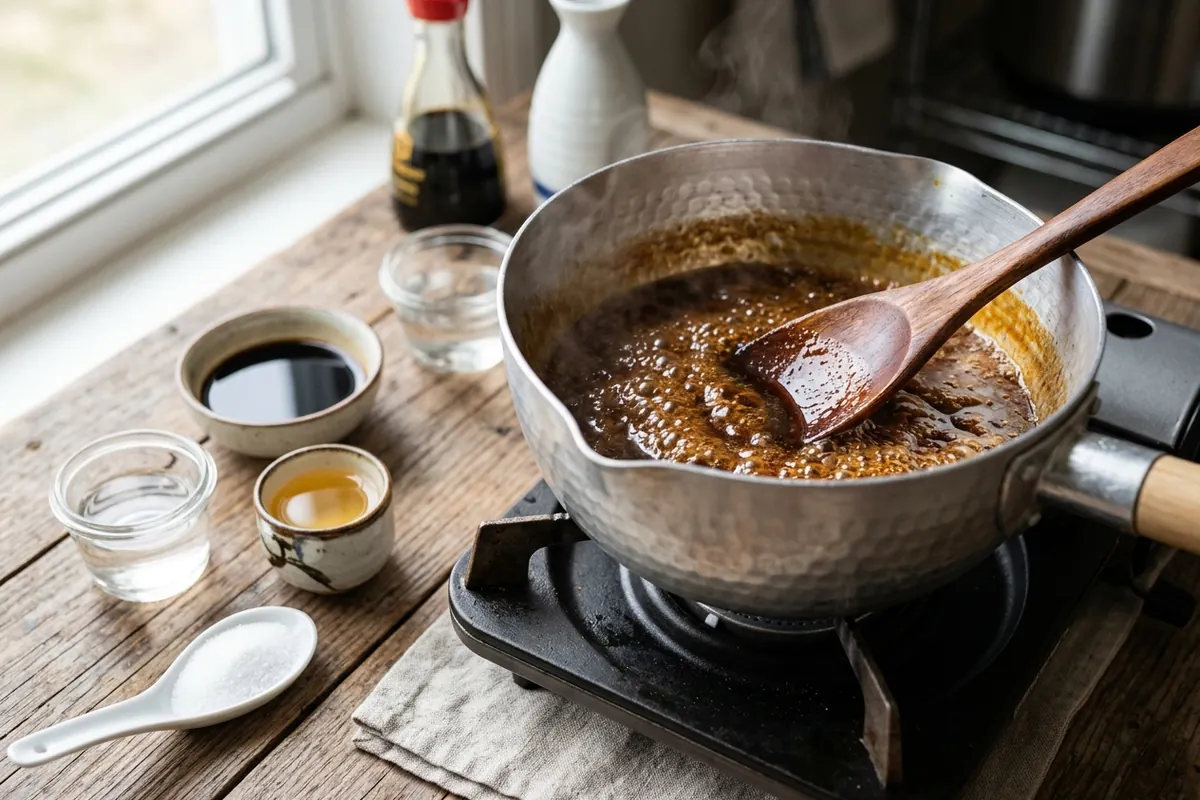
The traditional sauce uses a clean, classic ratio often described as the golden ratio in Japanese home cooking: equal parts soy sauce, sake, and mirin, plus a smaller amount of sugar, roughly two parts each of the liquids to one part sugar. There is no cornstarch and no garlic or ginger in the strict traditional version. You combine the four ingredients in a pan and simmer them over medium heat, letting the mixture reduce by about a third until it thickens slightly into a thin, glossy glaze that coats the back of a spoon. The sugar and the natural sugars in the mirin give it shine and just enough body to cling.
This version is thin compared to the bottled product, and that is correct. It is designed to be brushed onto grilling salmon, chicken, or beef in layers, with each coat caramelizing into the next. The flavor is balanced and savory-sweet, with the sake and mirin adding a subtle depth and a slight rice-wine fragrance you do not get from the simplified American version. If you want the real thing, this is it, and it could not be much simpler.
The Ingredients and What Each Does
Soy sauce is the salty, savory foundation, and the type you use matters. A standard Japanese soy sauce gives the classic flavor. If you need the sauce to be gluten-free, tamari is the natural swap, since it is traditionally brewed with little or no wheat, though it tastes slightly richer and less sharp. The differences are worth understanding before you substitute, and our guide on tamari versus soy sauce lays out exactly how they differ in flavor, salt, and gluten content so you can pick the right one for your teriyaki.
Mirin is a sweet Japanese rice wine, and it is the ingredient that gives authentic teriyaki its characteristic shine and gentle sweetness. Sake adds depth, a little acidity, and helps balance the sauce; the alcohol cooks off during simmering. Sugar, usually white or brown, rounds out and intensifies the sweetness. In the American version, brown sugar is common for its molasses note, and honey adds floral sweetness and extra gloss. Garlic and ginger, fresh or in powder form, are the additions that give the American sauce its bigger, bolder flavor. Toasted sesame oil, added at the end, contributes a nutty aroma.
The American-Style Thick Version
The thicker sauce most people want for stir-fries and bowls is built differently. A typical formula uses about half a cup of soy sauce or tamari, water to thin it, a half cup or so of brown sugar, a little honey, and ground or fresh ginger and garlic, all brought to a simmer. The defining step is the cornstarch slurry: mix a tablespoon or so of cornstarch with an equal amount of cold water until smooth, then whisk it into the simmering sauce. It thickens within a minute or two into a glossy, pourable glaze that clings to whatever you toss it with.
Two rules make the cornstarch work every time. Always mix the cornstarch with cold liquid first, because adding it dry to hot sauce makes lumps. And let the sauce simmer for a full minute after adding the slurry, because raw starch tastes chalky and needs heat to thicken fully and lose that taste. The sauce continues to thicken as it cools, so stop while it is slightly looser than your target. If you want to go deeper on slurry ratios and the full range of thickening options, our guide on how to thicken sauce covers cornstarch, arrowroot, reduction, and when to use each.
Cornstarch vs Reduction: Which to Use
You have two ways to thicken teriyaki, and they suit different goals. Cornstarch is fast, reliable, and gives a thick, clingy, glossy sauce in under two minutes, which is why it is the standard for the American bottled-style sauce and for stir-fries where you want the sauce to coat heavily. The downside is a slightly more gelled texture and the need to handle the slurry correctly to avoid lumps or a starchy taste.
Reduction, simmering the sauce down until it thickens on its own, is the traditional method and gives a cleaner, glossier glaze with a more concentrated flavor, since you are removing water rather than adding starch. It takes longer and yields less sauce, but the flavor is deeper and the shine is natural. For an authentic glaze brushed onto grilled salmon or chicken, reduction is the right call. For a quick weeknight stir-fry sauce, cornstarch wins on speed and cling. Some cooks combine both, reducing slightly for flavor and using a small amount of cornstarch for body.
Using Teriyaki: Marinade, Glaze, or Stir-Fry Sauce
The same sauce plays three roles. As a marinade, use the thinner version and let proteins like chicken thighs, salmon, or beef soak for thirty minutes to a few hours; the salt and sugar penetrate and season the meat. Do not marinate too long with very salty sauce, since it can make the surface mushy or overly salty. As a glaze, brush the sauce on during the last few minutes of grilling, broiling, or pan-searing so the sugars caramelize without burning, building that signature glossy lacquer in layers. As a stir-fry sauce, use the thicker cornstarch version and toss it with cooked protein and vegetables at the end so it coats everything in a shiny glaze.
Teriyaki chicken is the most popular use, and it works beautifully whether you grill, pan-fry, bake, or cook it in an air fryer. If you cook a lot of chicken and want recipe inspiration across methods, the air fryer chicken collection is a useful starting point for fast weeknight versions you can finish with a teriyaki glaze. Beyond chicken, the sauce is excellent on salmon, shrimp, beef, tofu, meatballs, and roasted vegetables, and it makes a quick rice bowl come together in minutes.
Equipment and a Few Practical Tips
Teriyaki needs almost nothing in the way of equipment, which is part of its appeal. A small saucepan, a whisk, and a measuring cup cover it. For the cornstarch version, the whisk matters, because it breaks up any starch as you pour the slurry in and keeps the sauce smooth. A small jar or squeeze bottle is handy for storing and applying the finished sauce, especially if you are using it as a glaze and want to brush or drizzle it cleanly.
A few practical habits make the process smoother. Measure and combine your liquids before turning on the heat, since the sauce cooks fast once it simmers. Keep the heat at medium rather than high, because a hard boil can scorch the sugar and turn the sauce bitter. If you are making a double batch, give it a little extra time to reduce, since more liquid takes longer to concentrate. And taste the sauce after it cools slightly rather than piping hot, because heat masks sweetness and salt, and a sauce that seems perfectly balanced when scalding can taste different at serving temperature. These small adjustments are the difference between a sauce that is merely fine and one you reach for again and again.
Balancing Sweet, Salty, and Savory
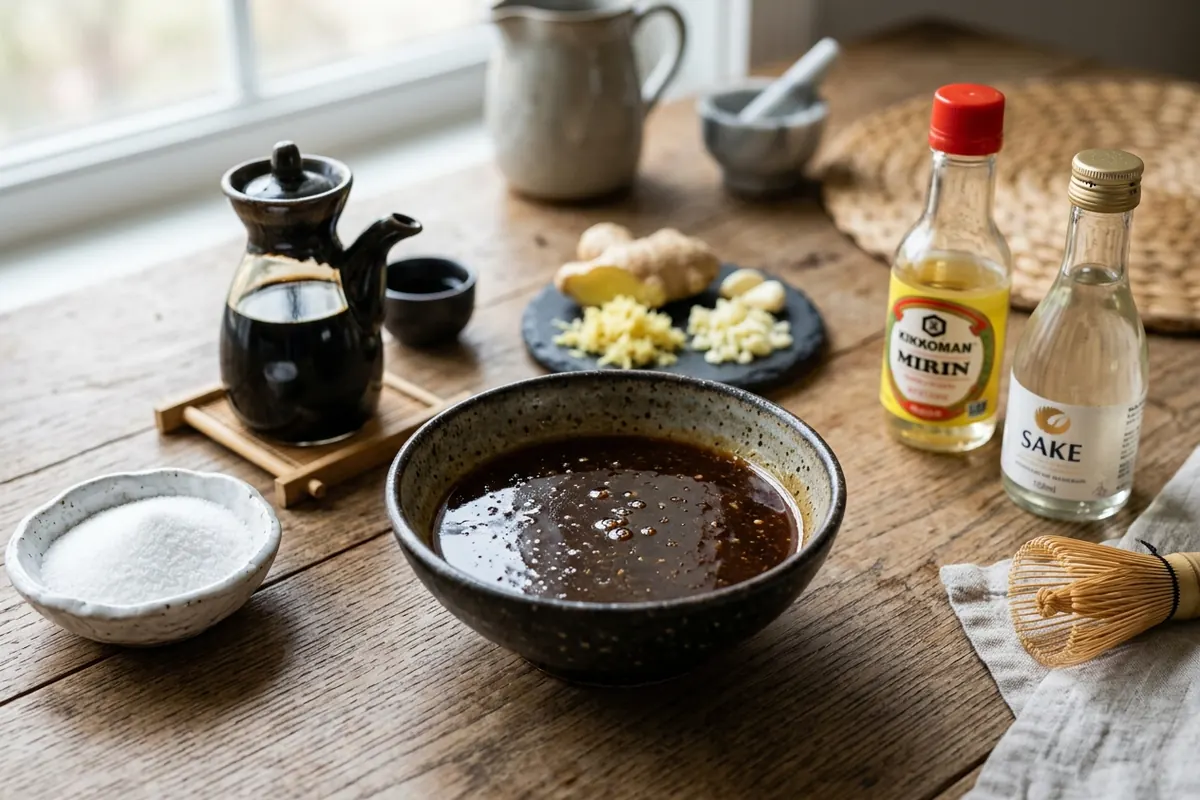
A good teriyaki is a balance of salty soy, sweet sugar and mirin, and the savory depth of the cooked-down sauce, and learning to taste for that balance lets you adjust any batch. If the sauce is too salty, which can happen depending on your soy sauce, add a little more sugar, honey, or water to bring it back. If it is too sweet, a splash more soy sauce or a few drops of rice vinegar cuts through it. If it tastes flat, it usually needs more soy for savor or a touch more reduction to concentrate everything.
The soy sauce you choose changes the starting point, because brands vary a lot in saltiness. A low-sodium soy sauce gives you more room to season without the sauce turning harsh, while a regular dark soy is saltier and more intense. Taste as you build, especially after reducing, since reduction concentrates the salt along with everything else. A small splash of rice vinegar or a squeeze of citrus at the end brightens a sauce that tastes too heavy or one-note, and a few drops of toasted sesame oil add a nutty aroma that rounds out the finish.
Flavor Variations Worth Trying
Once you have the base down, teriyaki takes well to small additions. Fresh grated ginger and garlic, rather than the powdered versions, give a brighter, sharper flavor and are worth the extra minute of grating. A spoonful of pineapple juice adds a tropical sweetness and a little natural enzyme that helps tenderize meat in a marinade. A teaspoon of sriracha or a pinch of red pepper flakes turns it into a spicy teriyaki. Toasted sesame seeds stirred in at the end add texture and a nutty note.
For more depth, a small amount of grated onion, a splash of orange juice, or a little hoisin sauce each push the flavor in a different direction. If you want a richer, darker sauce, brown sugar or a touch of molasses deepens it, while honey keeps it lighter and floral. The point is that the four-ingredient base is a launch pad, and you can tune it toward bright and fresh or deep and sticky depending on what you are cooking. Just add new flavors gradually and taste, since a little ginger or chili goes a long way in a concentrated sauce.
Common Mistakes and How to Avoid Them
The most common teriyaki mistake is a starchy, gloppy texture from cornstarch, which happens when you add too much slurry or do not cook it long enough. Use a modest amount of cornstarch, mix it with cold water first, and simmer for a full minute after adding it so the starch cooks out and the sauce turns glossy rather than cloudy. Remember it thickens more as it cools, so stop while it is slightly thinner than you want.
The second mistake is burning the sauce when using it as a glaze. Teriyaki is high in sugar, so brushing it on too early over high heat scorches it into a bitter crust. Apply it in the last few minutes of cooking and build it in layers. The third is over-marinating in a very salty sauce, which can make the surface of fish or chicken mushy and overly salty; thirty minutes to a few hours is plenty for most proteins. Avoid these three and your teriyaki will come out glossy, balanced, and properly caramelized every time.
Version Comparison
| Feature | Authentic Japanese | American-Style |
|---|---|---|
| Base ratio | 2 soy : 2 sake : 2 mirin : 1 sugar | Soy, water, sugar, honey |
| Thickener | Reduction only | Cornstarch slurry |
| Texture | Thin, glossy glaze | Thick, clingy |
| Garlic and ginger | Not traditional | Standard |
| Best for | Brushing on grilled fish or meat | Stir-fries and bowls |
Storage and Make-Ahead
Homemade teriyaki keeps well, which makes it worth batching. A simple uncooked or lightly cooked version stored in an airtight container in the refrigerator lasts up to two weeks, and a cooked, thickened sauce keeps about one to two weeks as well. The cornstarch-thickened version may thin slightly or set up a little firmer in the cold; a gentle reheat with a splash of water brings it back. For longer storage, the sauce freezes for three to six months, though cornstarch-thickened sauces can change texture a little when thawed, so you may prefer to freeze the unthickened base and add the slurry when you reheat. Always cool the sauce before refrigerating or freezing. For more on Japanese pantry ingredients and technique, Bon Appetit at bonappetit.com and America’s Test Kitchen at americastestkitchen.com both have good background.
Frequently Asked Questions
What are the basic ingredients in teriyaki sauce?
Authentic teriyaki uses just soy sauce, mirin, sake, and sugar. The American-style sauce adds water, brown sugar or honey, garlic, ginger, and a cornstarch slurry for thickness. The soy sauce provides salt and savor, mirin gives shine and sweetness, and sake adds depth.
How do I make teriyaki sauce thicker?
For a quick thick sauce, whisk in a cornstarch slurry, one tablespoon of cornstarch mixed with cold water, and simmer a minute until glossy. For a traditional glaze, simmer the sauce down to reduce it, which thickens it naturally and concentrates the flavor without any starch.
Can I make teriyaki sauce without mirin?
Yes. Mirin adds sweetness and shine, so if you do not have it, substitute a little extra sugar plus a splash of rice vinegar, or use a dry sherry with added sugar. The flavor will be slightly different but still good. The American-style version does not require mirin at all.
Is teriyaki sauce gluten-free?
Standard soy sauce contains wheat, so regular teriyaki is not gluten-free. To make it gluten-free, use tamari in place of soy sauce, since tamari is traditionally brewed with little or no wheat, and check that your mirin and other ingredients are gluten-free as well.
What is the difference between teriyaki marinade and sauce?
They are often the same base used differently. A thinner version works as a marinade that the protein soaks in to absorb flavor before cooking. A thicker, cornstarch-set version works as a glaze or stir-fry sauce that coats food at the end. You can adjust one recipe to do both jobs.
How long does homemade teriyaki sauce last?
Stored airtight in the refrigerator, a simple version lasts up to two weeks and a cooked, thickened one about one to two weeks. It also freezes for three to six months, though cornstarch-thickened sauces can change texture when thawed, so consider freezing the base and thickening it on reheating.
Bottom Line
How to make teriyaki sauce really comes down to choosing your version and learning one ratio. For the authentic Japanese glaze, simmer equal parts soy sauce, sake, and mirin with a little sugar and reduce it to a shine. For the thick American sauce, build it with soy, sugar, honey, garlic, and ginger and set it with a cornstarch slurry. Both take ten minutes, store for weeks, and let you skip the bottled stuff entirely. Once you know the base, you can dial the salt, sweetness, and thickness to exactly what your dish needs.