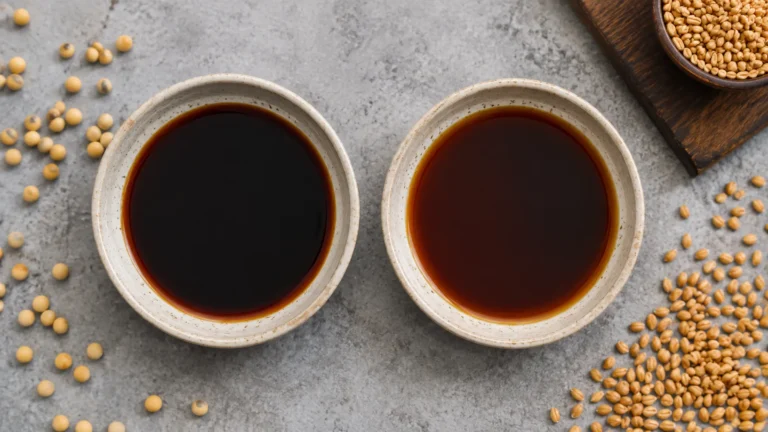
Does soy sauce go bad? Technically yes, but it takes a long time, and most bottles lose flavor long before they ever become unsafe. The salt content is so high that microbes struggle to grow, so an unopened bottle can sit in the pantry for years past its date and still be fine. Once opened, quality fades faster: about a month at peak on the counter, and up to a year if you keep it cold. Below are the real numbers, the storage habits that keep it tasting good, and the warning signs worth watching for.
So does it really spoil, or just fade?
Here is the honest answer: this condiment almost never rots the way milk or fresh meat does. What actually happens is a slow decline in aroma, color, and umami depth. The bottle you bought two years ago is probably still safe to splash into a stir-fry, but it may taste flatter and less lively than the day you opened it. That distinction between safety and quality is the key to understanding everything else in this guide.
Both the FDA and the USDA make the same point about most shelf-stable groceries. A printed date is a manufacturer’s estimate of peak quality, not a hard safety deadline. So when you ask whether a fermented, salty liquid seasoning has expired, you are usually really asking whether it still tastes good, not whether it will make you sick. Genuine spoilage is possible but rare, and the section below shows exactly what it looks like.
Unopened bottles: how long they really last
An unopened bottle is remarkably durable. Stored in a cool, dark cupboard away from the stove, it holds best quality for roughly 24 to 36 months, and it is frequently fine well beyond that window. StillTasty and most brand guidance land in that same 2 to 3 year range for a sealed bottle, with the caveat that peak flavor lives inside the first year of the production date.
Why so long? Nothing has been introduced to the bottle yet. No air rushes in every time you cook, no stray drips of food travel back down the neck, and no repeated temperature swings from fridge to counter and back. The seal keeps oxygen out, and oxygen is the main thing that dulls the flavor. As long as the cap is intact and the bottle has not been baked in a hot car or sunny window, a sealed bottle bought last year is still a good bottle this year.
A backup bottle in the back of the pantry is rarely a worry. If the printed date has passed by six months or even a year, open it, give it a sniff, and taste a drop. Nine times out of ten it performs like new. The tenth time it simply tastes a little muted, which is a quality issue, not a safety emergency.
Opened bottles: the clock speeds up
The moment you break the seal, the timeline shortens, because air and light now reach the liquid every time you reach for it. Left on the counter at room temperature, an opened bottle stays at genuinely high quality for about 1 month. It will not be dangerous after that, but the bright, savory edge starts to soften and the color deepens.
Refrigeration changes the math in your favor. Per StillTasty, an opened bottle kept cold and tightly capped holds best quality for up to about 1 year, and some sources stretch that toward 2 years when storage is careful. A bottle left open in a warm pantry is still usable for maybe 6 months, but by then the flavor is noticeably duller. If you cook Asian food often and finish a bottle in a few weeks, the counter is fine. If a bottle lingers for months, the fridge is the smarter home.
One habit that helps a lot: wipe the neck and cap now and then, and always close the bottle firmly. A crusty, half-open cap invites both oxidation and the occasional bit of airborne mold. Small effort, real payoff.
Soy sauce storage table
Here is a quick reference. These figures describe how long the seasoning stays at its best quality, not the point at which it becomes unsafe. A bottle past these numbers with no bad smell or mold is usually still fine to use.
| Storage situation | Best quality (months) | Notes |
|---|---|---|
| Unopened, pantry | 24 to 36 months | Often fine much longer; peak flavor in year 1 |
| Opened, pantry (room temp) | 1 to 6 months | Best flavor around 1 month; usable but duller after |
| Opened, refrigerated | Up to 12 months | Some sources say up to 24 months if kept cold and sealed |
Notice how much longer the fridge column runs than the open-pantry column. That gap is oxidation at work. Cold slows the chemistry that erodes aroma, so the same bottle simply ages more gracefully in the refrigerator door than on a warm shelf next to the range.
Why salt keeps this bottle alive so long
The staying power comes down to sodium. Regular soy sauce carries roughly 900 to 1000 mg of sodium per tablespoon, which is about 15 ml. That is a huge amount of salt packed into a small splash, and salt is one of the oldest food preservatives we have. It works by pulling water out of any microbial cells through osmosis, which dehydrates and kills bacteria, yeast, and mold before they can take hold.
Salt also lowers what food scientists call water activity, meaning there is very little free water available for microbes to use. On top of that, it slows the enzyme reactions that drive spoilage. Between the low water activity and the brine-like conditions, the inside of that bottle is a genuinely hostile place for anything trying to grow. This is the same principle behind cured hams, pickles, and salt cod.
If you use a low-sodium version, the numbers shift. Reduced-salt bottles run closer to 500 to 600 mg of sodium per tablespoon, roughly 20% to 40% less than the standard type. Less salt means slightly less preservative muscle, so low-sodium bottles benefit even more from refrigeration once opened. Worth knowing: a tablespoon carries only about 8 to 10 calories, so the shelf stability is all about the salt, not sugar or fat.
Fridge or pantry: where should it live?
This is the most common question, so here is the direct answer. Refrigeration is not mandatory for safety. Thanks to that salt load, a capped bottle will not turn dangerous sitting in a cupboard. What the fridge buys you is flavor preservation over the long haul, because cold temperatures slow the oxidation that flattens taste and darkens color.
Manufacturers such as Kikkoman actually recommend refrigerating after opening, and their advice is about quality rather than food poisoning. My own rule is simple. If you will finish a bottle within a month or so, leaving it by the stove is fine for convenience. If it is a big bottle or a specialty variety used rarely, it belongs in the fridge door, where it will still taste sharp many months later.
Restaurants often leave bottles out on the table all day, and that is fine for their turnover, since they empty a bottle fast. At home, where a bottle can survive a year of occasional dumpling nights, the fridge is the better default for anything you want to keep vivid.
How light, heat, and oxygen wreck the flavor
Three forces quietly degrade an opened bottle: oxygen, heat, and light. Each attacks the delicate aroma compounds that give the seasoning its savory personality. Understanding them makes good storage feel obvious instead of fussy.
Oxygen is the big one. Every time you open the cap, fresh air contacts the surface and oxidizes those flavor molecules a little more. That is why a nearly empty bottle, with lots of air above the liquid, tends to fade faster than a full one. Heat and humidity speed the same reactions, which is exactly why the spot beside a hot stove is the worst place to store it, even though it feels convenient.
Light, especially ultraviolet light from a sunny window, breaks down color and flavor compounds too. This is one reason many bottles are made of dark or tinted glass. It also explains a quirk worth knowing: light soy sauce tends to degrade faster than dark soy sauce, so a thin, pale variety deserves a little more care and a cooler, darker home than a thick, robust one.
Signs it has actually gone bad
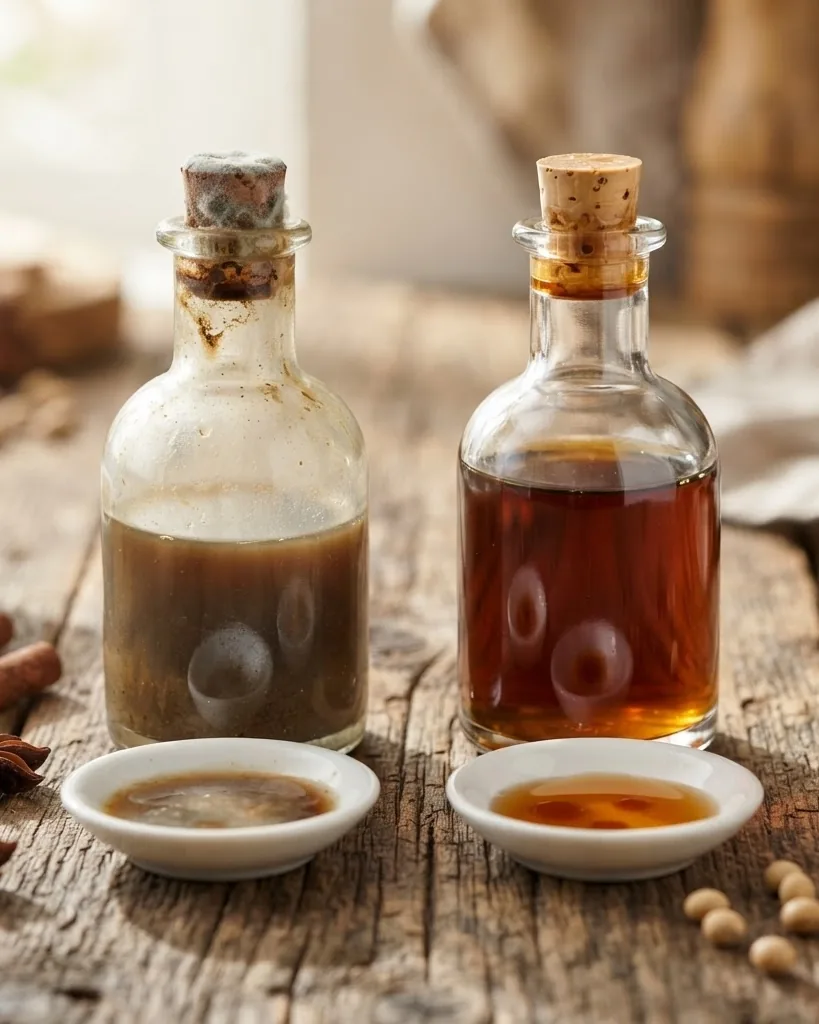
True spoilage is uncommon, but it does happen, usually when a bottle has been contaminated or stored badly for a very long time. Here is a checklist to run through before deciding whether a questionable bottle stays or goes. If it fails on smell or shows mold, toss it without hesitation.
- Off smell: a sour, vinegary, musty, or putrid odor is the clearest red flag. A good bottle smells savory and clean, not sharp or funky.
- Visible mold: any fuzzy growth on the cap, the neck, or the surface of the liquid means discard the entire bottle, no exceptions.
- Cloudiness or oily film: a sudden haze or a slick film on top can signal yeast or bacterial activity that does not belong there.
- Flat or strange taste: if the umami is gone and it tastes oddly sour or completely bland, quality has collapsed even if it is technically safe.
- Harmless exception: a little dark sediment at the very bottom is usually just natural protein precipitate, not spoilage. That alone is not a reason to throw it out.
When in doubt, trust your nose first and your tongue second. Aroma is the most reliable early warning you have. If a bottle smells fine and tastes savory, the deepened color that comes with age is nothing to fear. If it smells wrong, no amount of good color makes it worth keeping.
How to store an opened bottle the right way
Good storage is not complicated, but a few small habits make a real difference over the months a bottle survives in your kitchen. The goal is always the same: limit air, block light, and keep the temperature steady. Do those three things and an opened bottle will taste nearly as sharp on month ten as it did on day one.
First, always recap tightly and press the cap all the way down after every use. A loose lid lets air work on the surface between meals, and it is the single most common reason a bottle fades early. Second, keep the bottle upright so liquid does not pool in the cap and crust around the threads, which is where stray mold likes to start. Third, choose a spot away from the stove, the oven, and any sunny window, because heat and ultraviolet light both accelerate the flavor decline.
If you buy in bulk to save money, consider decanting some into a smaller bottle for daily use and leaving the large container sealed in the fridge. Every time you open the big one, air rushes in, so keeping most of the volume undisturbed protects it. This works well with half-gallon jugs, and the last cup pours almost as fresh as the first.
One more tip from years of cooking: label the cap with the month you opened it using a small piece of tape. It sounds fussy, but it removes all the guesswork later. When a bottle has been open for eight months and still smells great, you can use it with confidence instead of tossing it out of vague worry.
Does the type change the answer?
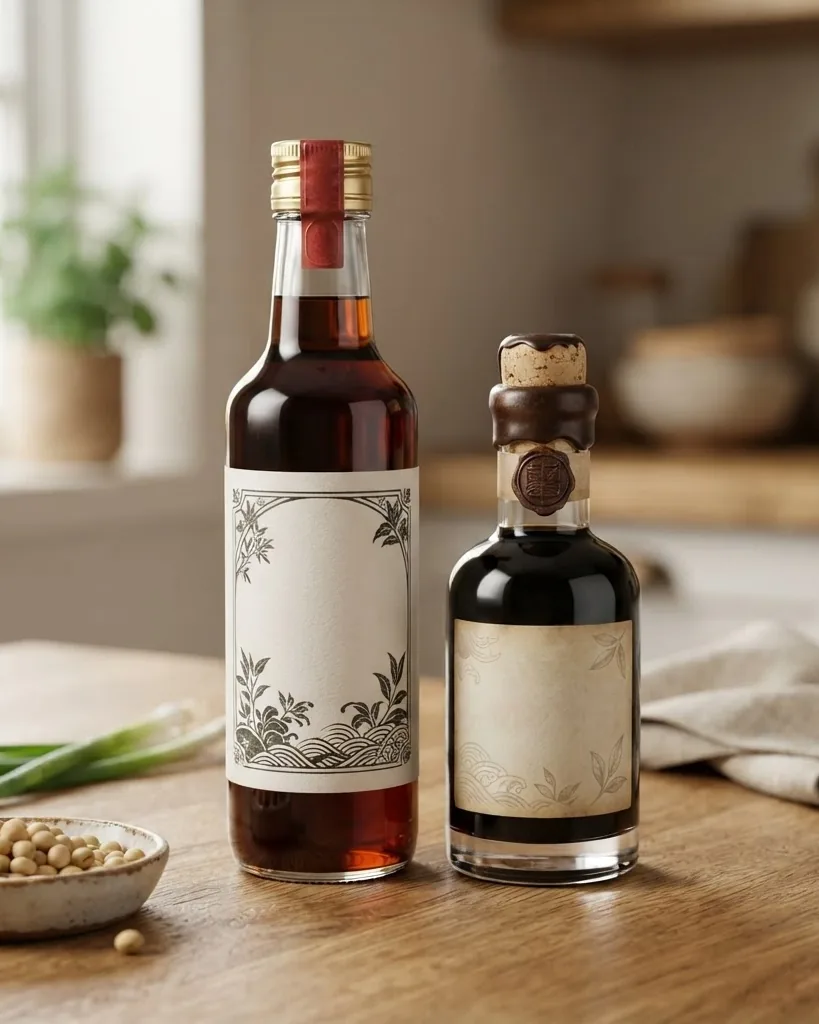
Not every bottle ages at the same speed, and knowing your variety helps you store it well. Light or thin styles, which are paler and more delicate, oxidize faster than dark, thick, robust styles. That is why a bottle of pale seasoning deserves the fridge sooner, while a heavy, molasses-dark one is a little more forgiving on the counter.
Reduced-salt bottles are the other big variable. Because they carry less sodium, closer to 500 to 600 mg per tablespoon instead of the usual 900 to 1000 mg, they lean on less preservative power. That does not make them dangerous, but it does mean the fridge matters more once the seal is broken. Sweetened or flavored versions, such as those blended with sugar or mushroom extract, can also shift the timeline slightly, since added ingredients change the chemistry inside the bottle.
Artisanal and traditionally brewed bottles, which skip preservatives and heavy processing, often taste incredible but may fade a touch faster than mass-market brands built for long shelf stability. If you splurge on a small-batch bottle, treat it like the special ingredient it is: cold storage, tight cap, and use within a year for the best experience.
What to do with a bottle past its prime
Say you find a half-used bottle at the back of the cupboard that has been open for a year and a half. It smells clean, shows no mold, but tastes a little flat. Do not pour it down the drain automatically. A faded bottle is still perfectly useful in cooked applications where big heat and other ingredients cover the loss of brightness.
Older, duller product works best in braises, marinades, and long-simmered sauces where it blends into the background and no one notices a slightly muted edge. Save your freshest, most aromatic bottle for finishing touches, dipping bowls, and dishes where the seasoning is the star and you actually taste it raw. That two-bottle system, one fresh for finishing and one aging for cooking, gets full value out of every purchase.
If a bottle genuinely fails the smell test or shows any fuzzy growth, that is a different story. At that point it is spoiled, not merely tired, and it belongs in the trash. There is no salvaging or cooking away real spoilage, so trust the checklist above and let the bad bottle go without second-guessing.
Tamari, fish sauce, and the rest of the shelf
Soy sauce is not alone on the condiment shelf, and its salty cousins age in similar ways. Tamari, the wheat-free relative often used as a gluten-free swap, ferments a year or longer and tastes less salty and more umami-forward. Unopened, it lasts several years; opened, it holds peak flavor for about 1 year in a cool, dark spot. Because some formulas carry a touch less salt, tamari appreciates the fridge once opened.
Fish sauce follows the same salt-driven logic. It is loaded with sodium and stays shelf-stable for roughly 2 to 3 years unopened, and about 1 year once opened. Like soy sauce, it fades in aroma before it ever becomes unsafe. If you enjoy building deep, savory flavor from fermented bottles, you might also like this take on gochujang, another fermented pantry staple that rewards proper storage.
And if you ever run out mid-recipe, salty umami boosters are often interchangeable in a pinch. A short list of swaps is handy, including the guide to a Worcestershire sauce replacement, since these briny condiments overlap more than most cooks realize. The storage rules are broadly the same across the whole salty-and-fermented family: cool, dark, capped, and out of direct sun.
Why fermentation gives it such a long life
Part of the durability traces back to how this seasoning is made in the first place. Traditional brewing ferments soybeans and wheat with salt and a cultured mold over many months, sometimes a year or more. That slow process builds deep umami, but it also creates a finished liquid that is already stable, acidic, and packed with salt, three things that discourage new microbial growth.
In other words, the bottle arrives at your kitchen pre-armored. Fermentation has already done the work of crowding out spoilage organisms with beneficial ones and a briny, low-water environment. By the time it is bottled, the liquid is a mature, balanced product rather than a fresh, perishable one. That is a big reason it behaves so differently from a fresh dairy or produce item that starts breaking down the moment it is picked or milked.
This history also explains the color and flavor changes you see with age. The same slow reactions that built flavor during fermentation keep inching along in the bottle, gradually deepening the color and softening the brightest notes. It is not decay in the dangerous sense; it is simply the natural, ongoing chemistry of a fermented food, which is why aged product tastes different without being unsafe.
A quick word on food safety and dates
Those printed dates deserve a closer look, because they cause more waste than almost anything else in the kitchen. According to the FDA, and echoed by the USDA, dates like “best if used by” describe quality, not safety. Except for infant formula, these dates are not required by federal law and are not a safety indicator. Food that shows no signs of spoilage is generally still wholesome past the label.
The USDA makes the same case in its food-product-dating guidance: judge a shelf-stable item by how it looks, smells, and tastes rather than by a calendar. This matters because date confusion drives enormous waste. Research cited by the FDA and USDA found that about 84% of shoppers throw food away at least sometimes purely because of a label date, tossing perfectly good bottles for no real reason.
For specific, item-by-item numbers, StillTasty is a useful source, compiling shelf-life estimates for thousands of foods, including opened and unopened seasoning bottles. Between the safety framing from the FDA and USDA and the practical timelines from StillTasty, you have everything you need to make a confident call instead of guessing or wasting a good bottle.
Frequently asked questions
Can old soy sauce actually make you sick?
It is very unlikely. The high salt content makes the bottle a hostile place for harmful microbes, so genuine, sickness-causing spoilage is rare. The real risk is contamination or visible mold from a badly stored, long-open bottle. If it smells clean and savory and shows no fuzzy growth, aged product is almost always safe, just possibly weaker in flavor. When you see mold or smell something sour and off, throw it out rather than risk it.
Does soy sauce go bad faster if I never refrigerate it?
It will not become unsafe faster, but it will lose flavor faster. An opened bottle on a warm counter holds top quality for roughly a month and stays usable for several months, while the same bottle in the fridge can taste sharp for up to a year. Refrigeration mainly slows oxidation, protecting aroma and color. So skipping the fridge is fine for a bottle you finish quickly, but not ideal for one that lingers for months on end.
Is it normal for soy sauce to have sediment at the bottom?
Yes, that is usually harmless. Small, dark specks or a fine sediment settling at the base of the bottle are typically natural protein precipitates that form as the liquid ages. They are not a sign of spoilage on their own. Give the bottle a gentle swirl and check the smell. If the aroma is still savory and clean and there is no mold on the surface or cap, the sediment is nothing to worry about and the bottle is good to use.