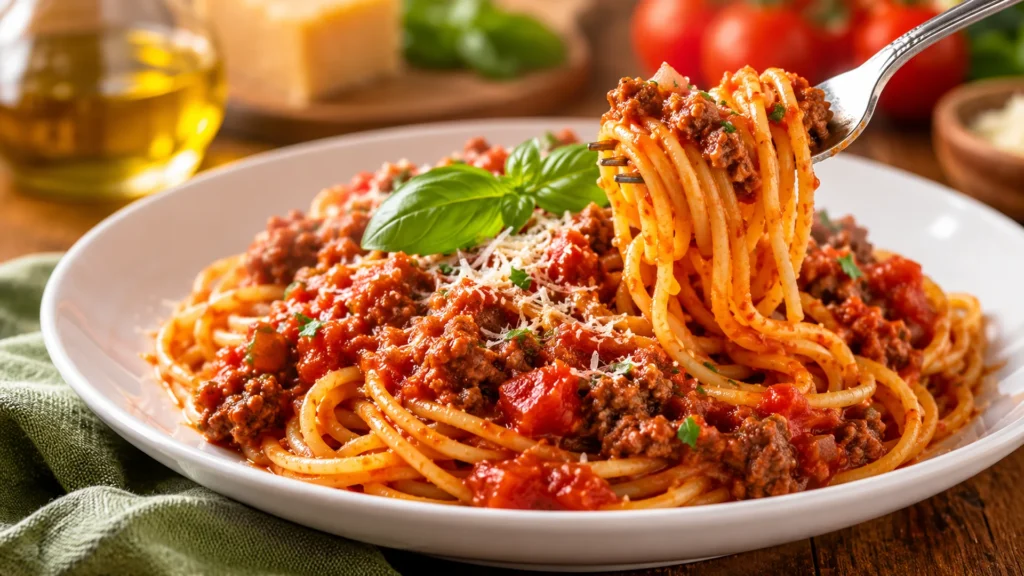
The calories in meat sauce spaghetti land somewhere between 400 and 700 for a typical dinner plate, and the spread is that wide because almost nothing about the dish is standardized. A plate of spaghetti with meat sauce is really three components stacked together: the pasta, the meat, and the tomato base. Each one contributes a predictable share, and once you see the breakdown you can estimate any plate in your head.
This guide gives you the numbers by ingredient, a couple of full-plate examples, the portion traps that blow past the estimate, and the swaps that cut calories while keeping the dish satisfying. The underlying figures come from public nutrition databases rather than the back of a jar, because jar labels assume a half-cup serving that almost nobody actually eats. Here is the real math.
The Quick Answer by the Numbers
A standard restaurant or homemade plate of spaghetti with meat sauce runs about 500 to 650 calories for roughly two cups of cooked pasta topped with a cup of beef-and-tomato sauce. A lighter home portion, one cup of pasta with three quarters of a cup of sauce, lands closer to 350 to 450. A heavy restaurant plate with extra noodles, oil, and cheese can clear 800 to 1,000. The single biggest variable is portion size, and the second is how fatty the ground meat is. Everything else is rounding.
If you want a fast rule of thumb, count roughly 200 calories per cup of cooked spaghetti, roughly 200 to 300 calories for a cup of meat sauce made with regular ground beef, and a small bump for any cheese or oil on top. Hold that frame in your head and you can ballpark any plate at a glance.
It also helps to know why this dish lands where it does compared to other dinners. Spaghetti with meat sauce is carbohydrate-heavy from the pasta, moderate in protein from the beef, and moderate in fat depending on the meat, which puts a sensible home portion right in the range of a balanced dinner. The reason it gets a reputation as heavy is almost entirely about restaurant portioning and the oil, butter, and cheese that get layered on in a commercial kitchen. The base dish itself, a cup of pasta with a cup of lean meat sauce, is a perfectly reasonable plate that sits comfortably under 450 calories. The number only balloons when the portions and the add-ons do, which means you are rarely at the mercy of the recipe. You are at the mercy of the serving spoon.
Calories in the Pasta
Plain cooked spaghetti carries about 200 calories per cup, almost all of it from carbohydrates. That number is for pasta cooked in water with no oil or butter added. The trap is that a restaurant portion is rarely one cup. A plated entree often holds two to three cups of cooked noodles, which means the pasta alone can contribute 400 to 600 calories before a single spoon of sauce touches it. This is why two people can eat the same dish and report wildly different totals: one measured a cup, the other got a mounded plate.
Whole wheat spaghetti lands at a similar calorie count to regular pasta, around 180 to 200 per cup, but it brings more fiber, which slows digestion and helps you feel full sooner. So the calorie savings are small, but the satiety payoff is real. Lentil or chickpea pasta runs a touch higher in calories but adds protein and fiber, which can make a smaller portion feel like enough.
One thing worth clearing up is the difference between dry and cooked pasta weight, because it trips people up constantly. Two ounces of dry spaghetti, the figure printed on most boxes, swells to roughly a cup and a quarter once cooked, since the noodles absorb water. So when a label says a serving is 200 calories for two ounces dry, that is the same 200 calories whether you weigh it dry or measure it cooked, because cooking adds water, not calories. The confusion comes from comparing a dry weight to a cooked volume. Pick one method, dry weight or cooked cups, and stick with it so your math stays honest.
Calories in the Meat
This is where the number swings most, because ground beef ranges from very lean to very fatty. A cup of meat sauce made with 80 percent lean ground beef carries roughly 250 to 300 calories, while the same cup made with 93 percent lean beef drops to around 180 to 220. The fat in the meat is the difference, and fat packs more than twice the calories per gram of protein or carbohydrate. So leaning out the beef is the single most effective lever you have.
| Meat choice (per cup of sauce) | Approx calories | Notes |
|---|---|---|
| 80% lean ground beef | 250-300 | Richest, most fat drained off helps |
| 93% lean ground beef | 180-220 | Leaner, still beefy |
| Ground turkey (93%) | 170-210 | Milder flavor, season well |
| Lentils (meatless) | 120-160 | High fiber, no saturated fat |
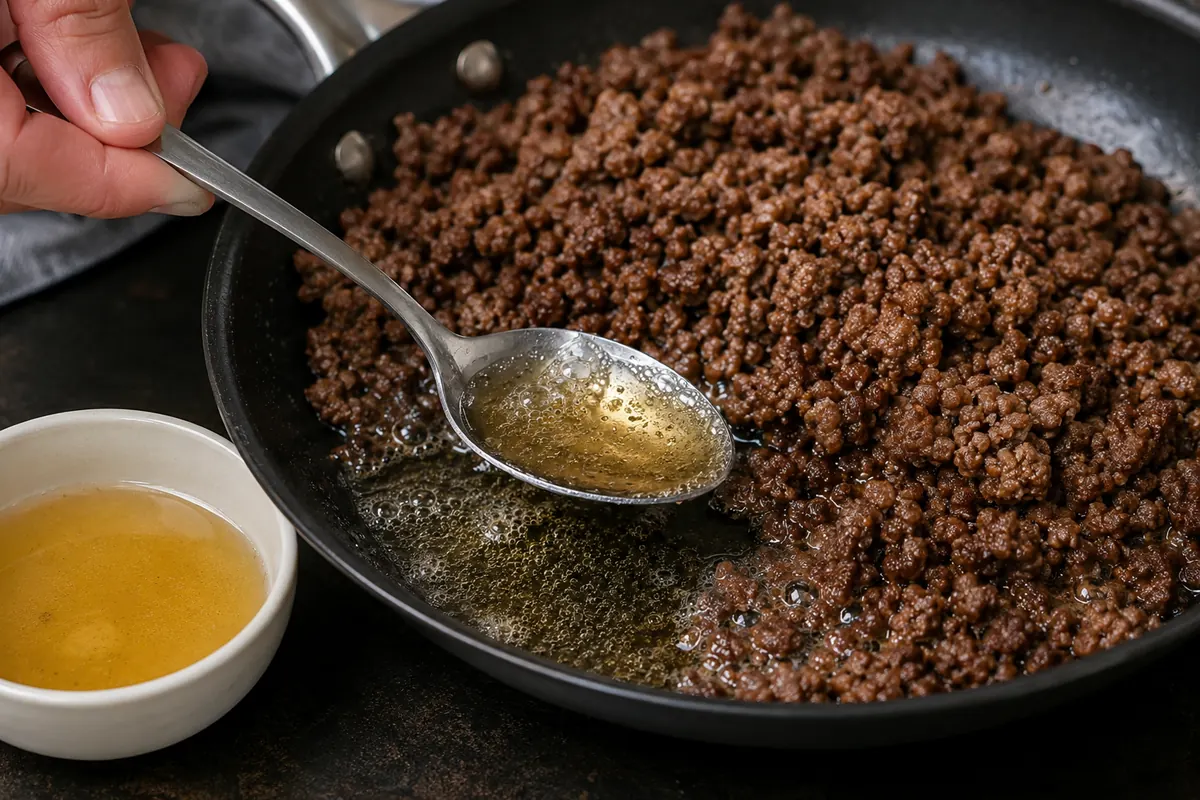
One quiet detail matters: if you brown the beef and drain the rendered fat before adding the tomato, you remove a meaningful chunk of those calories. Skipping that drain step can add 50 to 100 calories per serving that you will never taste as flavor, just as grease pooling on the plate. The same fat-control habit pays off in slow-simmered beef stews, where rendered fat can quietly dominate the dish. For more on building a deep meat base, the full method for a homemade spaghetti sauce walks through browning and simmering for flavor without piling on extra fat.
Calories in the Tomato Base
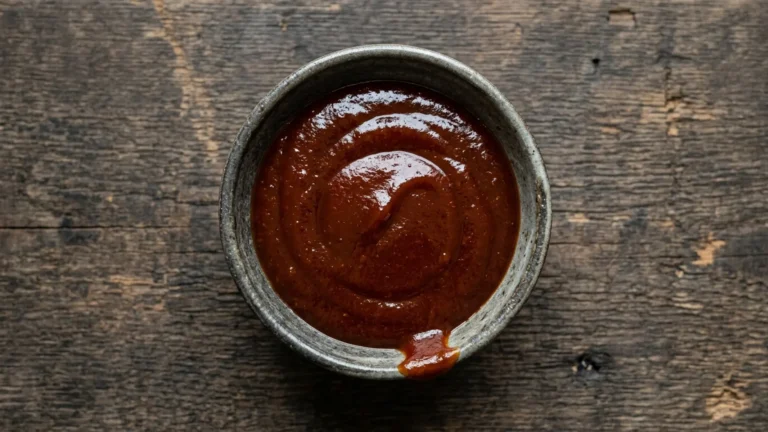
The tomato part of the sauce is the cheap part, calorie-wise. A cup of plain tomato sauce or crushed tomatoes carries only about 60 to 90 calories, mostly from natural sugars in the tomatoes. The number climbs if the recipe adds olive oil, sugar, or a jarred sauce that is sweetened. A tablespoon of olive oil in the pan adds about 120 calories on its own, which is easy to overlook. Jarred sauces vary a lot, so the label is worth a glance, but most marinara-style bases run 70 to 110 calories per half cup.
The lesson is that the tomato base is almost never the problem. If you are trying to trim calories, the tomato is your ally. You can stretch the sauce with extra crushed tomatoes, mushrooms, or grated carrot and zucchini, which add volume and nutrients for almost no calories. This volume-first approach works across most tomato-based pasta sauces, not just the meat version. The same trick makes a smaller amount of meat feel generous. For the foundation of a clean tomato base, the walkthrough on a homemade tomato sauce shows how to get rich flavor from tomatoes alone.
Putting a Full Plate Together
Here is what the totals look like when you stack the parts. These are honest estimates for common portions, rounded for readability.
| Plate | Pasta | Meat sauce | Extras | Total |
|---|---|---|---|---|
| Light home plate | 1 cup (200) | 3/4 cup, 93% lean (165) | none | ~365 |
| Standard plate | 2 cups (400) | 1 cup, 80% lean (275) | 1 tbsp parmesan (22) | ~700 |
| Restaurant plate | 3 cups (600) | 1.5 cups, 80% lean (410) | oil + cheese (150) | ~1,160 |
| Lean swap plate | 1 cup whole wheat (180) | 1 cup turkey + veg (170) | none | ~350 |
Notice that the restaurant plate is more than three times the light plate, and the recipe is essentially the same dish. Portion and fat content do all the work. If you cook at home and measure even loosely, you control the outcome. The numbers above are built from per-ingredient figures you can verify yourself at the USDA’s FoodData Central database, which lists calories for cooked spaghetti, ground beef at various lean percentages, and tomato products.
The Toppings and Extras That Add Up
Cheese is the most common hidden addition. A tablespoon of grated Parmesan is modest at about 22 calories, but a heavy hand or a blanket of mozzarella can add 100 to 200 calories fast. Garlic bread on the side is its own meal, often 150 to 200 calories per slice with butter. A drizzle of finishing oil, a pat of butter stirred into the pasta, or a sweetened jarred sauce each nudge the total up quietly. None of these are wrong, but they belong in your mental math.
The flip side is that some additions are nearly free. Fresh basil, a splash of vinegar, red pepper flakes, black pepper, and a pile of sauteed mushrooms all add flavor and bulk for almost no calories. To make a plate feel indulgent without the calorie load, lean on aromatics and vegetables rather than fat and cheese. It is the cheapest upgrade in cooking.
It helps to know which extras are worth their calories and which are not. A real shower of fresh Parmesan, the kind you would grate over a finished plate, costs maybe forty to sixty calories and adds a lot of savory punch, so it counts as money well spent. A ladle of melted mozzarella for a baked pasta is a much bigger commitment, easily a couple hundred calories, and it mostly adds stretch and richness rather than flavor. Garlic bread is the quiet budget-buster, since a single buttered slice can rival a quarter of the whole entree. None of these are off limits. The point is to spend your calorie budget on the additions that actually make the plate taste better, and skip the ones that just make it heavier.
Smart Swaps to Lighten the Plate
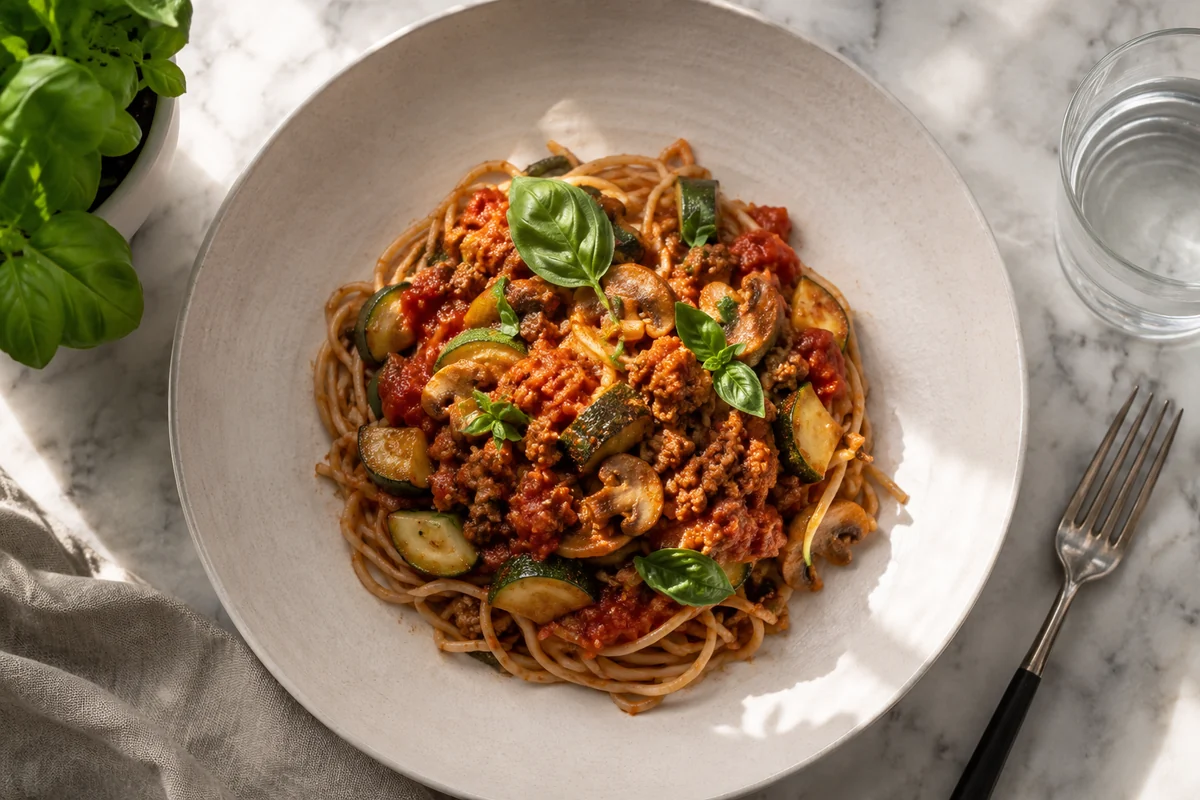
If you want the same dish for fewer calories, attack the two big levers first. Cut the pasta portion to one cup and bulk the plate with vegetables, then switch to leaner meat or stretch the meat with lentils and mushrooms. Those two moves alone can drop a 700-calorie plate to under 400 without anyone noticing a sacrifice. Whole wheat or legume pasta adds fiber so a smaller portion satisfies. Draining the beef fat is free calories saved.
A useful habit is to plan the plate around protein and vegetables first, then add pasta as the supporting player rather than the main event. If you fill half the plate with the meat-and-vegetable sauce and let the spaghetti be a one-cup base underneath, you naturally land at a lower calorie total while still feeling like you ate a full Italian dinner. Flip that ratio, with a mountain of noodles and a thin smear of sauce, and you get more calories from the cheapest, least satisfying part of the meal. The dish is the same. The proportion is what decides whether you walk away near 400 calories or closer to 800, and that choice is entirely yours to make at the stove.
Be careful not to over-correct into a bland plate, because a sad dinner gets abandoned. Keep the salt right, keep the aromatics generous, and let the tomato and herbs carry the flavor. For honest context on the saturated fat that comes with fattier ground beef, the NIH overview of dietary fats is a level-headed read, and it reinforces why leaning out the meat helps your numbers in more ways than one.
How to Estimate Your Own Plate Accurately
Most calorie estimates fail for one reason: people guess their portion sizes badly. A cup of cooked pasta is smaller than it looks once it is twirled on a plate, and a restaurant portion can be three times that without seeming huge. So the first move toward an honest number is to actually measure a couple of times until your eye calibrates. Cook a cup of spaghetti, plate it, and look at it. Do the same with a cup of sauce. After a few rounds you will be able to eyeball a plate within a hundred calories or so, which is close enough for any practical decision.
The second move is to weigh your meat before cooking, because that is the number that drives the fat content. A pound of 80 percent lean beef and a pound of 93 percent lean beef look nearly identical raw, but they carry very different calorie loads, and once they are mixed into sauce you cannot tell them apart by sight. If you know you started with a pound of lean beef divided across four servings, you can assign the calories with real confidence. Guessing after the fact is where estimates go wrong.
Cross-checking against a trusted database closes the gap. The figures in this guide come from per-ingredient values you can look up yourself, and the most reliable public source is the USDA, which publishes lab-measured nutrition data for cooked pasta, ground beef at every lean percentage, and tomato products. When a jar label and your own math disagree, trust the math built from real ingredient weights, because the label assumes a serving size you probably did not eat.
If you search for the calories in this dish you will find figures ranging from 300 to over 1,000, and that is not because anyone is wrong. It is because they are describing different plates. One source measures a half cup of sauce over a cup of pasta. Another describes a restaurant entree with garlic bread folded into the total. A third uses extra-lean beef and a tiny pasta portion for a diet recipe. Each number is accurate for its own plate, and none of them is your plate unless you match the portions exactly.
This is why the ingredient breakdown matters more than a single headline number. Once you know the pasta is about 200 calories a cup, the meat sauce is 180 to 300 a cup depending on the beef, and the tomato base is nearly free, you can build the total for whatever you actually plan to eat. That skill travels with you to every restaurant menu and every leftover container. A fixed number on a website cannot do that, because it does not know how hungry you are or how heavy your hand is with the pasta tongs.
The other source of variation is the hidden fat and oil. A recipe that sautes the aromatics in a quarter cup of olive oil carries hundreds of extra calories that never show up in a casual description of the dish. A jarred sauce sweetened with added sugar runs higher than a plain crushed-tomato base. None of these are visible on the finished plate, so they are easy to miss. When two honest people report different numbers for the same dish, the gap is almost always portion size, beef fat, or added oil, in that order.
Frequently Asked Questions
How many calories are in a plate of spaghetti with meat sauce?
A standard plate of about two cups of cooked spaghetti with a cup of beef meat sauce runs roughly 500 to 700 calories. A lighter home portion lands near 350 to 450, while a large restaurant plate with extra pasta, oil, and cheese can exceed 1,000.
What makes meat sauce spaghetti high in calories?
Two things drive the number: the size of the pasta portion and the fat content of the ground meat. Cooked spaghetti is about 200 calories per cup, and fattier beef adds far more than lean beef. Added oil, butter, and cheese pile on quietly without changing the look of the plate.
How can I cut calories in spaghetti with meat sauce?
Reduce the pasta to one cup and add volume with vegetables, then use leaner ground beef, ground turkey, or stretch the meat with lentils and mushrooms. Draining the rendered fat after browning the meat removes calories you would never taste as flavor.
Is whole wheat spaghetti lower in calories?
Only slightly, at about 180 to 200 calories per cooked cup versus around 200 for regular pasta. The real benefit is the extra fiber, which slows digestion and helps a smaller portion feel filling, so you may eat less overall.