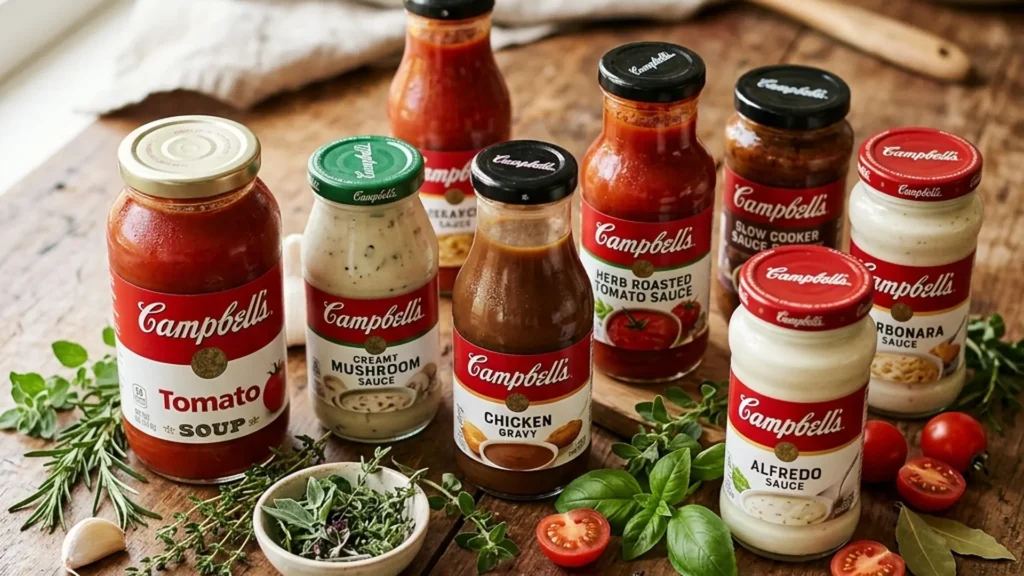
Campbell cooking sauces are the brand’s bet that the people who have spent decades dumping cream of mushroom soup into casseroles would happily buy a pouch built for exactly that job. They are right, mostly. These are pourable, pre-seasoned bases meant to turn raw chicken and a pan into dinner in about two steps. The useful verdict is more than a thumbs up or down: they are a fine shortcut if you know how to use and fix them, and a waste of money if you treat them as foolproof.
Here is the honest answer up front. Campbell’s cooking sauces work best as a starting point you finish yourself, not as a complete meal in a pouch. A splash of acid, a handful of fresh herbs, and the right protein turn a decent pouch into something people will actually ask about.
What Campbell’s Cooking Sauces Actually Are
The line is built around skillet sauces sold in pouches, roughly 11 ounces each, with each pouch meant to make about four servings. The pitch is simple: brown your protein, pour in the sauce and a little water, simmer until cooked through, and eat. The flavors lean in two directions, as the company lays out on the official Campbell’s sauces page. Some are comfort-food familiar, like Smothered Chicken, Creamy Lemon Garlic, and Creamy Parmesan. Others reach for global flavor, like Butter Chicken, Thai Curry, Creamy Cajun, and Tangy Sweet and Sour.
The strategy makes sense. People have used Campbell’s condensed soups as recipe shortcuts forever, so the company is selling a product engineered for the job rather than asking you to improvise with soup. Whether you need it is a separate question, and the answer depends on how much you cook and how much salt you want to eat.
What sets these apart from the old soup-as-ingredient trick is that they are formulated to be the sauce, not a base you doctor heavily. The viscosity is already right for clinging to chicken, the seasoning is built in, and the package walks you through a two-step method. That convenience is the entire product. You are not buying flavor that beats a from-scratch sauce. You are buying the removal of decisions: no spice measuring, no reduction guesswork, no wondering whether the ratio is right. For a tired weeknight cook, that mental shortcut is worth real money, which is exactly the behavior the brand is betting on.
The Flavor Lineup, Broken Down
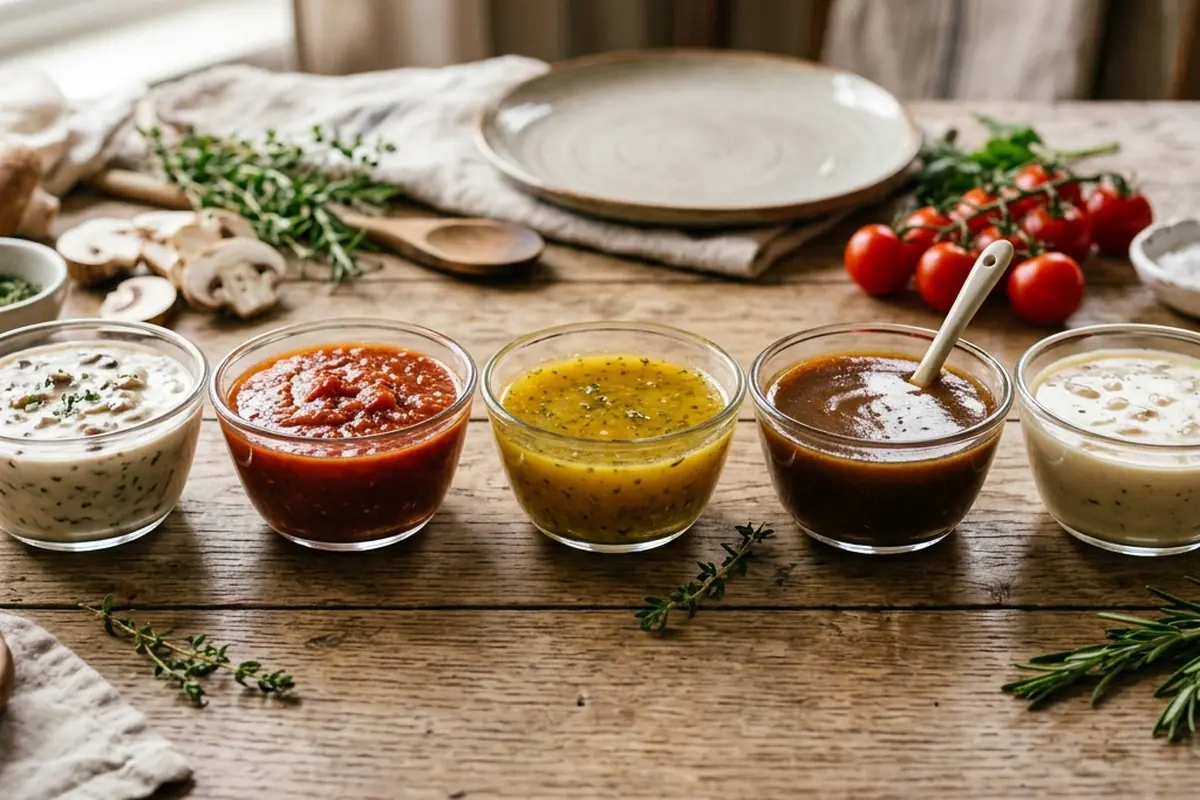
Not every pouch deserves your weeknight. Here is how the main ones rank and how to use them, with the protein and sides that make each shine, plus a fast upgrade for each.
| Sauce | Best Protein | Serve Over | One Upgrade |
|---|---|---|---|
| Butter Chicken | Chicken thighs | Basmati rice, naan | Finish with a spoon of plain yogurt and fresh cilantro |
| Thai Curry | Chicken or shrimp | Jasmine rice | Add lime juice and a handful of basil at the end |
| Creamy Parmesan | Chicken breast | Fettuccine, roasted broccoli | Grate in real Parmesan and crack black pepper |
| Creamy Lemon Garlic | Chicken or white fish | Orzo, asparagus | Brighten with fresh lemon zest off heat |
| Smothered Chicken | Bone-in or boneless chicken | Mashed potatoes, rice | Saute real onions and mushrooms first, then add the pouch |
| Tangy Sweet and Sour | Chicken, pork, tofu | Rice, stir-fried peppers | Cut the sweetness with a splash of rice vinegar |
| Creamy Cajun | Chicken or sausage and shrimp | Pasta, rice | Add smoked sausage and a pinch of extra cayenne |
The pattern across all of them: the pouch handles the base flavor, but the freshness, the acid, and the aromatics that make a dish memorable are on you. That is not a knock. It is just how convenience sauces work.
How to Use One Pouch in Any Cooker
The package shows you the skillet method, but a single pouch adapts to every appliance in your kitchen. Here is what works for a standard 11 ounce pouch with about a pound of protein.
| Method | How | Rough Time |
|---|---|---|
| Skillet | Brown protein, add sauce plus a splash of water, simmer | 15-20 min |
| Oven | Pour over chicken in a baking dish, cover, bake at 375 F | 30-40 min |
| Slow cooker | Combine sauce and protein, cook on low | 4-6 hr low |
| Instant Pot | Saute protein, add sauce, pressure cook, then thicken on saute | 10-12 min cook |
One real tip for the slow cooker and Instant Pot: these sauces can thin out as the protein releases water. Finish on the stove or the saute function for a few minutes to tighten the sauce back up. If it still looks thin, a teaspoon of cornstarch slurry fixes it fast.
How They Stack Up Against Soup and Jarred Sauce
The honest comparison is not Campbell’s cooking sauces versus a from-scratch sauce a chef simmered for three hours. It is these pouches versus the two shortcuts people already use: condensed soup and jarred pasta sauce. Against condensed soup, the cooking sauces win on convenience, because they are designed to pour straight in without the dilution math and the slightly tinny note that cream of mushroom can bring. You also get flavors built for a finished dish rather than a soup repurposed into one.
Against jarred pasta sauce, the picture flips for tomato-based meals. A good jar of marinara is often a better value and a cleaner ingredient list than a creamy pouch, and it does not need a protein to make sense. Where the pouches pull ahead is the creamy and global lineup, the lanes jarred red sauce does not cover. So think of them as filling a specific gap: fast, creamy, or internationally flavored sauces that pair with a piece of meat, rather than a replacement for the jar of red sauce you already keep around.
One more practical point. These pouches are shelf-stable and compact, which makes them genuinely useful for small kitchens, dorms, and the back of a pantry for the night nothing got planned. That convenience has real value even if the flavor is not the best thing you will eat all week.
A Sauce Maker’s Three Rules for Pouch Sauces
Every convenience sauce benefits from the same treatment, and these three habits turn a flat pouch meal into something worth serving. First, build a real base before the pouch goes in. Even ninety seconds of browning onion, garlic, or mushroom in the pan adds a depth the sauce cannot fake. Second, finish with acid and something fresh, a squeeze of lemon, a splash of vinegar, a handful of herbs, because shelf-stable sauces are tuned heavy on salt and sugar and light on brightness. Third, fix the texture deliberately rather than hoping it sorts itself out, simmering to thicken or whisking to smooth.
Those three moves cost almost nothing and take a couple of minutes. They are also the difference between a meal that tastes like it came from a pouch and one that tastes like you cooked. The pouch is a head start, not the finish line, and the small touches at the end are where a cook earns the result. A lemon, a jar of vinegar, and a few hardy herbs like parsley and cilantro are worth keeping on hand for nights like this, because they are the cheapest insurance against a dull dinner. Spend two dollars on freshness and the four-dollar pouch suddenly tastes like more than it cost.
The Sodium Reality Nobody Prints on the Front
This is the part the marketing skips, and the verdict here is firm. Convenience cooking sauces, Campbell’s included, tend to run high in sodium because salt is what makes a shelf-stable sauce taste like dinner. A single serving can carry a meaningful chunk of your daily sodium budget before you have added a grain of salt to the meat. If you watch your salt, this is the number to check on the back of the pouch, not the flavor name on the front.
There is a simple workaround that also saves money. Stretch the pouch. One 11 ounce pouch is sold as four servings, but if you bulk the dish out with extra vegetables, a can of rinsed beans, or more rice, you can feed five or six and cut the per-serving sodium at the same time. This is worth doing almost every time. More broccoli in the creamy parmesan, more peppers in the sweet and sour, and suddenly the sodium per plate drops and the meal feels less like it came from a pouch.
When the Sauce Goes Wrong
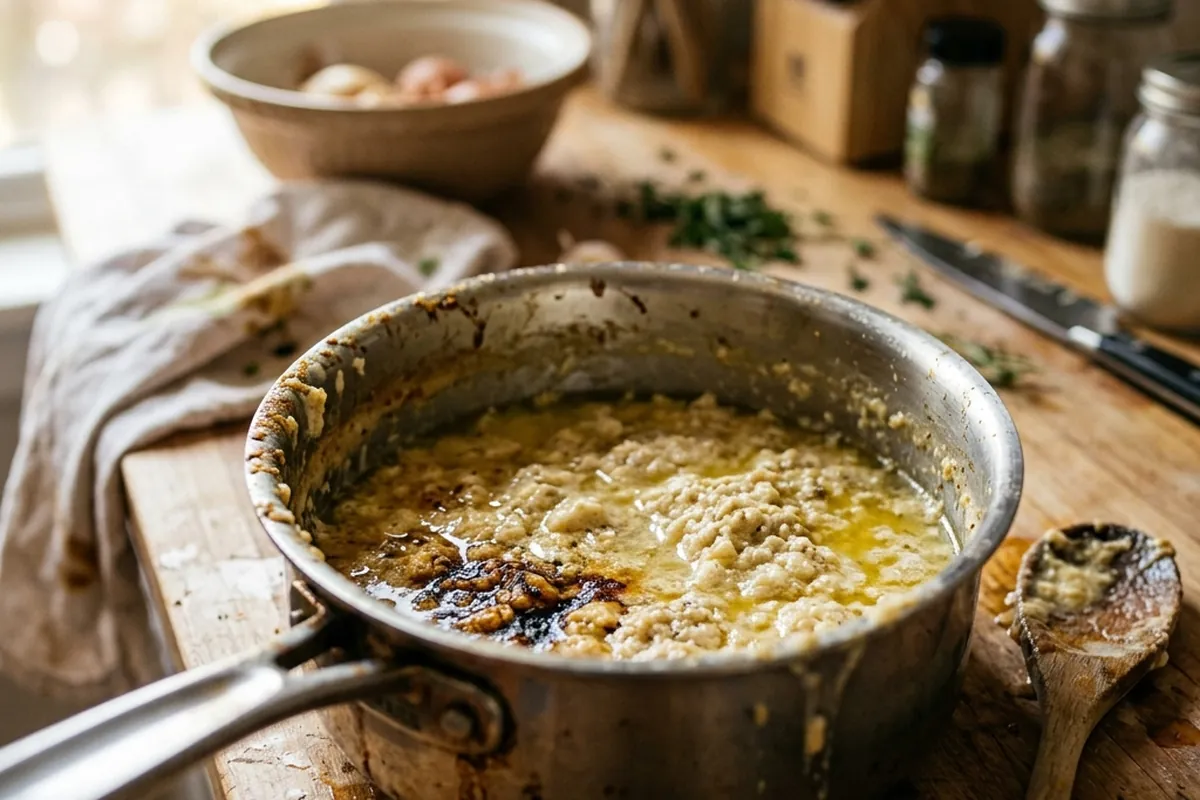
Cream-based pouches can misbehave. If you crank the heat too high or boil a creamy sauce hard, it can look grainy or split, with little oily flecks instead of a smooth coat. Do not panic and do not keep boiling it. Pull the pan off the heat and whisk in a splash of warm milk or water to bring it back together. The same logic that rescues a homemade cream sauce applies here, and our full guide on how to fix a broken sauce walks through the whisk, blender, and butter methods step by step.
The other common miss is a watery result, usually from too much added water or from protein that dumped liquid. Simmer it uncovered a few extra minutes, or stir in a quick cornstarch slurry. A pouch sauce should coat the back of a spoon, same as one you made yourself.
The From-Scratch Alternative
Here is the honest verdict. A couple of these sauces are easy enough to make from scratch that the pouch stops making sense once you know the move. Creamy Parmesan is really just butter, garlic, cream, and grated Parmesan reduced for a few minutes, the backbone of a quick alfredo that test kitchens like America’s Test Kitchen teach in under fifteen minutes. Sweet and Sour is ketchup or tomato, rice vinegar, sugar, and a touch of soy, simmered and thickened with cornstarch. Both take about ten minutes and let you control the salt and sugar completely.
The pouches that earn their place are the global ones like Butter Chicken and Thai Curry, where the spice blends are genuinely fiddly to assemble from scratch on a Tuesday. For everything tomato or cream based, you are often better off learning the base sauce once. If you want to taste the difference, build a simple red from a real recipe like our best meatball sauce guide and compare it to a jarred or pouched version side by side. The freshness gap is obvious.
Storage, Shelf Life, and Leftovers
Unopened, the pouches are shelf-stable, which is part of their appeal. Keep them in a cool, dry pantry and respect the best-by date, though like most shelf-stable products they are usually fine for a stretch beyond it as long as the pouch is intact and not bulging. Once you cook with a sauce, treat the finished dish like any other cooked meal. Refrigerate leftovers within two hours and eat them within three to four days.
Cream-based dishes do not freeze as gracefully as tomato-based ones, because dairy can separate when thawed. If you want to freeze leftovers, the Thai Curry and Sweet and Sour hold up better than the creamy parmesan or lemon garlic. When you reheat any of them, go gentle. Low heat and a splash of water or milk keep a creamy sauce from breaking the second time around, the same as it did in the pan. Microwaving on full power is the fastest way to split a cream sauce, so use medium power and stir halfway through.
If you only used part of a pouch, which happens when you cook for one or two, press out the air, seal it tightly, and refrigerate the rest for a few days, or freeze it flat for later. A half pouch is enough to sauce a single chicken breast or a bowl of vegetables, and it saves the rest from going to waste.
So, Are They Worth Buying?
For a busy weeknight when the choice is a Campbell’s pouch or takeout, the pouch wins on cost, speed, and control. For a cook who already keeps cream, garlic, and a few pantry basics on hand, the simpler flavors are not worth the price or the sodium. My honest recommendation is to keep one or two of the harder-to-replicate global sauces in the pantry as a backstop, skip the basic cream and tomato ones, and always finish whatever you cook with a hit of acid and something fresh. Treated that way, they are a useful tool. Treated as the whole meal, they are forgettable. If you cook most nights and enjoy it, you will outgrow the basic flavors quickly and reach for your own pan sauce instead. If you cook rarely and want dinner solved fast, the right pouch with one fresh finish is a perfectly good answer, and there is no need to feel guilty about it.
FAQ
How many servings does a Campbell’s cooking sauce pouch make?
Each pouch is about 11 ounces and labeled for roughly four servings with about a pound of protein. You can comfortably stretch it to five or six by adding extra vegetables, beans, or rice, which also lowers the sodium per plate and saves money.
Can I use Campbell’s cooking sauces in a slow cooker?
Yes. Combine the sauce with your protein and cook on low for about 4 to 6 hours. Because the meat releases liquid, the sauce can thin out, so finish it on the stovetop for a few minutes or stir in a cornstarch slurry to bring it back to a spoon-coating texture.
Are Campbell’s cooking sauces high in sodium?
Like most convenience cooking sauces, they tend to be salt-forward, since sodium is what makes a shelf-stable sauce taste seasoned. Check the back of the pouch for the per-serving number, avoid adding more salt to your protein, and stretch the pouch with extra vegetables to lower the sodium per serving.
What protein goes best with Campbell’s cooking sauces?
Chicken is the default and works with nearly every flavor. Butter Chicken and Smothered Chicken favor thighs, Thai Curry pairs well with shrimp, Creamy Lemon Garlic suits white fish, and Sweet and Sour or Creamy Cajun take well to pork, tofu, or sausage and shrimp.
Can I make Campbell’s cooking sauces from scratch?
The simpler flavors, yes, in about ten minutes. Creamy Parmesan is butter, garlic, cream, and grated Parmesan reduced briefly. Sweet and Sour is tomato or ketchup, rice vinegar, sugar, and soy thickened with cornstarch. The fiddly global blends like Butter Chicken and Thai Curry are the ones worth buying ready-made.
Why did my creamy Campbell’s sauce turn grainy?
Too much heat split the emulsion. Take the pan off the burner and whisk in a splash of warm milk or water to smooth it out, and avoid a hard boil with cream-based sauces. The same rescue methods that fix a homemade cream sauce apply to a pouch version.