The best meatball sauce is not a single recipe, it is the one that matches your meatball, your meal, and the time you have. Meatballs work in everything from a slow Sunday red sauce to a fast Korean gochujang glaze, and a great meatball can carry almost any sauce as long as the two are matched on purpose rather than by accident. This guide does what the big listicles skip. It gives you a small set of genuinely great sauces with real working recipes, then teaches you the pairing logic so you can choose confidently and even invent your own. By the end you will know which sauce fits which meatball and how to cook the two together so the flavor goes all the way through.
Sauce is the lever that decides a dish, and that is the premise of SauceGrove. A plain meatball is just seasoned ground meat. The sauce is what turns it into dinner, a party appetizer, or a sandwich filling. So the real question is never just which sauce tastes best in isolation, but which one tastes best with what you are actually serving.
The Three Families of Meatball Sauce
Almost every meatball sauce falls into one of three families, and knowing the family tells you how it will behave. Tomato-based sauces like marinara, arrabbiata, and Sunday gravy are acidic, savory, and forgiving. They simmer well, cling nicely, and suit beef and pork meatballs. Creamy sauces like Swedish cream gravy, mushroom gravy, parmesan cream, and curry are rich and rounded, and they coat rather than soak in, so they shine when you want comfort and body. Bright or glaze sauces like teriyaki, gochujang, honey garlic, pesto, and chimichurri are bold, often sweet or herbal, and they finish a meatball rather than slow-cook it. Once you know which family a sauce belongs to, you know whether to simmer the meatballs in it, toss them in it, or spoon it over at the end.
The Best Classic: A Proper Tomato Sauce
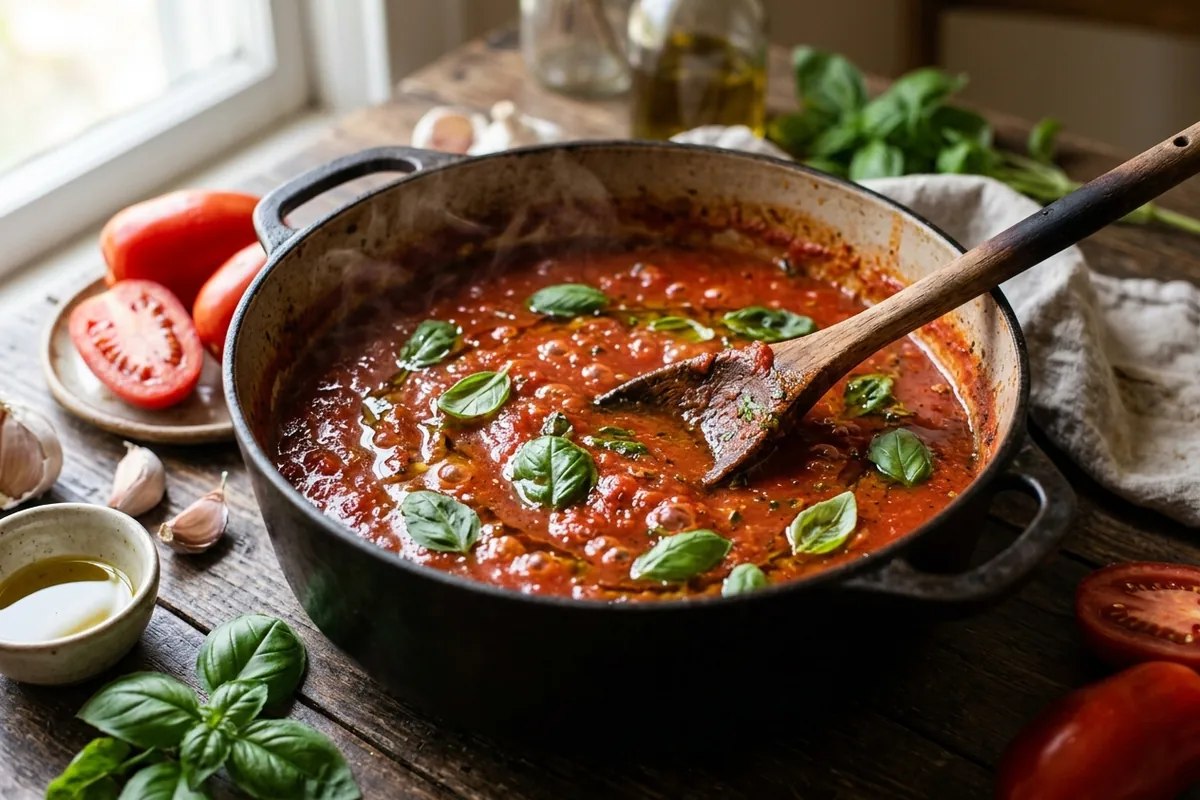
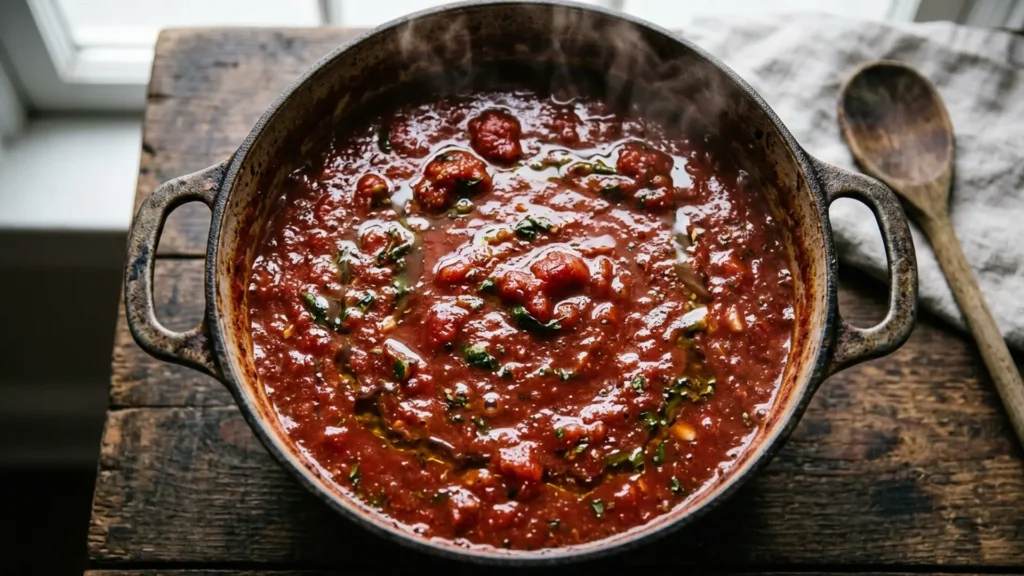
The everyday best sauce for beef and pork meatballs is a well-built tomato sauce, because it does the most jobs at once. It is savory enough to stand up to the meat, acidic enough to keep rich meatballs from feeling heavy, and it doubles as the sauce for the pasta underneath. The base is simple: gently cook garlic and a little onion in olive oil, add good canned whole or crushed tomatoes, a pinch of salt, a pinch of sugar to balance the acid, and a few basil leaves or a bay leaf. Let it simmer 20 to 30 minutes. The single biggest upgrade is to brown your meatballs first, then finish cooking them in the sauce so the fond and the meat juices enrich the tomato. The full homemade tomato sauce walkthrough covers the technique in depth, and it is the foundation for most meatball dishes.
For a spicier version, add a good pinch of red pepper flakes with the garlic to make arrabbiata. For a richer Sunday-gravy style, simmer the meatballs in the sauce for an hour or more with a little tomato paste for depth. The same base flexes into all of them.
The Best Creamy Sauce: Swedish-Style Cream Gravy
For a comfort plate, nothing beats a Swedish-style cream gravy, and it is faster than people think. After browning your meatballs, make a quick roux in the same pan with butter and flour, whisk in beef broth and a splash of cream, and season with a little soy or Worcestershire for depth and a pinch of nutmeg. Simmer until it coats the back of a spoon, then return the meatballs to warm through. This sauce suits beef and pork meatballs and pairs beautifully with mashed potatoes or egg noodles. The key technique is to build the gravy in the pan you browned the meatballs in, because the browned bits are the entire flavor base. Mushroom gravy works the same way, just add sliced sauteed mushrooms to the roux step.
The Best Fast Glaze: Honey Garlic or Gochujang
When you want big flavor in ten minutes, a glaze sauce is the answer. For honey garlic, simmer honey, soy sauce, minced garlic, rice vinegar, and a little cornstarch slurry until glossy, then toss cooked meatballs to coat. For a Korean-leaning version, build the same glaze around gochujang and a touch of sesame oil. These are not simmering sauces; you cook the meatballs first, then toss them in the reduced glaze so it lacquers the outside. They are ideal for party meatballs, rice bowls, or anything where you want a sweet-savory punch. Because the glaze sits on the surface, use a meatball with a firm, well-browned exterior so the sauce has something to grip.
The Best Party Sauces: Sweet and Sticky
If you are making cocktail meatballs for a crowd, the goal shifts from dinner balance to crowd-pleasing stickiness, and a few sauces own this category. The classic grape jelly and chili sauce combination sounds odd but works because the jelly’s sweetness and the chili sauce’s tang and gentle heat cling to small meatballs and disappear fast at a party. Barbecue sauce, either store-bought or homemade, is the other reliable choice, especially with pork or beef meatballs, and you can deepen it with a spoon of molasses or a dash of smoked paprika. A sweet-and-sour sauce of ketchup, vinegar, brown sugar, and pineapple juice rounds out the party trio. All three are glaze-family sauces, so cook the meatballs first and let them simmer in the sauce just long enough to absorb a thin coating and warm through. Keep them in a slow cooker on low to hold for a party and they will only get better as they sit.
The Best International Sauces Worth Learning
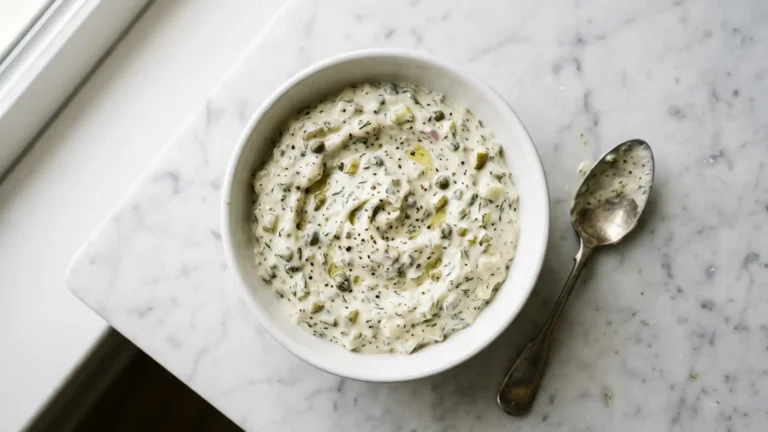
Once your classics are solid, a handful of global sauces will keep your meatballs from ever feeling repetitive. Teriyaki, a glaze of soy sauce, mirin or sugar, and ginger reduced until glossy, suits beef and pork and turns plain meatballs into a rice-bowl dinner. Thai-style curry, built from curry paste bloomed in a little oil then loosened with coconut milk and fish sauce, wraps chicken or pork meatballs in warm, creamy heat. Chimichurri, a raw blend of parsley, garlic, oregano, red wine vinegar, and olive oil, is spooned over grilled or baked meatballs at the end and is fantastic with beef and lamb. Tzatziki, cool yogurt with cucumber, garlic, and dill, is the natural partner for lamb meatballs and a refreshing counter to their richness. Albondigas-style enchilada or chipotle tomato sauce brings smoky chile depth that suits beef and pork beautifully. Each of these belongs to one of the three families, so the same simmer-in or toss-on logic applies. Learning even two of them widens your dinner rotation enormously.
Do Not Forget the Meatball Itself
A sauce can only do so much if the meatball underneath it is dry or bland, so a quick word on the base. A good meatball needs a binder of breadcrumbs soaked in milk, which keeps it tender, plus an egg, salt, and aromatics. Browning the outside before saucing builds flavor and gives glazes something to grip. Do not overmix the meat or the meatballs turn dense and rubbery, and do not skimp on salt inside the meatball just because the sauce is seasoned. A well-seasoned meatball in a well-balanced sauce is the whole game, and the two should taste good independently before they ever meet in the pan. A useful habit is to fry off a tiny test patty of your meatball mix and taste it for salt before you roll the whole batch, the same way you would taste a sauce before serving. That one extra minute saves you from a tray of under-seasoned meatballs that no sauce can fully rescue.
How to Match the Sauce to the Meatball
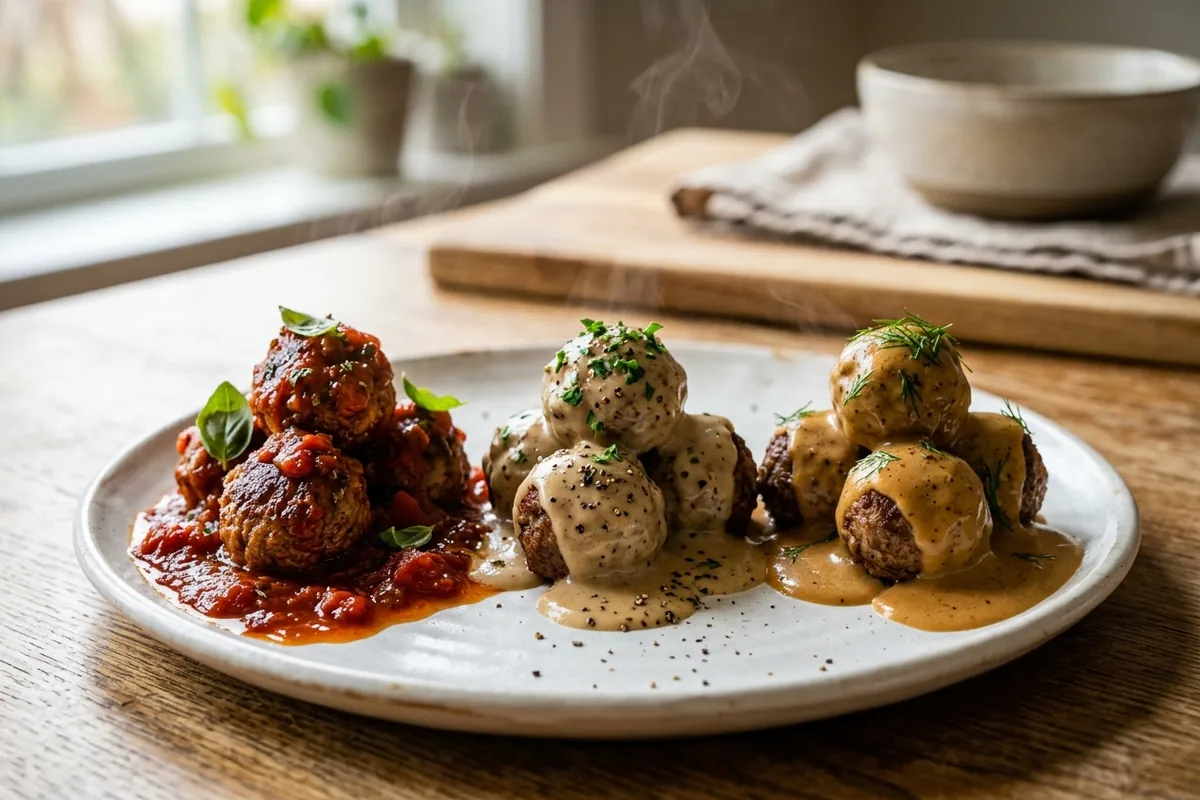
This is the part most guides skip, and it is the most useful. The meat in your meatball should steer the sauce. Beef and beef-pork blends are robust and take strong sauces well: tomato, mushroom gravy, gochujang, barbecue. Pork meatballs lean sweet and fatty, so they love acidic and sweet partners like cranberry, honey garlic, teriyaki, or a sharp tomato. Chicken and turkey meatballs are lean and mild, so they need a sauce that adds moisture and punch: curry, peanut, pesto, or a creamy sauce that keeps them from drying out. Lamb meatballs are bold and gamey, so they shine with bright, herbal, or yogurt-based sauces like chimichurri, tzatziki, or harissa-spiked tomato. Plant-based meatballs hold up to assertive sauces and benefit from extra umami, so a rich tomato or a soy-forward glaze works well. Match the intensity of the sauce to the richness of the meat and you will rarely go wrong.
Simmer In or Toss On: The Technique That Matters
How you combine the meatballs and sauce changes the result as much as the sauce itself. There are three methods. Simmering the meatballs in the sauce works for thin to medium tomato and broth-based sauces; the meatballs absorb flavor and release juices back into the pot, and 20 to 60 minutes of gentle simmering makes both better. Tossing cooked meatballs in a reduced sauce works for glazes and pestos; you want the sauce thick enough to cling and the meatballs already cooked so the coating stays glossy. Spooning sauce over at the end works for delicate or split sauces like brown butter, chimichurri, or tzatziki that would break or dull if cooked further. Pick the method that fits the sauce family and you preserve both texture and flavor. A common mistake is boiling a cream sauce too hard, which can break it, or over-reducing a glaze until it turns sticky-hard, so keep the heat moderate.
Building Your Own Signature Meatball Sauce
Once you understand the families and the pairing logic, you can build a sauce to your own taste. Start with a base liquid that sets the family: tomatoes for acidic, cream or broth-and-roux for creamy, or a reduced sweet-salty liquid for a glaze. Then add a salt-and-umami source, an acid for brightness, a touch of sweetness to balance, and an aromatic layer of garlic, onion, herbs, or spice. This is the same elements-in-balance framework used for every sauce on saucegrove, and it means you are never locked into a recipe. The team at Bon Appetit has published a lot of useful writing on how chefs balance these elements, and the test cooks at America’s Test Kitchen have detailed work on browning and pan sauces that directly applies to meatball cooking. Read those for the why behind the technique.
If you cook gluten-free, watch your thickeners and your soy. A roux uses wheat flour, so swap cornstarch or a gluten-free flour for cream gravies, and reach for tamari instead of standard soy in glazes. My guides on soy sauce and gluten free options cover exactly which products are safe so your sauce does not undo a gluten-free meal.
Storage, Make-Ahead, and Reheating
Meatball sauces almost all improve with a rest, which makes them excellent make-ahead food. Tomato and braised sauces keep four to five days in the fridge and freeze beautifully for up to three months; the meatballs can be frozen right in the sauce. Cream-based sauces are more delicate, holding three to four days in the fridge but freezing poorly because the dairy can separate, so make those closer to serving. Glazes keep about a week and are best re-warmed gently with a splash of water to loosen them. When reheating any sauce with meatballs, do it low and slow so the meatballs do not toughen and a cream sauce does not break. A few minutes covered over low heat, stirring occasionally, brings everything back without overcooking the meat.
Frequently Asked Questions
What is the best sauce for meatballs?
The best all-around sauce for beef and pork meatballs is a well-built tomato sauce, because it is savory, acidic, forgiving, and doubles as a pasta sauce. For comfort food, a Swedish-style cream gravy is hard to beat, and for fast big flavor a honey garlic or gochujang glaze wins. The truly best choice depends on the meat you are using and the meal you are serving.
Should I cook meatballs in the sauce or separately?
It depends on the sauce. For tomato and broth-based sauces, brown the meatballs first then finish cooking them in the sauce so flavor goes both ways. For glazes and pestos, cook the meatballs fully first then toss them in the reduced sauce so the coating stays glossy. For delicate sauces like brown butter or tzatziki, spoon the sauce over at the end so it does not break.
What sauce goes with chicken or turkey meatballs?
Lean chicken and turkey meatballs need a sauce that adds moisture and punch, so creamy curry, peanut sauce, pesto, or a parmesan cream sauce all work well. Avoid very thin sauces that let the lean meat dry out. A rich, clingy sauce keeps poultry meatballs juicy and flavorful.
How do I keep my meatball sauce from being bland?
Bland meatball sauce usually needs more salt, acid, and umami. Add a pinch of salt, a splash of vinegar or a squeeze of lemon, and a hit of soy sauce, Worcestershire, or tomato paste for savory depth. Browning the meatballs first and building the sauce in the same pan also adds a layer of flavor you cannot get otherwise.
Can I make meatball sauce ahead of time?
Yes, and most tomato and braised sauces taste better the next day. They keep four to five days refrigerated and freeze well for up to three months, meatballs included. Cream-based sauces are best made closer to serving since dairy can separate when frozen. Reheat any meatball sauce gently over low heat to avoid toughening the meat.
What is the difference between marinara and Sunday gravy for meatballs?
Marinara is a quick, bright tomato sauce simmered 20 to 30 minutes, while Sunday gravy is a long-simmered tomato sauce often cooked for hours with meat, including meatballs, sausage, and sometimes pork, which gives it a deeper, richer flavor. Both start from the same tomato base; the difference is time and the meat that cooks in it.
The Takeaway
The best meatball sauce comes down to a simple decision tree: pick the family that fits your meal, match the sauce intensity to the meat, and use the right combining method so the flavor lands where you want it. A great tomato sauce is the most versatile starting point, a cream gravy is the comfort champion, and a quick glaze is your fast-flavor friend. Learn the elements-in-balance framework and you can build any of them or invent your own, then store and reheat them with confidence. Keep a great tomato base in the freezer, a quick cream gravy in your back pocket, and one or two glazes memorized, and you will be ready for any meatball you can roll. Once you stop hunting for the one perfect recipe and start matching sauce to meatball on purpose, every batch you make gets better, and your weeknight dinners stop feeling like the same plate over and over.