A substitute for Worcestershire sauce is one of the most common requests, usually mid-recipe from someone who just discovered the bottle in the back of the cupboard is empty or expired. The good news is that Worcestershire is a blendable, reverse-engineerable sauce, and once you understand the five flavors it delivers, you can build a stand-in from things you almost certainly already have. The better news is that some of the swaps are arguably more interesting than the original. This guide breaks down exactly what Worcestershire does on the palate, then gives you ranked, ratio-specific replacements for every situation, from a marinade to a Bloody Mary to a vegan stew.
SauceGrove is built on the idea that understanding sauces, rather than memorizing recipes, is what makes a cook flexible. Worcestershire is the perfect example. It tastes complicated, but it is really just five jobs stacked on top of each other. Learn the jobs and you will never be stuck without it again.
What Worcestershire Sauce Actually Tastes Like
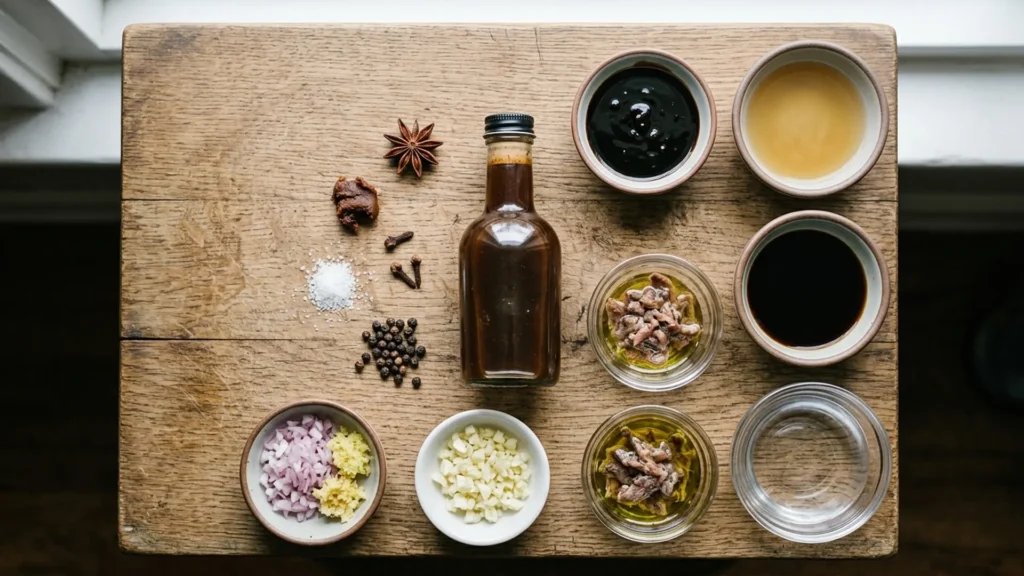
Before you can replace something, you have to know what it does. Worcestershire is a fermented, aged liquid condiment, and traditional versions are built on vinegar, molasses, sugar, salt, anchovies, tamarind, onion, garlic, and a blend of spices. When you taste it, you are getting five distinct sensations more or less at once.
Umami: The deep, savory, almost meaty backbone comes from fermented anchovies and the aging process. This is the hardest single note to fake and the most important one to replace.
Salt: It is a salty sauce, which is why a splash seasons a whole pot. Any substitute has to account for that saltiness or your dish will taste flat.
Acid: Vinegar and tamarind give it a sharp, tangy lift that cuts through rich food. This is why it brightens a burger or a stew.
Sweet: Molasses and sugar round out the sharpness and add a faint caramel depth. Without it, a substitute tastes harsh.
Aromatic complexity: Onion, garlic, tamarind, and the warm spice blend give it that hard-to-place layered quality. This is the note you add last, with small amounts of pantry aromatics.
Every substitute below is just a different way of hitting those five targets. The closer a swap gets to all five, the more seamless it will be.
The Best All-Purpose Substitute
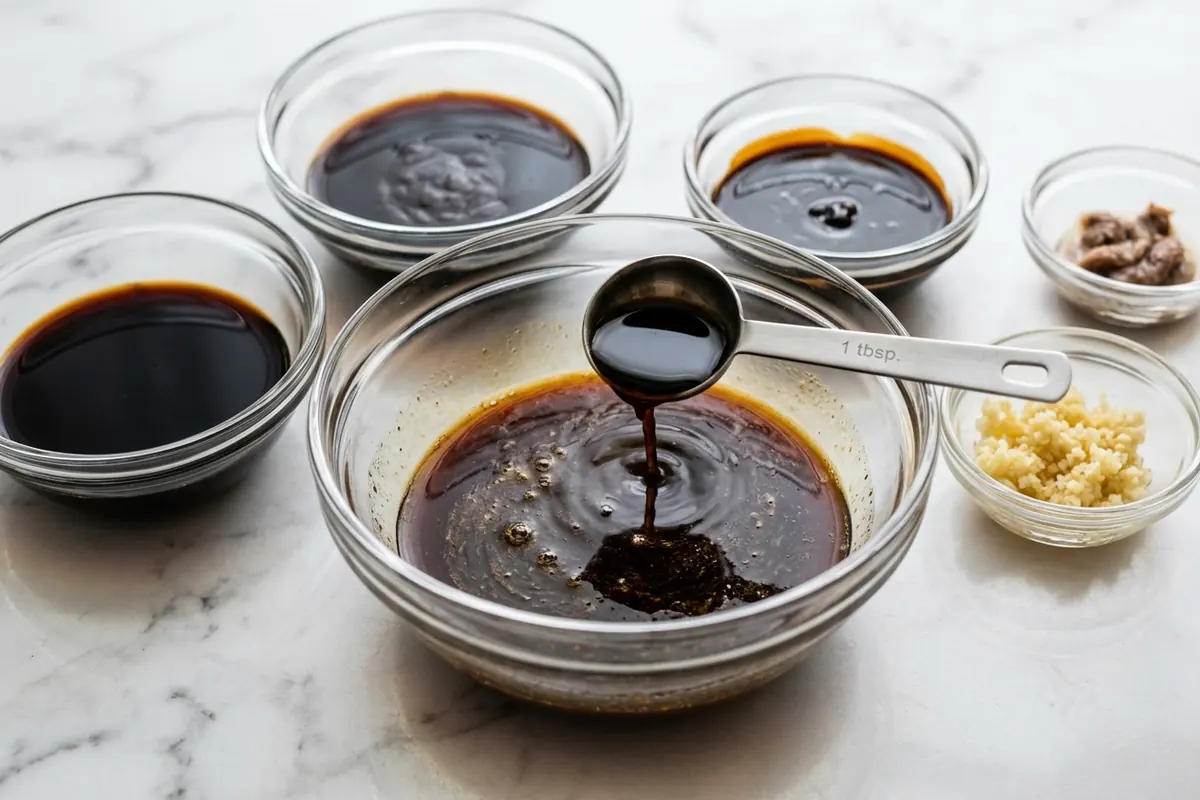
The one swap that works in the widest range of dishes is a quick three-part blend. For every tablespoon of Worcestershire, combine one tablespoon of soy sauce, one teaspoon of cider vinegar or balsamic vinegar, and a quarter teaspoon of sugar or a small squeeze of ketchup. The soy sauce delivers the umami and salt, the vinegar delivers the acid, and the sugar or ketchup delivers the sweetness. Add a tiny pinch of garlic powder and onion powder if you want to chase the aromatic complexity. This blend covers four of the five flavor jobs cleanly and the fifth with a pantry shortcut, and it disappears into a sauce, a marinade, or a braise without anyone noticing the swap.
This is the most practical substitute because every component is shelf-stable and in most kitchens already. Mix it in a small bowl, taste it on a spoon, and adjust before adding it to the dish.
Single-Ingredient Swaps, Ranked
Sometimes you just want to grab one bottle. Here is how the common single-ingredient options stack up.
Soy sauce (very good): A 1:1 swap covers umami and salt beautifully. It misses the acid and sweetness, so it works best in dishes that already have those elements, like a tomato-based sauce. For a closer match, add a few drops of vinegar and a tiny pinch of sugar.
Fish sauce (very good for savory dishes): Use it 1:1 but start with slightly less because it is potent and funky. It nails the fermented umami and salt, which are the two notes most substitutes miss. It lacks the sweetness and acid, so add a pinch of sugar and a drop of vinegar. Excellent in stews, marinades, and dressings; less ideal where you do not want any seafood funk.
A1 or other steak sauce (excellent if you have it): This is the closest single bottle, since steak sauces are built from a similar tangy-sweet-savory base. Use 1:1. It is thicker, so thin with a little water if the texture matters.
Coconut aminos (good, soy-free): Sweeter and less salty than soy, so it covers umami and sweetness but you may need extra salt and a splash of vinegar. A solid choice for soy-free and gluten-free cooking.
Balsamic vinegar (good for acid and sweet): On its own it covers acid and sweetness but lacks umami and salt. Pair it with a little soy sauce or miso for a much fuller swap. A tamarind-and-balsamic blend with a pinch of brown sugar gets impressively close to the original.
Miso paste (good umami booster): Dissolve a small amount in warm water with a splash of vinegar. It is a strong umami and salt source and a great backbone for a custom blend, especially for vegetarians.
Vegan and Vegetarian Substitutes
Standard Worcestershire contains anchovies, so it is not vegetarian or vegan. If that is your goal, you have two routes. The first is to buy a vegan Worcestershire, which several brands now make using tamarind and extra spice in place of fish. The second is to build your own, which is easy. Combine soy sauce or tamari for umami and salt, a splash of cider or balsamic vinegar for acid, a little molasses or maple syrup for sweetness, and pinches of garlic powder, onion powder, ground ginger, and ground clove or allspice for the aromatic complexity. A tiny dab of miso or a few drops of liquid from a jar of olives can stand in for the briny depth the anchovies normally provide. This homemade version is genuinely good and lets you control the salt and sugar precisely.
Gluten-Free Considerations
This trips people up, because Worcestershire is often assumed to be naturally gluten-free and many versions are not. Traditional and many mainstream Worcestershire sauces contain malt vinegar made from barley, which contains gluten. If you are cooking gluten-free, do not assume the bottle is safe and do not assume your substitute is either. The safest gluten-free swap is tamari, which is a soy sauce brewed without wheat, combined with a gluten-free vinegar like cider, white wine, or distilled vinegar and a pinch of sugar. Coconut aminos are also naturally gluten-free and soy-free, which makes them the most allergen-friendly option of all. If you want to go deeper on which sauces hide gluten and which are safe, the guide on whether fish sauce is gluten free and the breakdown of soy sauce and gluten free options walk through the label reading in detail.
Matching the Substitute to the Dish
The right swap depends heavily on what you are making, because different dishes lean on different notes of the original.
In a marinade or braise: You have the most freedom here because the substitute cooks in and blends with everything else. Soy sauce plus a little vinegar and sugar, or fish sauce plus sugar, both work great. The long contact time lets the flavors marry.
In a burger or meatloaf mix: You want umami and a little tang without too much added liquid. Soy sauce or A1 used sparingly is ideal. Avoid anything too watery so you do not loosen the mix.
In a Bloody Mary or cocktail: The acid and savory depth are the whole point. A blend of soy sauce, a splash of pickle or olive brine, and a few drops of hot sauce mimics it well. Fish sauce works too but use a very light hand so it does not read fishy in a drink.
In a Caesar dressing: Worcestershire is there for the anchovy-driven umami, so fish sauce or actual mashed anchovy is the closest swap, with soy sauce as a vegetarian fallback.
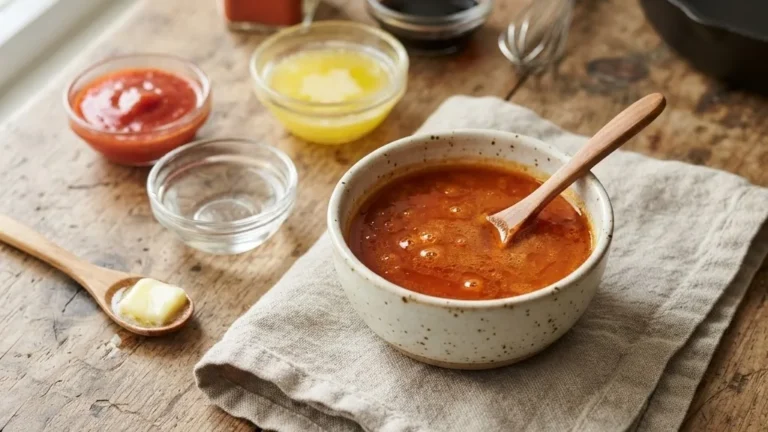
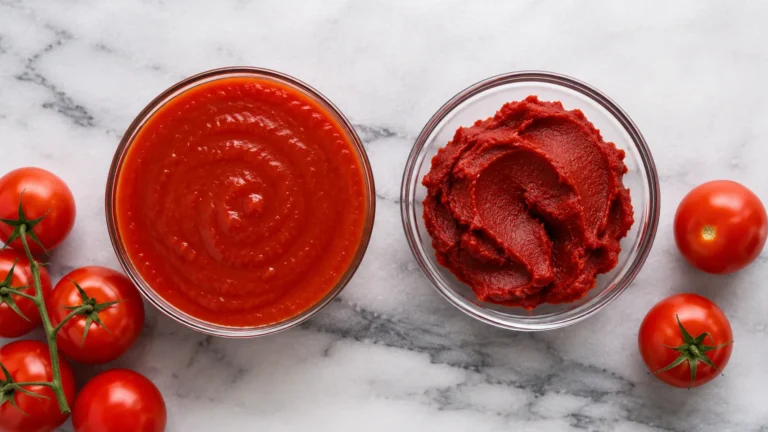
In a pan sauce or gravy: A splash of soy sauce plus a little balsamic gives you the savory-sweet-tangy lift without changing the color too much. The same logic applies when balancing a homemade tomato sauce, where a few drops of a salty-sweet element deepen the whole pot.
How to Build Your Own From Scratch
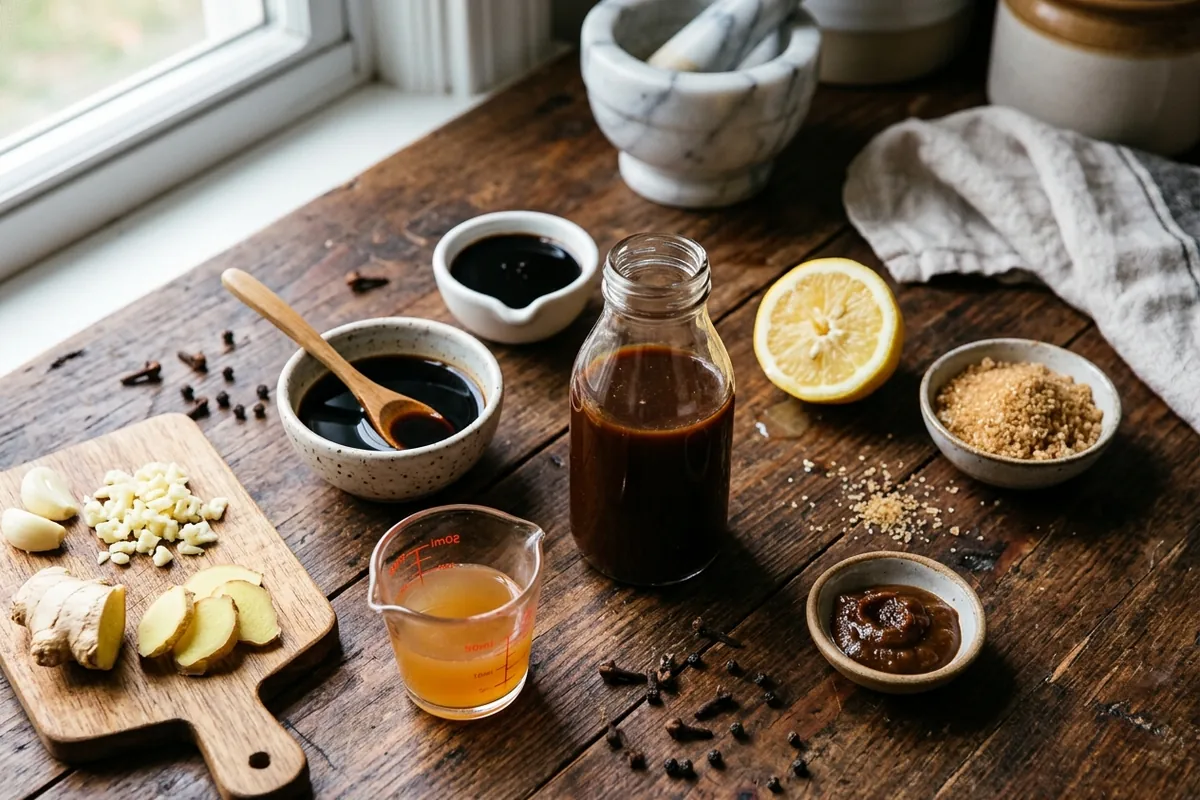
If you find yourself out of Worcestershire often, it is worth keeping a homemade version in the fridge. Simmer together half a cup of cider vinegar, two tablespoons of soy sauce, two tablespoons of water, a tablespoon of molasses or brown sugar, a teaspoon of tamarind paste if you have it, a quarter teaspoon each of garlic powder, onion powder, and ground ginger, and a small pinch of ground clove and black pepper. Let it simmer for a couple of minutes to meld, then cool and bottle. It keeps for weeks in the fridge and lets you dial the salt and sweetness to your taste. This is the closest you will get without anchovies, and adding a mashed anchovy or two during the simmer brings it almost exactly in line with the commercial original.
Reputable test kitchens like the team at Cook’s Illustrated have written extensively about how layering acid, salt, sweetness, and umami builds a balanced sauce, and the same framework underpins every swap on this page. The general resource at Bon Appetit is also a good place to read about how chefs use small splashes of these savory liquids to season without making a dish taste of any one ingredient.
How Much to Use and How to Adjust on the Fly
One reason swaps go wrong is that people match the volume but not the strength. Worcestershire is concentrated, and most substitutes are not equally concentrated, so blind 1:1 swapping can over- or under-salt a dish. My rule is to start with about three-quarters of the called-for amount of any substitute, stir it in, taste the dish, and then add more in small increments. This is especially important with fish sauce and soy sauce, which are saltier than they seem until they hit a hot pan and concentrate further. It is always easier to add a second splash than to rescue an oversalted pot.
When you taste the dish after adding a substitute, run through the five flavors in your head. Is it savory enough? If not, add a few more drops of your umami source. Does it taste flat? It probably needs salt or acid. Does it taste harsh or thin? A tiny pinch of sugar will round it. Treating the swap as a starting point rather than a finished answer is what turns a passable substitution into one nobody can detect. This is the same tasting discipline that separates a confident cook from one who follows recipes to the letter and panics when the bottle is empty.
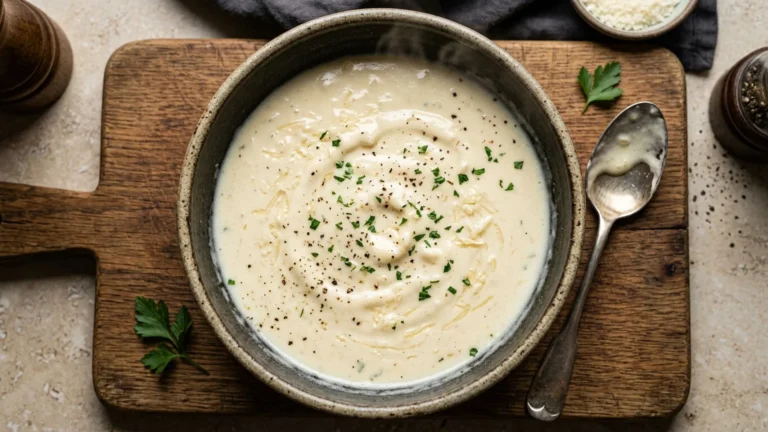
Keep in mind that color matters in some dishes too. Worcestershire is dark, so in a pale cream sauce a heavy pour of dark soy or balsamic can turn it muddy. In those cases lean on lighter-colored umami like a pale miso dissolved in water, or use less of the dark substitute and make up the savory depth with a pinch of salt and a few drops of vinegar instead.
Substitutes to Approach With Caution
Not every suggested swap is a good idea. Plain lemon juice or plain vinegar alone will add acid but none of the savory depth, so your dish will taste sharp and thin. Ketchup alone is too sweet and tomato-forward to pass as Worcestershire. Barbecue sauce brings smoke and a lot of sugar that can take over a dish. Liquid smoke adds a note Worcestershire does not have. These can work in a pinch if you blend them with a salty umami source, but on their own they miss the mark. The principle to remember is that any single sweet or sour ingredient needs a savory, salty partner to read as a Worcestershire stand-in.
Frequently Asked Questions
What is the closest substitute for Worcestershire sauce?
The closest single bottle is a steak sauce like A1, used 1:1, because it shares the tangy, sweet, and savory base. If you want a homemade blend, mix one tablespoon of soy sauce, one teaspoon of vinegar, and a pinch of sugar per tablespoon of Worcestershire. That blend covers the umami, salt, acid, and sweetness of the original almost seamlessly.
Can I use soy sauce instead of Worcestershire sauce?
Yes, soy sauce is a solid 1:1 substitute for the umami and salt of Worcestershire. It lacks the acid and sweetness, so for a closer match add a few drops of vinegar and a small pinch of sugar. Soy sauce works especially well in marinades, braises, and tomato-based dishes that already contribute their own tang.
Is there a vegan substitute for Worcestershire sauce?
Yes. Standard Worcestershire contains anchovies, so for a vegan version combine soy sauce or tamari, a splash of cider or balsamic vinegar, a little molasses or maple syrup, and pinches of garlic powder, onion powder, ginger, and clove. A small dab of miso adds the briny depth the anchovies normally provide. Several brands also sell ready-made vegan Worcestershire.
Is Worcestershire sauce gluten-free?
Often it is not. Many traditional and mainstream Worcestershire sauces contain malt vinegar made from barley, which contains gluten. For a gluten-free swap, use tamari plus a gluten-free vinegar and a pinch of sugar, or use naturally gluten-free coconut aminos. Always read the label rather than assuming the sauce is safe.
Can I use fish sauce instead of Worcestershire?
Yes, fish sauce is a 1:1 swap that nails the fermented umami and salt, which are the hardest notes to replace. Start with slightly less because it is potent, and add a pinch of sugar and a drop of vinegar to round it out. It is excellent in stews, dressings, and marinades, but use a light hand in anything where you do not want a seafood note.
What can I use in a Bloody Mary without Worcestershire?
For a Bloody Mary, blend a splash of soy sauce with a little pickle or olive brine and a few drops of hot sauce to recreate the savory, salty, tangy backbone Worcestershire provides. A very small amount of fish sauce also works but use it sparingly so the drink does not taste fishy. Adjust the salt and acid to taste before pouring.
The Takeaway
A substitute for Worcestershire sauce is never out of reach once you stop thinking of it as one mysterious ingredient and start seeing it as five jobs: umami, salt, acid, sweet, and aromatic complexity. Match those jobs and you can build a stand-in from soy sauce, vinegar, sugar, and a few pantry spices in under a minute. Pick the swap that fits your dish and your diet, taste it before it goes in, and adjust. For most cooking, the soy-vinegar-sugar blend or a 1:1 hit of fish sauce or A1 will carry you through with no one the wiser, and you may end up preferring your homemade version to the bottle you ran out of.