
Is fish sauce gluten free? In its purest form, yes: traditional fish sauce is made from just anchovies, salt, and water, none of which contain gluten, so a classic bottle is naturally safe for people avoiding wheat. The problem is that not every bottle on the shelf is traditional. Some manufacturers, especially a handful of brands sold in North America, add wheat, hydrolyzed wheat protein, or other gluten-containing flavor enhancers, which turns a naturally safe condiment into one that can trigger a reaction. So the honest answer is that fish sauce is usually gluten-free but not guaranteed gluten-free, and if you have celiac disease the only reliable way to know is to read the ingredient panel on the specific bottle in your hand.
This guide breaks down exactly which fish sauces are safe, which ingredients signal hidden gluten, how to decode labels on imported bottles that are not always clear, how fish sauce compares to soy sauce on gluten risk, how to stay safe at restaurants, and what to use if you want a fish-free or extra-cautious alternative. By the end you will be able to glance at a bottle and know whether it belongs in a gluten-free kitchen.
Why Pure Fish Sauce Is Naturally Gluten-Free
Authentic fish sauce, known as nuoc mam in Vietnam and nam pla in Thailand, is one of the simplest fermented foods in the world. Whole anchovies are packed in salt, sometimes at a ratio of around three parts fish to one part salt, and left to ferment in barrels or vats for a year or more. During that long fermentation the fish proteins break down into amino acids, especially glutamate, which is what gives fish sauce its deep savory punch. The liquid that drains off is the sauce. There is no grain in this process at all, which is the key reason pure fish sauce is naturally gluten-free. This is actually a meaningful difference from soy sauce, which traditionally uses wheat as one of its two primary ingredients. With fish sauce, gluten is never part of the authentic recipe; it only ever shows up as an added extra, which makes a clean-label bottle a safe bet.
Look for a short ingredient list. The safest bottles read something like “anchovy extract, salt, water” and sometimes “sugar.” That is the signature of a traditional sauce, and it is the list you want to see when you are cooking gluten-free. A from-scratch sauce-based dish, like a properly built oyster sauce substitute, becomes trivially safe once every bottle in it carries a clean label like this.
Where Hidden Gluten Sneaks Into Fish Sauce
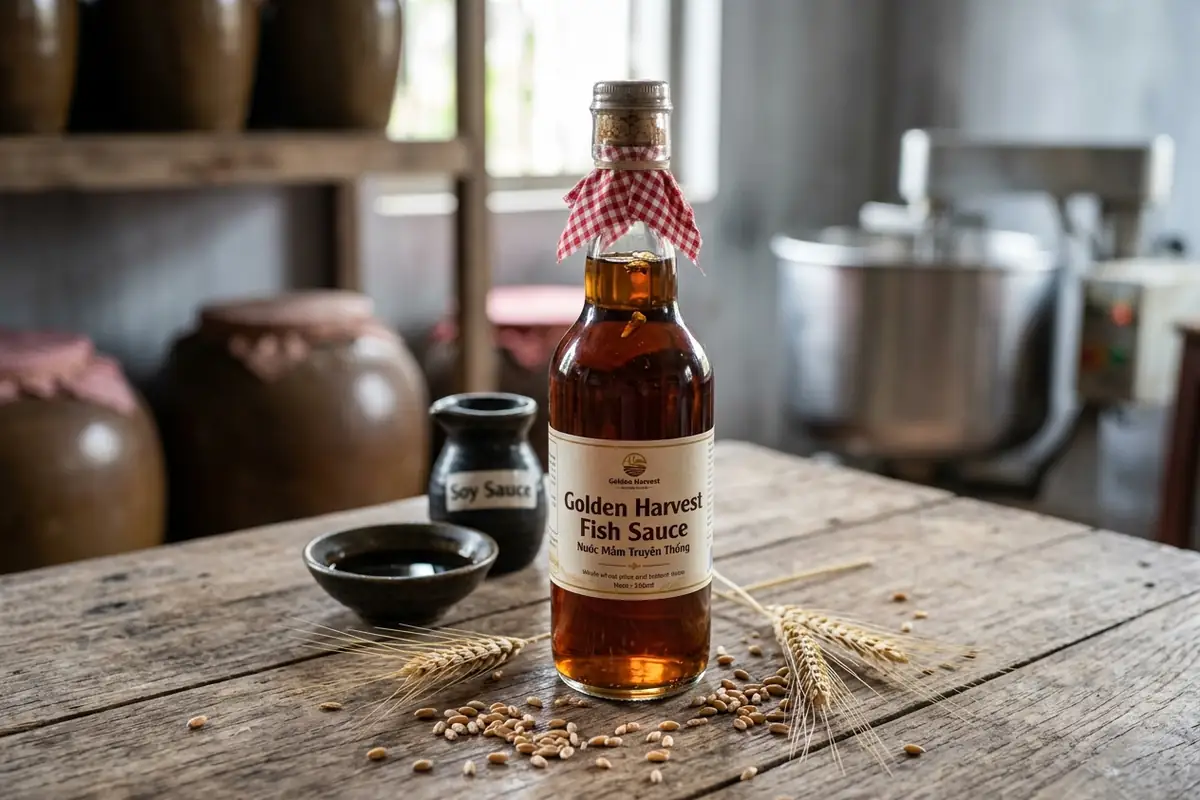
The risk comes entirely from additives, and there are a few specific ones to watch for. The biggest culprit is hydrolyzed wheat protein, sometimes listed as hydrolyzed vegetable protein where the vegetable is wheat. Manufacturers add it to boost the savory, umami flavor cheaply, and because it is wheat-derived it carries gluten unless the product is specifically processed and labeled gluten-free. A second risk is added wheat itself, which a few cheaper or blended sauces include as a flavor base. A third, subtler one is when a “fish sauce” is actually a seasoned sauce or a fish-sauce-based blend that includes soy sauce, since wheat-based soy sauce drags gluten in with it.
The practical screening rule is simple: scan the ingredient list for the words wheat, hydrolyzed wheat protein, hydrolyzed vegetable protein, and soy sauce. If none of those appear and the list is short, the sauce is almost certainly safe. If any appear and there is no gluten-free statement, treat the bottle as unsafe. Do not rely on the country of origin or on the dish sounding “authentic,” because a wheat additive can show up in an imported bottle just as easily as a domestic one.
Fish Sauce Brands That Are Gluten-Free
Several widely sold brands make fish sauce that is either naturally gluten-free or explicitly labeled gluten-free, which removes the guesswork. The list below reflects brands commonly recognized as safe, but labels and formulas can change, so confirm the panel on your bottle before you buy.
| Brand | Typical ingredients | Gluten status |
|---|---|---|
| Red Boat | Anchovy, sea salt | Naturally gluten-free, no additives |
| Thai Kitchen Premium | Anchovy, salt, sugar | Labeled gluten-free |
| Squid Brand | Anchovy extract, salt, sugar | Generally gluten-free, check label |
| Three Crabs | Anchovy extract, salt, sugar, water | Generally gluten-free, check label |
| KA-ME | Anchovy, salt, water | Labeled gluten-free, no MSG |
| Megachef | Anchovy, salt, sugar, fructose | Generally gluten-free, check label |
Red Boat is the brand most often recommended for strict gluten-free cooking because its standard fish sauce contains only anchovy and sea salt, with nothing else to worry about. Thai Kitchen and KA-ME carry an explicit gluten-free label, which is reassuring for anyone who wants a printed guarantee rather than a clean ingredient list alone. The brands marked “check label” are typically safe in their classic versions but may sell flavored or blended variants, so the rule still holds: read the specific bottle.
Brands and Products to Approach With Caution
The fish sauces that cause trouble are usually the ones that add a flavor enhancer or are sold as a seasoned blend rather than a pure sauce. Watch for products labeled as “fish sauce seasoning,” “fish gravy,” or a value blend, since these are the ones more likely to include hydrolyzed wheat protein or added wheat. Some older or regional bottles list wheat outright, which is exactly the situation that surprises long-time users who assumed all fish sauce was safe. The lesson from the celiac community is to treat fish sauce with the same caution you would give soy sauce: assume nothing, and verify every new bottle and every reformulation. A bottle you bought safely last year can change its recipe, so glance at the panel even on a brand you trust.
How to Read Labels on Imported Bottles
Imported Asian fish sauces are sometimes the hardest to evaluate because allergen labeling standards differ by country and the English ingredient list can be small or partial. Here is how to handle them. First, find the ingredient list, which on imported bottles is often on a small applied sticker in English; if there is no English list at all, be cautious. Second, look for the words wheat or hydrolyzed wheat protein specifically, since those are the gluten markers. Third, check for a “Contains: wheat” allergen line, which products sold in the United States are required to carry if wheat is present, making that line a reliable shortcut. Fourth, look for a gluten-free symbol or statement, which is the strongest signal of all. If a bottle has a clean, short ingredient list and a US allergen statement that does not mention wheat, it is almost certainly safe even if it was made abroad. If the labeling is ambiguous and you have celiac disease, choose a bottle that clearly states gluten-free instead. When you are unsure of a store-bought bottle, building your own sauce gives you total control, and the same logic that makes a homemade hoisin sauce substitute reliably gluten-free applies to any sauce you mix yourself.
Fish Sauce vs Soy Sauce: The Gluten Difference
People often lump fish sauce and soy sauce together because both are dark, salty, fermented umami boosters, but their gluten risk is genuinely different, and understanding why helps you shop smarter.
Soy sauce starts with wheat
Traditional soy sauce is brewed from soybeans and wheat in roughly equal measure, so wheat, and therefore gluten, is baked into the standard recipe. To get gluten-free soy sauce you have to choose a special version, either tamari made with little or no wheat or a rice-based wheat-free soy sauce. In other words, regular soy sauce is unsafe by default. For a full breakdown of the safe options there, our guide to gluten free soy sauce covers the brands and substitutions in detail.
Fish sauce starts gluten-free
Fish sauce is the opposite. Its authentic recipe has no grain at all, so the default product is gluten-free and the gluten only appears when a manufacturer chooses to add it. That means with fish sauce you are screening for an exception, while with soy sauce you are screening for the safe minority. Practically, this makes fish sauce the easier of the two to keep gluten-free: pick a clean-label anchovy-and-salt bottle and you are done.
Cross-Contamination and Restaurant Safety
Even a gluten-free bottle at home does not protect you when you eat out, and Southeast Asian restaurants deserve specific attention because fish sauce is everywhere in the cuisine, often combined with other sauces. The fish sauce a kitchen uses might be a blended seasoning that contains wheat, and dipping sauces like nuoc cham are mixed in-house with ingredients you cannot see. On top of that, shared woks, fryers, and utensils can carry traces of gluten from a wheat-based soy or a battered dish cooked moments earlier. If you have celiac disease, ask three things: whether the fish sauce they cook with lists wheat, whether dishes can be made in a clean pan, and whether the dipping sauces contain soy sauce. Many strict eaters carry a small bottle of a trusted gluten-free fish sauce or simply order dishes that are seasoned at the table so they control the final sauce. Treat the sauce, not the protein or vegetable, as the most likely hidden source.
Gluten-Free and Fish-Free Alternatives
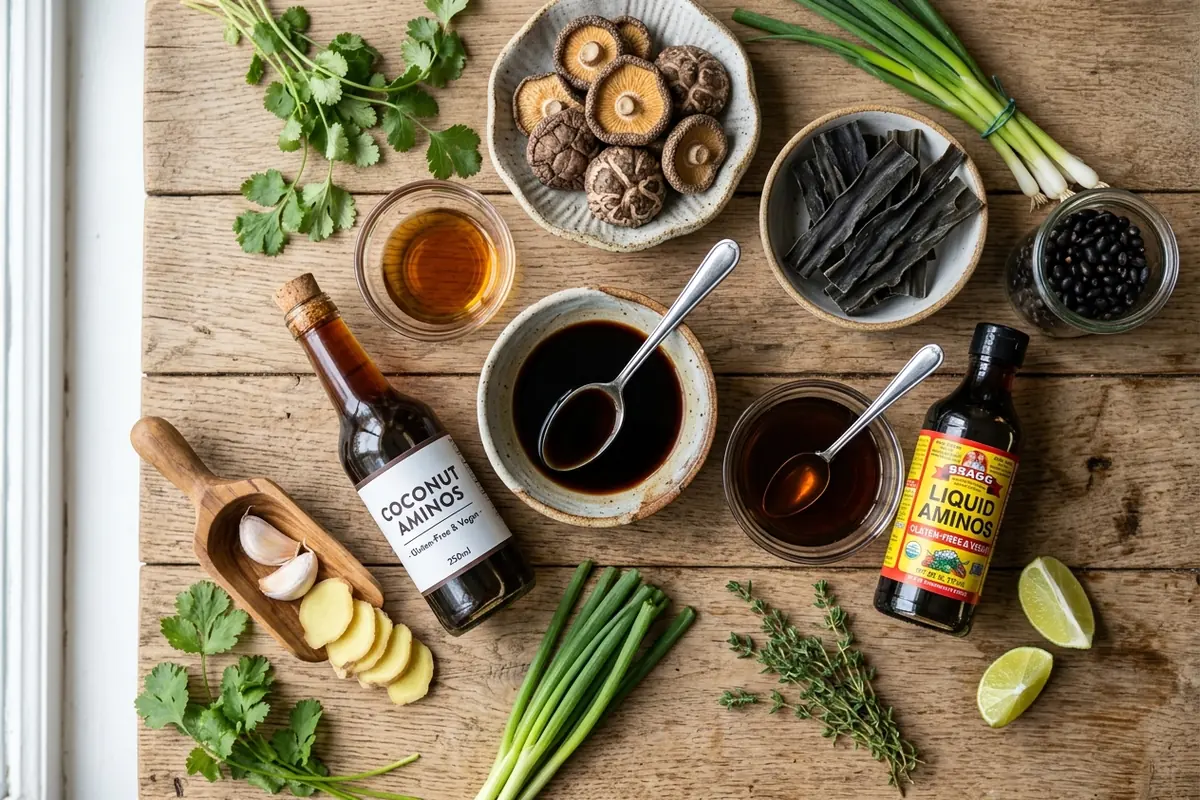
Sometimes you want the savory depth of fish sauce but cannot use the real thing, whether because the only bottle available lists wheat, because someone at the table has a fish allergy, or because you keep a vegan kitchen. A few alternatives deliver similar umami while staying gluten-free.
- Vegan fish sauce: Commercial versions built from seaweed, mushrooms, and salt mimic the briny savory note and are usually gluten-free, but confirm the label since some add soy sauce.
- Coconut aminos: Made from fermented coconut sap, this is gluten-free, soy-free, and fish-free, a touch sweeter and less salty, so use a little more and add a pinch of salt.
- Liquid aminos: Derived from soybeans, gluten-free, and savory; not fish-free, but a good stand-in for the salt-and-umami role.
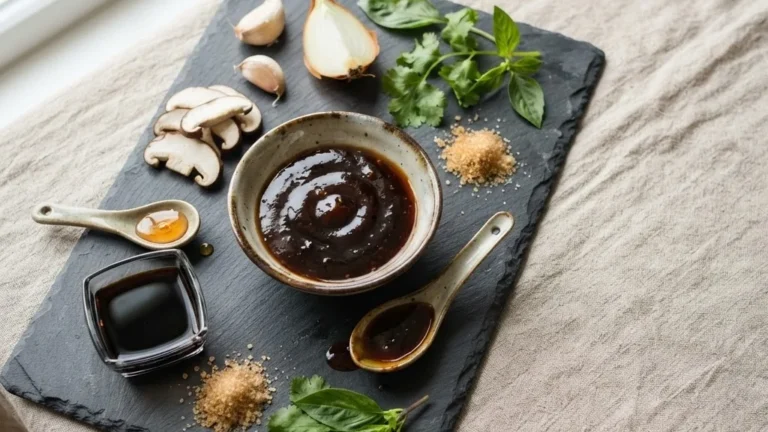
- Homemade seaweed-mushroom brine: Simmer dried shiitake and a strip of kombu in salted water, then reduce, for a fish-free umami liquid you control completely.
None is an exact copy of a real anchovy sauce, which has a particular funk that is hard to replicate, but each keeps a dish gluten-free and adds the savory backbone that fish sauce normally provides. Reach for the alternative that also matches your other dietary needs. If you want to compare bottles on flavor before you commit to a brand, test kitchens such as America’s Test Kitchen and Bon Appetit have tasted fish sauces side by side and tend to favor the cleaner, higher-anchovy bottles that also happen to be the safest gluten-free choices.
Why Fish Sauce Matters in a Gluten-Free Kitchen
When you cut out wheat, the first thing that disappears from a lot of cooking is the easy umami that soy sauce and many bottled condiments used to deliver. That is where a clean bottle of fish sauce earns its place. A few drops add the same deep, savory, mouth-filling quality that makes a dish taste finished, and because pure fish sauce carries no grain, it does this without any gluten risk. It is one of the most efficient flavor tools you can keep on hand: a teaspoon stirred into a stir-fry, a dressing, a braise, or a dipping sauce raises the savory floor of the whole dish. For gluten-free cooks who miss the depth that wheat-based sauces used to provide, fish sauce quietly fills that gap.
It also pairs well with the other gluten-free building blocks you are likely already using. A splash of fish sauce alongside gluten-free soy sauce or tamari, a little citrus, and a touch of sugar is the backbone of countless Southeast Asian dressings and marinades, all of which can be built entirely gluten-free once each bottle is clean. The point is not just that fish sauce is safe; it is that it actively makes gluten-free food taste better, which is why it is worth the small effort of finding a trustworthy bottle.
A Quick Buying Checklist
To make shopping fast, run any bottle through this short mental checklist before it goes in the cart. First, is the ingredient list short, ideally just anchovy, salt, and maybe sugar or water? A short list is the best single signal. Second, does the allergen line stay silent on wheat, or is there a clear gluten-free statement? Either one is reassuring. Third, is it sold as a pure fish sauce rather than a “seasoning,” “gravy,” or value blend, which are the formats more likely to carry additives? Fourth, if it is imported and the English labeling is thin, are you confident enough for celiac-level safety, or would a clearly labeled bottle be the smarter pick? Run those four checks and you will rarely guess wrong. When even that feels like too much risk for a sensitive household, mixing your own sauces from clean single ingredients sidesteps the question entirely.
How to Store Fish Sauce
Storage is easy because fish sauce is heavily salted, and salt is a natural preservative. An unopened bottle lasts a very long time on the shelf, often years. Once opened, it stays safe at room temperature, though refrigerating it after opening helps preserve the brightness of the flavor and slows the gradual darkening that happens over time. Do not judge a bottle by smell, since the pungent, funky aroma is completely normal and not a sign that anything is wrong. Keep the cap tight to limit air exposure, and a little color change or sediment is nothing to worry about. None of this affects gluten status, which is fixed by the ingredients; storage only affects flavor. A well-kept bottle of clean-label fish sauce is a reliable, shelf-stable way to add safe savory depth to gluten-free cooking for a long time.
Frequently Asked Questions
Is fish sauce gluten-free?
Pure fish sauce made from only anchovies, salt, and water is naturally gluten-free. The risk comes from added ingredients like hydrolyzed wheat protein or wheat that some brands include. Always read the ingredient list, and choose a clean-label or certified gluten-free bottle if you have celiac disease.
Which fish sauce brands are gluten-free?
Red Boat, Thai Kitchen Premium, KA-ME, Squid Brand, Three Crabs, and Megachef are commonly considered gluten-free in their classic versions, and Red Boat contains only anchovy and salt. Confirm the label on your specific bottle, since brands sometimes sell flavored or blended variants that differ.
What ingredient makes some fish sauce contain gluten?
Hydrolyzed wheat protein is the main culprit, sometimes listed as hydrolyzed vegetable protein from wheat, and added to boost savory flavor. Some blends also include added wheat or soy sauce. Scan the ingredient list for wheat and hydrolyzed protein, and check the allergen line for a u0022Contains: wheatu0022 warning.
Is fish sauce safer than soy sauce for gluten?
Generally yes. Traditional soy sauce is brewed with wheat, so regular soy sauce contains gluten by default and you must seek out a gluten-free version. Fish sauce is gluten-free by default and only contains gluten when a brand adds it, so screening one clean-label bottle is usually all you need.
Is fish sauce gluten-free at restaurants?
Not always. Kitchens may use a blended fish sauce seasoning that contains wheat, dipping sauces are mixed in-house, and shared woks can cross-contaminate. If you have celiac disease, ask whether their fish sauce lists wheat and whether the dish can be made in a clean pan, or order food seasoned at the table.
What can I use instead of fish sauce if I need it gluten-free or fish-free?
Vegan fish sauce made from seaweed and mushrooms, coconut aminos, and liquid aminos are gluten-free options, with coconut aminos and vegan fish sauce also being fish-free. A homemade brine of simmered shiitake and kombu gives a savory, fish-free, gluten-free umami liquid you fully control.
Bottom Line
Fish sauce is one of the easier umami boosters to keep gluten-free, because the authentic recipe is just fish and salt, with no grain involved. The only real danger is added wheat or hydrolyzed wheat protein in certain blended or value bottles, so your single job is to read the ingredient list and pick a short, clean one or a labeled gluten-free product. Brands like Red Boat, Thai Kitchen, and KA-ME make that simple. Stay alert with imported bottles, watch the allergen line, and remember that restaurants and dipping sauces are where hidden gluten usually hides. Keep a trusted bottle sealed in the fridge and you will always have a safe, savory backbone for gluten-free cooking.