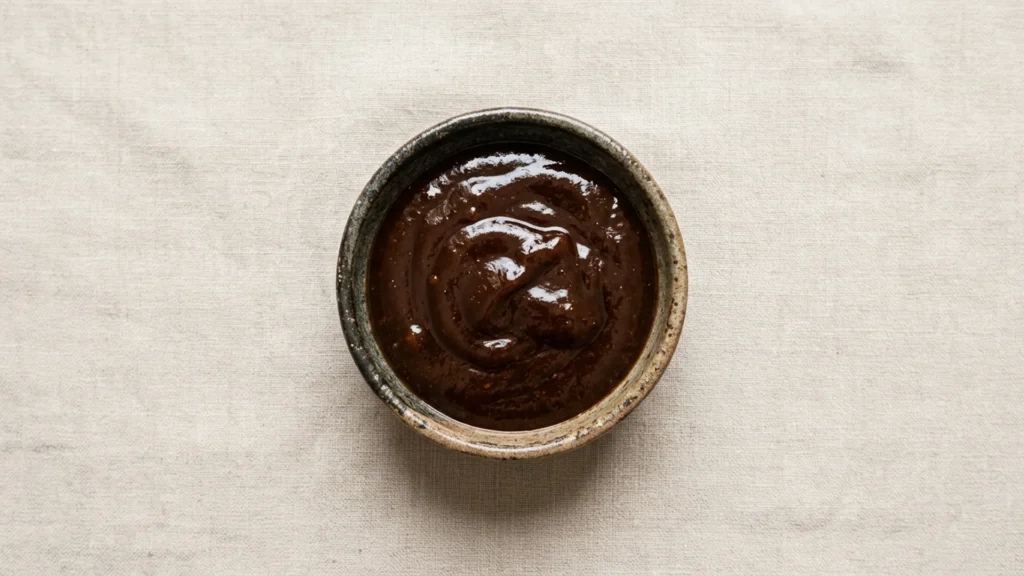
A hoisin sauce substitute needs to hit three notes at once: sweet, salty, and savory, with a thick body that clings to meat and vegetables. Hoisin is a fermented soybean sauce thickened with sugar and seasoned with garlic, vinegar, and Chinese five spice, so the trick to replacing it is not finding one magic ingredient but rebuilding that sweet-salty-umami balance from what you already have. The fastest reliable swap is two tablespoons of soy sauce mixed with one tablespoon of peanut butter and one to two teaspoons of honey, which gives you the right thickness and the right flavor in about a minute. But the best substitute depends on what you are cooking, whether you need it gluten-free or vegan, and whether the hoisin is a glaze, a stir-fry seasoning, or a dipping sauce.
This guide gives you exact ratios for every common swap, tells you which one to reach for in each situation, and flags the dietary details that most substitute lists skip. You will get quick pantry fixes, a five-minute homemade blend that tastes close to the real thing, and a clear sense of how each option changes the dish so you can adjust with confidence instead of guessing.
What Hoisin Sauce Actually Tastes Like
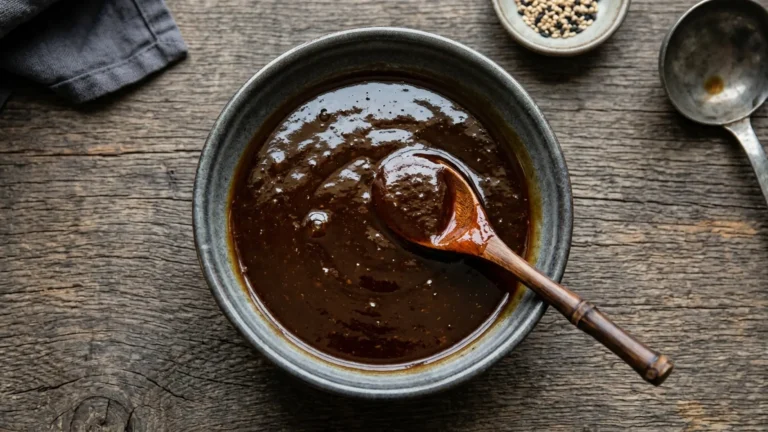
Before you can replace hoisin, it helps to know exactly what you are trying to copy. Hoisin is built on fermented soybean paste, which carries deep savory umami, the same backbone you find in miso and soy sauce. On top of that base, sugar or molasses adds a thick, almost jammy sweetness, while garlic, rice vinegar, sesame, and Chinese five spice add sharpness, tang, and a warm anise-clove aroma. The texture matters as much as the taste: hoisin is glossy and thick, closer to barbecue sauce than to thin soy sauce, which is why it coats a duck pancake or a stir-fry so well. A good substitute has to deliver all three layers, the umami, the sweetness, and the thickness, or the dish will taste flat, thin, or one-dimensional. Once you see hoisin as a salty-sweet-savory paste rather than a single flavor, the swaps below make sense.
The Fastest Pantry Substitute: Soy Sauce, Peanut Butter, and Honey
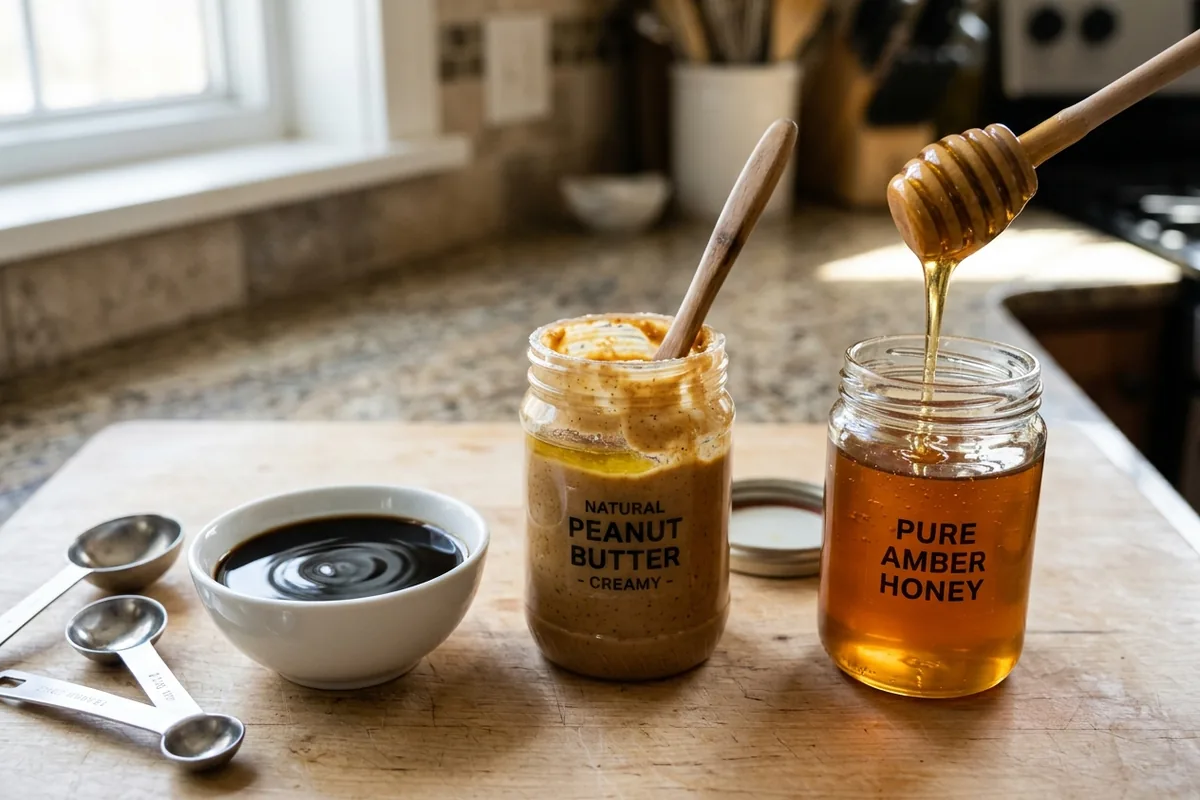
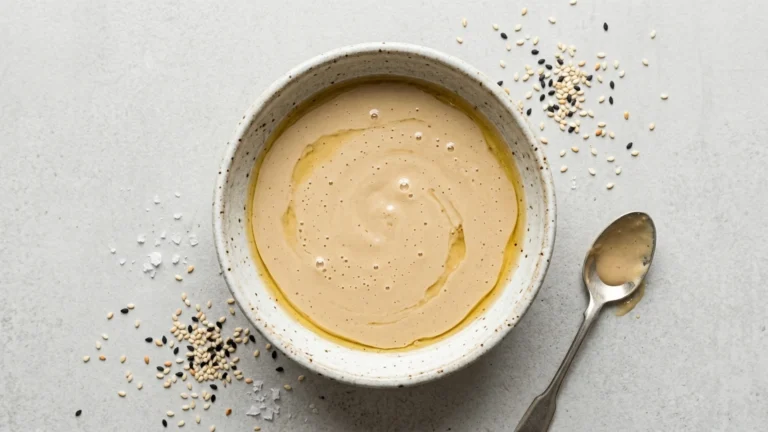
If you want one answer, this is it. Combine 2 tablespoons of soy sauce, 1 tablespoon of creamy peanut butter, and 1 to 2 teaspoons of honey, and whisk until smooth. The soy sauce supplies the salty umami, the peanut butter brings body and a nutty depth that stands in for the fermented-bean richness, and the honey delivers the sweetness. This mix lands remarkably close to real hoisin in both flavor and texture, and it works in almost any cooked application: brushed on ribs, stirred into a stir-fry, or folded into a marinade. If you want it more authentic, add a pinch of Chinese five spice and a small grate of garlic. The peanut butter is doing the heavy lifting on texture, so do not skip it if you can help it; without it the mix turns thin and tastes more like sweet soy than hoisin. For a nut-free version, swap the peanut butter for tahini or sunflower seed butter at the same ratio.
Single-Ingredient Swaps and Their Ratios
When you do not want to mix anything, several pantry staples can cover for hoisin on their own, as long as you adjust the amount to account for their different strength and salt level. None is a perfect one-to-one match, so use these ratios as a starting point and taste as you go.
| Substitute | Ratio (per 3-4 tbsp hoisin) | What changes |
|---|---|---|
| Barbecue sauce | Use about the same amount, plus 1 tsp soy sauce | Smokier and tangier; closest texture match |
| Soy sauce | Use about half, plus a little sugar or honey | Thinner and saltier; lacks sweetness alone |
| Oyster sauce | Use about the same, plus a pinch of sugar | More savory and briny, less sweet |
| Miso paste | Use about 1/4, thinned with water and sweetened | Much stronger and saltier; thin before use |
| Teriyaki sauce | Use about the same, reduce other sweeteners | Sweeter and thinner; good for glazes |
Barbecue sauce is the standout single swap because it already shares hoisin’s thick, sweet, tangy character; a teaspoon of soy sauce pushes it toward that fermented depth. If you keep a homemade batch of homemade BBQ sauce on hand, it is the easiest one-ingredient stand-in you have. Miso is the trickiest because it is concentrated and very salty, so start small, thin it, and sweeten it before you commit.
The Five-Minute Homemade Hoisin Blend
When you want something that tastes genuinely like hoisin rather than just hoisin-adjacent, this slightly longer blend is worth the extra minute. Whisk together 4 tablespoons soy sauce, 2 tablespoons peanut butter or black bean paste, 1 tablespoon honey or molasses, 2 teaspoons rice vinegar, 1 small clove garlic grated, 1/4 teaspoon Chinese five spice, and a few drops of sesame oil. The black bean paste, if you have it, is the secret to real authenticity because it mirrors hoisin’s fermented-soybean base directly, while the molasses gives a darker, more caramel sweetness than honey. The five spice and sesame oil are what make people stop and ask what is in the sauce; they supply the aromatic warmth that separates hoisin from a generic sweet soy mixture. This blend keeps in the refrigerator for up to a week in a sealed jar, so it is worth making a double batch if you cook Asian-style food often. Use it anywhere a recipe calls for hoisin, one to one.
Best Substitute by Use Case
Most substitute lists hand you a pile of options without telling you which to use when, so here is the practical guidance. The right swap changes depending on the job hoisin is doing in the recipe.
For glazing meat (ribs, pork, duck, chicken)
Reach for barbecue sauce plus a splash of soy sauce, or the five-minute blend with molasses. You want thickness and sweetness that caramelizes under heat, and both options deliver a glossy, sticky coat. The smoky note in barbecue sauce actually flatters grilled and roasted meat. A teriyaki-based mix also glazes beautifully, and if you are building one from scratch, the same principles behind a good homemade teriyaki sauce apply: balance the soy with enough sweetener to get that lacquered finish.
For stir-fries
The soy-peanut butter-honey mix shines here because it disperses evenly through the pan and coats vegetables and protein without pooling. Oyster sauce plus a pinch of sugar also works well and keeps the savory depth front and center. Add the substitute in the last minute of cooking so the sugars do not scorch.
For dipping (spring rolls, lettuce wraps, dumplings)
Here flavor is tasted directly and undiluted, so use the most authentic option you have: the five-minute blend, or hoisin-style duck sauce if you can find it. Barbecue sauce thinned slightly with soy and a few drops of sesame oil also makes a passable dipping sauce in a pinch.
Gluten-Free Hoisin Substitutes
This is where most substitute lists fall short, because nearly every common swap contains wheat. Regular soy sauce, most barbecue sauces, oyster sauce, and teriyaki almost always include wheat or gluten-containing ingredients, so they are off the table for anyone with celiac disease or a gluten sensitivity. The fix is to rebuild the same sweet-salty-savory blend using gluten-free components. Start with tamari or a certified gluten-free soy sauce in place of regular soy, use a gluten-free black bean paste or smooth peanut butter for body, and sweeten with honey or molasses. A working gluten-free version is 2 tablespoons tamari, 1 tablespoon peanut butter, 1 to 2 teaspoons honey, a pinch of five spice, and a small grated garlic clove. Always check the five spice and any prepared sauces for hidden wheat, since blends and barbecue sauces vary by brand. Coconut aminos can replace the tamari for a soy-free and gluten-free option, though it is sweeter and milder, so cut back on the added honey.
Vegan and Vegetarian Substitutes
Hoisin itself is usually vegan, but some store-bought versions and several common substitutes are not. Oyster sauce is made from oysters, so it is out for vegetarians and vegans, and a few barbecue sauces include anchovy or honey. To keep a hoisin substitute plant-based, build it from soy sauce or tamari, peanut butter or black bean paste, and a vegan sweetener like maple syrup, molasses, or agave instead of honey. The soy-peanut butter-maple mix at 2 tablespoons soy, 1 tablespoon peanut butter, and 1 tablespoon maple syrup is fully vegan and tastes close to the original. Mushroom-based vegetarian oyster sauce is another excellent option if you can find it, since it brings the same savory depth without animal products and is thick enough to mimic hoisin’s body.
How to Adjust and Fix a Substitute on the Fly
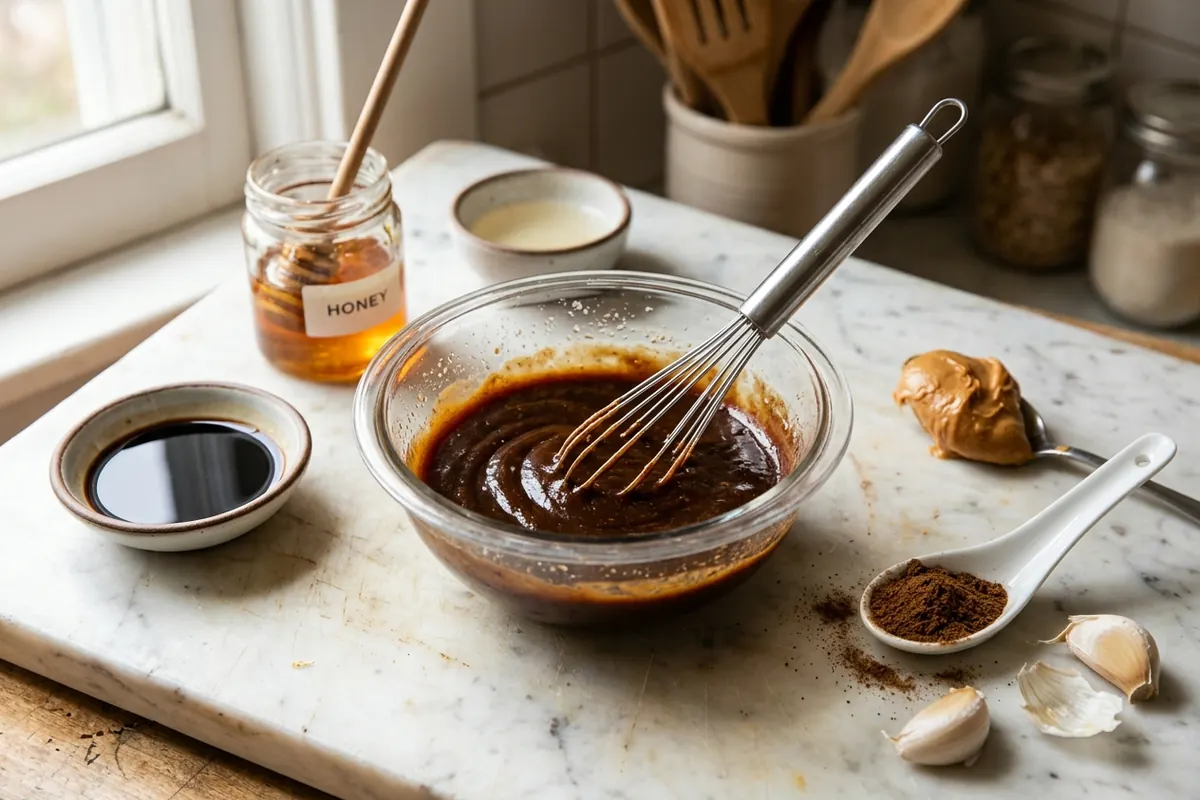
No substitute is going to be a flawless copy, so the real skill is tasting and correcting. If your swap tastes too thin, whisk in a little peanut butter, tomato paste, or a cornstarch slurry to thicken it. If it tastes too salty, which happens often when soy sauce or miso is the base, add more sweetener and a splash of water to dilute. If it tastes flat or generic, the missing piece is almost always the aromatics, so add a pinch of Chinese five spice, a grate of garlic, or a few drops of sesame oil and it will snap into focus. If it is too sweet, a teaspoon of rice vinegar or soy sauce cuts through and rebalances it. Keep these four levers in mind, thickness, salt, sweetness, and aromatics, and you can steer almost any rough mixture toward something that reads as hoisin. The same balancing instinct helps when you are building richer sauces from scratch, the way a long-simmered homemade spaghetti sauce gets adjusted for salt and acid as it cooks.
Why Hoisin Is Hard to Replace Exactly
It helps to understand why no single ingredient nails hoisin, because that knowledge guides every fix. Hoisin is a compound sauce, meaning it is already a blend of many ingredients balanced against each other over a long production process, so swapping in one raw ingredient like soy sauce or oyster sauce only captures a slice of the whole. The fermented soybean paste at its core develops glutamate-rich umami over weeks or months, which is hard to fake instantly; the sugar is cooked down into the sauce so it is integrated rather than just sitting on top; and the five spice, garlic, and sesame are tuned to a specific aromatic profile. When you build a substitute, you are compressing that long process into a quick mix, which is why the closest results always combine an umami source, a sweetener, a thickener, and aromatics rather than relying on any one of them. The more of those four elements your substitute includes, the closer it lands. This is also why a thoughtful homemade blend almost always beats a single-bottle swap, even though the bottle is faster.
Common Mistakes When Substituting Hoisin
A few predictable errors trip up cooks reaching for a hoisin replacement, and avoiding them saves a dish. The first is forgetting the sweetness: people grab soy sauce or miso, taste an overly salty result, and assume the substitute failed, when the real problem is that they skipped the sugar or honey that hoisin always carries. The second is matching the salt incorrectly. Many swaps, especially soy sauce, miso, and oyster sauce, are saltier than hoisin, so using a straight one-to-one amount oversalts the dish; cutting the quantity and adding sweetener back fixes it. The third mistake is ignoring thickness, which leaves a watery sauce that slides off the food instead of clinging to it, easily corrected with peanut butter, tomato paste, or a cornstarch slurry. The fourth is adding the substitute too early when there is sugar involved, since the sweeteners scorch over high heat; stir sweet substitutes in near the end of cooking. Keep these four in mind and most substitution failures disappear before they happen.
Store-Bought Alternatives Worth Knowing
If you would rather grab a bottle than mix anything, a few ready-made sauces stand in for hoisin with little or no doctoring. Duck sauce and plum sauce share hoisin’s sweet-fruity profile and work well for dipping, though they lack its savory depth, so a splash of soy sauce rounds them out. Oyster sauce, as noted, brings strong umami but needs sugar to match hoisin’s sweetness. Char siu sauce, the Chinese barbecue sauce, is the closest commercial relative to hoisin and often interchangeable straight from the jar. Sweet bean sauce and black bean garlic sauce are also close cousins from the same family of fermented-soybean condiments. Reliable test kitchens such as America’s Test Kitchen and Bon Appetit regularly taste these condiments side by side, which is useful if you want to find a single bottle that matches your palate.
Frequently Asked Questions
What is the best substitute for hoisin sauce?
The best all-around substitute is a quick blend of 2 tablespoons soy sauce, 1 tablespoon peanut butter, and 1 to 2 teaspoons honey, which matches hoisin’s thickness and sweet-salty-savory flavor. For a single-bottle swap, barbecue sauce with a teaspoon of soy sauce is the closest pantry option.
Can I use soy sauce instead of hoisin sauce?
Yes, but soy sauce alone is thinner, saltier, and not sweet, so use about half the amount and add sugar or honey to make up the difference. Soy sauce works best as part of a blend with peanut butter or molasses rather than as a straight one-to-one replacement.
Is there a gluten-free hoisin sauce substitute?
Yes. Combine 2 tablespoons tamari or certified gluten-free soy sauce, 1 tablespoon peanut butter, 1 to 2 teaspoons honey, a pinch of five spice, and a little garlic. Check the five spice and any prepared sauces for hidden wheat, since barbecue and teriyaki sauces often contain gluten.
What can I use instead of hoisin sauce for stir-fry?
For stir-fries, the soy-peanut butter-honey mix or oyster sauce with a pinch of sugar work best because they coat ingredients evenly and keep the savory depth. Add the substitute in the last minute of cooking so the sugars do not scorch in the hot pan.
Is hoisin sauce the same as oyster sauce?
No. Hoisin is sweeter and built on fermented soybeans, while oyster sauce is more savory and briny, made from oyster extract. Oyster sauce can substitute for hoisin if you add a pinch of sugar, but it is not vegetarian and tastes noticeably less sweet.
How long does a homemade hoisin substitute last?
A homemade blend keeps in a sealed jar in the refrigerator for up to a week. Versions built on shelf-stable ingredients like soy sauce, molasses, and peanut butter last longest, while ones with fresh garlic or aromatics are best used within a few days for the brightest flavor.
Bottom Line
Replacing hoisin sauce comes down to rebuilding three things: salty umami, jammy sweetness, and a thick body, usually from soy sauce, a sweetener, and something with texture like peanut butter or barbecue sauce. The fastest reliable mix is 2 tablespoons soy sauce, 1 tablespoon peanut butter, and 1 to 2 teaspoons honey, and a pinch of Chinese five spice takes it from close to convincing. Match the swap to the job, barbecue sauce for glazing, the peanut blend for stir-fries, the full homemade version for dipping, and swap in tamari or coconut aminos plus a vegan sweetener when you need it gluten-free or plant-based. Taste as you go and adjust the salt, sweetness, thickness, and aromatics, and almost any rough substitute will carry the dish.