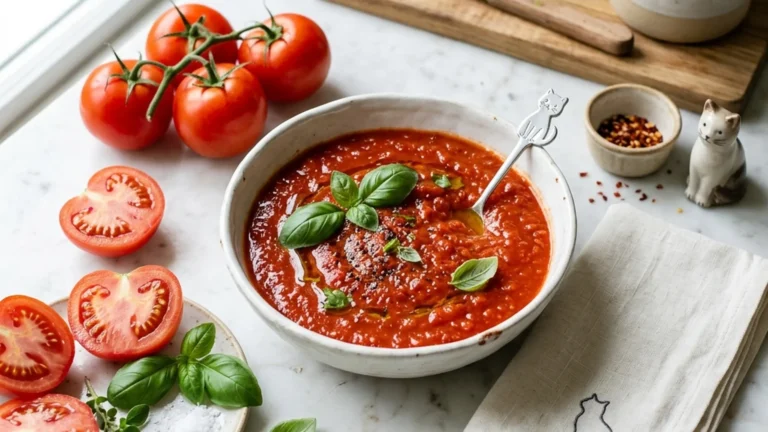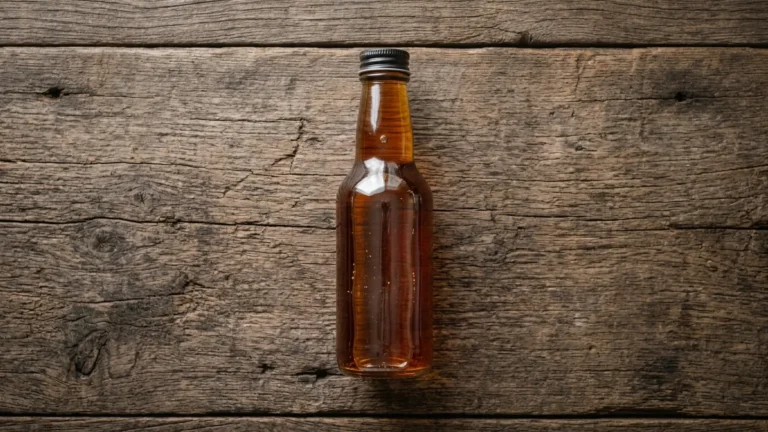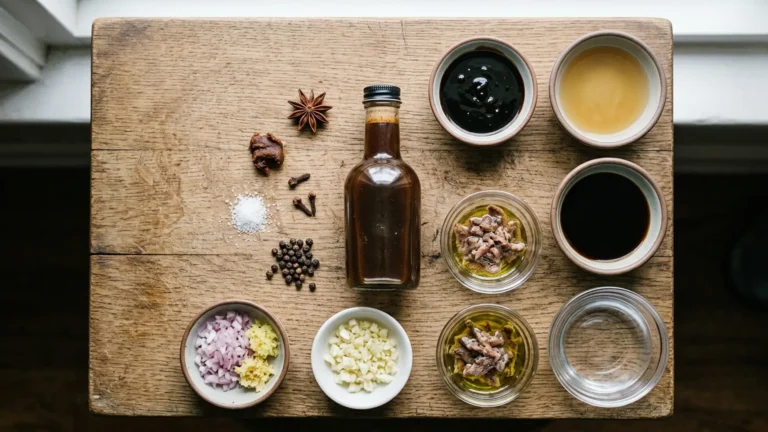
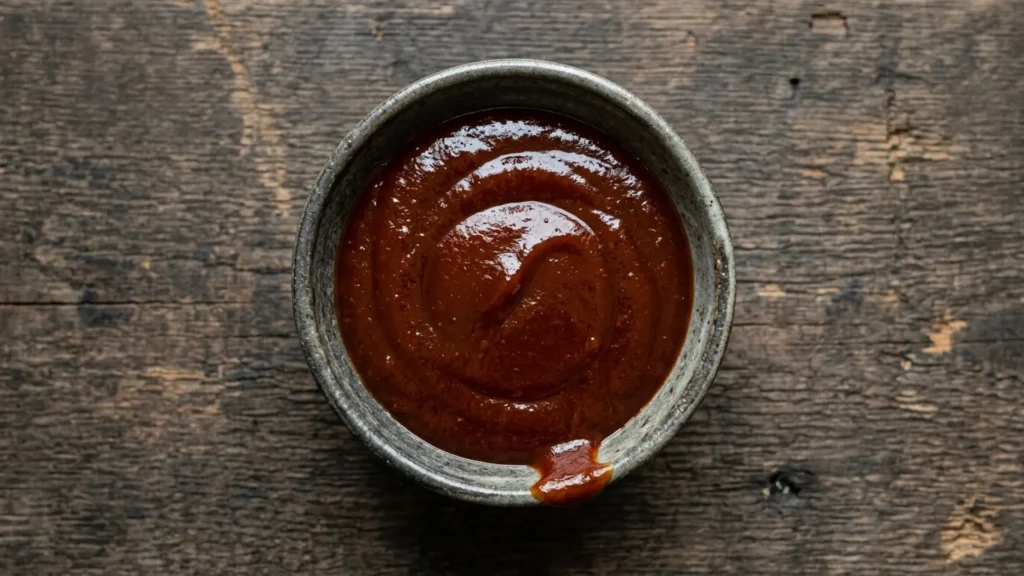
Homemade bbq sauce is built from a simple framework of sweet, tangy, savory, and smoky, and once you understand how those four flavors balance, you can make any regional style you want from one base. The standard American sauce most people love starts with a tomato base like ketchup, brown sugar or molasses for sweetness, vinegar for tang, and a handful of spices, simmered for about half an hour until it thickens and the raw edges mellow. It takes ten minutes of prep, costs a fraction of the bottled stuff, and tastes far better because you control the sweetness, the heat, and the smoke.
This guide gives a reliable base recipe, breaks down the four flavor pillars so you can adjust any batch, walks through the major regional styles from Kansas City to Carolina to Texas, explains why the sauce needs to rest, and covers how to thicken, store, and freeze it. There is a regional comparison table and a complete FAQ at the end.
The Four Flavors That Define BBQ Sauce
Every barbecue sauce, no matter the region, is a balance of four flavors, and learning to taste for them is what lets you fix or customize any batch. Sweetness comes from brown sugar, molasses, honey, or even the sugar in ketchup, and it gives the sauce body and that sticky, caramelizing quality. Tang comes from vinegar, apple cider vinegar most often, which cuts the sweetness and keeps the sauce lively rather than cloying. Savory and umami depth come from Worcestershire sauce, mustard, onion, garlic, and salt, which give the sauce its backbone. And smoke comes from smoked paprika, liquid smoke, or chipotle, which provides that essential barbecue character even when you are not cooking over wood.
When a sauce tastes off, it is almost always one of these four out of balance. Too sweet and it needs more vinegar. Too sharp and it needs more sugar or a longer simmer. Flat and it needs salt or Worcestershire. Missing something and it probably needs a smoky element. Keep these four in mind and you can adjust any sauce by taste.
A Reliable Base Recipe
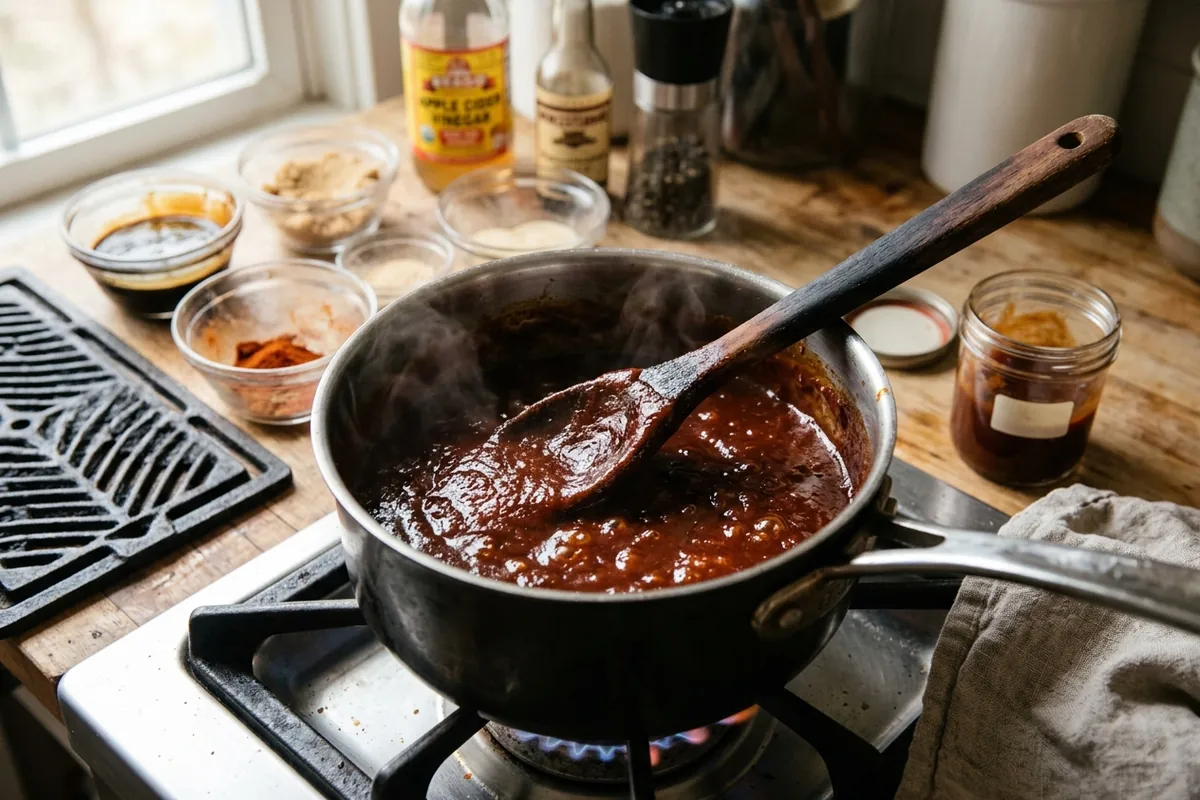
A dependable Kansas City-style base, the sweet and tangy tomato sauce most people picture, starts with about one and a half cups of ketchup as the base. To that add roughly half a cup of apple cider vinegar for tang, three-quarters of a cup of brown sugar for sweetness, a quarter cup of Worcestershire sauce for umami, a couple tablespoons of yellow mustard, a tablespoon of paprika, a couple teaspoons of onion powder, minced garlic, black pepper, and a little water to reach a pourable consistency. The molasses note in brown sugar is part of what makes it taste like classic barbecue.
The method is simple. Whisk everything together in a saucepan, bring it to a gentle boil, then reduce the heat and simmer uncovered for about thirty minutes, stirring occasionally, until it thickens and the flavors come together. Right off the heat it will taste sharp and a bit harsh from the vinegar; that is normal and it mellows dramatically after resting. Taste and adjust the balance before you call it done, leaning on the four pillars above.
Why You Have to Let It Rest
This is the step most people skip and the one that makes the biggest difference. Right after cooking, homemade barbecue sauce tastes raw, with the vinegar and spices standing out sharply and the flavors not yet married. After it cools and rests in the refrigerator for at least an hour, and ideally overnight, the flavors blend and round out, the harsh vinegar edge softens, and the sauce tastes balanced and deep. If you taste your sauce straight from the pan and think it is too tangy or too sharp, do not over-correct with sugar; let it rest first and taste again. The transformation is real, and it is why store-bought sauces, which have sat for a long time, taste so settled.
Regional Styles From One Base
American barbecue sauce is not one thing; it is a family of regional styles, and you can make any of them by shifting the balance of the base. Kansas City style is the thick, sweet, tomato-and-molasses sauce most people think of as barbecue sauce, the all-purpose crowd-pleaser. Texas style is thinner, less sweet, more savory and peppery, often with a bit of heat and beef-friendly spice, leaning away from sugar. Memphis style sits in between, tangy and balanced with a tomato and vinegar base.
The Carolinas go their own way. Eastern North Carolina uses a thin, sharp vinegar-and-pepper sauce with little or no tomato, made for pulled pork. South Carolina is famous for its mustard-based gold sauce, built on yellow mustard, vinegar, and sugar rather than ketchup. Alabama has a white sauce built on mayonnaise and vinegar for chicken. Knowing these lets you match the sauce to the meat: sweet tomato sauces for ribs and chicken, vinegar sauces for pulled pork, mustard sauces for pork as well.
| Style | Base | Character |
|---|---|---|
| Kansas City | Tomato and molasses | Thick, sweet, smoky |
| Texas | Tomato, less sugar | Thinner, savory, peppery |
| Eastern Carolina | Vinegar and pepper | Thin, sharp, tangy |
| South Carolina | Yellow mustard | Tangy, golden, savory |
| Alabama white | Mayonnaise and vinegar | Creamy, tangy, for chicken |
Adjusting Sweetness, Heat, and Smoke
The base recipe is a starting point, not a rule. To make it sweeter, add more brown sugar, honey, or a spoonful of molasses for a deeper, less sugary sweetness. To make it tangier, add more apple cider vinegar or a splash of yellow mustard. For heat, work in cayenne, hot sauce, chipotle in adobo, or red pepper flakes, building gradually since you cannot remove it. For more smoke without a smoker, smoked paprika is the cleanest route, and a few drops of liquid smoke go a long way, so add it sparingly because too much tastes artificial.
For a richer, more complex sauce, a spoonful of tomato paste deepens the tomato flavor and adds body beyond what ketchup alone gives. If you are deciding between using more ketchup or adding paste, our guide on tomato sauce versus paste explains how concentrated tomato products behave, which helps you build depth without making the sauce too thin or too sweet. A splash of bourbon, a little coffee, or a dab of fish sauce for umami are all worthwhile experiments once you have the base down.
Getting the Right Thickness
Barbecue sauce thickness is a matter of style and preference, from the thin Carolina vinegar sauces to the thick, clingy Kansas City glaze. The simplest way to thicken is to simmer it longer uncovered, which reduces the water and concentrates both the body and the flavor at once, the same way you would reduce any sauce. This is almost always the right method for barbecue sauce because it also deepens the taste. Adding a spoonful of tomato paste thickens and enriches simultaneously.
If you need to thicken it faster without reducing, you have other options, though they are less common for barbecue sauce since reduction does the job so well. Our guide on how to thicken sauce covers reduction, paste, and starch slurries and explains when each makes sense, so you can pick the method that fits. For most barbecue sauce, patience and a longer simmer beat any shortcut, since you want that concentrated, sticky quality that clings to ribs and chicken.
Using and Applying BBQ Sauce
How you apply barbecue sauce matters as much as the sauce itself. Because it is high in sugar, it burns easily over direct heat, so the rule is to brush it on near the end of cooking, in the last ten to fifteen minutes, and build it up in layers as the sugars caramelize into a glossy glaze. Saucing too early over a hot grill leads to a black, bitter crust. For grilled or smoked meats, sauce in the final stretch and serve extra sauce on the side. The same sweet tomato sauce that glazes ribs also works as a dip, a sandwich spread for pulled pork, a glaze for meatloaf, or a base for baked beans. For more cooking technique and sauce reading, America’s Test Kitchen at americastestkitchen.com and Bon Appetit at bonappetit.com are both reliable references.
Matching the Sauce to the Meat
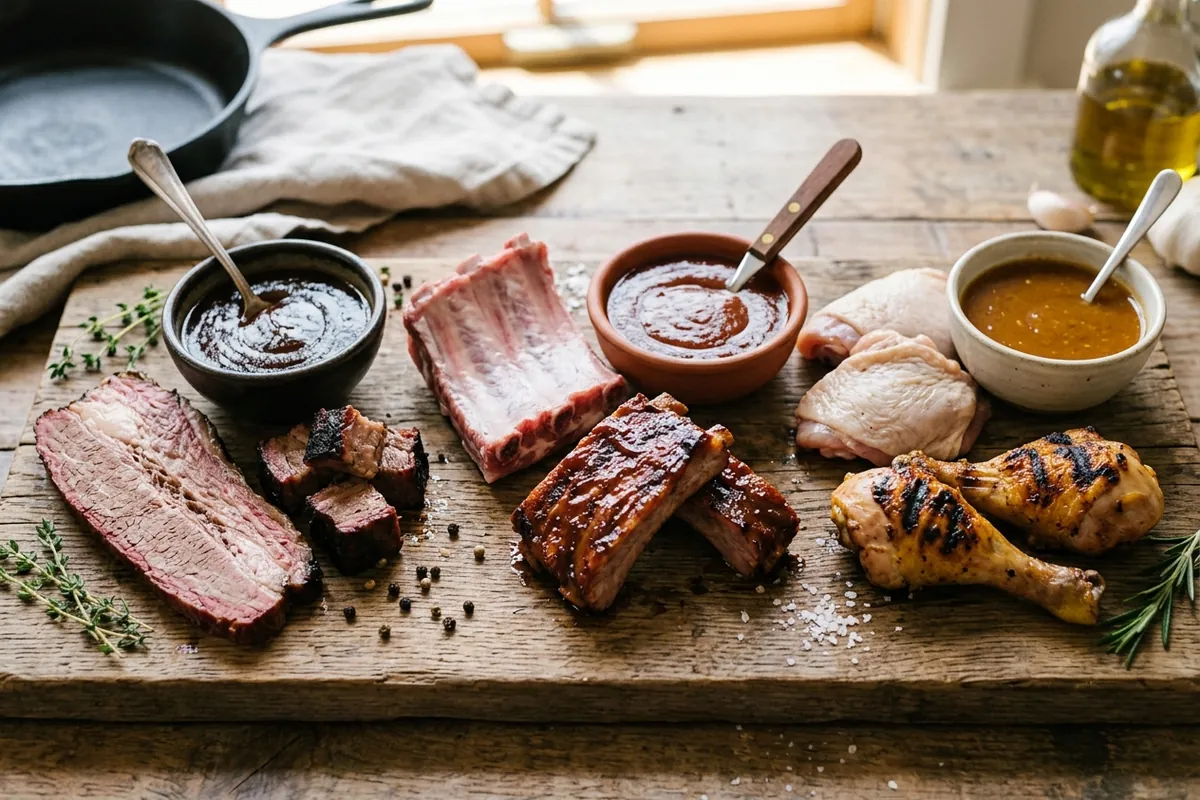
Part of what makes barbecue sauce satisfying is matching the style to what you are cooking, the way pitmasters across the country do. For pork ribs and chicken, a thick, sweet tomato-and-molasses Kansas City sauce is the natural fit, since its sugar caramelizes into a glossy, sticky glaze and its sweetness plays against the rich meat. For pulled pork, especially in the Carolina tradition, a thin, sharp vinegar-and-pepper sauce cuts through the fat and keeps the meat bright rather than heavy, and a mustard-based gold sauce does the same job with a tangy, savory twist.
For beef and brisket, a thinner, less sweet, more peppery Texas-style sauce lets the meat stay the star instead of burying it in sugar. For grilled or smoked chicken, the creamy Alabama white sauce is a regional favorite that clings beautifully and adds tang without tomato. You do not have to be strict about it, and a good all-purpose sweet sauce works on almost anything, but thinking about the meat helps you decide how sweet, how thick, and how tangy to make a batch. A heavier, fattier cut wants more acid to cut it; a leaner one can take more sweetness and body.
Building Deeper Flavor
The base recipe is good as written, but a few moves take a homemade barbecue sauce from solid to genuinely better than the bottle. Start by softening some real onion and garlic in a little oil before adding the rest of the ingredients, rather than relying only on powders; the fresh aromatics give a rounder, fuller savory base. Cooking a spoonful of tomato paste in that same oil for a minute before the liquids go in deepens the tomato flavor and adds a caramelized note that ketchup alone cannot reach.
From there, small additions build complexity. A spoonful of molasses adds a deep, slightly bitter sweetness that brown sugar alone does not have. A splash of bourbon or dark beer, simmered in, contributes warmth and depth. A little brewed coffee or espresso boosts the smoky, roasted character without tasting like coffee. A dash of fish sauce or soy sauce adds umami that makes the whole sauce taste meatier and more savory. The trick is restraint: add one or two of these, taste, and adjust, rather than throwing everything in at once. A focused sauce with a couple of well-chosen depth-builders beats a muddled one with ten competing flavors.
Common Mistakes to Avoid
The biggest mistake is judging the sauce straight off the heat, when it tastes sharp and raw, and then over-correcting with sugar. Let it rest first; most sauces that seem too tangy in the pan taste perfectly balanced after an hour in the refrigerator. The second mistake is saucing meat too early over direct heat, which burns the sugar into a bitter, blackened crust. Always brush barbecue sauce on in the last ten to fifteen minutes of cooking and build it in thin layers.
Other frequent errors include scorching the sauce during the simmer, which happens over too-high heat or without stirring, so keep it at a gentle bubble and stir occasionally. Going too heavy on liquid smoke is another; a few drops give a pleasant smokiness, but too much tastes harsh and artificial, so add it sparingly and taste. And under-seasoning with salt leaves even a sweet, tangy sauce tasting flat, so check the salt after the sauce has reduced and the flavors have concentrated. Avoid these and your sauce will taste balanced, smoky, and properly developed.
One more thing worth getting right is consistency from batch to batch. Because ketchup brands vary in sweetness and salt, and because how long you simmer changes the thickness and concentration, two batches of the same recipe can taste noticeably different. The fix is to treat the written recipe as a starting point and always finish by tasting and adjusting against the four pillars, sweet, tangy, savory, and smoky, after the sauce has reduced and rested. Once you find the balance you like, jot down the small tweaks you made, the extra spoonful of molasses or the splash of vinegar, so you can repeat your favorite version reliably the next time you make it.
Storage and Freezing
Homemade barbecue sauce stores well, which is part of why making a big batch is worth it. Cooled sauce keeps in an airtight container, a mason jar is ideal, in the refrigerator for up to one to two weeks, and the flavor only improves over the first few days as it continues to settle. For longer storage, it freezes well for up to three months; portion it into freezer-safe containers or bags, cool it completely first, and thaw it overnight in the refrigerator. Because the sauce is acidic and sugary, it keeps better than many homemade condiments. Always use a clean spoon when serving from the jar to avoid introducing contamination that shortens its life.
Frequently Asked Questions
What are the main ingredients in homemade BBQ sauce?
A classic sauce uses a tomato base like ketchup, brown sugar or molasses for sweetness, apple cider vinegar for tang, Worcestershire sauce and mustard for savory depth, and spices like paprika, onion powder, and garlic. Smoked paprika or liquid smoke adds the barbecue smoke character.
Why does my BBQ sauce taste too sharp or vinegary?
Fresh off the heat, barbecue sauce tastes raw and sharp because the flavors have not melded yet. Let it cool and rest in the refrigerator for at least an hour, ideally overnight, and it will round out and balance. If it is still too tangy after resting, add a little more sugar.
How do I thicken homemade BBQ sauce?
The best way is to simmer it longer uncovered, which reduces the water and concentrates the flavor and body together. A spoonful of tomato paste also thickens and deepens it. Reduction is preferred for barbecue sauce because it intensifies the taste rather than just adding bulk.
Can I make BBQ sauce without ketchup?
Yes. Use tomato sauce or tomato paste with added vinegar and sweetener to replace the ketchup, since ketchup is essentially tomato, vinegar, sugar, and spice already combined. You can also make ketchup-free regional styles like Carolina vinegar sauce or South Carolina mustard sauce.
When should I brush BBQ sauce on meat?
Apply it near the end of cooking, in the last ten to fifteen minutes, because the sugar burns easily over direct heat. Build it up in thin layers so the sugars caramelize into a glossy glaze instead of charring. Serve extra sauce on the side at the table.
How long does homemade BBQ sauce last?
Stored airtight in the refrigerator, it keeps one to two weeks and improves in the first few days. Frozen, it lasts up to three months; cool it fully, portion it, and thaw overnight in the refrigerator. Use a clean spoon when serving to keep it fresh longer.
Bottom Line
Homemade bbq sauce is a balancing act between sweet, tangy, savory, and smoky, and once you can taste for those four pillars you can build any style you want from one base. Start with the tomato-and-molasses Kansas City sauce, simmer it to meld and thicken, and then let it rest so the flavors round out, which is the step that makes it taste finished. Adjust the sweetness, heat, and smoke to your liking, brush it on near the end of cooking so it does not burn, and you will turn out a sauce that beats the bottle and stores for weeks.