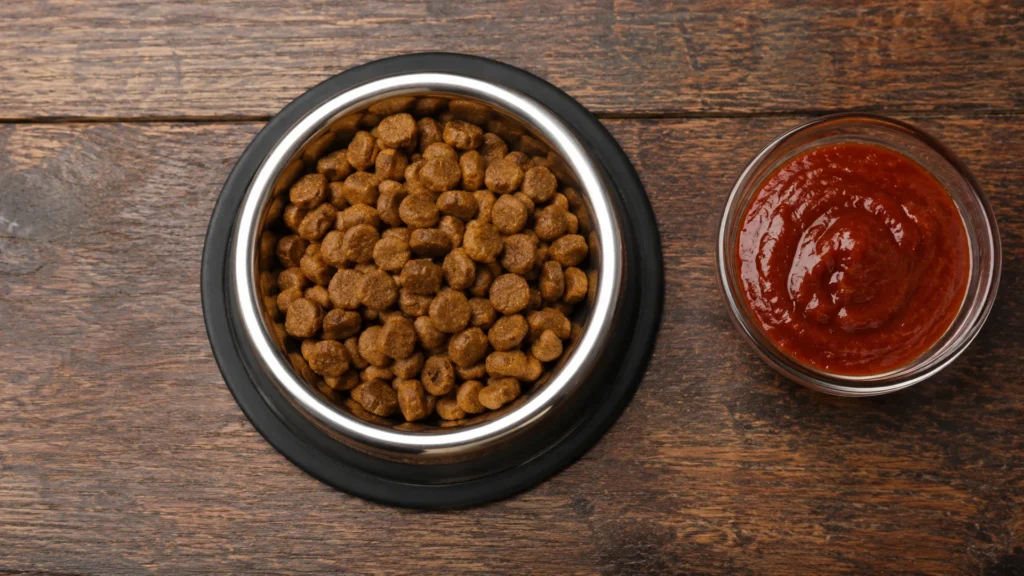
Can dogs have barbecue sauce? The short answer is no, you should not feed barbecue sauce to your dog, and you should keep it off the food you share with them. A lick off a plate rarely causes a crisis, but BBQ sauce is built on the exact things dogs handle badly: salt, sugar, vinegar, and almost always garlic and onion. Some bottles also hide xylitol, which is genuinely dangerous to dogs even in tiny amounts. None of that makes a single stray drop an emergency, but it does mean BBQ sauce is never a treat, and a real serving can land a small dog at the vet.
That habit is exactly what this question needs, because the danger in barbecue sauce is not one scary thing, it is a stack of ordinary ingredients that add up badly for a dog. Below is what is actually in the bottle, how much it takes to cause trouble at different dog weights, what to watch for and when, and a dog-safe way to let your dog join the cookout without the sauce.
Key takeaways:
- Barbecue sauce is not safe for dogs because of garlic, onion, salt, sugar, and sometimes xylitol.
- One small lick usually just means watch your dog; a real serving, or any xylitol, means call a vet.
- Garlic and onion damage red blood cells, and the anemia can show up days later, not right away.
- Xylitol is the most urgent risk and can drop a dog’s blood sugar within an hour.
- You can include your dog in a cookout with plain, unsauced meat instead.
Why Barbecue Sauce Is a Problem for Dogs
The trouble with barbecue sauce is that nearly every ingredient that makes it taste good to us is one a dog’s body would rather not deal with. It is sweet, salty, acidic, and aromatic, and that aromatic part is where the real danger hides. Most commercial BBQ sauces lean on garlic powder and onion powder for their savory backbone, and both of those belong to the allium family, which is toxic to dogs. The sauce is also concentrated, so a tablespoon carries far more of everything than the same tablespoon would if it were spread across a whole meal for a person.
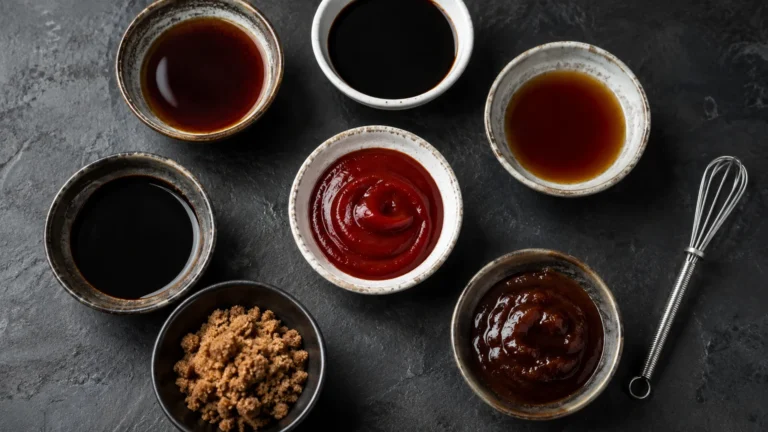
It helps to see the sauce as a label rather than a flavor. A typical bottle lists tomato or tomato paste, a sweetener like sugar or high-fructose corn syrup or molasses, vinegar, salt, and then a run of spices that almost always includes garlic and onion in some form. Worcestershire sauce, smoke flavor, and chili are common too. For a person, that blend is just dinner. For a dog, the garlic and onion are toxic, the salt and sugar are far above what their kidneys and waistline want, and the acid can upset their stomach. Stack those together in a sticky, palatable sauce a dog will happily wolf down, and you have a food worth keeping out of reach.
This is also why the answer is not a flat panic. Dogs are not poisoned by a molecule of garlic, and a tomato base is not toxic the way chocolate or grapes are. The risk scales with the dose and the dog’s size, which is the part most quick answers skip. A 70 pound Labrador that licks a smear of sauce off a dropped rib is in a different situation than a 6 pound Chihuahua that gets into an open jar. Understanding which ingredients matter, and at what amount, is what lets you tell the difference between a shrug and a vet visit.
The Dangerous Ingredients, One by One
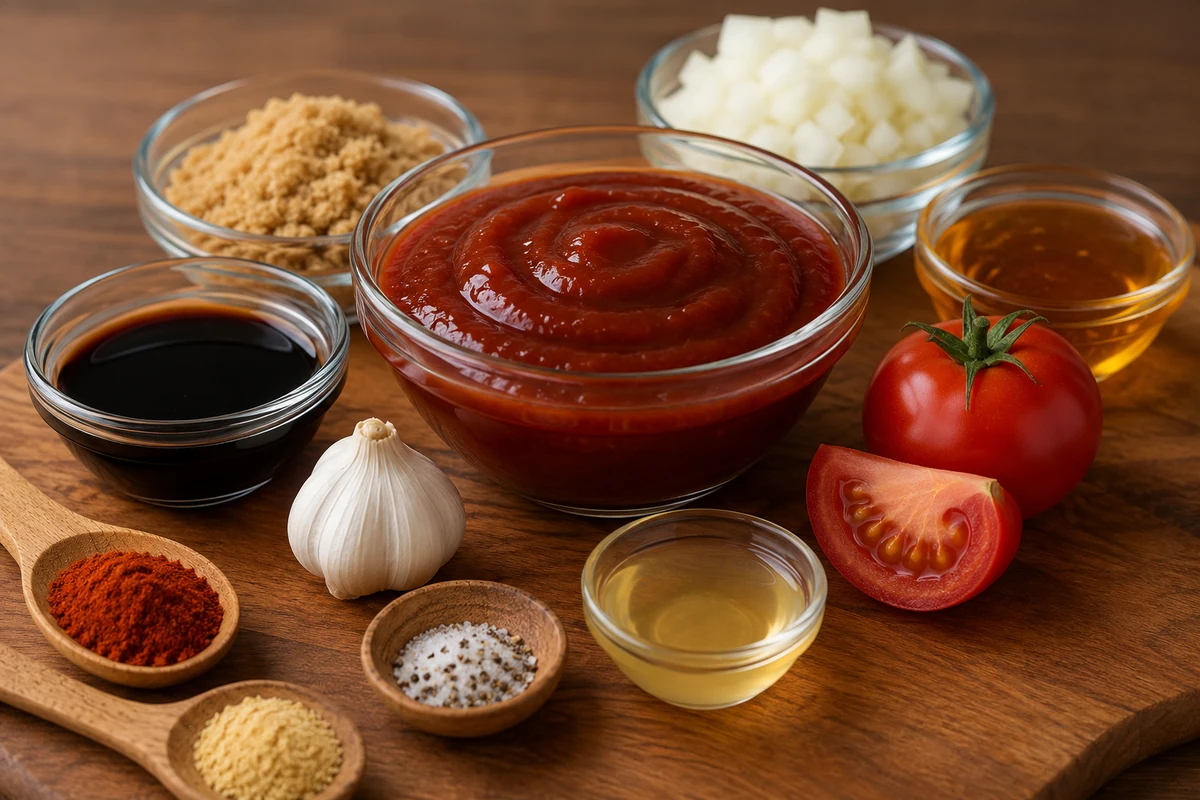
Naming the villains individually makes the whole thing far less mysterious, because each one behaves differently and matters at a different dose. Here is the rundown, in rough order of concern.
| Ingredient | Why it harms a dog | How urgent |
|---|---|---|
| Xylitol | Triggers insulin release, crashes blood sugar, can damage the liver | Emergency, even tiny amounts |
| Onion and garlic | Damage red blood cells, cause anemia that can lag for days | High, dose dependent |
| Salt | Dehydration and, in large amounts, salt toxicity | Moderate to high in quantity |
| Sugar | Stomach upset now, weight and dental harm over time | Low acutely, real long term |
| Vinegar and spice | Irritate the stomach and gut | Low, mostly discomfort |
Xylitol sits at the top because it is the one ingredient where even a small taste justifies a call. It is a sugar substitute that shows up in some lower-sugar or sugar-free barbecue sauces, and in dogs it tricks the pancreas into dumping insulin, which crashes blood sugar fast. Larger doses can damage the liver. If a BBQ sauce label lists xylitol, birch sugar, or wood sugar, treat any meaningful amount your dog eats as an emergency and call your vet or a poison line right away.
Onion and garlic are the next concern and the reason a sauce-shaped treat is never worth it. Both contain compounds that damage a dog’s red blood cells and can lead to a form of anemia. The sneaky part is timing: the damage often does not show up immediately, and signs like weakness, pale gums, or dark urine can appear one to several days after the meal. Powdered garlic and onion, which is what BBQ sauce uses, are actually more concentrated than the fresh versions, so it does not take a lot of sauce to add up if a dog eats a real serving.
Salt and sugar round out the list. A dog’s daily sodium needs are small, and barbecue sauce is salty enough that a big helping can push a small dog toward dehydration or, in extreme cases, salt toxicity with vomiting and tremors. The sugar is less of an acute danger and more of a slow one: repeated sugary treats feed weight gain and dental problems, which is its own reason to skip the sauce as a habit rather than treating one lick as a crisis. The vinegar and chili at the bottom of the list mostly cause an upset stomach, the kind of thing that passes on its own but is no fun for anyone cleaning up after. It is worth remembering just how salty these sauces run: food safety bodies like the USDA Food Safety service flag sodium as something to watch even for people, and a dog’s daily sodium budget is a fraction of ours.
How Much Barbecue Sauce Is Actually Dangerous
This is the question that quick answers dodge, and it is the one that actually helps. The honest framing is that the risk depends on the dog’s weight and on whether xylitol is in the bottle. Xylitol aside, a tiny lick is usually a watch-and-wait, while a real serving, a few tablespoons or more, is where small dogs in particular can get into trouble from the garlic and onion load. The table below is a rough guide, not a medical formula, and it assumes a standard garlicky commercial BBQ sauce with no xylitol.
| Dog size | A stray lick or drop | A spoonful or more |
|---|---|---|
| Small, under 20 lb | Watch closely for 24 to 72 hours | Call your vet, small bodies hit allium limits fast |
| Medium, 20 to 50 lb | Usually fine, monitor for stomach upset | Watch closely; call vet if more than a couple tablespoons |
| Large, over 50 lb | Usually fine, monitor | Monitor; vet if a large amount or any symptoms |
| Any size, xylitol in sauce | Call a vet or poison line now | Emergency, go to the vet |
The reason weight matters so much is that toxicity works by dose per pound of dog. The garlic and onion in a tablespoon of sauce is a rounding error for a big dog and a meaningful hit for a tiny one. That is why the same spoonful that a Great Dane would shrug off can make a Yorkie sick. When in doubt, weigh the situation by your specific dog, not by some universal threshold, and lean toward calling if your dog is small or if you are not sure how much went down.
One more practical point: you often will not know exactly how much your dog ate, especially if they got into a jar or licked a plate while your back was turned. When the amount is unknown, treat it as the higher end of the range, note the time, save the bottle so you can read the ingredients to the vet, and watch your dog. It is far better to make a call you did not strictly need than to miss the window on a sauce that turned out to contain xylitol. The habit of reading every label before cooking is the one that serves you here.
Symptoms to Watch For and When
If your dog gets into barbecue sauce, the symptoms fall into two groups with very different timelines, and knowing which is which keeps you from being caught off guard. The first group is the fast stomach stuff. Within a few hours you might see vomiting, diarrhea, drooling, or a generally queasy, off dog. That is the salt, sugar, vinegar, and spice irritating the gut, and for most dogs that ate a small amount it passes on its own with rest and water.
The second group is slower and more serious, and it is tied to the garlic and onion. Allium damage to red blood cells can take one to several days to show, so a dog that seemed fine on Saturday can look weak, tired, or off on Tuesday. The signs to watch for over that window include unusual lethargy, pale or whitish gums, rapid breathing or heart rate, dark or reddish-brown urine, and a loss of appetite. Any of those after a dog ate a real amount of garlicky sauce is a reason to call the vet, even if the dog seemed fine the day it happened.
Xylitol is its own fast, frightening category. If the sauce contained it, signs can appear within 30 to 60 minutes and include sudden weakness, wobbliness, vomiting, collapse, or seizures as blood sugar crashes. This is not a wait-and-see situation. The single most useful habit is to keep the bottle so you can read the ingredient list to whoever you call, because the presence or absence of xylitol changes everything about how urgent the moment is. For a sense of which everyday foods carry the biggest risks, the ASPCA keeps a clear people-foods-to-avoid list that is worth bookmarking before the next cookout.
What to Do If Your Dog Eats Barbecue Sauce
Step one is do not panic and do not induce vomiting on your own unless a professional tells you to. Making a dog throw up at home can do more harm than good with the wrong substance, and it is not your call to make alone. Instead, work the situation calmly: figure out roughly how much was eaten, check the bottle for xylitol, note the time, and gauge your dog’s size against the amount.
If the sauce had xylitol, or your dog is small and ate a real serving, or your dog is showing any of the serious symptoms above, call your veterinarian or an emergency vet now. If you cannot reach a vet, the Pet Poison Helpline and the ASPCA Animal Poison Control Center both run 24-hour lines you can call for guidance, and saving those numbers in your phone before a holiday weekend is one of those small acts of preparation you only regret skipping. Have the bottle in hand so you can read the ingredients and the amount.
If it was a small lick, a medium or large dog, and no xylitol, the usual plan is to offer fresh water, hold off on more food for a little while to let the stomach settle, and watch your dog over the next two to three days for the delayed allium signs. Keep the rest of the sauce, and the food it was on, out of reach so there is no second helping. Most of these small-lick situations end with nothing more than a slightly gassy dog, but the watching matters because the garlic and onion risk is the one that hides. When you are not sure, calling is always the safe move, and no good vet will fault you for it.
Letting Your Dog Join the Cookout Safely
The good news is that the thing your dog actually wants from a barbecue is the meat, not the sauce. Dogs do not crave the tangy-sweet glaze the way we do; they want the protein and the smell of it. So the simplest fix is to set aside a small portion of plain, fully cooked meat before you sauce anything. A few bites of unseasoned, boneless, skinless chicken or a little plain lean beef, with no sauce, no rub, no garlic or onion, and no bones, is a genuine cookout treat your dog can have safely.
Keep it simple and keep the quantities sane. A couple of small pieces as an occasional treat is plenty; the goal is to include your dog, not to make a meal of rich food their stomach is not used to. Skip the obvious hazards entirely: no cooked bones that can splinter, no fatty trimmings that can trigger pancreatitis, no corn cobs, no skewers, and absolutely no sauce. Plain grilled or boiled lean meat is the move, and most dogs are thrilled with it.
If you want to give your dog something with a little more interest, plain cooked plain vegetables like a few pieces of carrot or a bit of plain sweet potato are dog-friendly and make a fine side without any of the sauce risk. The principle is the same one used when taking a sauce apart: keep what is good, lose what is not. For the humans at the table, the answer is the opposite, which is to make a great sauce worth the effort. If you want one you control from scratch, our guide to a homemade BBQ sauce lets you build a sweet, smoky glaze where you decide exactly what goes in, and a homemade hot sauce health rundown covers the spicy side of the cookout for the people, not the pets.
Is Any Barbecue Sauce Safe for Dogs
People sometimes ask whether a sugar-free, low-sodium, or homemade BBQ sauce gets a pass, and the honest answer is mostly no, with a careful exception. Sugar-free is often worse, not better, because the sugar may have been swapped for xylitol, which is the single most dangerous ingredient on the whole list. Low-sodium helps with the salt but does nothing about the garlic and onion that nearly every barbecue sauce relies on for flavor. So a store-bought tweak rarely makes the sauce dog-safe.
The one real exception is a sauce you build yourself specifically to leave out the toxic parts, with no garlic, no onion, no xylitol, low salt, and minimal sugar. That is possible, but at that point you have made a plain, bland tomato glaze that barely resembles barbecue sauce, and it is honestly easier to just give your dog the plain meat. If you do want to brush something on a dog’s portion, a thin smear of plain unsweetened pumpkin or a little low-sodium plain broth gives a hint of flavor without the danger. For the human food, keep the real sauce on your plate and the dog on the plain stuff, and everyone leaves the cookout happy.
The Bottom Line on Dogs and Barbecue Sauce
So, can dogs have barbecue sauce? Treat it as a no. The sauce is a stack of things dogs do not handle well, with garlic and onion as the steady danger and xylitol as the rare but serious one. A single stray lick from a medium or large dog is usually just a reason to watch, while a real serving, a small dog, or any xylitol turns it into a call to the vet. The smart move is the simple one: keep the sauce out of reach, give your dog plain cooked meat instead, save your vet and a poison line in your phone, and read the label if anything goes wrong. Do that and your dog can be part of every cookout without ever needing the sauce.
Frequently Asked Questions
Can dogs have barbecue sauce at all?
No, dogs should not have barbecue sauce. It contains garlic, onion, salt, sugar, and sometimes xylitol, all of which range from hard on a dog’s stomach to genuinely toxic. A single small lick rarely causes a crisis, but BBQ sauce should never be a treat, and a real serving can make a dog, especially a small one, sick.
What happens if a dog licks a little barbecue sauce?
A small lick from a medium or large dog usually causes nothing worse than a slightly upset stomach. Offer water, hold off on more food for a bit, and watch your dog for two to three days for the delayed signs of garlic and onion toxicity. If the dog is small or the sauce contained xylitol, call your vet instead of waiting.
Is the garlic and onion in BBQ sauce really toxic to dogs?
Yes. Garlic and onion belong to the allium family, which damages a dog’s red blood cells and can cause anemia. The powdered forms used in barbecue sauce are more concentrated than fresh, and the symptoms, like weakness and pale gums, can appear one to several days after the dog eats it, not immediately.
What is the most dangerous ingredient in barbecue sauce for dogs?
Xylitol is the most dangerous. It is a sugar substitute found in some low-sugar or sugar-free sauces, and even small amounts can crash a dog’s blood sugar within an hour and damage the liver. If a sauce lists xylitol, birch sugar, or wood sugar, treat any amount your dog eats as an emergency.
How much barbecue sauce is dangerous for a dog?
It depends on the dog’s weight and whether the sauce contains xylitol. With no xylitol, a stray lick is usually a watch-and-wait for medium and large dogs, while a spoonful or more is a vet call for small dogs because the garlic and onion add up fast in a small body. Any xylitol at any size is an emergency.
What should I do if my dog eats a lot of barbecue sauce?
Do not induce vomiting on your own. Check the bottle for xylitol, note the time and rough amount, and call your veterinarian or a 24-hour poison line like the Pet Poison Helpline or ASPCA Animal Poison Control. Keep the bottle so you can read the ingredients, and watch for both quick stomach upset and delayed signs of anemia.
Can I give my dog plain grilled meat instead?
Yes. Plain, fully cooked, boneless and skinless meat with no sauce, rub, garlic, onion, or bones is a safe cookout treat for most dogs. Keep portions small and occasional, skip fatty trimmings and cooked bones, and your dog gets the part of the barbecue they actually want without any of the sauce risk.