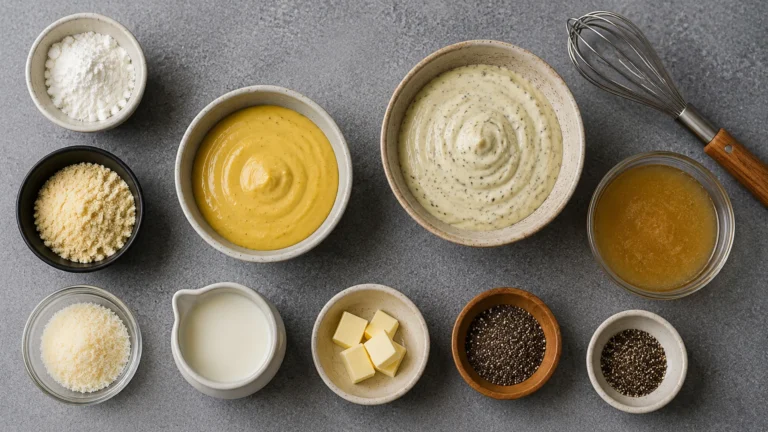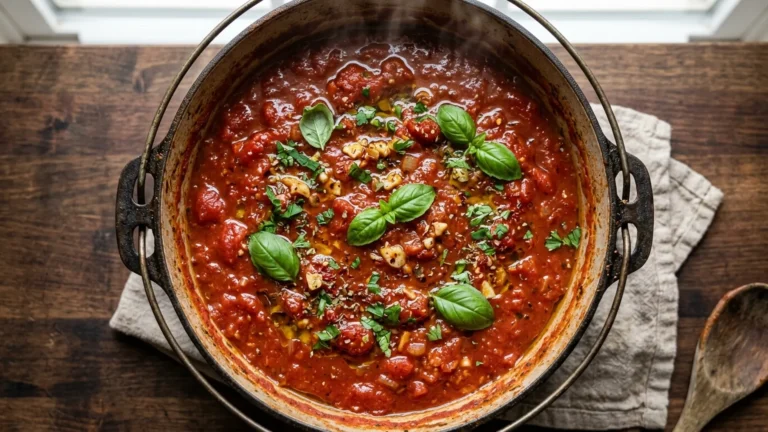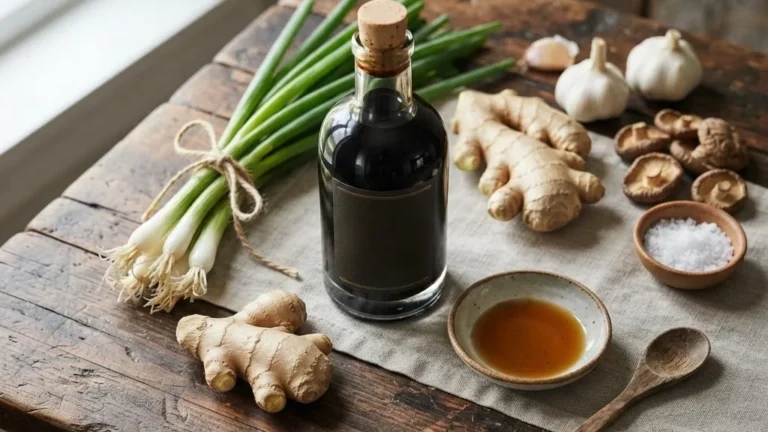
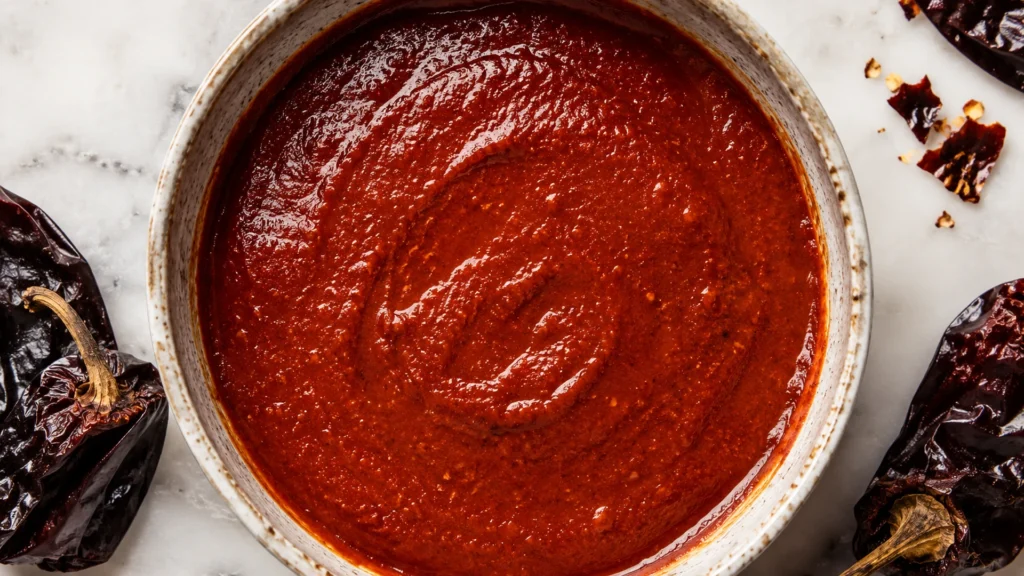
Homemade enchilada sauce is one of those recipes that takes about ten minutes and instantly beats anything from a can, with a deeper, fresher chili flavor and no tinny aftertaste. The fast version is a quick roux: bloom chili powder, cumin, garlic, and oregano in oil, whisk in tomato paste and broth, and simmer until it thickens. The slower, more authentic version purees soaked dried chiles like ancho and guajillo for a richer, smokier sauce. Both are easy, and below is each one, the why behind every step, how to set the heat level, and how to fix the sauce when it comes out bitter, thin, or too sharp.
Enchilada sauce is a great one to make from scratch because the canned stuff is genuinely mediocre and the homemade version costs pennies. The key insight most recipes skip is that there are two real methods here, a pantry-spice version and a dried-chile version, and knowing which to reach for is half the battle. Get that right and you will never buy a can again.
Key takeaways:
- Homemade enchilada sauce takes about 10 minutes and tastes far better than canned.
- The quick method blooms chili powder and spices in oil, then thickens with a flour roux.
- The authentic method purees soaked dried chiles for a deeper, smokier flavor.
- Set the heat by your choice of chili powder, chipotle, or a pinch of cayenne.
- For gluten-free, swap the flour roux for a cornstarch slurry stirred in at the end.
What Goes Into Homemade Enchilada Sauce
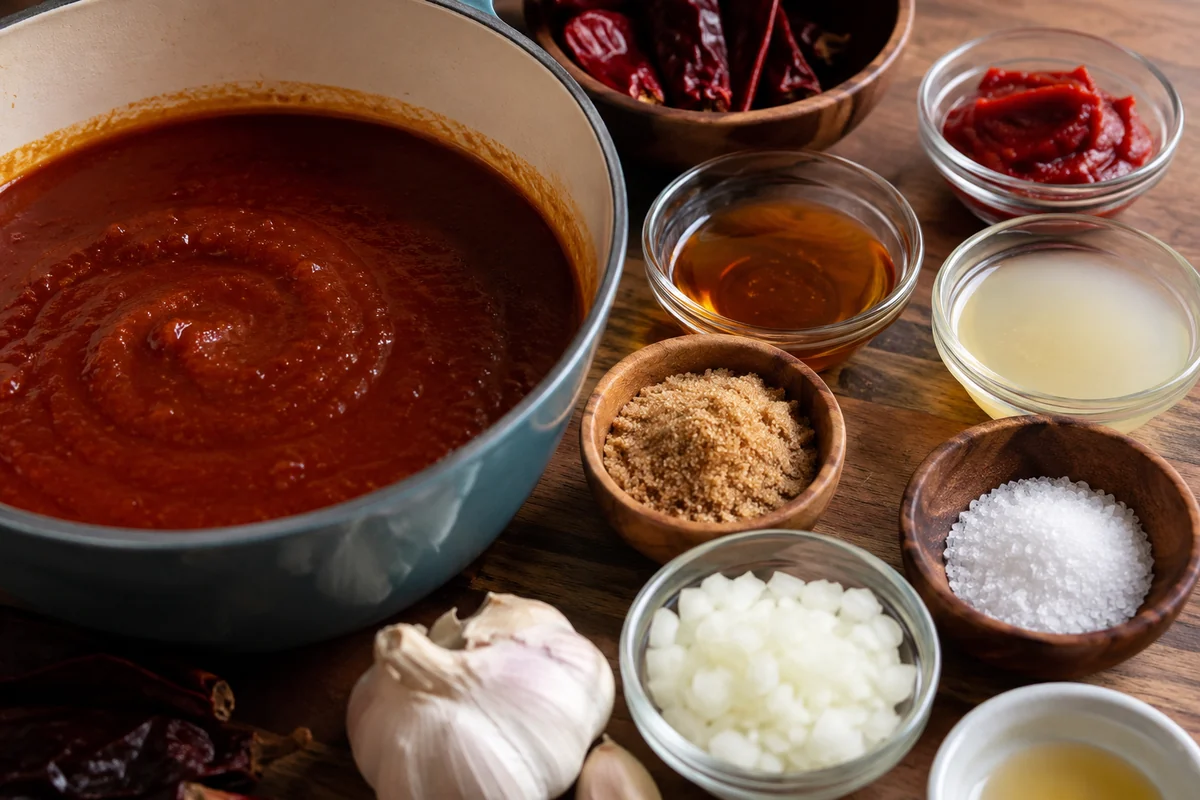
Red enchilada sauce is built on a small set of ingredients, and once you know what each one does, you can adjust the recipe to your taste with confidence. The backbone is chile, whether that comes from chili powder in the quick version or whole dried chiles in the authentic one. Around that sit a few spices, a fat to bloom them in, a thickener, a liquid, and an acid to brighten the finish.
| Ingredient | What it does |
|---|---|
| Chili powder or dried chiles | The core flavor, color, and heat |
| Cumin | Warm, earthy depth |
| Garlic and oregano | Savory and herbal background notes |
| Oil | Blooms the spices and forms the roux |
| Flour or cornstarch | Thickens the sauce to a coating body |
| Tomato paste | Color, body, and a touch of sweetness |
| Broth or water | The liquid that carries everything |
| Vinegar or lime | A bright acid that lifts the finish |
The chili element is where the sauce lives or dies. A fresh, good-quality chili powder, ideally a pure ground chile rather than a generic taco-seasoning blend, gives you the cleanest flavor in the quick method. The cumin adds the warm, earthy note that reads as Mexican, and a little dried oregano, especially Mexican oregano if you can find it, brings a herbal lift. Garlic rounds it out. None of these should shout; they support the chile, which is the star.
The fat matters more than people expect, because blooming the spices in hot oil for a minute wakes up their flavor in a way that stirring them into liquid never does. That same oil then carries the flour to form a roux, which is what gives the sauce its smooth, clingy body so it coats tortillas instead of running off them. The tomato paste adds color and a subtle sweetness without making the sauce taste like marinara, and the splash of vinegar or lime at the end is the detail that takes it from flat to lively. That roux-and-bloom technique is the same one behind any well-built thickened sauce, covered in depth in the SauceGrove guide to how to thicken sauce.
The Quick 10-Minute Method
This is the version to make on a weeknight, and it uses pantry staples you likely already have. It comes together in about the time it takes to preheat the oven, and it makes roughly two cups, enough for a standard pan of enchiladas.
Start by warming 3 tablespoons of oil in a saucepan over medium heat. Add 3 tablespoons of flour along with your spices, about 2 tablespoons of chili powder, a teaspoon of cumin, half a teaspoon of garlic powder, and a quarter teaspoon of oregano, and whisk constantly for about a minute. The mixture will look like a thick, fragrant paste and the spices will bloom and darken slightly; do not let it scorch, or the sauce turns bitter. Whisk in 2 tablespoons of tomato paste until smooth.
Now slowly pour in 2 cups of broth, whisking the whole time so no lumps form. This gradual addition is the trick to a smooth sauce: dump it all in at once and you get clumps of roux floating in thin liquid. Bring it to a gentle simmer and cook for 5 to 7 minutes, stirring often, until it thickens enough to coat the back of a spoon. Remember it will thicken more as it cools, so stop while it is still slightly looser than you want. Off the heat, stir in a teaspoon of vinegar or a squeeze of lime, taste, and adjust the salt. That is a complete, far-better-than-canned enchilada sauce in under ten minutes.
The Authentic Dried-Chile Method
For the real thing, the sauce that tastes like a good Mexican restaurant, make it from whole dried chiles. It takes longer, maybe 30 minutes, but the depth is on another level, with a smoky, fruity, layered chile flavor that powder cannot match. The classic blend is dried ancho chiles for sweetness and body and guajillo chiles for a brighter, tangier note, with an optional chile de arbol or two for heat.
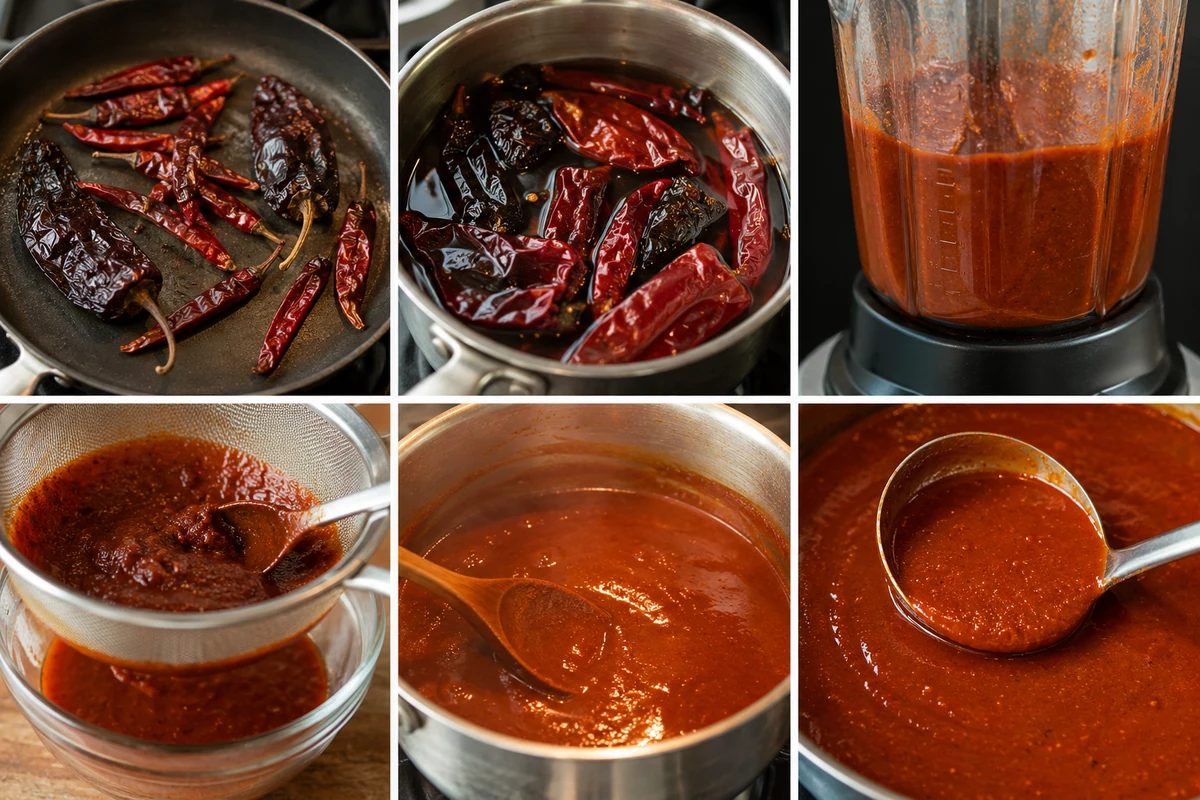
Start by removing the stems and seeds from about 4 to 6 dried chiles, then toast them in a dry pan for 20 to 30 seconds per side until fragrant, watching closely because they burn in seconds and a burnt chile makes the whole sauce bitter. Cover the toasted chiles with hot water or broth and soak them for about 15 to 20 minutes until soft. Drain, then blend the softened chiles with a clove of garlic, a teaspoon of cumin, a little oregano, a pinch of salt, and enough of the soaking liquid to make a smooth puree.
Strain the puree through a sieve to catch any tough skins, then simmer it in a saucepan for about 10 minutes to cook off the raw edge and let the flavors marry, thinning with broth to your preferred consistency. Finish with a splash of vinegar and salt to taste. The straining step is the one home cooks skip and then wonder why their sauce is gritty; do not skip it. This version freezes well, so a double batch makes sense. It pairs naturally with the kind of Mexican-leaning dinners you can build around gluten-free mains when you keep the sauce flour-free.
How to Set the Heat Level
One of the best parts of making your own enchilada sauce is total control over the heat, which canned sauce never gives you. The dial is simple once you know which ingredient does what, so you can build anything from a kid-friendly mild to a genuinely spicy sauce.
For a mild sauce, use a pure ancho or a mild chili powder, which brings rich color and flavor with very little heat. For medium, add guajillo or a standard chili powder, or stir in a little chipotle in adobo for a smoky warmth that most adults love. For a hot sauce, add chile de arbol in the dried-chile method, or a pinch of cayenne or extra chipotle in the quick method, tasting as you go. The smart move is to build the sauce mild and add heat in small increments at the end, because you can always add more but you cannot take it out.
Keep in mind that the heat also concentrates as the sauce reduces and again when it bakes into the enchiladas, so a sauce that tastes perfectly spiced in the pan can read hotter on the plate. Aim for a touch milder than the target when tasting the raw sauce, since it will build in the oven. Balancing that heat against the sweetness of the tomato paste and the brightness of the acid is the same kind of tuning that makes a great homemade BBQ sauce work, where sweet, smoky, and spicy all have to sit in balance.
Making It Gluten-Free
The quick method leans on a flour roux to thicken, which means it is not gluten-free as written, but the fix is easy and the sauce is just as good. Instead of cooking flour into the oil, bloom your spices in the oil on their own for a minute, then add the tomato paste and broth and bring it to a simmer. To thicken, stir a tablespoon of cornstarch into a tablespoon or two of cold water to make a slurry, then whisk that into the simmering sauce and cook for another minute or two until it thickens and turns glossy.
The dried-chile method is naturally gluten-free, since it thickens from the pureed chiles themselves rather than from any added starch, which is one more reason to love it. Either way, double-check that your broth and chili powder are certified gluten-free if you are cooking for someone with celiac disease, because some blends and broths sneak in wheat. With those swaps, homemade enchilada sauce fits cleanly into a gluten-free kitchen, and nobody will guess it was adapted.
How to Fix Enchilada Sauce That Tastes Off
Because the sauce is simple, it is easy to rescue when something goes wrong, and most problems trace back to one of a few familiar causes. Here are the fixes.
- Bitter: you likely scorched the spices or toasted the chiles too long; stir in a pinch of sugar and a little extra broth to soften it.
- Too thin: simmer it longer to reduce, or whisk in a small cornstarch slurry.
- Too thick: whisk in broth or water a splash at a time until it pours.
- Too acidic or sharp: add a pinch of sugar and a little salt to round it out.
- Flat or dull: it needs salt and acid; add a pinch of salt and a squeeze of lime.
The most common mistake by far is bitterness from burning the spices or chiles, because both happen fast and the window is narrow. If you catch yourself with a slightly bitter sauce, a small pinch of sugar and a little more liquid usually pulls it back into balance, though a badly scorched batch is sometimes worth starting over. Prevention is better: keep the heat moderate, whisk constantly during the bloom, and pull toasted chiles the instant they smell fragrant.
The second most common issue is a sauce that tastes flat, and the fix is almost always salt and acid rather than more chili. A sauce can have plenty of chile flavor and still taste lifeless without enough salt to carry it and a bright note to lift it. Add salt a pinch at a time and finish with lime or vinegar, and a dull sauce usually comes alive. Treat seasoning as the last and most important step, not an afterthought. For more on the flavor science behind toasting and blooming spices, outlets like Serious Eats and Bon Appetit have written extensively on why heat unlocks those aromas.
Storing and Freezing Homemade Enchilada Sauce
Homemade enchilada sauce keeps well in an airtight container in the refrigerator for about five days, and it actually tastes better on day two as the flavors continue to marry. Let it cool fully before refrigerating, and give it a stir before using, since it thickens in the fridge and may need a splash of broth or water to loosen back to a pourable consistency.
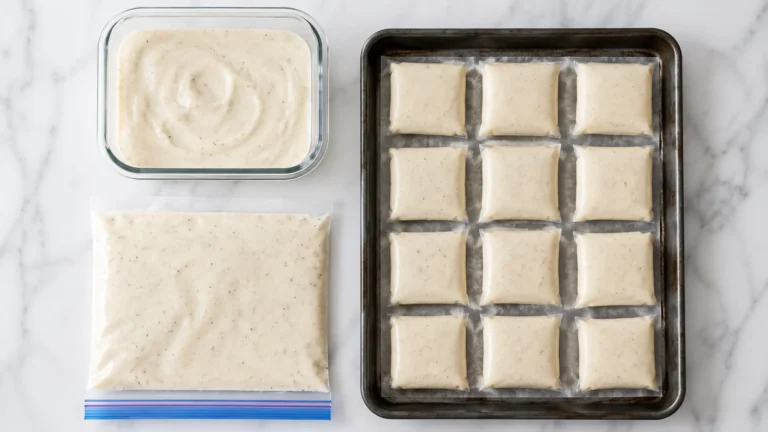
It also freezes well for up to three months, which makes a double batch of the dried-chile version worthwhile. Freeze it in a wide-mouth jar or a freezer bag laid flat, leaving a little room for expansion. To use, thaw it overnight in the fridge or gently in a saucepan over low heat, whisking in a little liquid if it has thickened or separated slightly. A jar of homemade enchilada sauce in the freezer turns a weeknight enchilada or a pot of rice into something special with almost no effort, which is the whole reason to make it from scratch.
The Bottom Line on Homemade Enchilada Sauce
Making enchilada sauce at home is genuinely worth it, because the canned version is forgettable and the homemade one is fast, cheap, and far more flavorful. Reach for the quick roux method on a busy weeknight, when ten minutes and a few pantry spices get you a sauce that beats the can easily. Reach for the dried-chile method when you want the deep, smoky, restaurant-quality version and have half an hour to spare. Either way, bloom your spices, build the heat to your taste, finish with salt and acid, and keep a jar in the freezer for next time. Once you have made it from scratch, the canned aisle stops tempting you for good.
Frequently Asked Questions
What is homemade enchilada sauce made of?
Homemade enchilada sauce is made of chile, either chili powder or soaked dried chiles, plus cumin, garlic, and oregano bloomed in oil, a thickener like flour or cornstarch, tomato paste, broth or water, and a splash of vinegar or lime to brighten it. The chile provides the core flavor, color, and heat, while the other ingredients add depth, body, and balance.
How do you make enchilada sauce from scratch quickly?
For a 10-minute sauce, warm 3 tablespoons oil, whisk in 3 tablespoons flour with 2 tablespoons chili powder, a teaspoon cumin, and a little garlic and oregano for a minute, then whisk in 2 tablespoons tomato paste and slowly add 2 cups broth. Simmer 5 to 7 minutes until it coats a spoon, then finish with vinegar or lime and salt.
Is homemade enchilada sauce better than canned?
Yes. Homemade enchilada sauce has a fresher, deeper chili flavor without the tinny, slightly bitter aftertaste of canned sauce, and you control the heat, salt, and thickness. It costs only pennies in pantry spices and takes about 10 minutes for the quick version, so most people who try it from scratch stop buying cans.
How do I make enchilada sauce gluten-free?
Skip the flour roux and instead bloom your spices in oil alone, add the tomato paste and broth, then thicken with a cornstarch slurry, one tablespoon cornstarch mixed into cold water, stirred in at the end. The dried-chile method is naturally gluten-free since it thickens from the pureed chiles. Use certified gluten-free broth and chili powder to be safe.
Why does my enchilada sauce taste bitter?
Bitterness almost always comes from scorching the spices in the quick method or over-toasting the dried chiles in the authentic one, both of which happen in seconds. To rescue a slightly bitter sauce, stir in a pinch of sugar and a little extra broth. To prevent it, keep the heat moderate, whisk constantly while blooming, and pull toasted chiles the moment they smell fragrant.
What dried chiles are best for enchilada sauce?
Ancho chiles give sweetness and body, and guajillo chiles add a brighter, tangier note, so a blend of the two is the classic base for red enchilada sauce. Add a chile de arbol or two for heat if you want it spicy. Toast them briefly, soak until soft, then blend and strain for a smooth, deeply flavored sauce.
How long does homemade enchilada sauce last?
Homemade enchilada sauce keeps in an airtight container in the refrigerator for about five days and tastes even better on the second day. It freezes well for up to three months in a jar or flat freezer bag. Thaw it in the fridge or gently on the stove, whisking in a little broth or water if it has thickened or separated.