An oyster sauce substitute needs to deliver oyster sauce’s two defining qualities: deep savory umami and a thick, slightly sweet body that clings to stir-fried food. Oyster sauce is made from oyster extract cooked down with sugar and seasonings into a dark, glossy, intensely savory sauce, so a good replacement has to match that salty-sweet-umami balance and that velvety thickness. The easiest swap is soy sauce with a pinch of sugar, using about 2 tablespoons of soy sauce for every 3 to 4 tablespoons of oyster sauce, but the closest match is hoisin sauce, which you can swap one to one. The best choice depends on what you are cooking, whether you need it vegan or vegetarian, and whether the oyster sauce is seasoning a stir-fry or finishing a dish.
This guide gives exact ratios for every common substitute, tells you which to reach for in each situation, and walks through a homemade vegan oyster sauce made from mushrooms that captures the savory depth without any seafood. You will also learn how to adjust a swap on the fly so it tastes right, and which options to avoid for gluten-free cooking.
What Oyster Sauce Actually Tastes Like
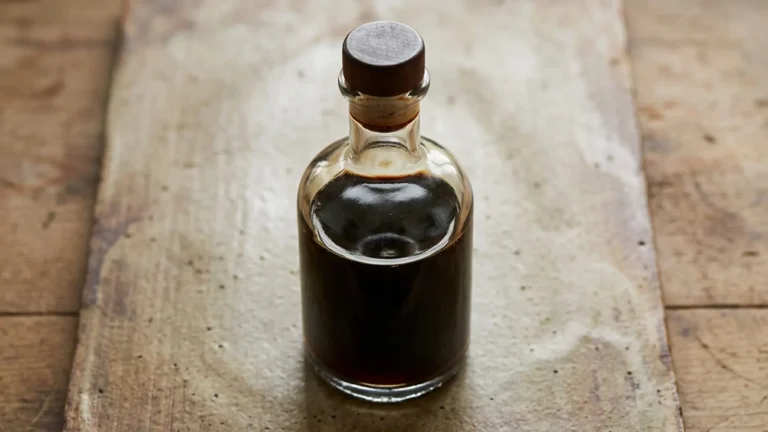
To replace oyster sauce well, you have to know what you are copying. Despite the name, oyster sauce does not taste fishy; the oyster extract is cooked down until what remains is a concentrated, savory, almost caramelized umami with a subtle sweetness and a hint of brine. The texture is thick and glossy, closer to a syrup than to thin soy sauce, which is why it coats noodles, vegetables, and meat so well in a stir-fry. The flavor sits between salty and sweet, with that deep savory backbone doing most of the work. A successful substitute therefore needs three things: a strong umami source, a touch of sweetness, and enough body to cling. Soy sauce alone gives you the umami and salt but misses the sweetness and thickness; that is why the best swaps either start from a thicker sauce like hoisin or build the missing pieces back in with sugar and a thickener. Once you see oyster sauce as a thick, sweet-savory umami glaze, the swaps below make sense.
The Best Substitutes and Their Ratios
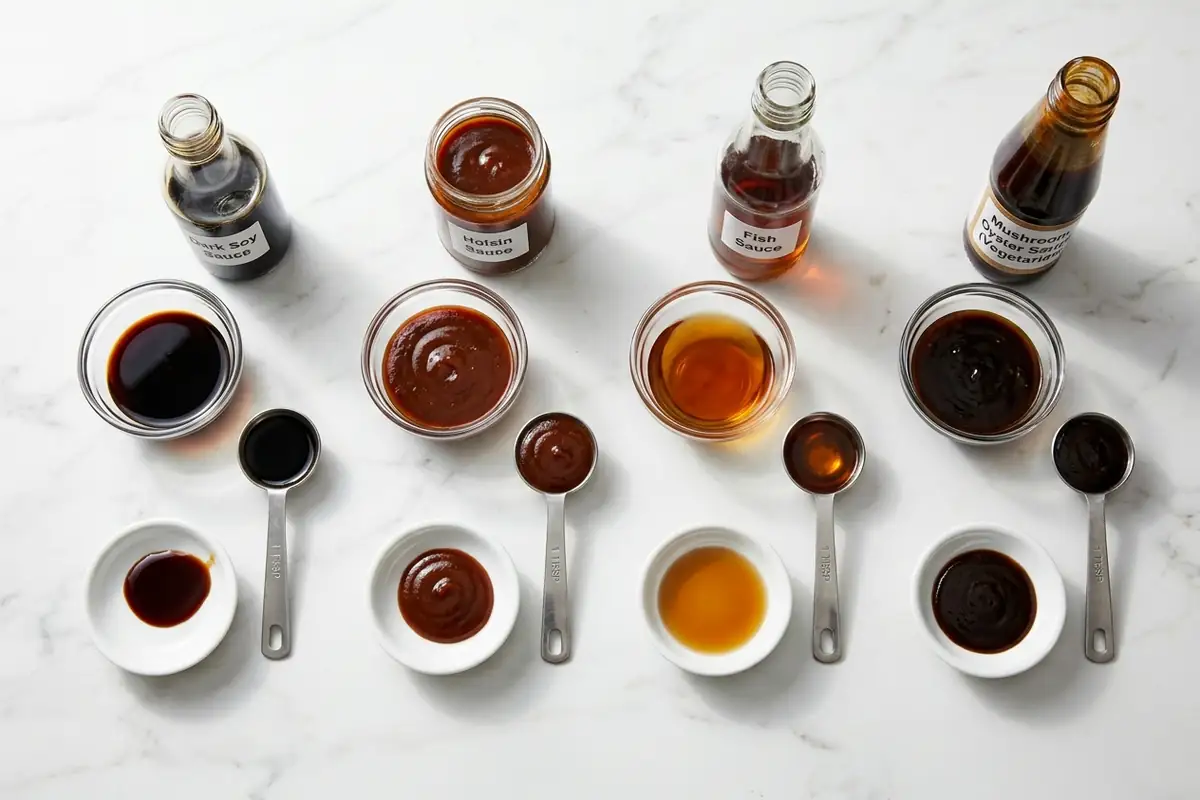
Several pantry sauces can stand in for oyster sauce, each with a different strength and balance. Use these ratios as a starting point and taste as you go, since brands vary.
| Substitute | Ratio (per 3-4 tbsp oyster sauce) | What changes |
|---|---|---|
| Hoisin sauce | Use about 1 to 1 | Sweeter, similar thickness; closest match |
| Soy sauce + sugar | 2 tbsp soy + 1 tsp sugar | Thinner and saltier; add sugar for balance |
| Teriyaki sauce | Use about 1 to 1 | Sweeter and thinner; good consistency |
| Fish sauce + sugar | 1 tbsp fish sauce + 1 tsp sugar | Sharper, saltier, briny; use sparingly |
| Sweet soy (kecap manis) | Use about 1 to 1 | Thick and sweet; very close fit |
| Mushroom (vegan) sauce | Use about 1 to 1 | Savory and vegan; closest plant-based match |
Hoisin sauce is the standout because it shares oyster sauce’s thick body and sweet-savory profile and swaps in cleanly. If you do not keep hoisin, soy sauce with a pinch of sugar is the most universally available fix, and a vegetarian mushroom oyster sauce is the closest plant-based option. For more on building that sweet-savory glaze yourself, our guide to a homemade teriyaki sauce covers the same soy-and-sweetener balance that makes these swaps work.
Best Substitute by Use Case
The right swap changes with the job oyster sauce is doing, so here is the practical guidance rather than a flat list.
For stir-fries
Reach for hoisin sauce or soy sauce with a pinch of sugar. Both season the dish with the salty-sweet umami a stir-fry wants, and hoisin brings the body to coat the ingredients. Add the substitute in the last minute or two of cooking so the sugars do not scorch over high heat. A splash of mushroom sauce deepens the savory note further.
For marinades and glazes
Teriyaki sauce and hoisin shine here because their thickness clings to meat and caramelizes into a glossy coat. Their sweetness flatters grilled and roasted proteins. If using soy sauce, add sugar or honey to get that lacquered finish.
For finishing and dipping
Where the sauce is tasted directly, use the closest match you have: hoisin, sweet soy, or a homemade mushroom sauce. Their fuller body and balanced sweetness read most like real oyster sauce when undiluted by cooking.
How to Make a Vegan Oyster Sauce From Mushrooms
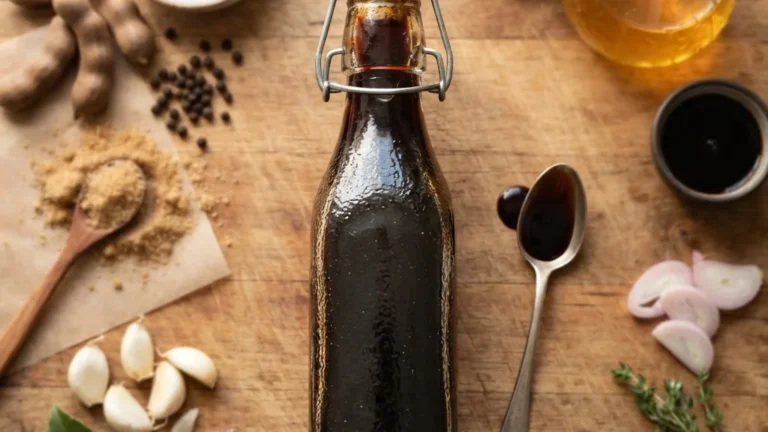
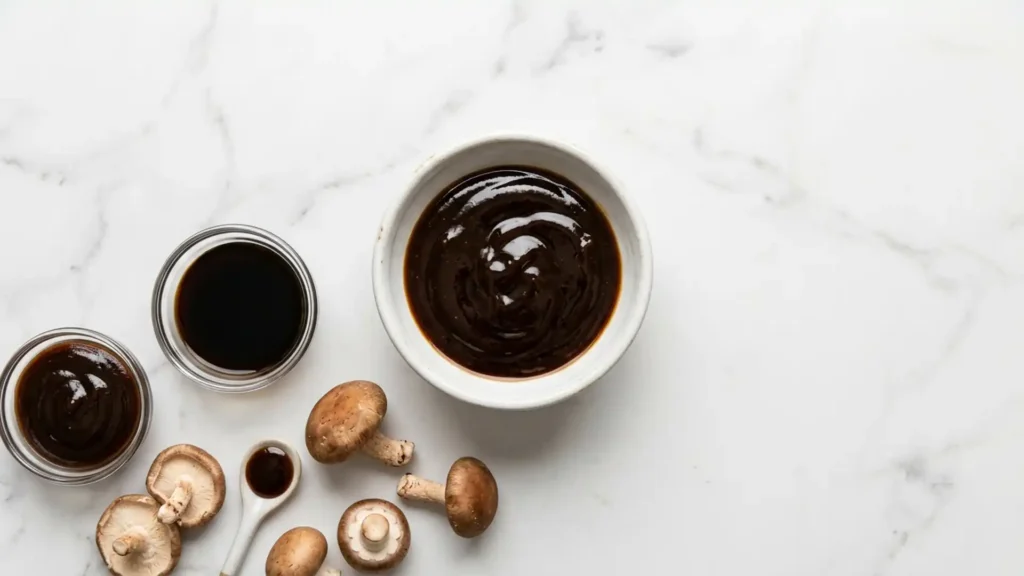
This is the part most substitute lists gloss over, even though it is the best answer for anyone avoiding seafood. Mushrooms, especially dried shiitake, are loaded with natural glutamates, the same umami compounds that make oyster sauce taste so savory, which makes them the ideal base for a plant-based version. To make a simple mushroom oyster sauce, simmer a handful of dried shiitake mushrooms in about a cup of water for 15 to 20 minutes to make a concentrated mushroom broth, then strain it. Return the liquid to the pan with 3 tablespoons soy sauce or tamari, 1 tablespoon brown sugar, and a splash of dark soy sauce for color if you have it, and simmer until it reduces and thickens slightly. For more body, whisk in a teaspoon of cornstarch mixed with cold water and simmer a minute until glossy. The result is a dark, savory, lightly sweet sauce that captures oyster sauce’s depth without any animal product, and it keeps in the fridge for about a week. This homemade version often tastes closer to real oyster sauce than any single bottled swap, because it rebuilds the umami, sweetness, and thickness all at once.
Vegetarian and Vegan Considerations
Oyster sauce is made from oysters, so it is off the table for vegetarians and vegans, which is one of the most common reasons people look for a substitute. The good news is that several of the best swaps are already plant-based: hoisin sauce is usually vegan, soy sauce and tamari are plant-based, and the homemade mushroom sauce above is fully vegan. Store-bought vegetarian oyster sauce, often labeled mushroom oyster sauce or mushroom stir-fry sauce, is widely available and made specifically to mimic the original using mushroom extract instead of oyster, and it is the most convenient plant-based option. The one swap to avoid if you are vegetarian is fish sauce, which is made from fermented fish and is not plant-based despite being a good umami match for omnivores. When buying any bottled substitute, scan the label, since a few hoisin and barbecue sauces sneak in animal-derived ingredients. Choosing mushroom-based options keeps the savory depth intact while staying entirely plant-based.
Gluten-Free Substitutes
Most oyster sauce and most of its common substitutes contain wheat, so anyone cooking gluten-free needs to choose carefully. Regular oyster sauce, soy sauce, hoisin, and teriyaki almost always include wheat, which rules them out for celiac diets. The fix is to rebuild the swap from gluten-free parts: use tamari or certified gluten-free soy sauce in place of regular soy, add a pinch of sugar for the sweetness, and thicken with a cornstarch slurry for body. A working gluten-free substitute is 2 tablespoons tamari, 1 teaspoon brown sugar, and a small cornstarch slurry simmered until glossy. The homemade mushroom version also works gluten-free as long as you use tamari instead of soy sauce. Always check fish sauce and any prepared sauces for hidden wheat, and look for certified gluten-free oyster sauce or hoisin if you prefer to buy a bottle. With tamari as the base, you can match oyster sauce’s flavor while keeping the dish safe.
How to Adjust a Substitute on the Fly
No swap is a perfect copy, so the real skill is tasting and correcting toward oyster sauce’s balance. A thin substitute, common with soy sauce or fish sauce, comes together with a cornstarch slurry or a spoonful of hoisin whisked in for body. When the mix turns out too salty, a pinch of sugar and a splash of water soften the edge. A flat, one-dimensional result usually means it needs more umami, so reach for a few drops of soy sauce, a little mushroom broth, or a pinch of mushroom powder. And if it lands too sweet, soy sauce or a squeeze of lime cuts straight through. Taste before you commit, adjust one thing at a time, and a rough mixture will come around. Cooks build this instinct the same way they do with any from-scratch sauce, such as a long-simmered homemade spaghetti sauce that gets corrected for salt and sweetness over an afternoon on the stove.
Substitutes to Use With Caution

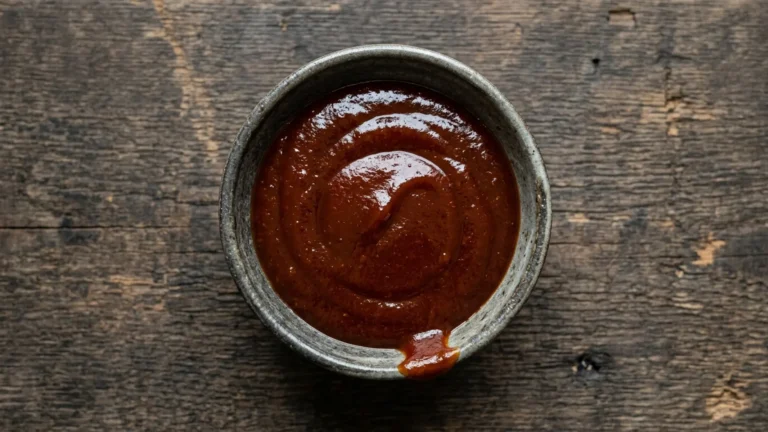
A few options work but need a careful hand. Fish sauce is intensely salty and sharp, with a pungent aroma, so it can easily overwhelm a dish; use only a small amount and balance it with sugar, and never pour it in at the ratio you would use oyster sauce. Worcestershire sauce shares some savory, tangy notes and contains anchovy, so it adds umami in a pinch, but it is thinner, more sour, and not vegetarian, so use it sparingly and add sugar. Black bean sauce brings deep fermented umami and works in stir-fries, but it is saltier and chunkier, so thin it and reduce other salt. Barbecue sauce can fill in for sweetness and body in a glaze, but it carries a smoky tang that strays from oyster sauce’s clean savory profile, so it changes the dish more than the closer swaps. These are all usable when nothing better is on hand, but they require tasting and adjusting more than hoisin or a mushroom sauce, so treat them as backups rather than first choices.
Why No Single Ingredient Matches Oyster Sauce Exactly
It helps to understand why one bottle rarely nails oyster sauce, because that knowledge guides every fix. Oyster sauce is a reduced, compound sauce, meaning it is already a concentrated blend of oyster extract, sugar, and seasonings cooked down over time into a specific balance, so swapping in one raw ingredient like soy sauce only captures a slice of it. The oyster extract delivers a deep, slow-built umami that is hard to fake instantly; the sugar is cooked into the sauce so it is integrated rather than sitting on top; and the reduction gives it a thick, clinging body. When you reach for a single substitute, you usually get one or two of those three elements but not all of them, which is why soy sauce tastes thin and not sweet enough, and why plain sugar water would taste sweet but flat. The swaps that come closest pull umami, sweetness, and thickness together at once, which is exactly why hoisin works so well and why the homemade mushroom version beats most single bottles. Cover more of those bases and your substitute lands nearer the real thing.
Common Mistakes When Substituting Oyster Sauce
Most disappointing swaps trace back to the same handful of slip-ups. Forgetting the sweetness tops the list: people grab soy sauce, taste something salty and sharp, and write off the substitute, when a pinch of sugar was all it needed to match oyster sauce. Thickness gets overlooked too, leaving a watery sauce that slides off the food instead of coating it, though a cornstarch slurry or a spoonful of hoisin sorts that out. Over-salting is another trap, since fish sauce and soy sauce both run saltier than oyster sauce, so a full one-to-one pour tips the dish over; use less and build the sweetness back. Heat causes the last common failure, because sweet substitutes scorch and turn bitter when they hit a hot pan too early, so stir them in near the end. Watch for those and the dish usually lands right the first time.
Store-Bought Alternatives Worth Knowing
If you would rather buy a bottle than mix anything, a few ready-made sauces stand in for oyster sauce with little effort. Vegetarian mushroom oyster sauce is the closest, designed specifically to replace the original, and it sits right next to oyster sauce in many stores. Hoisin sauce, char siu sauce, and sweet soy are all close cousins from the same family of thick, sweet-savory Asian condiments and work straight from the jar with minor tweaks. Kecap manis, the Indonesian sweet soy, is thick and sweet enough to mimic oyster sauce’s body in glazes and stir-fries. When comparing options, look for thickness and a sweet-savory balance rather than a single flavor note. Reliable test kitchens such as America’s Test Kitchen and Bon Appetit taste these condiments side by side, which is useful if you want to find a single bottle that matches your palate before you commit.
Frequently Asked Questions
What is the best substitute for oyster sauce?
Hoisin sauce is the closest single swap, used about one to one, because it shares oyster sauce’s thick body and sweet-savory umami. If you do not have hoisin, soy sauce with a pinch of sugar is the most available fix, and a homemade or store-bought mushroom sauce is the best plant-based option.
Can I use soy sauce instead of oyster sauce?
Yes, but soy sauce is thinner, saltier, and not sweet, so use about 2 tablespoons per 3 to 4 tablespoons of oyster sauce and add a pinch of sugar to balance it. For more body, whisk in a little cornstarch slurry or a spoonful of hoisin sauce.
What is a vegan substitute for oyster sauce?
A mushroom-based sauce is the best vegan substitute. Use store-bought vegetarian mushroom oyster sauce, or make your own by reducing shiitake mushroom broth with soy sauce, sugar, and a cornstarch slurry. Hoisin sauce and soy sauce are usually vegan too, but avoid fish sauce, which is not plant-based.
Is hoisin sauce the same as oyster sauce?
No, but they are close. Hoisin is sweeter and built on fermented soybeans, while oyster sauce is more savory and made from oyster extract. Their similar thickness means hoisin substitutes for oyster sauce well at about a one-to-one ratio, though the result will taste a little sweeter.
Can I make oyster sauce substitute gluten-free?
Yes. Use tamari or certified gluten-free soy sauce with a pinch of sugar and a cornstarch slurry for body, or make the mushroom version with tamari instead of soy sauce. Check fish sauce and any bottled sauces for hidden wheat, since regular soy, hoisin, and teriyaki usually contain gluten.
What can I use instead of oyster sauce in a stir-fry?
For stir-fries, hoisin sauce or soy sauce with a pinch of sugar work best because they season the dish with the salty-sweet umami it needs, and hoisin adds body to coat the ingredients. Add the substitute in the last minute of cooking so the sugars do not scorch in the hot pan.
Bottom Line
Good oyster sauce replacements all do the same job: they bring savory depth, a little sweetness, and enough body to cling to the food. Hoisin at roughly one to one gets you closest with a single bottle, soy sauce plus a pinch of sugar is the fix almost everyone can manage, and a homemade mushroom sauce often beats both, especially for vegan cooking. After that it is a matter of matching the swap to the dish, leaning on hoisin or sweet soy for glazes, soy and sugar for a quick stir-fry, and tamari with a cornstarch slurry when gluten is a concern. Keep tasting and nudging the salt, sweetness, and thickness as you go, and even an improvised stand-in will carry the meal.