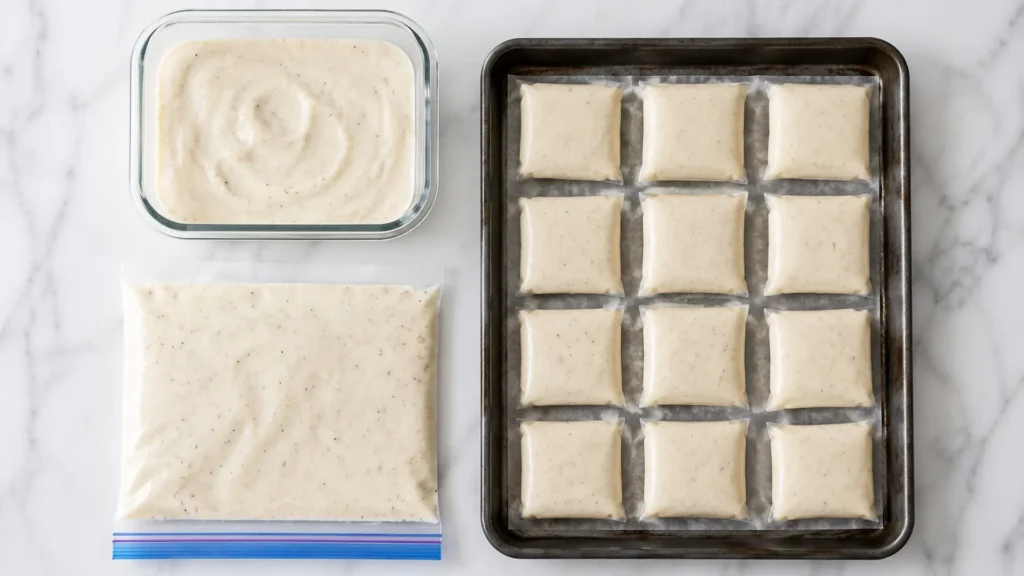
Can you freeze alfredo sauce? Yes, you can freeze alfredo sauce for up to three months, though there is one catch you should know going in: as a cream sauce, it tends to separate when frozen and reheated, with the fat splitting out from the dairy. The good news is that this separation is easy to reverse. Reheat the sauce gently over low heat and whisk it vigorously, adding a splash of cream or milk if needed, and it comes back together smooth and creamy. So freezing alfredo is absolutely worth it for a make-ahead meal, as long as you freeze it carefully and reheat it the right way.
This guide covers exactly how to freeze alfredo sauce so it keeps well, why cream sauces separate in the freezer, how long it lasts, the proper way to thaw and reheat it without it breaking, the tricks that minimize separation in the first place, and whether to freeze it with or without pasta. With these steps, a batch of homemade alfredo becomes a creamy meal you can pull from the freezer any night.
The Short Answer
Alfredo sauce freezes well and keeps for about three to four months in the freezer. Because it is a rich cream sauce made from butter, cream, and cheese, the fats can separate during freezing and reheating, so the texture is not always perfect straight out of the freezer. This is normal and fixable. Cool the sauce completely, freeze it airtight, then thaw it in the fridge and reheat it slowly while whisking, and you will restore the smooth, creamy consistency. The key mindset is that frozen alfredo is a reheating-technique challenge, not a storage failure, and a little care on both ends gives you excellent results.
Why Cream Sauces Separate in the Freezer
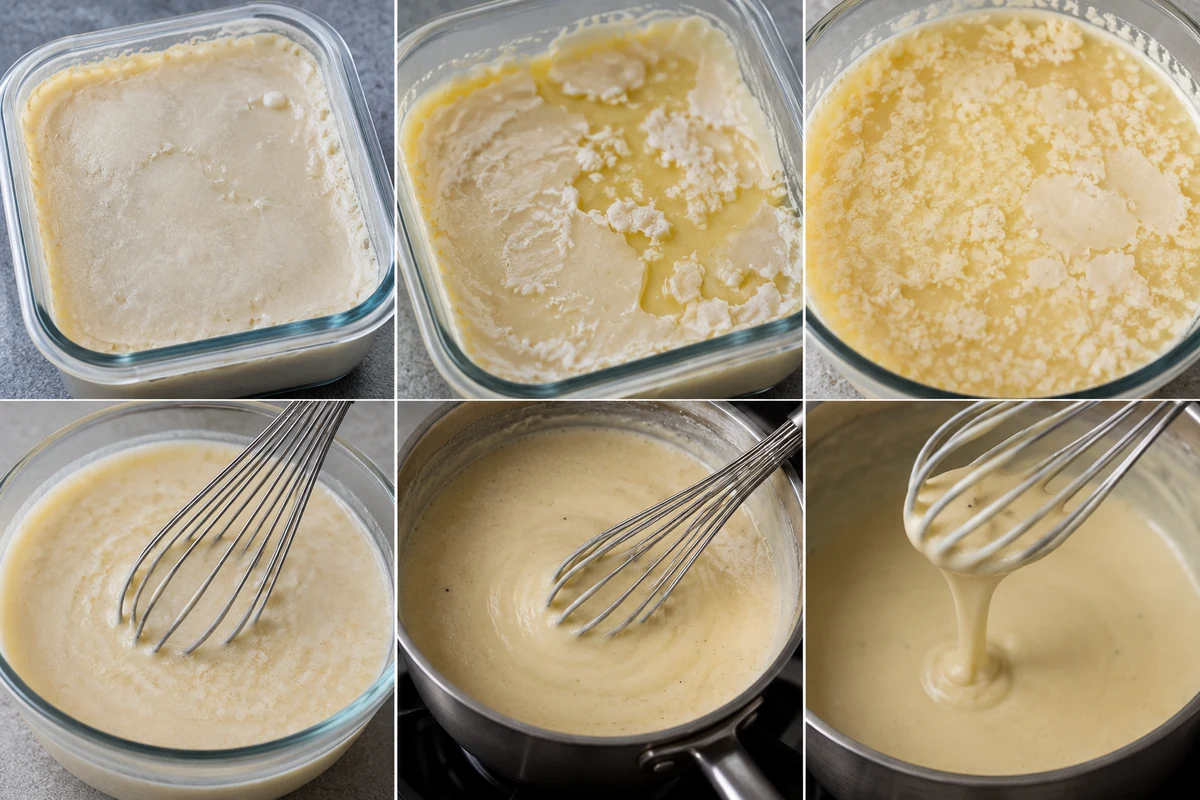
Understanding the separation helps you fix and prevent it. Alfredo is an emulsion of fat and liquid, the butterfat and cheese fat suspended in the cream, held smooth by gentle cooking. Freezing disrupts that emulsion: as the water in the sauce freezes into ice crystals, it forces the fat out of suspension, so when you thaw and reheat, the oils pool and the sauce looks grainy or split rather than silky. The higher the fat content, the more prone a sauce is to this, which is why rich cream sauces separate more than leaner ones. None of it means the sauce has gone bad; the ingredients have simply come apart, exactly like any broken sauce, and the rescue is the same: gentle heat and whisking to rebuild the emulsion. Our guide on how to fix a broken sauce covers that rescue in full.
How to Freeze Alfredo Sauce
- Cool the sauce completely before freezing, since freezing it warm creates condensation and ice crystals that worsen separation.
- Portion it into airtight freezer containers or heavy freezer bags in the amounts you will actually use, so you only thaw what you need.
- Leave a little headroom in containers, because the sauce expands as it freezes, and press the air out of bags to prevent freezer burn.
- Label each container with the date so you can use it within the three to four month window.
- Freeze it flat if using bags, which saves space and lets the sauce thaw faster and more evenly.
Freezing in portions is the single best habit here, because alfredo does not reheat well twice, so single-meal portions mean you never have to refreeze leftovers. A jar or container that holds enough for one dinner is the ideal size.
How Long Does Alfredo Sauce Last?
In the freezer, homemade alfredo keeps for about three to four months at good quality, and stays safe longer though the texture degrades over time. In the refrigerator, alfredo sauce lasts only three to four days in an airtight container, which is why freezing is the right choice for anything beyond a few days. Store-bought jarred alfredo follows similar fridge timelines once opened. Always cool it fully before storing either way, and when in doubt, judge by smell and appearance, since a sour smell or off look means it is time to discard it. The freezer is genuinely the best way to keep a batch of cream sauce for the long term, as long as you accept that reheating takes a little technique.
How to Thaw and Reheat Without Separating
This is the part that makes or breaks frozen alfredo. Thaw the sauce in the refrigerator overnight rather than at room temperature, which keeps it safe and gives a more even result. Then reheat it gently: the cardinal rule is low and slow, never high heat, because aggressive heat drives the fat further out and scorches the dairy. Warm it over low to medium-low heat on the stovetop, whisking constantly, and the whisking is what re-emulsifies the sauce as it warms. If it looks separated or grainy as it thaws, keep whisking and it will usually come back together. Add a splash of warm milk or cream while whisking to help it re-emulsify and to loosen a sauce that thickened in the freezer. If it turns out watery instead, whisk in a small cornstarch slurry to bring the body back, the same technique from our guide on how to thicken sauce. A microwave works too, but heat it in short bursts at reduced power, whisking between each, rather than blasting it.
Tricks to Minimize Separation
A few habits reduce separation before it starts. When you make alfredo you plan to freeze, slightly undercooking it can help, since it finishes when reheated. Using a bit more cheese, which contains natural emulsifiers, can make the sauce more stable through freezing. Holding back some of the cream and adding it fresh when you reheat gives a smoother result than freezing the full amount. And freezing the sauce on its own rather than mixed into a watery dish keeps it more controllable. None of these are essential, since whisking during reheating fixes most separation anyway, but if you freeze cream sauces often, building in these small adjustments gives you a noticeably creamier result with less effort at reheating time.
Freezing Alfredo With or Without Pasta
It is best to freeze alfredo sauce on its own, without the pasta, for a couple of reasons. Cooked pasta frozen in cream sauce tends to absorb the sauce, soften, and turn mushy when reheated, and it makes the separation harder to whisk out. Freezing the sauce alone lets you reheat it gently, fix any separation, and toss it with freshly cooked pasta for a far better texture. If you do freeze a finished pasta dish, slightly undercook the pasta first so it does not turn to mush on reheating, and expect a softer result than fresh. For the creamiest meal, keep the sauce and pasta separate, since cooking fresh pasta takes only minutes while the sauce reheats. This same approach suits a rotation of creamy pasta dishes, where a good sauce paired with just-cooked pasta beats anything frozen together.
Freezing Sauce in Ice Cube Trays
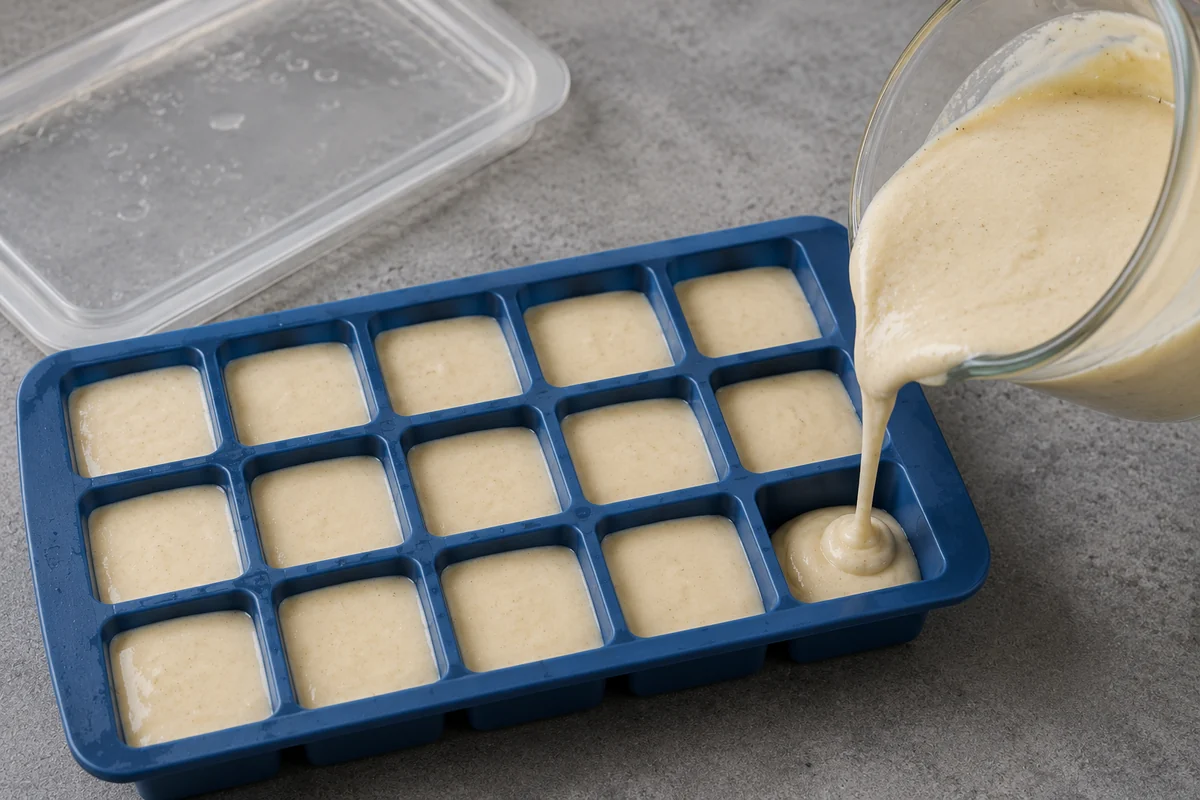
One of the smartest ways to freeze alfredo and other sauces is in an ice cube tray. Spoon the cooled sauce into the cells, freeze until solid, then pop the cubes into a freezer bag, and you have perfectly portioned servings you can grab a few at a time. This is ideal for adding a small amount of sauce to a single serving of pasta, enriching a soup, or making a quick weeknight meal without thawing a whole container. Each standard cube holds about two tablespoons, so you can count out exactly what you need. The cubes thaw and reheat quickly because of their small size, which also means less time in the danger zone and a fresher result. Label the bag with the date, and keep the cubes for the same three to four months as any frozen alfredo. For anyone who cooks for one or two people, the ice cube method turns a big batch of sauce into weeks of right-sized portions with almost no waste.
Other Cream Sauces You Can Freeze
What works for alfredo applies to most cream sauces, with the same caveat about separation. Bechamel and cheese sauces freeze for a few months and come back together with gentle reheating and whisking, just like alfredo. Vodka sauce and other tomato-cream sauces actually freeze a little better than pure cream sauces, because the tomato adds acidity and body that help hold the emulsion. Pure butter sauces and delicate egg-based sauces like carbonara and hollandaise are the exceptions and do not freeze well, since their emulsions break in ways that are hard to fully restore. The general rule is that the more stable and less delicate the sauce, the better it freezes, and any cream or cheese sauce will reward the same low-and-slow, whisk-while-reheating approach. So a batch of cream sauce is almost always worth freezing, as long as you plan to reheat it with a little patience.
Signs Your Frozen Sauce Has Gone Bad
Frozen alfredo is safe for a long time, but quality and safety both have limits worth knowing. Freezer burn, which shows up as dry, discolored, or icy patches, does not make the sauce unsafe but does hurt the flavor and texture, and it comes from air exposure, which is why pressing out air matters. Beyond the three to four month quality window, the sauce may taste stale or off even if it is technically safe. After thawing, trust your senses: a sour or rancid smell, an off color, or any sign of mold means the sauce should be discarded rather than reheated. Sauce that was left at room temperature too long before freezing, or thawed on the counter for hours, is also a reason for caution. When in doubt, throw it out, since a batch of sauce is not worth the risk, but properly frozen and promptly used alfredo is both safe and good.
Make-Ahead Alfredo for Busy Weeks
Freezing alfredo turns a rich, somewhat fussy sauce into convenient weeknight fuel. Make a double batch on a weekend, enjoy some fresh, and freeze the rest in single-meal portions or cubes, and you have the makings of a fast, comforting dinner on the busiest night. Because the only cooking left is boiling pasta and gently reheating the sauce, a homemade alfredo dinner comes together in the time it takes the water to boil. This make-ahead approach also means you are eating a sauce you made yourself rather than a jarred one, with control over the ingredients and richness. Keep a running note of what is in your freezer so the portions get used within their window, and reheat gently with a splash of cream, and frozen homemade alfredo becomes one of the most useful things in your freezer. For tested technique on cream sauces and emulsions, America’s Test Kitchen and Cook’s Illustrated are dependable references.
Freeze or Refrigerate? Choosing the Right One
Whether to freeze alfredo or just refrigerate it comes down to timing. If you will use the sauce within three to four days, the fridge is the simpler choice, since there is no thawing and no freezer separation to whisk out; just reheat gently with a splash of cream. Beyond a few days, the freezer is the only option that keeps the sauce good, stretching it to three to four months. The trade-off is that refrigerated alfredo reheats more smoothly because it never formed the ice crystals that split a frozen sauce, while frozen alfredo lasts far longer but needs the careful low-and-slow reheating covered above. A practical rule is to refrigerate what you will eat this week and freeze the rest in portions, so you get easy reheating for the near term and long storage for the rest. Either way, cool the sauce fully first and store it airtight, since those two habits protect both the texture and the safety of the sauce no matter which method you choose. Knowing which to use prevents both waste and the disappointment of a sauce that did not store the way you hoped.
Frequently Asked Questions
Can you freeze homemade alfredo sauce?
Yes, homemade alfredo freezes for about three to four months. Because it is a cream sauce, it may separate when frozen and reheated, but gentle reheating with constant whisking, plus a splash of cream, brings it back to smooth. Cool it fully and freeze it airtight in portions.
Why does alfredo sauce separate after freezing?
Freezing forms ice crystals that push the fat out of the cream sauce’s emulsion, so it looks grainy or split when reheated. This is normal for high-fat dairy sauces and is reversible by reheating slowly over low heat while whisking, which rebuilds the emulsion.
How do you reheat frozen alfredo sauce?
Thaw it overnight in the fridge, then reheat gently over low to medium-low heat, whisking constantly to re-emulsify it. Add a splash of warm milk or cream if it needs loosening, or a small cornstarch slurry if it is watery. Avoid high heat, which makes it separate further.
How long does alfredo sauce last in the freezer?
About three to four months at good quality, and it stays safe longer though the texture declines. In the fridge it lasts only three to four days. Freeze it in single-meal portions so you never have to refreeze leftovers, since alfredo does not reheat well more than once.
Should you freeze alfredo with the pasta?
It is better to freeze the sauce on its own. Pasta frozen in cream sauce absorbs liquid and turns mushy when reheated, and separation is harder to whisk out. Reheat the sauce alone and toss it with freshly cooked pasta for the best texture.
Can you fix watery alfredo sauce after freezing?
Yes. If the sauce is thin after thawing, whisk in a small cornstarch slurry, made from cornstarch and a little cold milk, and simmer briefly to bring the body back. If it is separated rather than watery, whisk over low heat with a splash of cream until it re-emulsifies.
Bottom Line
You can freeze alfredo sauce for up to three to four months, and while cream sauces tend to separate in the freezer, the fix is simple. Cool the sauce, freeze it airtight in single-meal portions, thaw it overnight in the fridge, and reheat it slowly over low heat while whisking, adding a splash of cream to bring it back to silky. Freeze the sauce without the pasta, fix any wateriness with a cornstarch slurry, and you will have creamy, homemade alfredo ready whenever you want it, with none of the separation that scares people off freezing cream sauces. Once you have reheated a frozen batch successfully a time or two, the technique becomes second nature, and you will start making extra alfredo on purpose just to stock the freezer for the nights you want a rich, comforting dinner with almost no effort, which is exactly the kind of small kitchen win that makes home cooking feel easy rather than like a chore.