Does soy sauce have gluten? Yes, regular soy sauce has gluten, and not just a trace of it. Standard soy sauce, the kind in the red-cap bottle on most tables, is brewed from soybeans and wheat in roughly equal parts, so wheat is a core ingredient rather than a contaminant. That surprises people who assume soy sauce is, well, soy. If you are avoiding gluten, the default bottle is off the table, but there are reliable swaps that taste nearly identical. The differences between the two kinds matter more than most labels let on.
Here is the short version. Regular soy sauce contains wheat and therefore gluten. Tamari, gluten-free soy sauce, and coconut aminos are the safe alternatives. How careful you need to be depends entirely on why you are avoiding gluten in the first place.
Why Regular Soy Sauce Contains Gluten
Traditional soy sauce, called shoyu in Japanese, is made by fermenting soybeans together with roasted, crushed wheat in a salty brine, using mold and yeast cultures over a period that can run from 6 months to more than 2 years for premium bottles. The wheat is not an afterthought. In a classic shoyu, the soybean and wheat go in at close to a 1:1 ratio. The wheat feeds the fermentation and gives soy sauce its sweetness and aroma. Strip the wheat out and you change the flavor, which is exactly why gluten-free versions are made differently rather than just leaving an ingredient out.
So when someone asks whether soy sauce is basically gluten-free because it is fermented and mostly liquid, the honest answer is no. The wheat is built into the recipe. A bottle that does not say gluten-free almost certainly is not.
There is a cheaper, faster category worth flagging too. Many low-cost soy sauces are not brewed at all but chemically produced by hydrolyzing soy protein, often with wheat or wheat-derived ingredients in the mix. These hydrolyzed products can still carry gluten, and because they skip the long fermentation, they have none of the low-gluten argument that traditionally brewed sauce leans on. If the label says hydrolyzed vegetable protein or hydrolyzed wheat protein, treat it as containing gluten unless it is certified otherwise.
The Fermentation Testing Catch Most Articles Skip

This is the part that gets glossed over, and it changes how you should read a label. You may have seen claims that traditionally brewed wheat soy sauce tests below 20 parts per million of gluten, which is the threshold the FDA uses for gluten-free labeling. Some studies do show low numbers after long fermentation, and that is why a few countries have taken a relaxed view. The problem, as Gluten Free Watchdog explains, is that the standard test, the R5 ELISA, was not designed to measure gluten reliably in fermented foods. Fermentation breaks gluten into fragments the test does not always catch, so a low reading does not prove the sauce is truly safe for a person with celiac disease.
Because of that, the FDA takes a conservative line. For a fermented product to carry a gluten-free label in the United States, the ingredients must be gluten-free before fermentation, not just test low afterward. That single rule is why a brand cannot ferment a wheat-based soy sauce and then slap a gluten-free sticker on it based on a post-fermentation test. When a product is labeled gluten-free, it means the maker started without wheat, which is the assurance you actually want.
The Different Types of Soy Sauce and Their Gluten
Soy sauce is not one thing, and the type tells you a lot about the wheat. Japanese koikuchi, the standard dark soy sauce most of us buy, is the roughly 1:1 soy-and-wheat style, so it contains gluten. Usukuchi, the lighter, saltier Japanese style, also uses wheat. Chinese light and dark soy sauces are typically wheat-based as well, and Chinese dark soy often adds caramel or even more wheat flour for body, so it is not a safe bet either.
Tamari is the outlier, brewed mostly or entirely from soybeans because of its miso origins. The takeaway is simple: assume any soy sauce contains wheat unless it is tamari or specifically labeled gluten-free. The country of origin and the color do not tell you whether it is safe. Only the ingredient list and a gluten-free claim do. Some people pick a lighter-colored bottle assuming it has less wheat, which is backwards, since color comes from fermentation length and added caramel, not from the grain ratio.
Tamari: The Closest Gluten-Free Swap
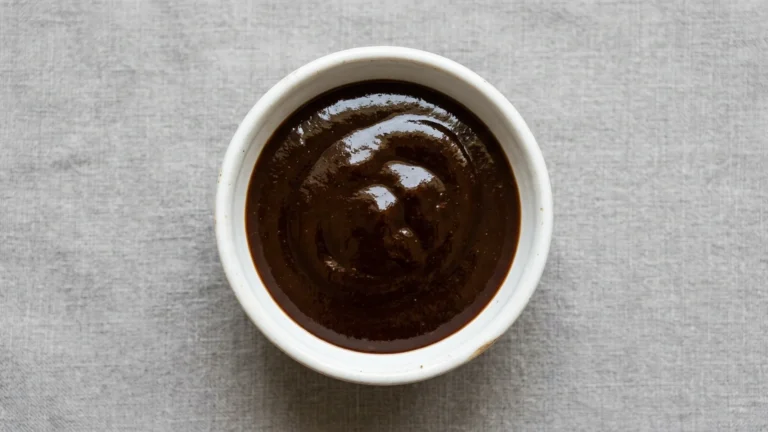
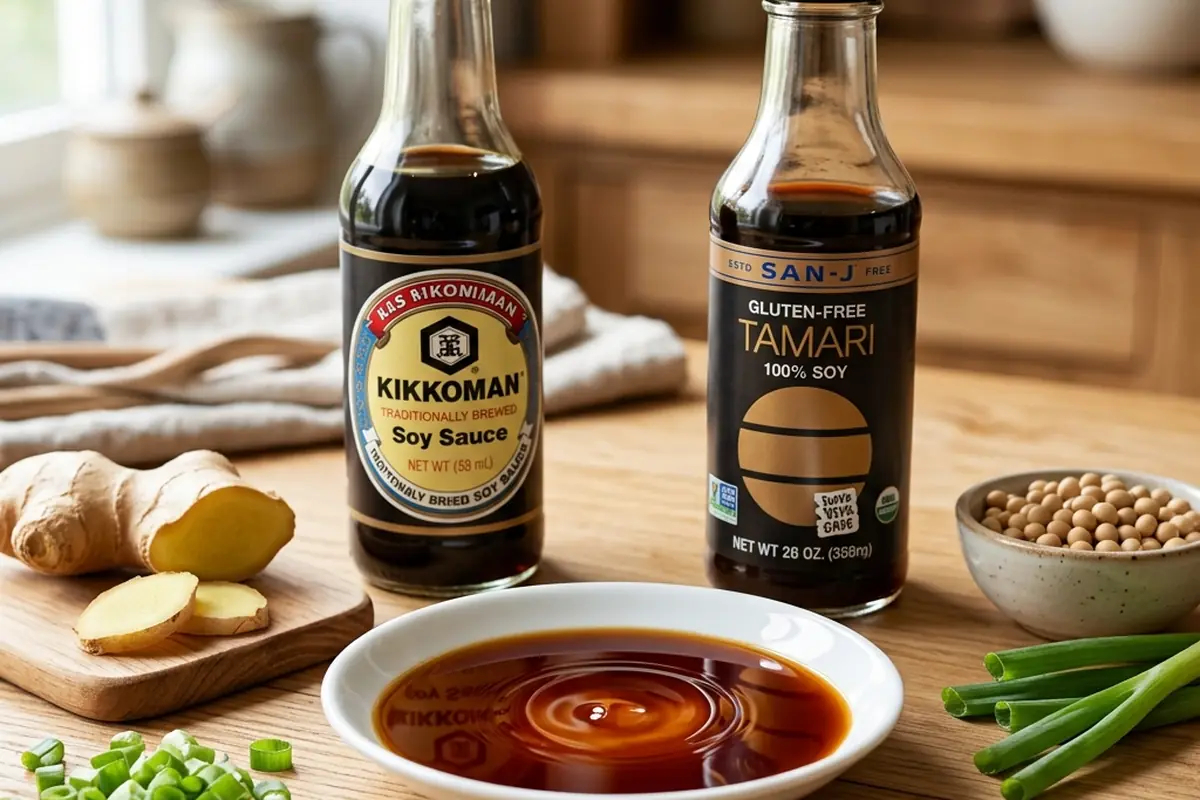
Tamari is the answer most cooks reach for, and it is the best one. Tamari started as a byproduct of making miso, the liquid that pooled off the fermenting soybean paste. Because that paste is mostly or entirely soybeans, the resulting tamari is brewed with little or no wheat. Most tamari sold today is made with no wheat at all and is certified gluten-free, though a few traditional Japanese versions still use a small amount, so the label still matters.
Flavor-wise, tamari is richer, smoother, and a touch less salty than regular soy sauce, with a deeper savory note. That makes it especially good as a finishing and dipping sauce. In cooking, you can swap it one-for-one in almost any recipe, and recipe developers at America’s Test Kitchen reach for it the same way when they want soy depth without the wheat. If you want the full breakdown of how the two compare in flavor and use, our guide on tamari versus soy sauce covers exactly when to reach for each.
Other Gluten-Free Alternatives
Tamari is not your only option. A few others fill specific needs.
- Gluten-free soy sauce: several brands, including a gluten-free Kikkoman, brew soy sauce using rice instead of wheat. The taste lands very close to the original.
- Coconut aminos: made from aged coconut blossom sap and salt, naturally gluten-free and soy-free, milder and slightly sweeter, and lower in sodium. Good for soy allergies too.
- Liquid aminos: a savory seasoning made from soybeans, gluten-free in most forms, with a flavor near soy sauce. Check the label, since formulas vary.
For broader swaps when you are out of any soy product entirely, our rundown of a substitute for soy sauce walks through lower-sodium and allergy-friendly options and the flavor tradeoffs of each.
The Alternatives Side by Side
Once you know regular soy sauce is out, the next question is which swap to keep on hand. They are not identical, and the right one depends on flavor, sodium, and whether you also avoid soy. Here is how the main options compare.
| Option | Made From | Flavor | Relative Sodium |
|---|---|---|---|
| Gluten-free tamari | Soybeans, little or no wheat | Rich, smooth, deep umami | Slightly lower than regular |
| Gluten-free soy sauce (rice-based) | Soybeans and rice | Very close to original | About the same as regular |
| Coconut aminos | Coconut blossom sap, salt | Milder, slightly sweet | Often 60 to 70 percent less |
| Liquid aminos | Soybeans | Close to soy sauce, savory | Similar, check label |
For straight cooking, gluten-free tamari is the sensible default, with coconut aminos for anyone who needs both gluten-free and lower sodium, or who avoids soy. The rice-based gluten-free soy sauce is the pick when you want a flavor indistinguishable from the original red-cap bottle, which matters for dipping sauces where the taste sits front and center.
Hidden Sources of Soy Sauce Gluten
The bottle on your counter is the obvious one. The sneaky gluten comes from everywhere soy sauce gets used as an ingredient. Teriyaki sauce, hoisin, oyster sauce, many marinades, bottled stir-fry sauces, and a lot of Asian-style salad dressings start with regular soy sauce, which means they carry wheat too. So does a surprising amount of packaged food that lists soy sauce or hydrolyzed wheat protein in the fine print.
If you are strict about gluten, the rule is to check every sauce that touches your food, not just the soy sauce itself. A stir-fry made with gluten-free tamari can still get glutened by a tablespoon of regular hoisin. When cooking a gluten-free meal, line up every bottle you plan to use and read each label before you start, because finding the one wheat-containing sauce after the dish is built is too late. It takes 2 minutes and saves the whole plate.
How Careful You Need to Be: A Decision Guide
Not everyone avoiding gluten needs the same level of caution. Match your behavior to your reason.
If you have celiac disease: be strict. Use only products labeled gluten-free, which guarantees the wheat was absent before fermentation. Do not rely on a sauce testing low, given the fermentation testing problem. Cross-contamination in shared kitchens and restaurants is a real risk.
If you have a wheat allergy: avoid regular soy sauce entirely and read for wheat specifically. Tamari and coconut aminos are usually safe, but confirm on the label, since an allergy reacts to wheat proteins regardless of gluten counts.
If you have non-celiac gluten sensitivity: you have more room. Many people in this group tolerate small amounts, and a low-gluten fermented soy sauce may not trigger symptoms. Still, gluten-free tamari removes the guesswork, so why not use it.
If you are just curious or cooking for a guest: keep a bottle of certified gluten-free tamari in the pantry. It works in every recipe regular soy sauce does, so you can cook one dish that suits everyone at the table.
The Restaurant and Cross-Contamination Playbook
Home is easy to control. Eating out is where people with celiac disease get caught. Soy sauce hides in marinades, salad dressings, stir-fry, fried rice, dumplings, teriyaki glaze, and dipping sauces, often without appearing on the menu. A dish can be wheat-free in its main ingredients and still get a splash of regular soy sauce at the end.
My practical advice, learned from cooking for gluten-free friends: ask specifically whether soy sauce is used, not just whether a dish is gluten-free, because kitchens sometimes forget soy sauce contains wheat. Shared woks and fryers can transfer gluten even when your dish uses tamari. Some people carry a small bottle of their own gluten-free tamari to restaurants, which sidesteps the whole question. And at home, if you cook for someone with celiac disease, use a clean pan and a separate spoon, since even a little regular soy sauce residue can matter to them.
Reading a Soy Sauce Label Like a Pro
A quick label routine catches almost every mistake. First, look for the words gluten-free on the front, which in the US carries the legal weight of the before-fermentation rule. Second, scan the ingredient list for wheat, which is the dead giveaway in a regular bottle. Third, do not assume tamari is automatically safe, because a few are brewed with a little wheat, so confirm it is labeled gluten-free. Finally, treat words like naturally brewed or traditionally brewed as flavor descriptions, not gluten claims, because those terms tell you nothing about wheat content. The label is the only source that counts, not the bottle’s reputation.
Swapping Gluten-Free Options Into Real Recipes
Knowing which bottle is safe is only half the job; the other half is cooking with it so nothing tastes off. The good news is that tamari and gluten-free soy sauce both substitute one-for-one in almost every recipe, so you rarely touch the rest of your measurements. Where small adjustments help is in dishes built around the sauce itself. In a stir-fry, tamari reduces a touch faster and reads slightly richer, so start with about three-quarters of the called-for amount, taste at the end, and add the rest only if the dish needs depth. In a dipping sauce, where the soy flavor stands alone with rice vinegar and a little sugar, use tamari at the full amount because there is nothing else to hide behind. Coconut aminos are the one swap that needs real recalibration: they run noticeably sweeter and lower in sodium, so cut any added sugar in the recipe, then bump the salt with a pinch of fine sea salt or a splash of fish sauce if you eat it. For marinades, the gluten-free versions cling and caramelize just like the original, so your grilled chicken or tofu browns the same way. Keep one certified bottle for cooking and a small one for the table, and your sauces taste identical to the wheat-based original.
The Bottom Line
Regular soy sauce has gluten because wheat is a primary ingredient, brewed in at nearly the same amount as the soybeans, so it is not a product to fudge if you are avoiding gluten. The clean fixes are easy: certified gluten-free tamari for the closest match, gluten-free soy sauce made with rice, or coconut aminos if you also avoid soy. How strict you need to be comes down to your reason, with celiac disease demanding certified products and careful restaurant habits, and milder sensitivity allowing more flexibility. Keep a bottle of gluten-free tamari on hand and you will never have to think about it again.
One last reassurance, because the testing controversy can sound alarming. The uncertainty is about traditionally brewed wheat soy sauce, not about your alternatives. A product that is certified gluten-free started without wheat, so the murky fermentation question never applies to it. That is the whole reason the label rule exists, and it is why the simple move is to stop chasing test numbers and just buy the certified bottle. Spend the 5 dollars on tamari, label your shelf, and cook without the second-guessing.
FAQ
Is all soy sauce made with wheat?
No. Standard soy sauce is brewed with wheat at close to a one-to-one ratio with soybeans, so it contains gluten. Tamari and gluten-free soy sauces are made with little or no wheat, and coconut aminos contain no soy or wheat at all, so safe options exist for anyone avoiding gluten.
Is tamari always gluten-free?
Usually, but not always. Most tamari is brewed with no wheat and is certified gluten-free, which is why it is the go-to swap. A few traditional Japanese tamari versions still include a small amount of wheat, so check the label for a gluten-free claim before assuming it is safe.
Can people with celiac disease eat regular soy sauce?
No. Regular soy sauce contains wheat, and the standard gluten test is unreliable for fermented foods, so a low reading does not guarantee safety. People with celiac disease should use only products labeled gluten-free, which ensures wheat was absent before fermentation.
Does fermentation remove the gluten from soy sauce?
Not reliably enough to count on. Long fermentation can break gluten into fragments and lower measured levels, but the common R5 ELISA test cannot accurately measure gluten in fermented foods. That is why the FDA requires gluten-free soy sauce to start without wheat rather than test low after brewing.
What is the best gluten-free substitute for soy sauce?
Certified gluten-free tamari is the closest match in flavor and works one-for-one in any recipe. Gluten-free soy sauce made with rice is also excellent. Coconut aminos are a good choice if you avoid soy as well, though they are milder, slightly sweeter, and lower in sodium.
Is gluten-free soy sauce less salty?
It depends on the product. Tamari is often slightly less salty and richer than regular soy sauce, while gluten-free soy sauce made with rice tastes very close to the original. Coconut aminos are noticeably lower in sodium, so check the label if salt content is a concern for you.